Star Fruit Averrhoa Carambola, Grafted, in 3 gallons pot. Kary starfruit, Kari, no ship to HI
-40%
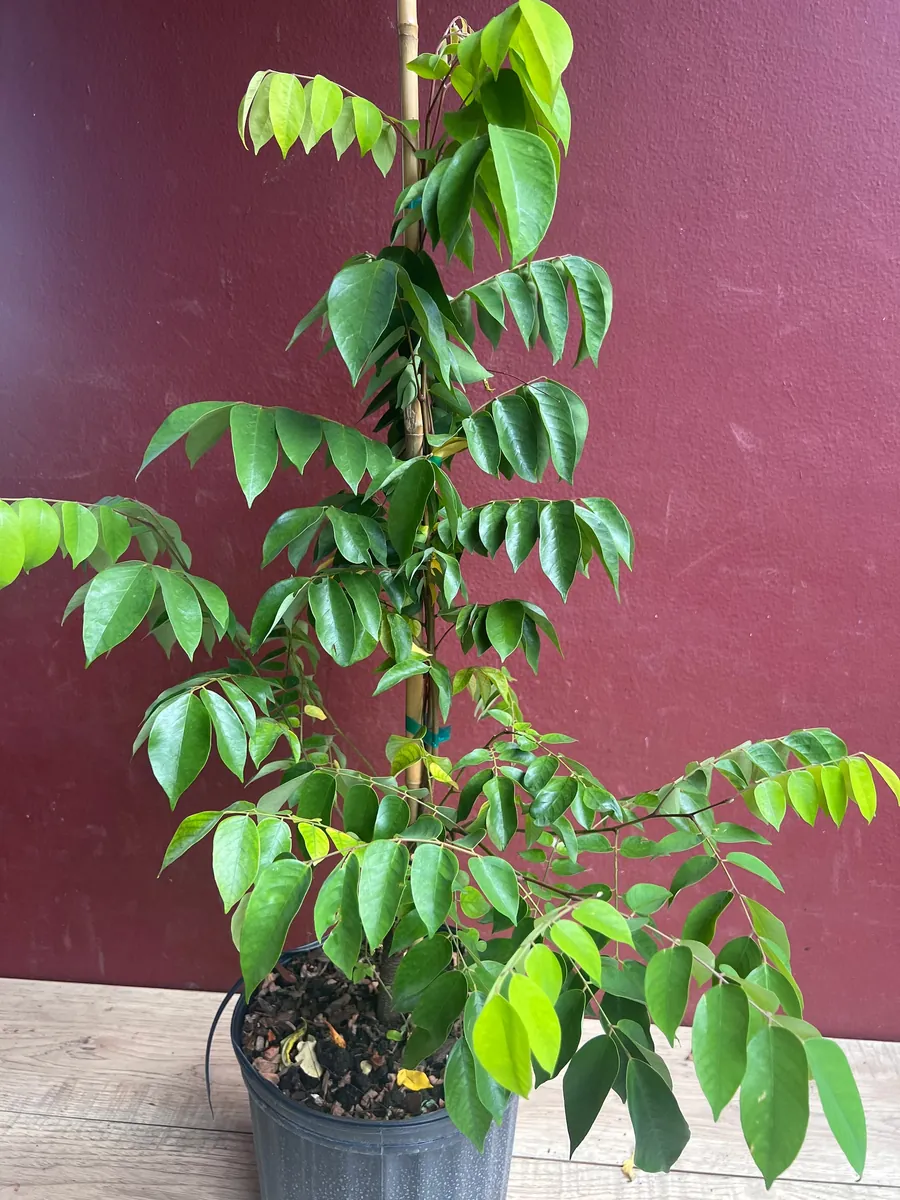
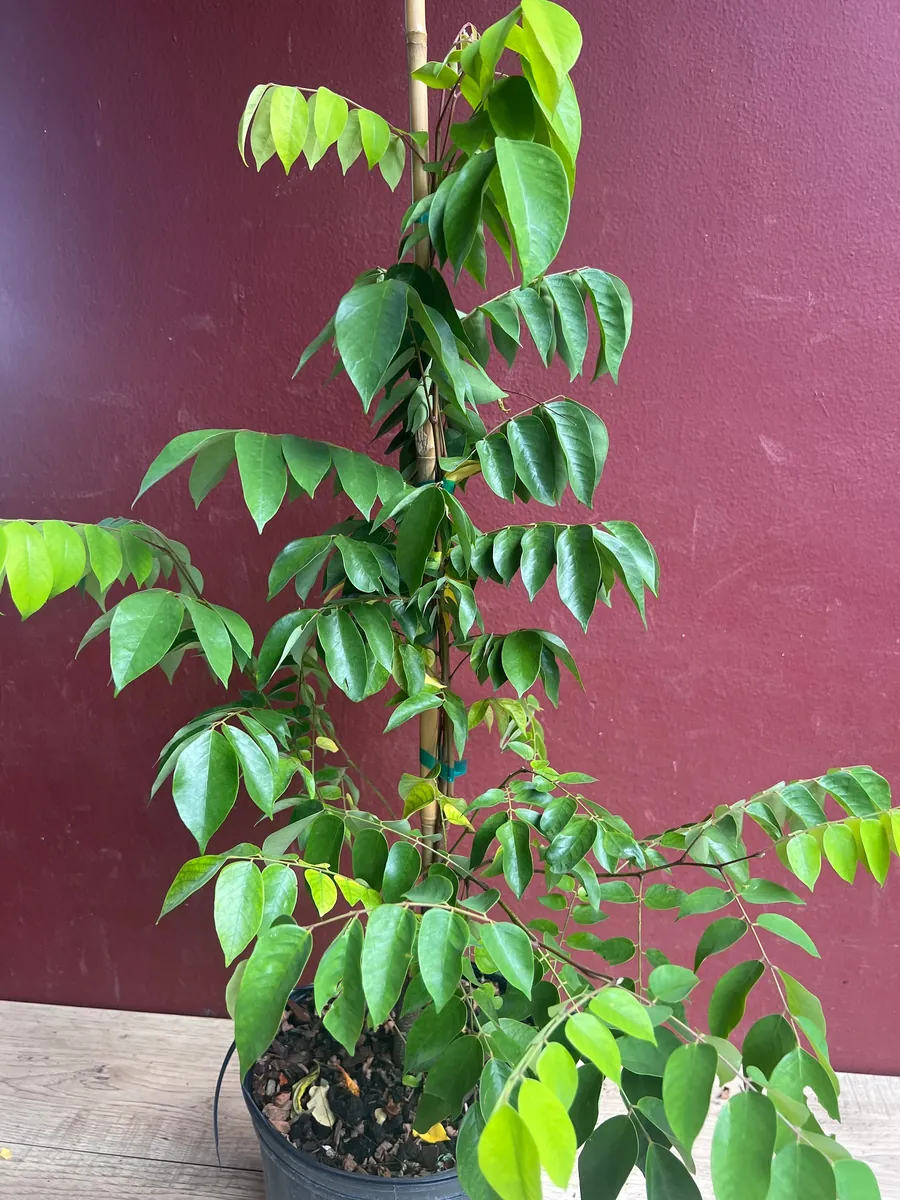
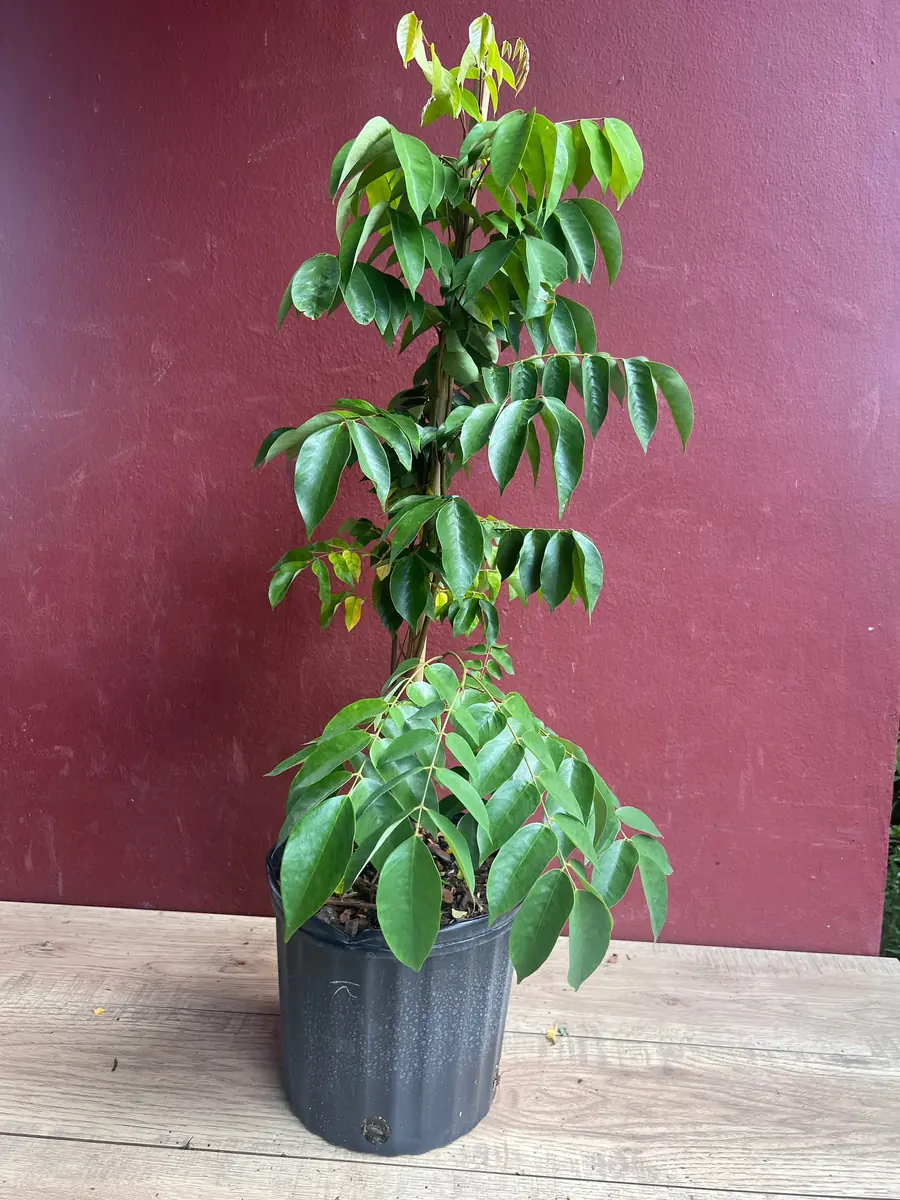
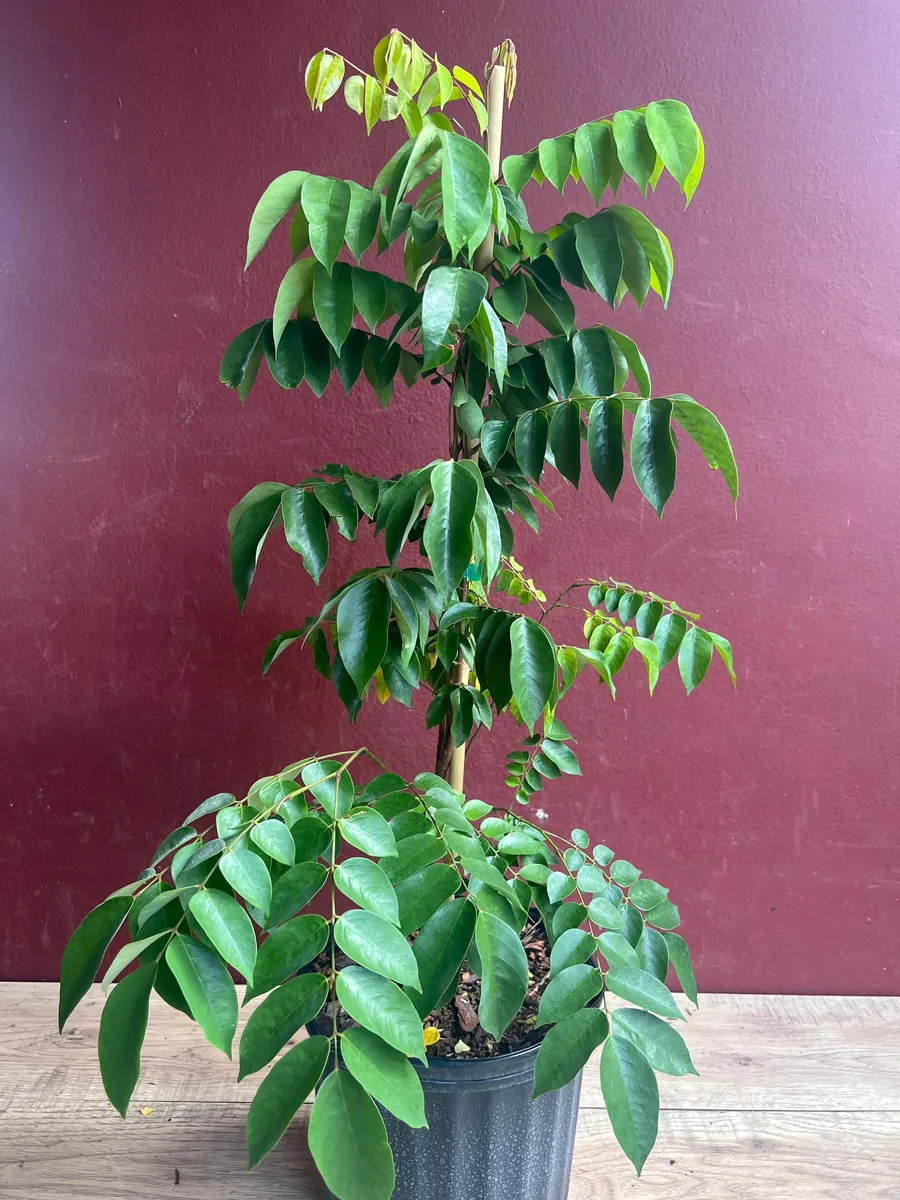
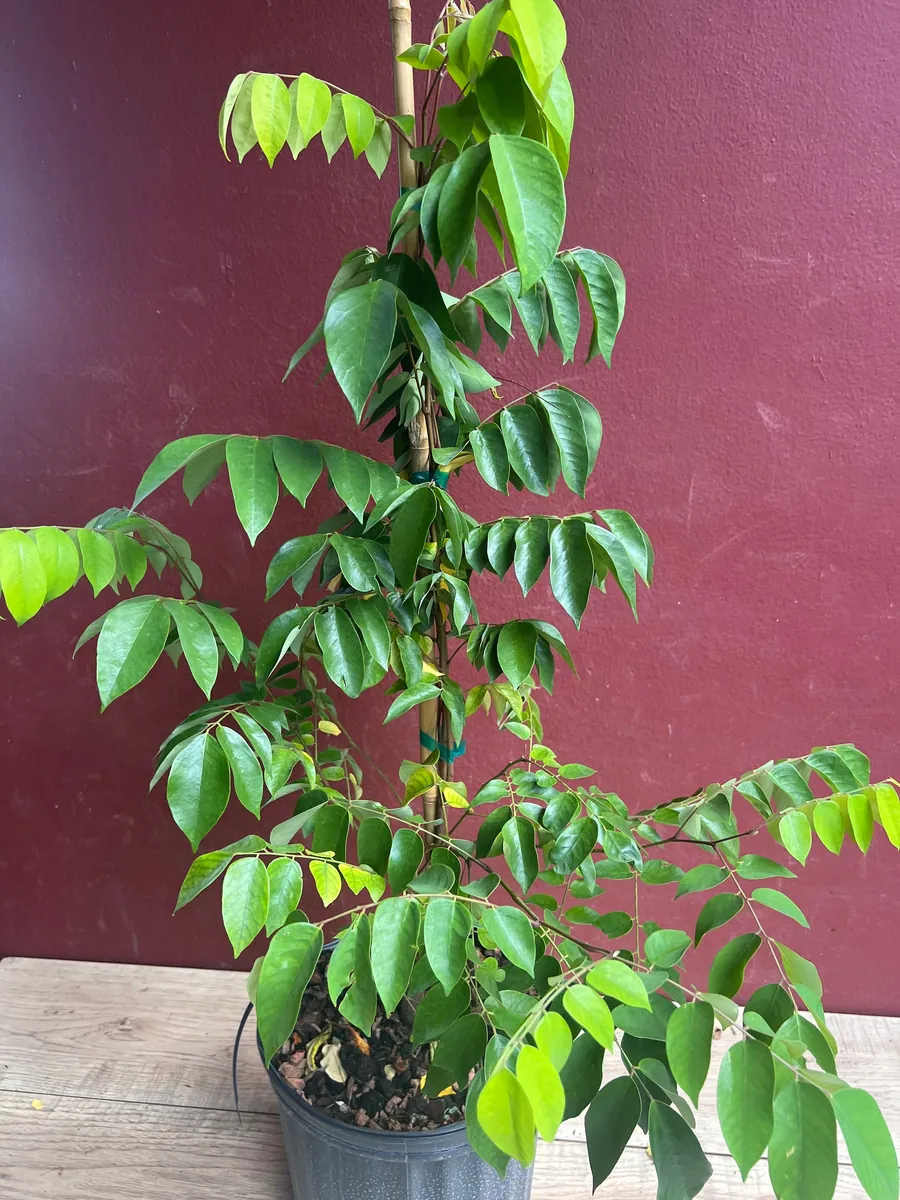
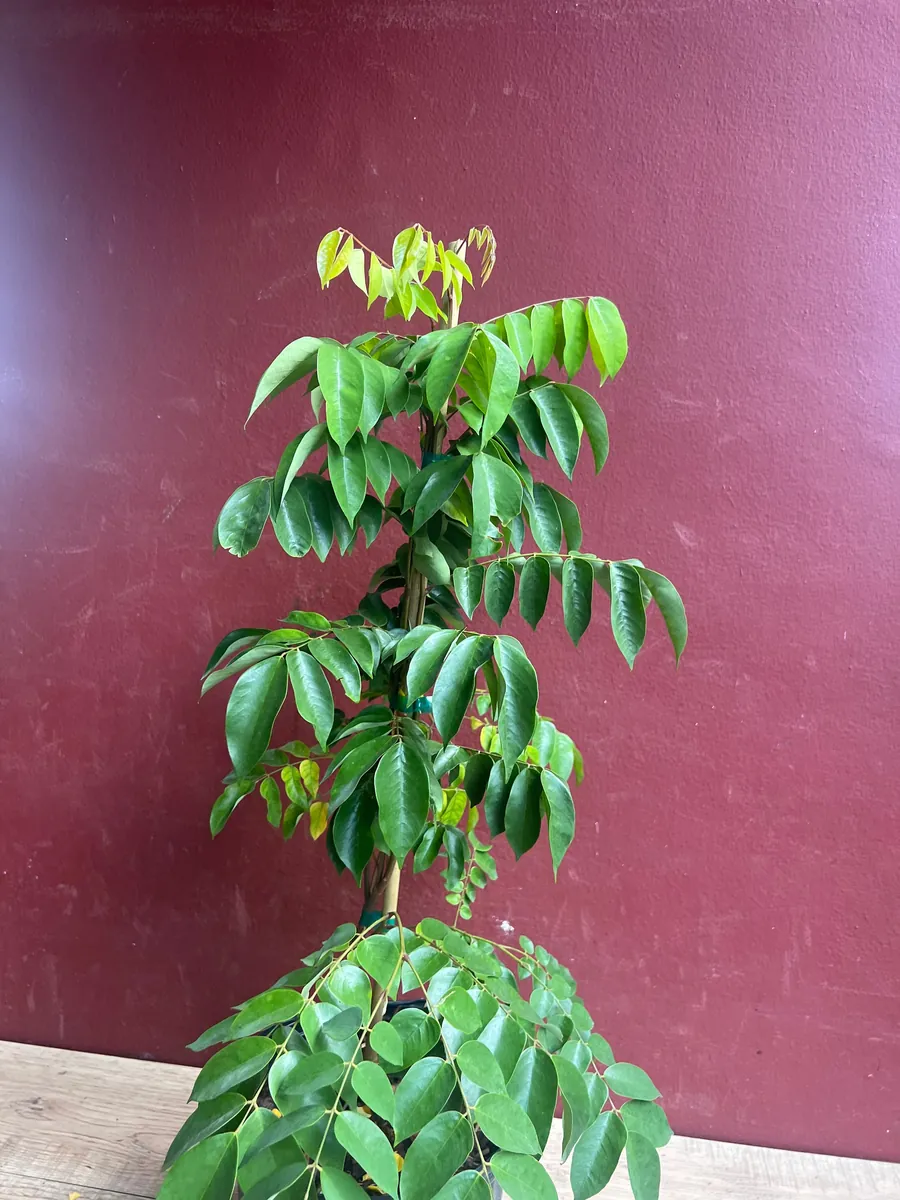
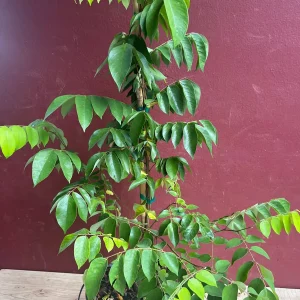
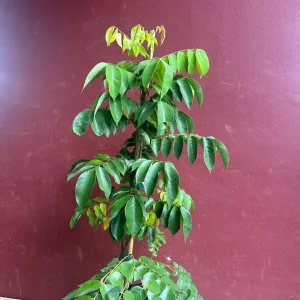
Star Fruit Averrhoa Carambola, Grafted, in 3 gallons pot. Kary starfruit, Kari, no ship to HI
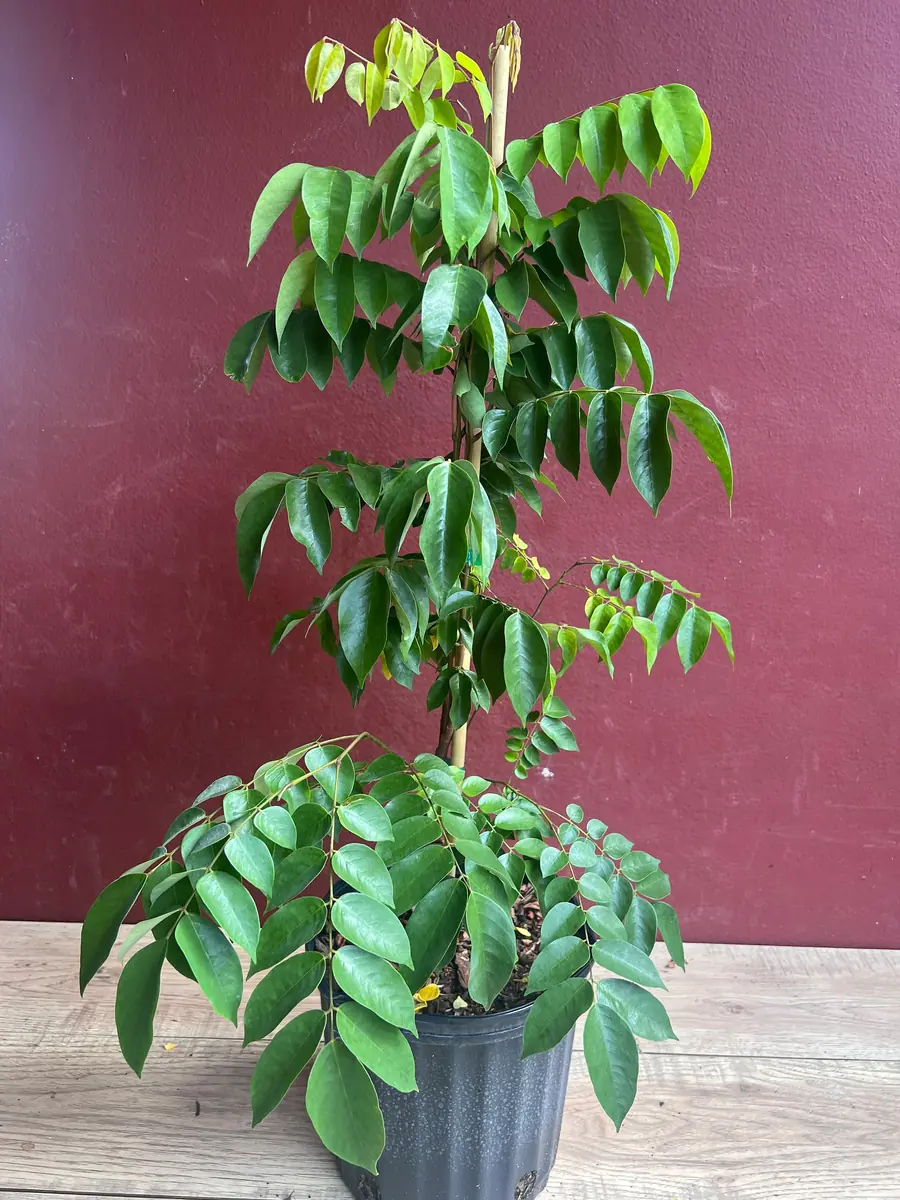
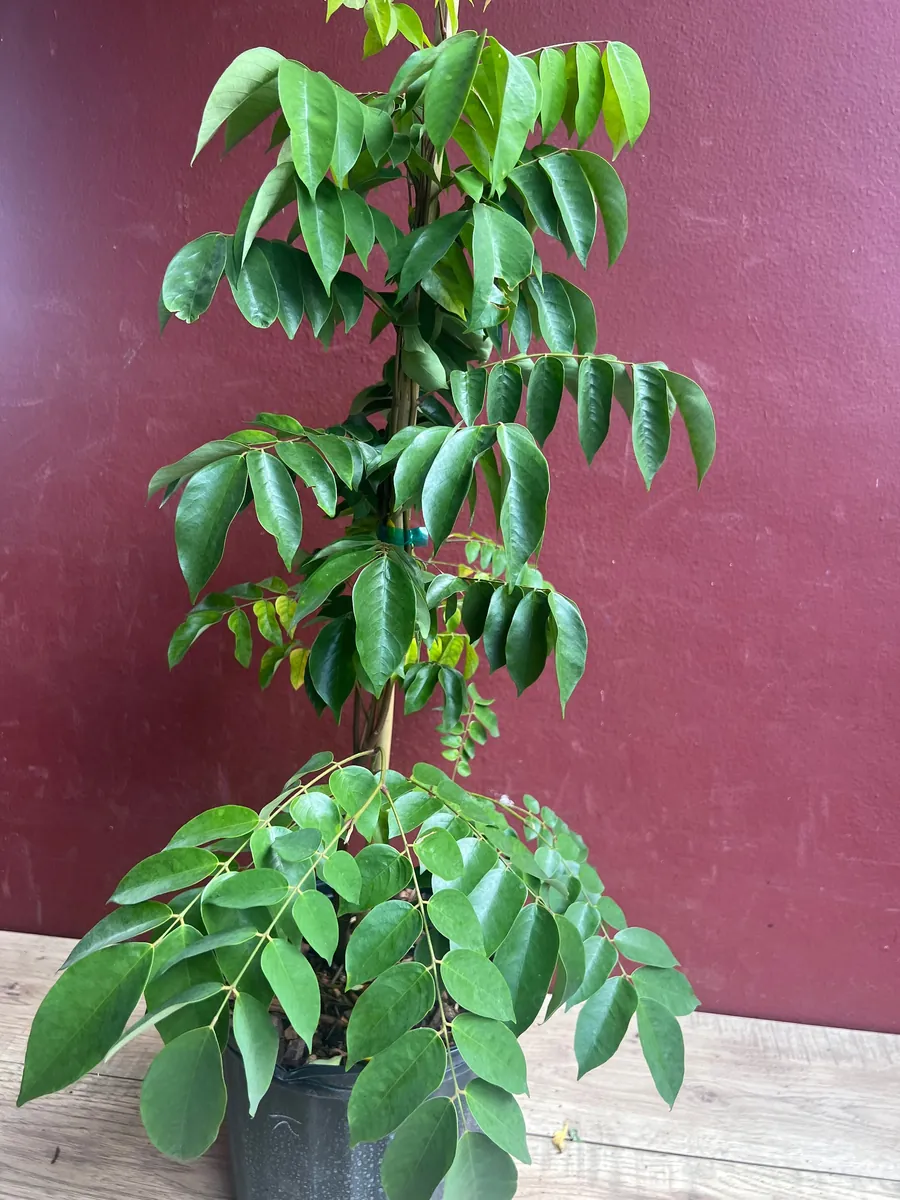
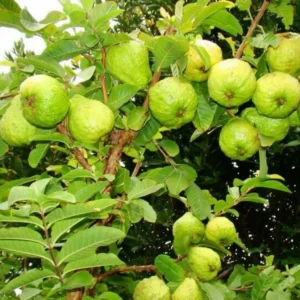
Bring the tropics to your home with the star fruit tree kari, a highly productive and sweet averrhoa carambola plant. This grafted starfruit tree is grown in a 3-gallon pot, ready to thrive and produce delicious, star-shaped fruit. Ideal for pots in northern zones or planted outdoors in suitable climates.
Original price was: $189.86.$113.92Current price is: $113.92.

With our Alive & Thrive Guarantee, we’ve got your back for the first 30 days! If you have any concerns about your plants, just reach out to us. Our team is here to help answer your questions and guide you in selecting the best plants for your garden, climate, and unique preferences. We're excited to help you create the garden of your dreams!
Estimated arrival
Mar 22
Mar 27 - Mar 29
Apr 01 - Apr 05
Product Details
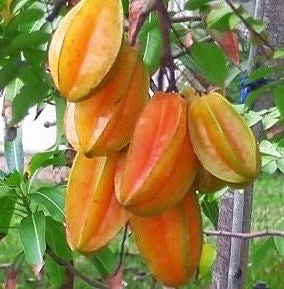
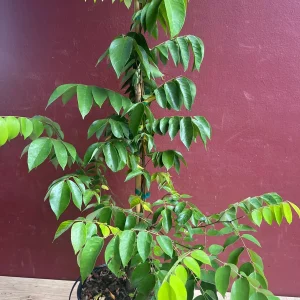
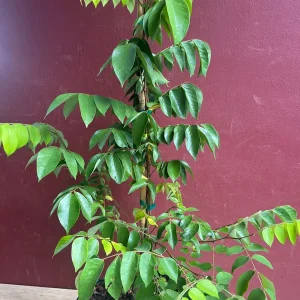
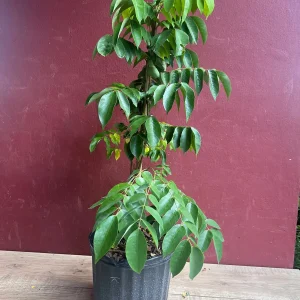
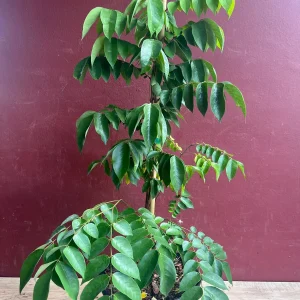
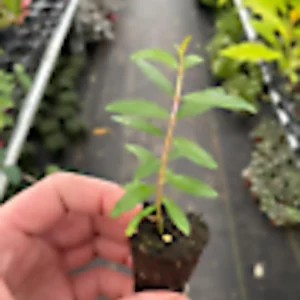
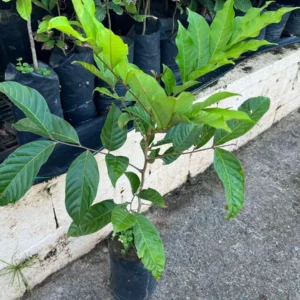
Note: You will receive 1 starfruit tree in 3 gallons pot similar to the pictures
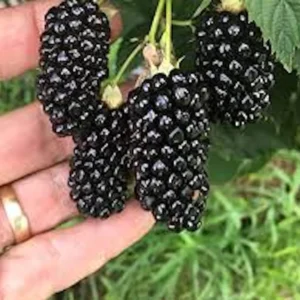
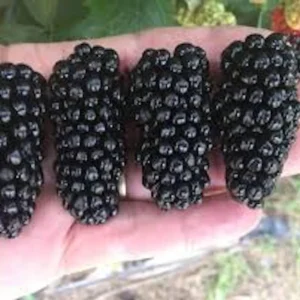
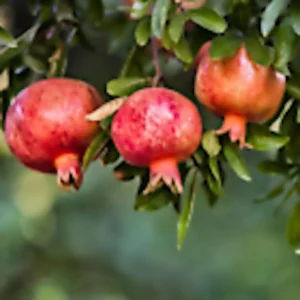
One of the sweetest and most delicious carambola varieties, ‘Kari’ is a highly productive tree that stays fairly small and can be maintained and successfully fruited in a pot in northern zones. The star-shaped fruit has crisp, juicy, yellow flesh that can be eaten fresh, made into juice or dried. It also makes a nice decorative accent for salads or drinks. The fruit is about 6” long and borne in clusters on the tree. Small pink flowers appear in spring and fall and ‘Kari’ usually produces two crops a year, in summer and winter. It often starts fruiting the second year after you receive it. This is a grafted plant that blooms and fruits sooner.
Planting:
Location: Choose a sunny location with well-draining soil. Starfruit trees need full sun to thrive.
Soil: Prefers a sandy loam soil with a pH between 5.5 and 6.5.
Spacing: Plant trees at least 20 feet apart to accommodate their spread.
Watering:
Frequency: Water regularly, especially during dry periods. Maintain consistent soil moisture but avoid waterlogging.
Method: Deep watering is recommended. Use drip irrigation or soaker hoses to ensure even moisture distribution.
Fertilizing:
Type: Use a balanced fertilizer with an NPK ratio of 6-2-6 or similar. Organic compost can also be beneficial.
Frequency: Fertilize three times a year – in the spring, summer, and fall.
Application: Apply fertilizer evenly around the drip line of the tree and water thoroughly.
Pruning:
Purpose: Prune to remove dead or diseased branches and to shape the tree.
Timing: Prune after the fruiting season to avoid damaging developing fruits.
Method: Use clean, sharp tools to make clean cuts and avoid spreading diseases.
Mulching:
Type: Use organic mulch such as wood chips or straw.
Application: Apply a 2-3 inch layer of mulch around the base of the tree, keeping it a few inches away from the trunk to prevent rot.
Benefits: Mulching helps retain soil moisture, regulate temperature, and suppress weeds.
Related products
-10%
Original price was: $23.99.$21.59Current price is: $21.59.
-20%
Original price was: $36.00.$28.80Current price is: $28.80.
-20%
Original price was: $32.00.$25.60Current price is: $25.60.
-10%
Original price was: $28.99.$26.09Current price is: $26.09.
-10%
Original price was: $158.00.$142.20Current price is: $142.20.
-49%
Original price was: $59.38.$29.99Current price is: $29.99.
PLANTING & CARE

The Comprehensive Guide to Growing Bay Leaf Plants for a Flavorful Garden
Imagine stepping into your garden, greeted by the earthy aroma of fresh bay leaves, their
09
Feb
Feb

How to Make Comfrey Tea: The Ultimate Organic Plant Food
Growing an organic garden can be surprisingly expensive, especially when most store-bought fertilizers come in
02
Feb
Feb

True Comfrey: 7 Essential Tips Before You Plant This Herb
A staple in permaculture practices across the US, True Comfrey easily earns its reputation as
27
Jan
Jan

7 Heart-Shaped Plants for a Lasting Valentine’s Gift
If you’ve ever bought a bouquet of roses for Valentine’s Day, you know they are
26
Jan
Jan

Best Types of Ivy Plant for Houses: How to Choose the Perfect Ones for Your Home
Are you a garden lover looking to introduce some greenery into your home? Maybe you’ve
14
Nov
Nov

When to Harvest Garlic (Especially Fall-Planted Garlic)
TIMING IS EVERYTHING, they say – and for garlic, that truth hits with surprising accuracy.
13
Nov
Nov

11 of the Best Sweet Potato Varieties to Grow for Your Garden
If you’ve ever tried growing sweet potatoes, you know that picking the right variety can
12
Nov
Nov
Pruning Bougainvillea for Winter
Bougainvillea vines are known for their dazzling display of magenta, orange, and fuchsia bracts that
05
Nov
Nov