Grafted Kishu Mandarin Tree – Seedless Tangerine Live Plant in 1/2 Gallon Pot No Ship CA,HI
-40%
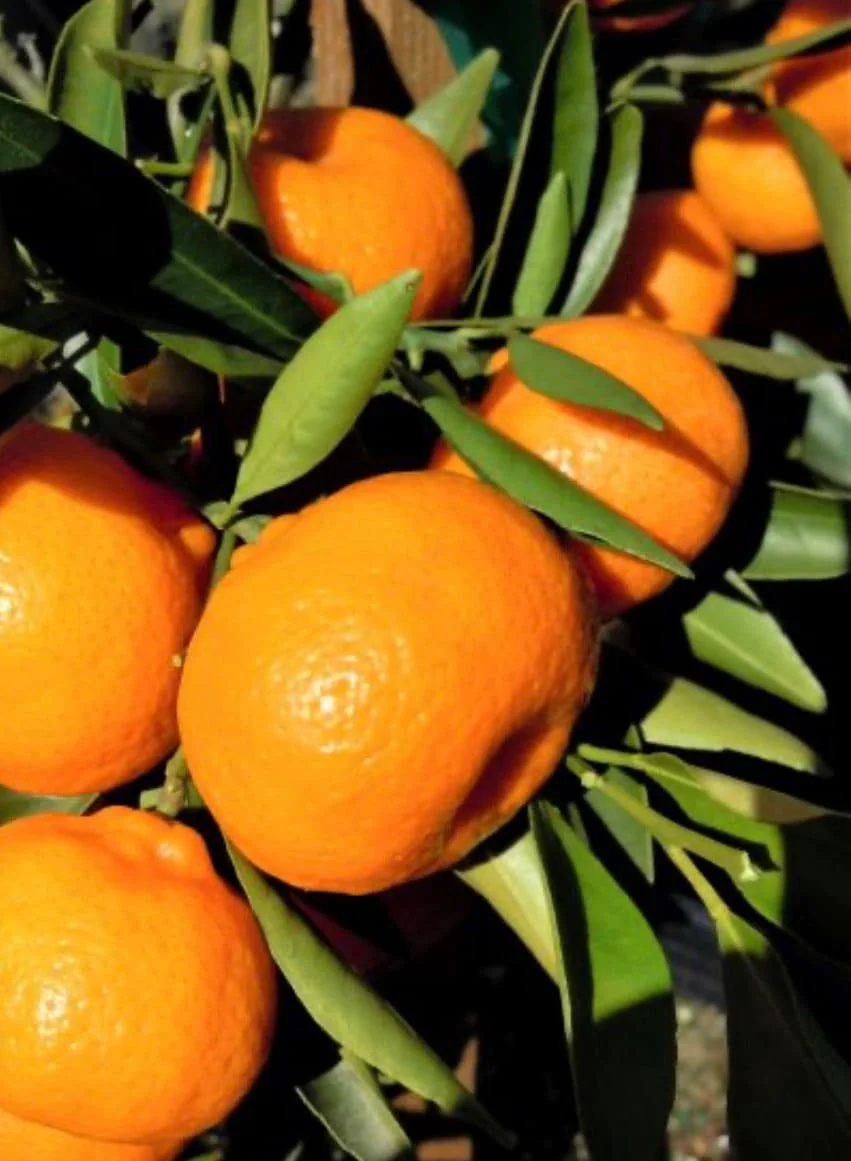
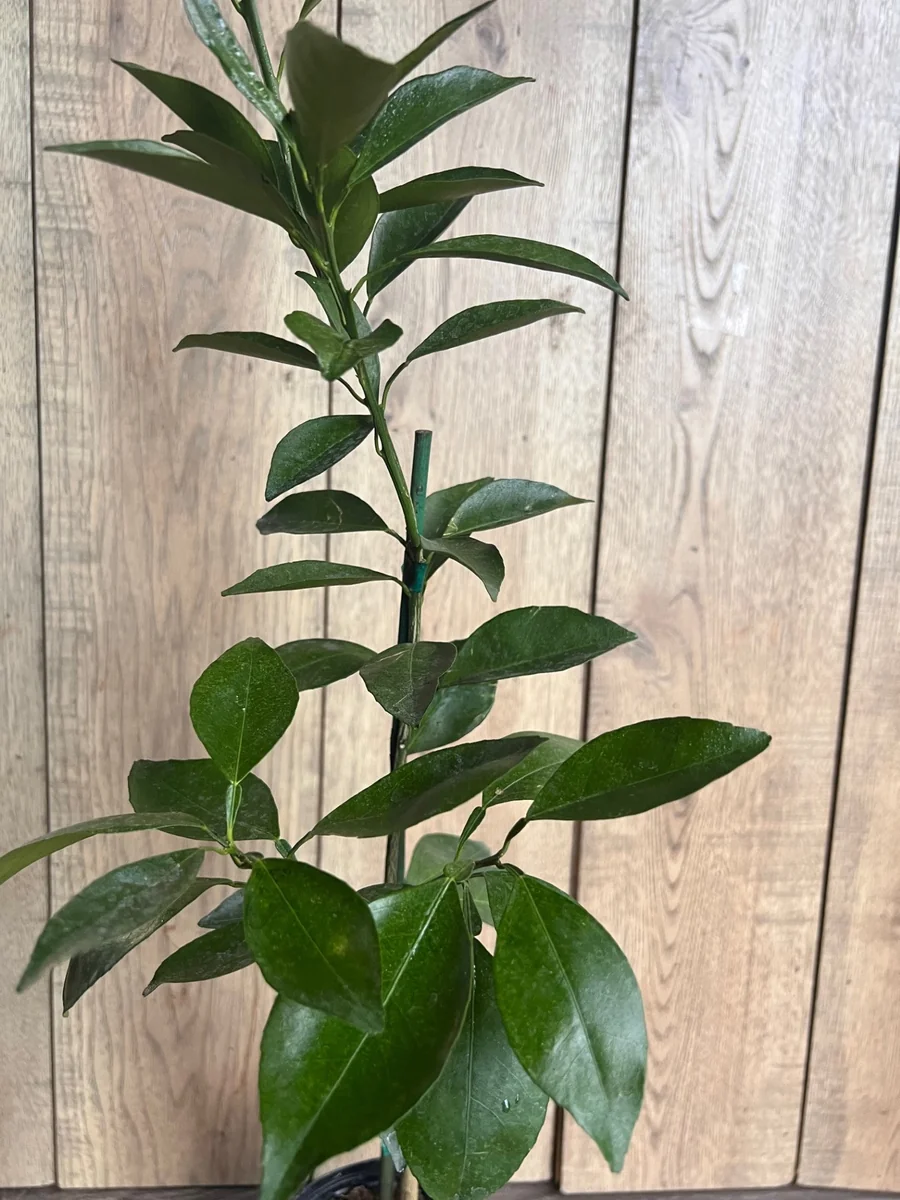
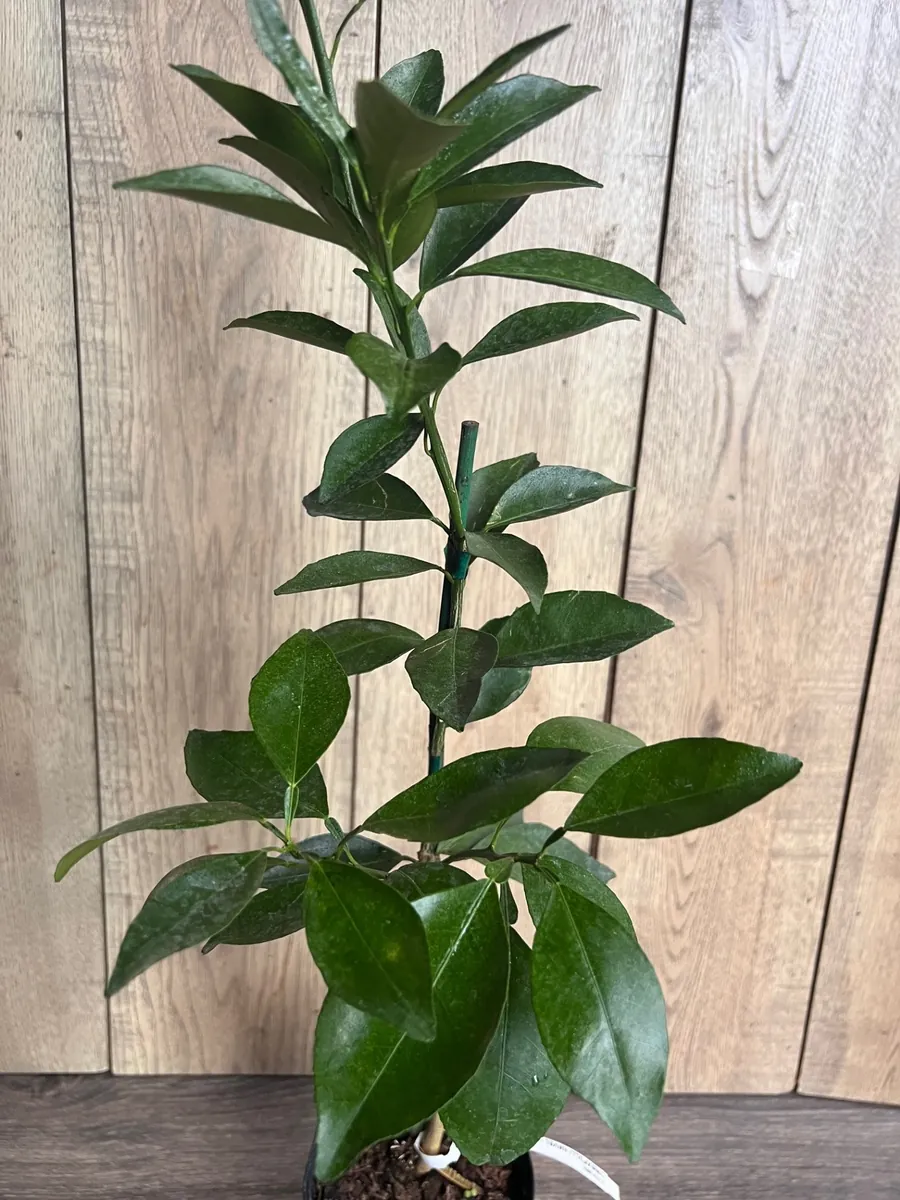
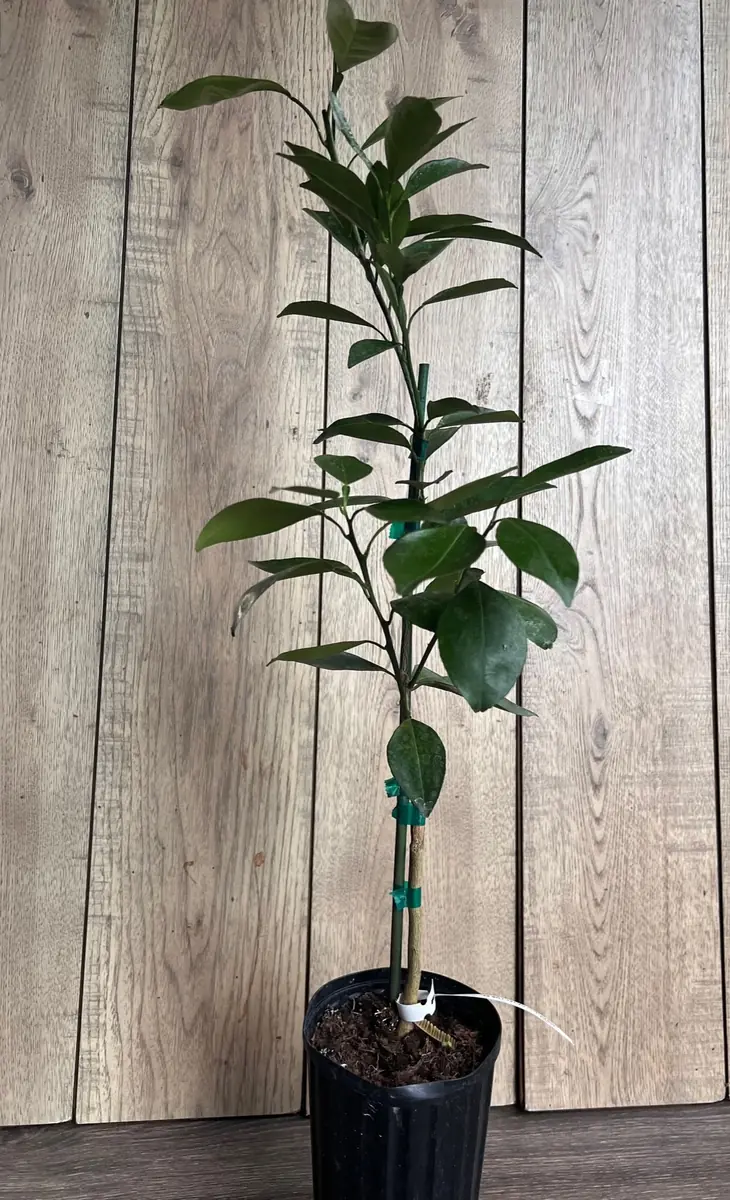
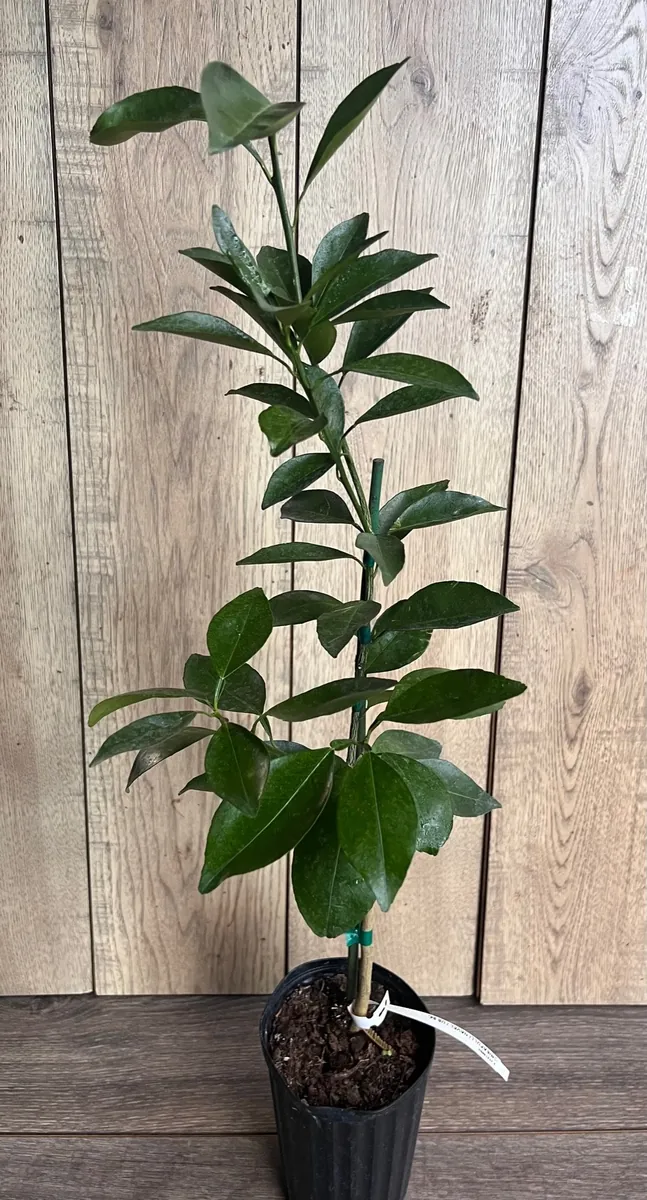
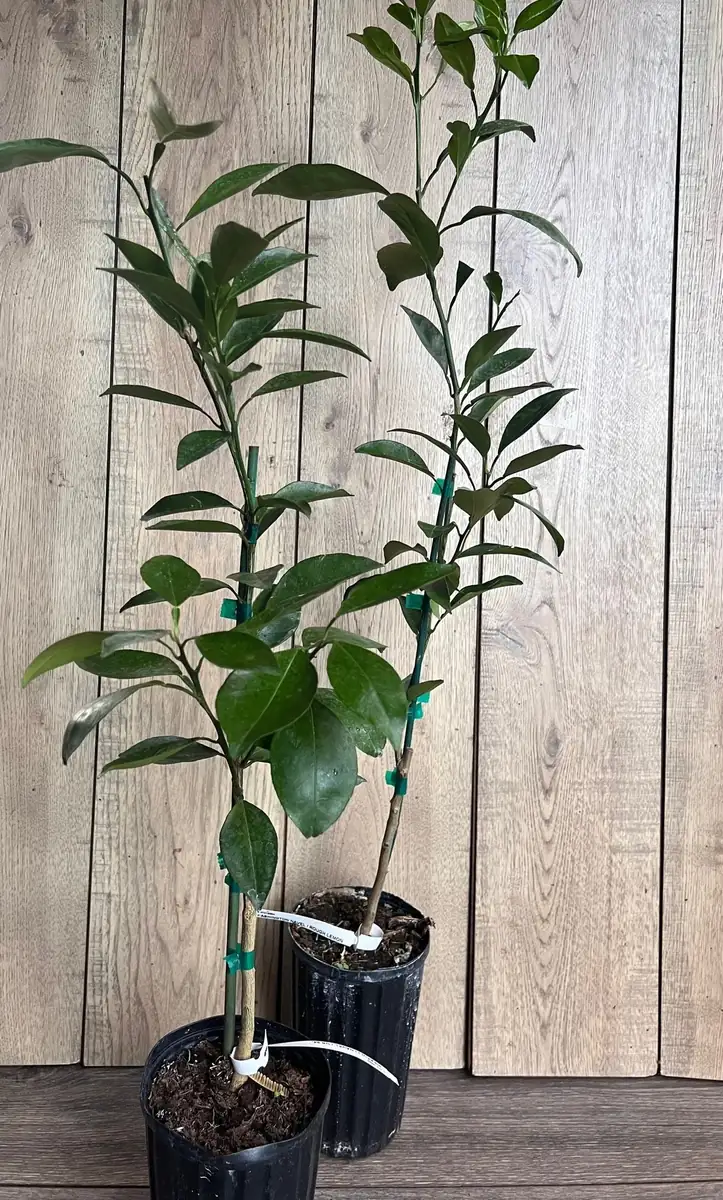
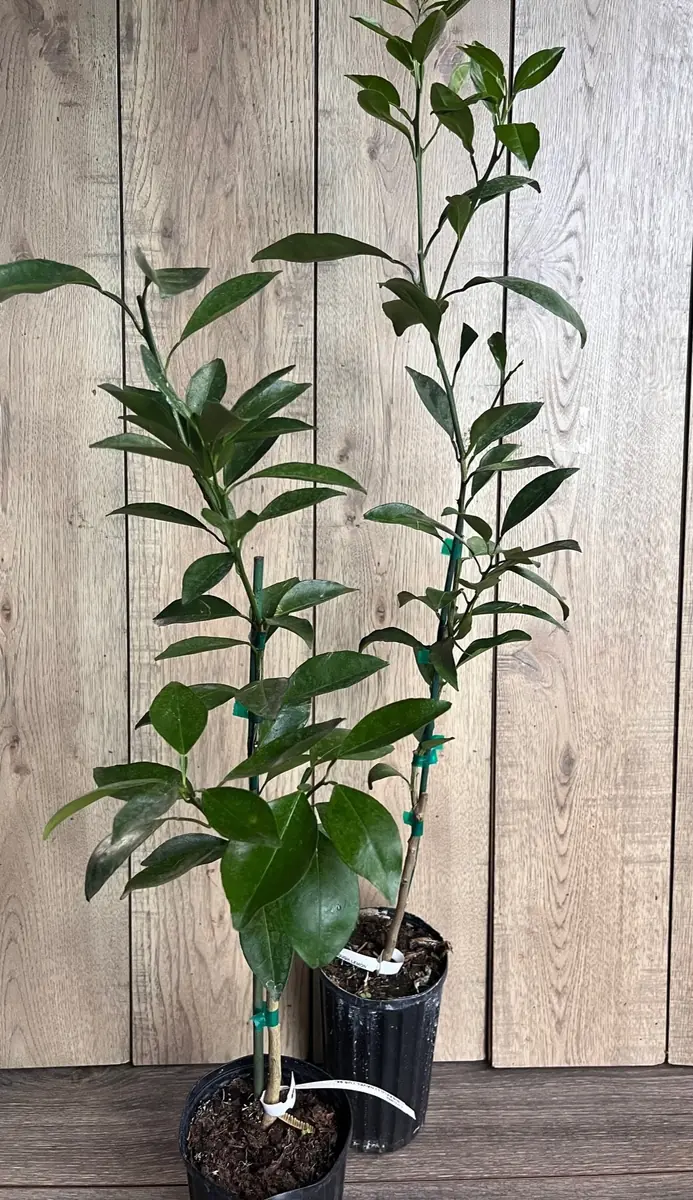
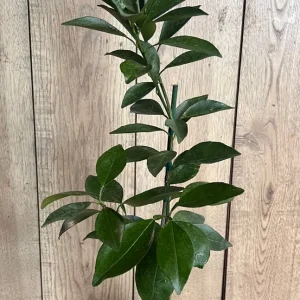
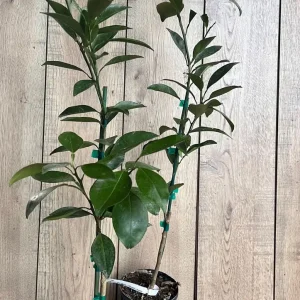
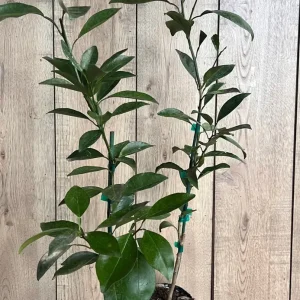
Grafted Kishu Mandarin Tree – Seedless Tangerine Live Plant in 1/2 Gallon Pot No Ship CA,HI
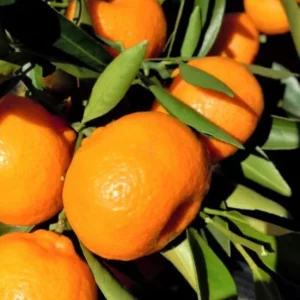
Cultivate your own delightful, seedless citrus with a kishu mandarin tree. This kishu tangerine plant arrives in a 1/2 gallon pot, ready to thrive indoors or out in suitable climates, offering sweet, bite-sized fruit with minimal effort.
Original price was: $120.44.$72.26Current price is: $72.26.

With our Alive & Thrive Guarantee, we’ve got your back for the first 30 days! If you have any concerns about your plants, just reach out to us. Our team is here to help answer your questions and guide you in selecting the best plants for your garden, climate, and unique preferences. We're excited to help you create the garden of your dreams!
Estimated arrival
Mar 22
Mar 27 - Mar 29
Apr 01 - Apr 05
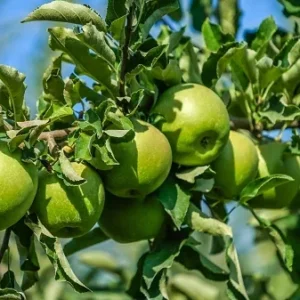
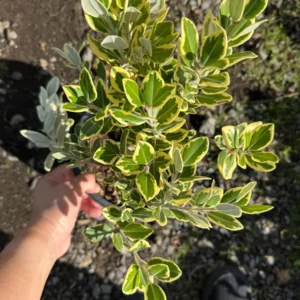
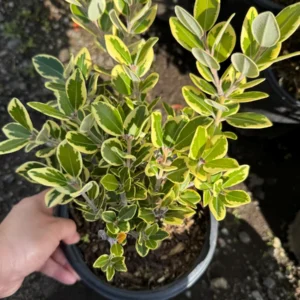
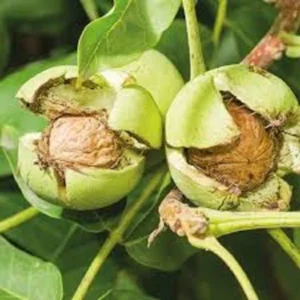
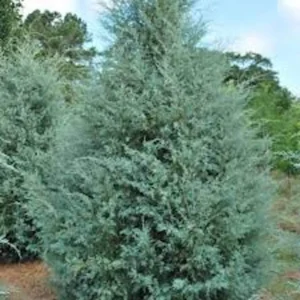
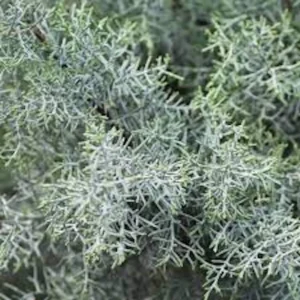
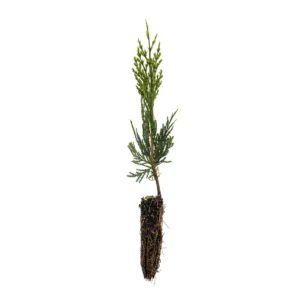
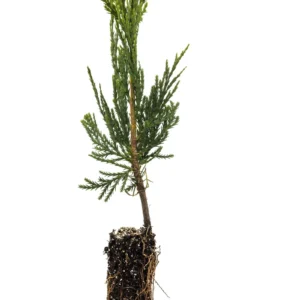


Product Details
-
USDA Hardiness Zone
8-10 (outdoor), suitable for indoor container growing in all zones -
Soil type
Well-draining soil (e.g., citrus or cactus mix for containers) -
Sunlight Exposure
Full sun (at least 6 hours direct sunlight daily) -
Expected Planting Period
Year-round indoors, spring to early summer outdoors
Overview
Bring the joy of homegrown, delicious citrus to your space with a kishu mandarin tree. This exceptional variety is celebrated for its incredibly sweet, entirely seedless, and easy-to-peel fruit, making it a favorite for both seasoned gardeners and beginners. Often referred to as the ‘Kishu Seedless Mandarin‘ or ‘Kishu Tangerine’, this small but mighty citrus tree produces an abundance of bite-sized tangerines packed with flavor and nutrition. Our grafted kishu mandarin tree is a live plant, carefully nurtured to ensure vigorous growth and early fruit production. It’s a fantastic addition to any garden or patio, and with proper care, it can even flourish as an indoor citrus tree in cooler climates. Enjoy the beauty of its glossy green leaves and the fragrant blossoms that precede its delectable harvest.
Key Benefits
The kishu mandarin tree offers numerous advantages that make it a highly desirable plant for any home. From its ease of care to its delightful fruit, you’ll find many reasons to love this particular citrus:
- Exceptional Fruit Quality: The Kishu mandarin is renowned for its superior taste. Each fruit is incredibly sweet, juicy, and completely seedless, offering a convenient and enjoyable snack experience. The small, bite-sized nature of the fruit makes it perfect for children and adults alike.
- Easy to Grow: This kishu tangerine plant is surprisingly low-maintenance. With just basic watering and fertilizing, it thrives and produces abundant fruit. It’s an excellent choice for those new to citrus gardening.
- Versatile Growing Options: Whether you have a spacious garden or a cozy apartment, the Kishu mandarin can adapt. It can be planted directly in the ground in warmer zones or grown beautifully in a container, allowing you to bring it indoors during colder months. This makes growing kishu mandarin accessible to many.
- Ornamental Appeal: Beyond its fruit, the tree itself is highly attractive. It features lush, dark green foliage and fragrant white blossoms, adding a touch of tropical elegance to your landscape or indoor decor.
- Nutritional Powerhouse: These small tangerines are packed with essential vitamins and antioxidants, contributing to a healthy diet. Enjoy a fresh, healthy snack directly from your own tree.
- Fragrant Blooms: In addition to the delicious fruit, the kishu mandarin tree produces wonderfully fragrant white flowers, filling your home or garden with a sweet, citrusy aroma during its blooming season.
- Reliable Producer: Grafted trees like this one are known for their strong root systems and consistent fruit production, ensuring a bountiful harvest year after year under ideal conditions.
Plant Care & Growing Tips
Caring for your kishu mandarin tree is straightforward, ensuring you’ll enjoy its bountiful harvest for years to come. These trees thrive with consistent attention to their basic needs. When it comes to planting, if you live in USDA Zones 8-10, you can plant your tree directly into the ground. For those in colder climates, container planting is an excellent option, allowing you to move the tree indoors before the first freeze. When planting in containers, always use a well-draining soil mix, such as one formulated for cacti or citrus, to prevent root rot. These trees dislike ‘wet feet,’ so proper drainage is crucial.
Sunlight is paramount for the health and productivity of your kishu mandarin tree. As a tropical plant, it requires maximum sun exposure, ideally at least six hours of direct sunlight per day. If you’re growing kishu mandarin indoors, place it in the sunniest window possible and consider supplementing with a grow light, especially during shorter winter days. While direct sun is preferred, be mindful of extreme heat. If temperatures consistently exceed 90°F, particularly for younger trees, some wilting may occur. During such times, providing partial shade can be beneficial, though the wilting usually reverses once temperatures cool. Watering should be consistent but allow the top inch or two of soil to dry out between waterings. Avoid overwatering, which can lead to root issues.
Fertilization is key to a healthy and productive kishu tangerine plant. Like all plants, it requires both macro and micronutrients. Focus on a fertilizer high in nitrogen, as citrus trees are heavy feeders of this element. Look for fertilizers with an N-P-K ratio that emphasizes nitrogen. Regular feeding, especially during the growing season, will support vigorous growth and fruit development. Monitor your tree for any signs of nutrient deficiencies, such as yellowing leaves, and adjust your feeding schedule accordingly. Pruning is generally minimal, focusing on removing dead or crossing branches to maintain good air circulation and shape.
Size & Details
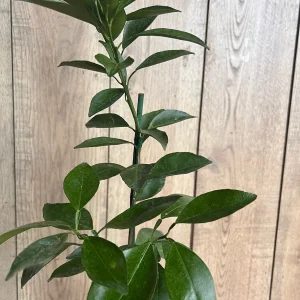
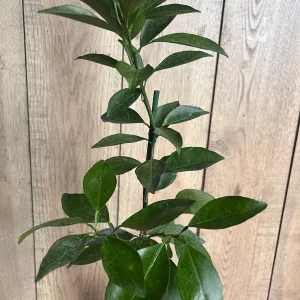
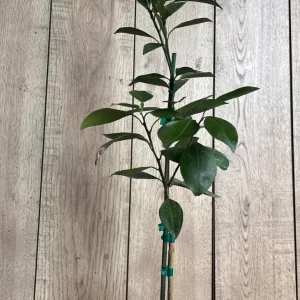
This kishu mandarin tree is a live plant, typically shipped in a 1/2 gallon nursery pot, ready for transplanting into a larger container or directly into the ground. At the time of shipping, the tree will have a healthy root system and established foliage, similar to what you would expect from a young, vigorous plant. Kishu mandarin trees are considered semi-dwarf and can reach heights of 6-10 feet when planted in the ground, though they can be kept smaller through pruning in containers. They have a moderate growth rate, and with proper care, you can expect fruit production within 1-2 years after planting. The small, round fruits are generally 1-2 inches in diameter. Each kishu tangerine plant is carefully packed to ensure it arrives in optimal condition, ready for its new home.
Frequently Asked Questions
- Q: How big does this kishu mandarin tree get? A: When planted in the ground, a Kishu mandarin tree can reach heights of 6-10 feet. If grown in a container, its size can be managed through pruning, typically staying between 4-6 feet tall, making it suitable for patios or indoor spaces.
- Q: What size pot does it come in? A: This kishu tangerine plant is shipped in a 1/2 gallon nursery pot, providing a good head start for its root development. You will need to transplant it into a larger container or directly into the ground upon arrival.
- Q: Is this an indoor or outdoor plant? A: The Kishu mandarin tree can be grown outdoors in USDA Zones 8-10. In colder climates, it is best grown in a container and brought indoors before temperatures drop below freezing, making it an excellent indoor citrus tree option.
- Q: How much sunlight does it need? A: This tree thrives in full sun, requiring at least 6 hours of direct sunlight per day. If grown indoors, place it in your brightest window and consider using a grow light to supplement natural light.
- Q: Is this plant easy to care for? A: Yes, the kishu mandarin tree is considered relatively easy to care for. It requires consistent watering, proper fertilization, and ample sunlight. Its low-maintenance nature makes growing kishu mandarin a rewarding experience for most gardeners.
- Q: What condition will it arrive in? A: Your tree will arrive as a healthy, live plant with an established root system, carefully packaged to ensure minimal stress during transit. It will be ready for immediate transplanting.
- Q: Can I expect fruit the first year? A: While it’s possible to see some fruit in the first year, especially on grafted trees, a significant harvest typically begins in the second or third year after planting, once the tree is more established.
- Q: What type of soil is best for growing kishu mandarin? A: Kishu mandarin trees prefer well-draining soil. For container planting, a specialized citrus potting mix or a well-draining cactus mix is recommended to prevent waterlogging and root rot.
- Q: Will it survive winter in my zone if I live outside zones 8-10? A: If you live outside USDA Zones 8-10, you must protect your kishu mandarin tree from freezing temperatures. This usually means growing it in a container and moving it indoors to a bright, protected location during the colder months.
- Q: How often should I fertilize my kishu mandarin tree? A: During the active growing season (spring and summer), fertilize every 4-6 weeks with a high-nitrogen citrus fertilizer. Reduce frequency in fall and winter. Always follow the specific instructions on your chosen fertilizer product.
Related products
-10%
Original price was: $23.99.$21.59Current price is: $21.59.
-20%
Original price was: $36.00.$28.80Current price is: $28.80.
-10%
Original price was: $80.99.$72.89Current price is: $72.89.
PLANTING & CARE

The Comprehensive Guide to Growing Bay Leaf Plants for a Flavorful Garden
Imagine stepping into your garden, greeted by the earthy aroma of fresh bay leaves, their
09
Feb
Feb

How to Make Comfrey Tea: The Ultimate Organic Plant Food
Growing an organic garden can be surprisingly expensive, especially when most store-bought fertilizers come in
02
Feb
Feb

True Comfrey: 7 Essential Tips Before You Plant This Herb
A staple in permaculture practices across the US, True Comfrey easily earns its reputation as
27
Jan
Jan

7 Heart-Shaped Plants for a Lasting Valentine’s Gift
If you’ve ever bought a bouquet of roses for Valentine’s Day, you know they are
26
Jan
Jan

Best Types of Ivy Plant for Houses: How to Choose the Perfect Ones for Your Home
Are you a garden lover looking to introduce some greenery into your home? Maybe you’ve
14
Nov
Nov

When to Harvest Garlic (Especially Fall-Planted Garlic)
TIMING IS EVERYTHING, they say – and for garlic, that truth hits with surprising accuracy.
13
Nov
Nov

11 of the Best Sweet Potato Varieties to Grow for Your Garden
If you’ve ever tried growing sweet potatoes, you know that picking the right variety can
12
Nov
Nov
Pruning Bougainvillea for Winter
Bougainvillea vines are known for their dazzling display of magenta, orange, and fuchsia bracts that
05
Nov
Nov