Opuntia Prickly Pear Cactus Live Plant – Edible Paddle Cactus in 4″ Pot
-40%
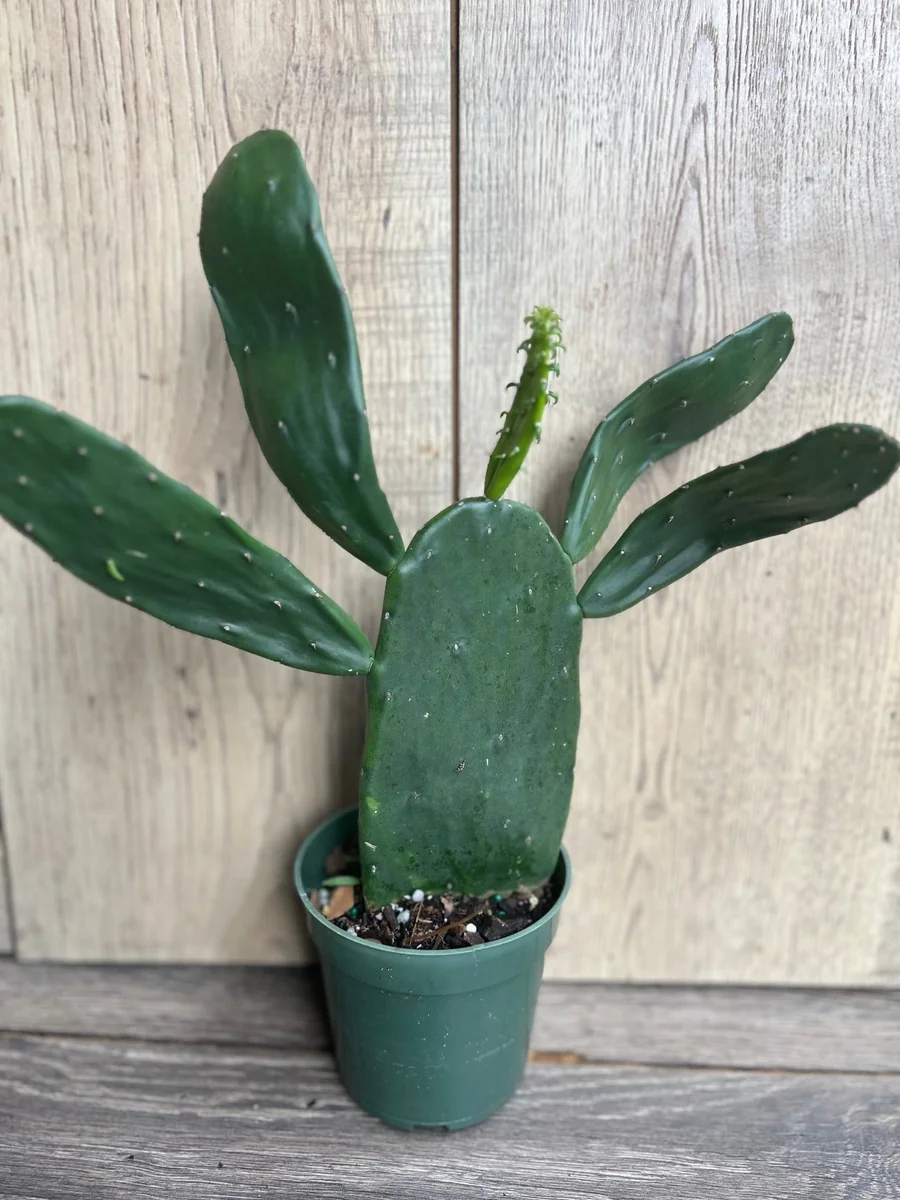
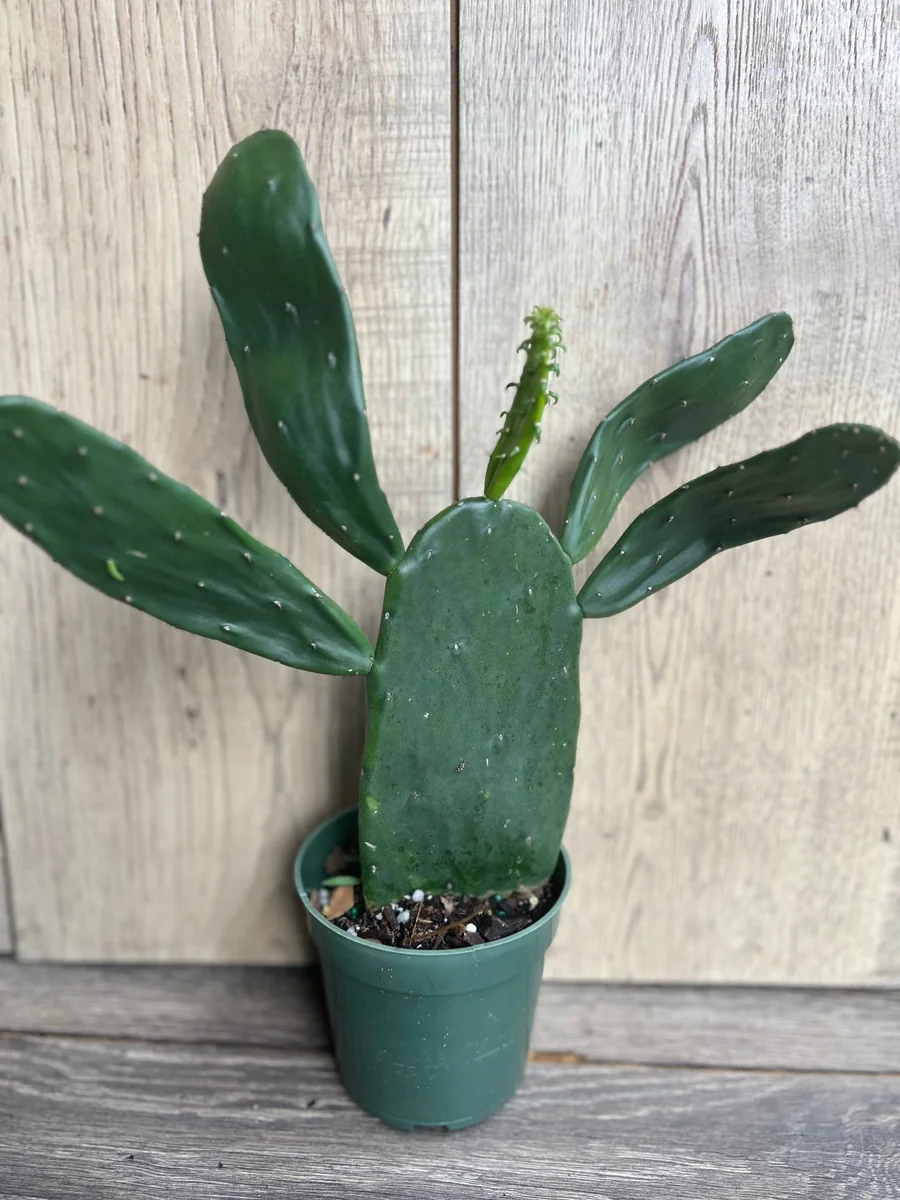
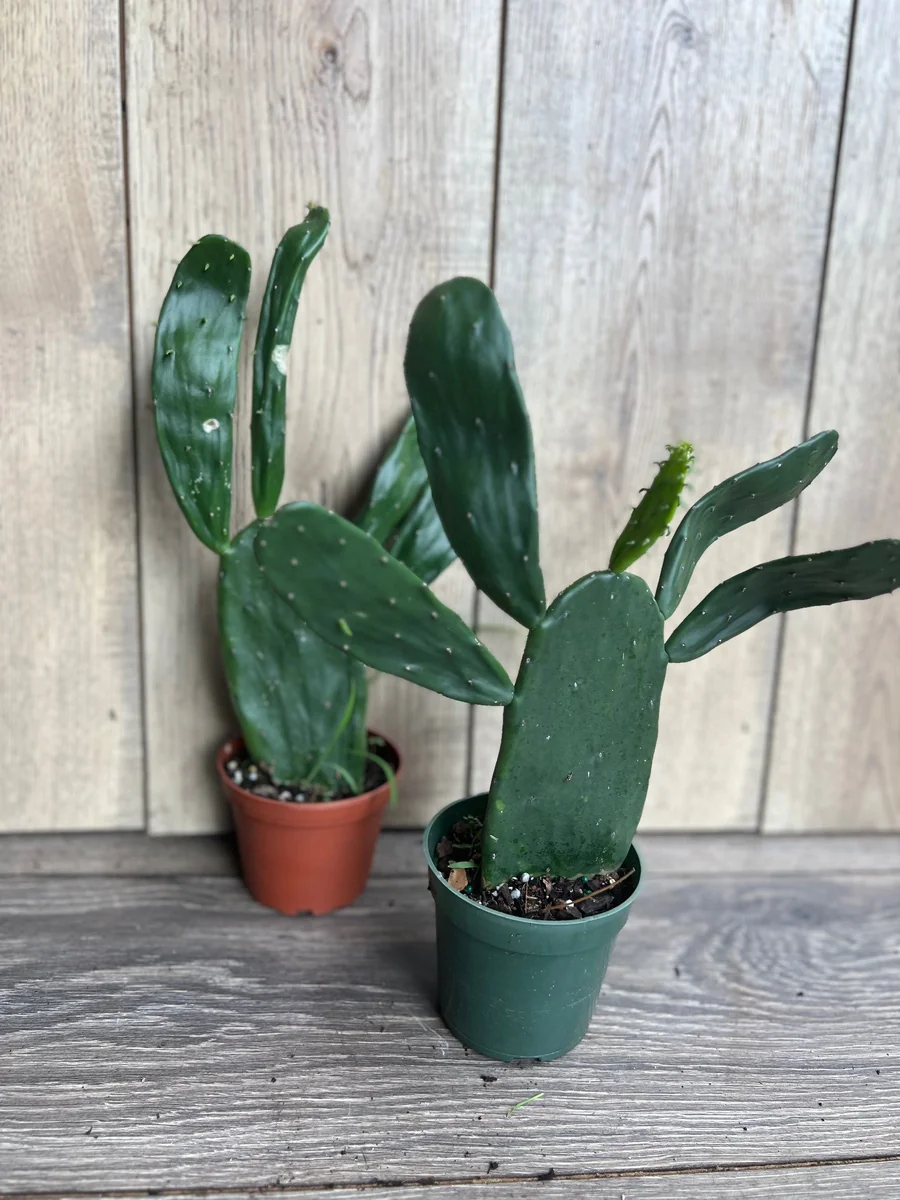
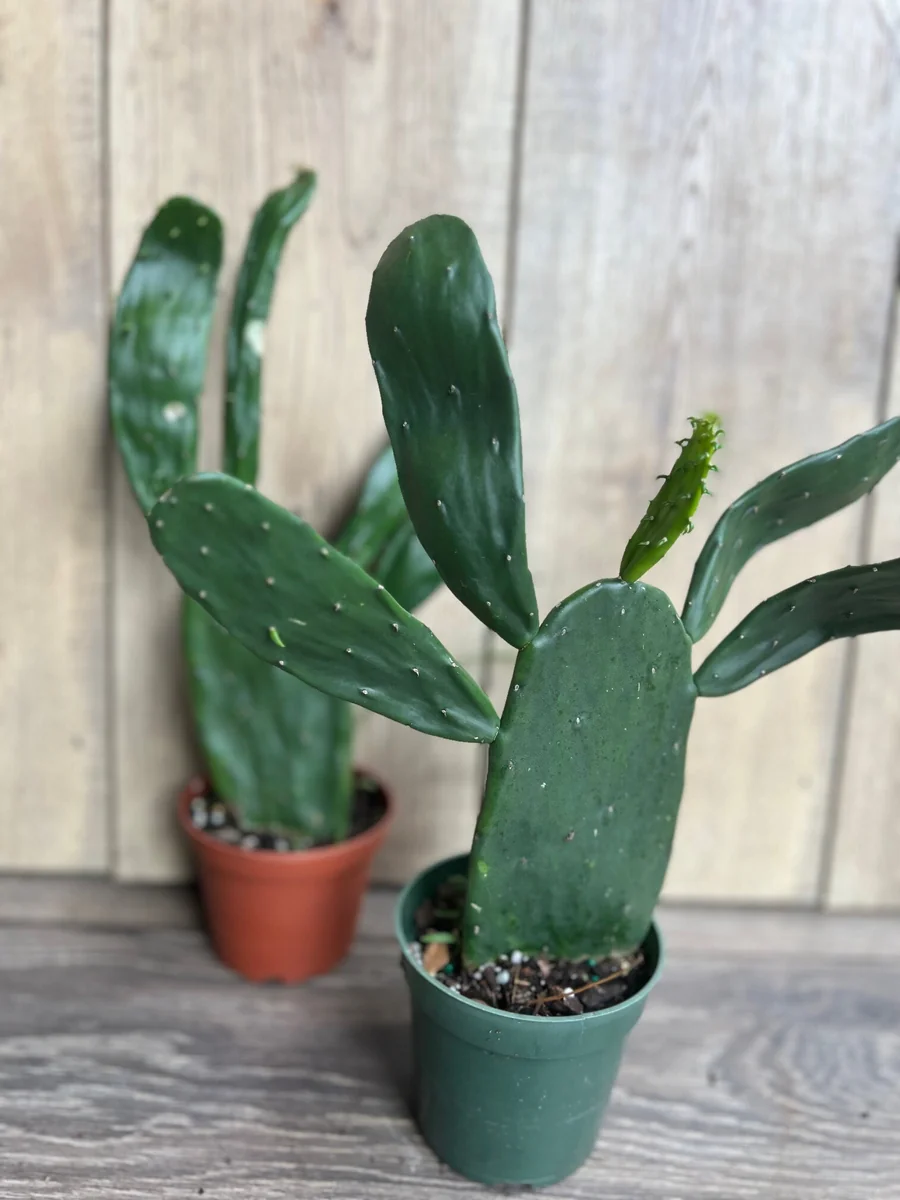
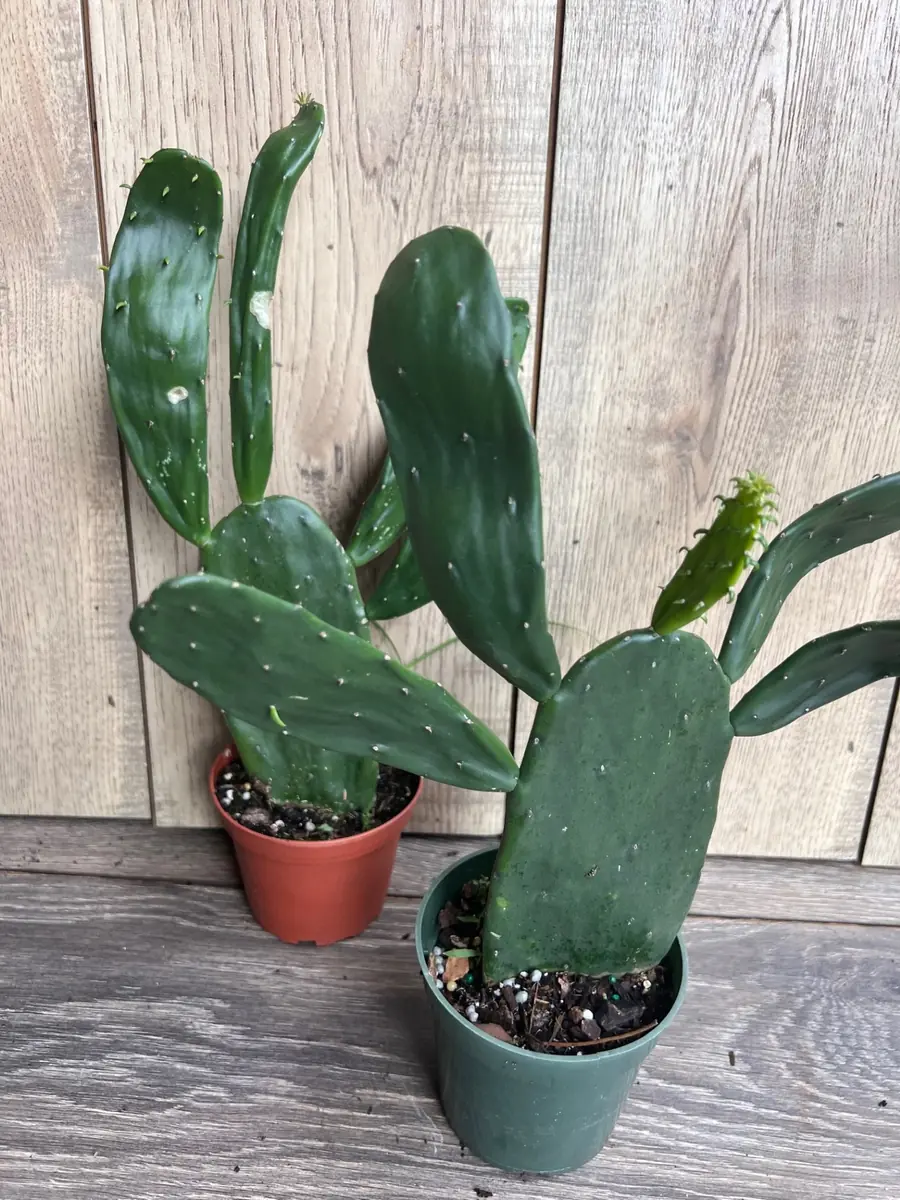
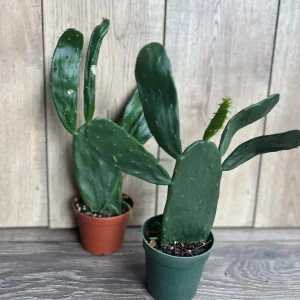
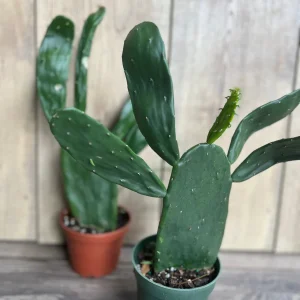
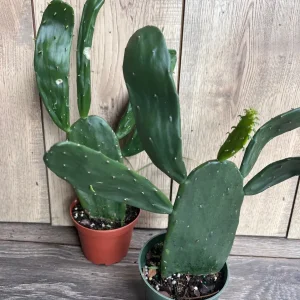
Opuntia Prickly Pear Cactus Live Plant – Edible Paddle Cactus in 4″ Pot
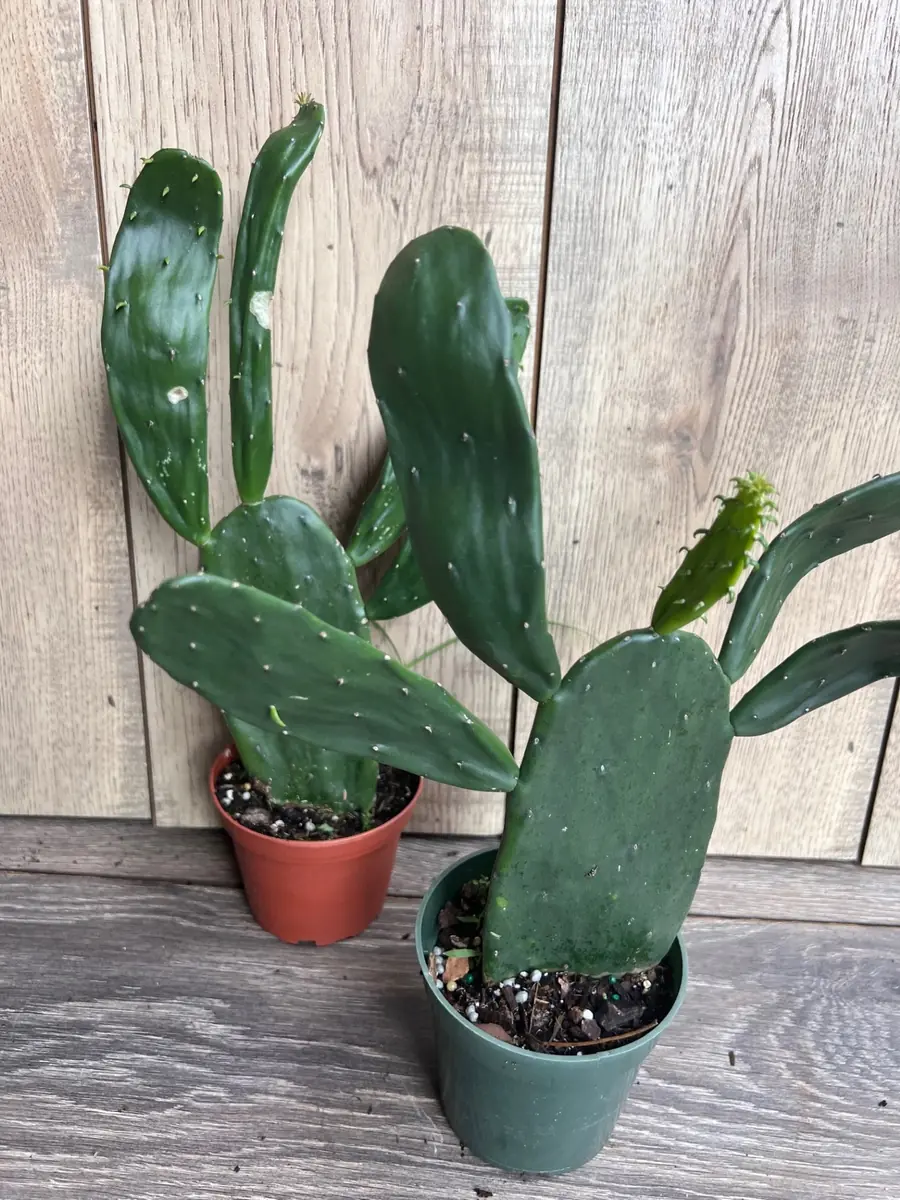
Bring the unique beauty of the desert into your home with this opuntia prickly pear cactus live plant. This 4″ potted specimen, also known as edible paddle cactus, is low-maintenance and can thrive indoors or outdoors, offering distinctive pads and potential for edible fruit.
Original price was: $38.64.$23.18Current price is: $23.18.

With our Alive & Thrive Guarantee, we’ve got your back for the first 30 days! If you have any concerns about your plants, just reach out to us. Our team is here to help answer your questions and guide you in selecting the best plants for your garden, climate, and unique preferences. We're excited to help you create the garden of your dreams!
Estimated arrival
Mar 23
Mar 28 - Mar 30
Apr 02 - Apr 06
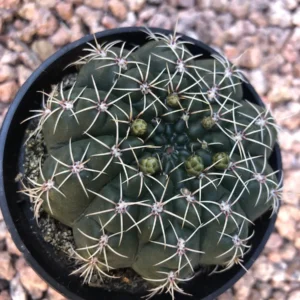
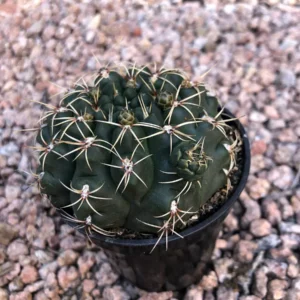
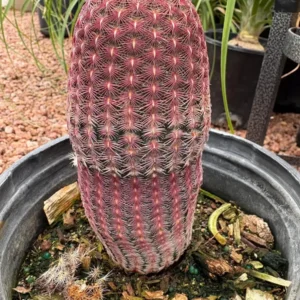
Product Details
-
USDA Hardiness Zone
USDA zones 9–11 (or indoors) -
Soil type
Well-draining cactus & succulent mix -
Sunlight Exposure
Bright indirect light to Full sun -
Expected Planting Period
Year-round indoors, Spring to Summer outdoors
Overview
Discover the fascinating world of desert flora with our opuntia prickly pear cactus live plant. This unique succulent, often referred to as nopales or paddle cactus, arrives in a convenient 4″ pot, ready to bring a touch of the arid landscape to your indoor or outdoor space. Opuntia is a diverse genus within the Cactaceae family, known for its distinctive flattened stems, called cladodes or pads, which are both ornamental and, in many varieties, edible. This particular plant is a robust and visually striking specimen, perfect for gardeners looking for something out of the ordinary. Its intriguing form and potential for vibrant flowers and fruits make it a captivating addition to any plant collection. Whether you’re a seasoned succulent enthusiast or a beginner, the prickly pear offers an engaging and rewarding growing experience.
Known for its resilience and striking appearance, the opuntia prickly pear cactus is a true marvel of nature. Its ability to thrive in various conditions, coupled with its historical and culinary significance, makes it more than just a decorative plant. Native Americans traditionally utilized this plant for its healing properties, including anti-inflammatory and antibacterial uses. Our live plant provides an opportunity to cultivate a piece of history and natural medicine in your own home. It’s a living conversation starter, a unique garden accent, and a potential source of edible goodness, all in one compact package.
Key Benefits
Cultivating an opuntia prickly pear cactus offers a myriad of advantages, from its striking aesthetics to its practical uses. This versatile plant is not only beautiful but also surprisingly functional, making it a valuable addition to your indoor plantscape or outdoor garden.
- Unique Ornamental Appeal: The flattened, paddle-like stems of the prickly pear create a distinctive architectural silhouette, adding modern desert charm to any setting. Its unusual form stands out among other succulents and houseplants.
- Edible Pads and Fruit: Many varieties of Opuntia produce edible pads (nopales) and fruits (tunas). With careful preparation to remove spines, you can enjoy these nutritious parts, adding a unique ingredient to your culinary adventures. Learning about edible paddle cactus can open up new cooking possibilities.
- Drought-Tolerant & Low Maintenance: As a desert native, this cactus requires minimal watering and thrives on neglect, making it an ideal choice for busy individuals or those new to plant care. Its resilience is a major benefit, especially for those interested in prickly pear care.
- Air Purification: Like many plants, the prickly pear contributes to a healthier indoor environment by absorbing carbon dioxide and releasing oxygen, improving air quality in your home or office.
- Adaptable to Various Climates: While preferring warmer climates, this plant can be grown in a large pot and brought indoors during cooler months, allowing plant lovers in diverse grow zones to enjoy its beauty. This makes growing opuntia indoors a viable option for many.
- Historical & Medicinal Value: Historically used by Native Americans for its anti-inflammatory and antibacterial properties, this plant connects you to ancient traditions and natural remedies. The nopales plant has a rich cultural heritage.
- Conversation Starter: Its unusual appearance and interesting properties make it a fantastic focal point and a great topic of discussion among guests.
Plant Care & Growing Tips
Caring for your opuntia prickly pear cactus is relatively straightforward, as these plants are known for their hardiness and adaptability. Providing the right conditions will ensure a thriving and beautiful specimen. When considering prickly pear care, remember its desert origins.
Sunlight: The prickly pear cactus thrives in bright indirect light to full sun. While it can tolerate less sun than many other desert plants, it prefers abundant light to encourage robust growth and potential flowering. If transitioning from a lower light environment, slowly acclimate your plant to brighter conditions to prevent sunburn. For indoor placement, a south-facing window is ideal. Ensure it receives at least 6 hours of bright light daily, whether natural or supplemented with grow lights.
Watering: Overwatering is the biggest threat to cacti. This plant only needs to be thoroughly watered once a month during its active growing season in spring and summer. During the cooler months (fall and winter), reduce watering significantly to once every two months. Always allow the soil to dry out completely between waterings. When you do water, soak the soil until water drains from the bottom, then discard any excess water from the saucer. This careful approach is key to successful growing opuntia indoors.
Soil: Use a well-draining potting mix specifically formulated for cacti and succulents. This type of soil prevents waterlogging, which can lead to root rot. A good mix will often contain perlite, pumice, or coarse sand to improve drainage. Ensure the pot has drainage holes. The ideal soil pH is slightly acidic to neutral.
Temperature & Humidity: Opuntia species generally prefer warm temperatures, ideally between 65-85°F (18-29°C). They are quite tolerant of dry air, so no special humidity requirements are needed. If growing outdoors, protect them from frost; they can be brought indoors during cooler climates. Many varieties are suitable for USDA zones 9-11 outdoors, but container growing allows for wider enjoyment.
Fertilization: Fertilize sparingly. During the spring and summer growing season, you can feed your nopales plant with a balanced, liquid cactus fertilizer diluted to half strength once every 2-4 weeks. Do not fertilize during fall and winter when the plant is dormant.
Pests & Problems: Prickly pear cacti are generally pest-resistant. However, watch out for common succulent pests like mealybugs or scale insects. Treat any infestations promptly with insecticidal soap or neem oil. Ensure good air circulation to prevent fungal issues, especially in humid environments.
Size & Details
This offering includes one healthy opuntia prickly pear cactus live plant, carefully selected to resemble the vibrant plants pictured. It comes pre-potted in a 4″ nursery pot, providing a stable and established start for its new home. The plant’s size will vary slightly due to natural growth, but it will be a robust specimen suitable for immediate display or transplanting. Opuntia can grow quite large over time in ideal conditions, with pads reaching several inches in length and the overall plant forming a substantial shrub. However, when kept in a pot, its growth can be managed, making it suitable for smaller spaces and indoor environments. Expect a moderate growth rate, allowing you to enjoy its development over the seasons. The plant is shipped with care to ensure it arrives in excellent condition, ready to thrive.
Frequently Asked Questions
- Q: How big does this plant get? A: In its 4″ pot, the plant is a compact size. If repotted into a larger container or planted in the ground in suitable climates, an opuntia prickly pear cactus can grow quite large, potentially reaching several feet in height and width, depending on the specific variety and growing conditions.
- Q: Is this an indoor or outdoor plant? A: This versatile plant can thrive both indoors and outdoors. It’s an excellent indoor houseplant in all climates, especially when placed near a bright window. In warmer climates (USDA zones 9-11), it can be grown outdoors year-round. For cooler zones, it can be grown outdoors in summer and brought inside for winter. This makes growing opuntia indoors a popular choice.
- Q: How much sunlight does it need? A: The prickly pear cactus requires bright indirect light to full sun. For optimal health and growth, aim for at least 6 hours of bright light daily. If indoors, a south-facing window is usually best.
- Q: Is this plant easy to care for? A: Yes, the edible paddle cactus is considered relatively easy to care for, especially for those new to succulents. Its drought tolerance means less frequent watering, and it generally requires minimal attention once its light needs are met.
- Q: What condition will it arrive in? A: Your plant will arrive as a healthy, established live plant in its 4″ nursery pot. It will be carefully packaged to minimize stress during transit, ensuring it reaches you in good condition.
- Q: Can I eat the pads and fruit of this prickly pear? A: Many varieties of Opuntia have edible pads (nopales) and fruits (tunas). While this plant is from an edible variety, always exercise caution when handling due to spines and research proper preparation methods before consumption. This is a key aspect of the nopales plant.
- Q: How often should I water my prickly pear? A: Water sparingly. During spring and summer, water thoroughly once a month, allowing the soil to dry completely between waterings. In fall and winter, reduce watering to once every two months.
- Q: What kind of soil is best for prickly pear care? A: A well-draining cactus and succulent potting mix is essential. This type of soil prevents water from pooling around the roots, which can cause rot.
- Q: Will it survive winter in my zone? A: If you live in USDA zones 9-11, this plant can typically survive winter outdoors. In colder zones, it’s recommended to grow it in a container and bring it indoors before the first frost to protect it from freezing temperatures.
- Q: Is this plant pet-safe? A: While the plant itself is not known to be toxic, the spines can be a hazard to pets. It’s best to keep this plant out of reach of curious animals.
Related products
-97%
Original price was: $316.80.$9.92Current price is: $9.92.
-30%
Original price was: $49.98.$34.98Current price is: $34.98.
-30%
Original price was: $79.98.$55.98Current price is: $55.98.
-30%
Original price was: $79.98.$55.98Current price is: $55.98.
-30%
Original price was: $79.98.$55.98Current price is: $55.98.
PLANTING & CARE

The Comprehensive Guide to Growing Bay Leaf Plants for a Flavorful Garden
Imagine stepping into your garden, greeted by the earthy aroma of fresh bay leaves, their
09
Feb
Feb

How to Make Comfrey Tea: The Ultimate Organic Plant Food
Growing an organic garden can be surprisingly expensive, especially when most store-bought fertilizers come in
02
Feb
Feb

True Comfrey: 7 Essential Tips Before You Plant This Herb
A staple in permaculture practices across the US, True Comfrey easily earns its reputation as
27
Jan
Jan

7 Heart-Shaped Plants for a Lasting Valentine’s Gift
If you’ve ever bought a bouquet of roses for Valentine’s Day, you know they are
26
Jan
Jan

Best Types of Ivy Plant for Houses: How to Choose the Perfect Ones for Your Home
Are you a garden lover looking to introduce some greenery into your home? Maybe you’ve
14
Nov
Nov

When to Harvest Garlic (Especially Fall-Planted Garlic)
TIMING IS EVERYTHING, they say – and for garlic, that truth hits with surprising accuracy.
13
Nov
Nov

11 of the Best Sweet Potato Varieties to Grow for Your Garden
If you’ve ever tried growing sweet potatoes, you know that picking the right variety can
12
Nov
Nov
Pruning Bougainvillea for Winter
Bougainvillea vines are known for their dazzling display of magenta, orange, and fuchsia bracts that
05
Nov
Nov