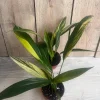
Fiddle Leaf Fig Tree Live Plant – Ficus Lyrata – 2 Gallon Pot – Indoor Houseplant

Fiddle Leaf Fig Tree Live Plant – Ficus Lyrata – 2 Gallon Pot – Indoor Houseplant
Elevate your indoor space with a beautiful fiddle leaf fig live plant. This popular ficus lyrata care plant, known for its striking, violin-shaped leaves, arrives in a 2-gallon pot, ready to thrive as a centerpiece in your home. Perfect for adding a touch of tropical greenery and sophisticated style.
$0.00

With our Alive & Thrive Guarantee, we’ve got your back for the first 30 days! If you have any concerns about your plants, just reach out to us. Our team is here to help answer your questions and guide you in selecting the best plants for your garden, climate, and unique preferences. We're excited to help you create the garden of your dreams!
Estimated arrival
Mar 23
Mar 28 - Mar 30
Apr 02 - Apr 06

Product Details
-
USDA Hardiness Zone
USDA zones 9-11 (outdoors); year-round indoors -
Soil type
Well-draining potting mix -
Sunlight Exposure
Bright indirect light -
Expected Planting Period
Year-round indoors
Overview
Transform your living space with the iconic fiddle leaf fig live plant. Revered for its dramatic, large, and glossy violin-shaped leaves, the Ficus lyrata is a statement piece that brings a touch of the tropics indoors. This particular specimen arrives as a healthy, thriving plant in a 2-gallon nursery pot, ready to be placed in your favorite decorative planter. Originating from the rainforests of West Africa, the fiddle leaf fig live plant has become a staple in modern interior design, celebrated for its architectural form and vibrant green foliage. It’s more than just a plant; it’s a living piece of art that can elevate the aesthetic of any room, from minimalist to bohemian, creating a focal point that captures attention and admiration. Many plant enthusiasts consider the fiddle leaf fig live plant a rewarding challenge, as its specific care requirements lead to a truly magnificent display when met.
Key Benefits
Beyond its undeniable beauty, the Fiddle Leaf Fig offers several advantages that make it a cherished addition to any home. Its presence can enhance both visual appeal and the overall ambiance of your indoor environment.
- Stunning Aesthetic Appeal: The large, uniquely shaped leaves of the fiddle leaf fig live plant create an instant focal point, adding architectural interest and a lush, tropical feel to any room. Its upright growth habit makes it ideal for filling vertical spaces.
- Air Purification Qualities: Like many houseplants, the Ficus lyrata contributes to a healthier indoor environment by naturally filtering airborne toxins and producing oxygen, leading to fresher air quality in your home.
- Enhances Interior Design: Its bold form and rich green color make it a favorite among interior designers. A well-placed indoor fig tree can tie a room together, adding a vibrant organic element that complements various decor styles.
- Rewarding Growth Experience: While it has specific needs, successfully caring for a fiddle leaf fig live plant and watching it flourish is incredibly satisfying, offering a sense of accomplishment for plant enthusiasts.
- Impressive Size Potential: With proper care, this plant can grow quite tall, becoming an impressive, statuesque feature that continues to grow and adapt with your space.
Plant Care & Growing Tips
Caring for a Fiddle Leaf Fig requires attention to detail, but the rewards are well worth the effort. Understanding its preferences for light, water, and soil will ensure your ficus lyrata care routine leads to a thriving, beautiful plant.
Sunlight Requirements: This plant thrives in bright, indirect light. Place it near a south or west-facing window where it can receive several hours of bright, filtered sunlight. Direct, harsh sunlight can scorch its leaves, while too little light can lead to stunted growth and leaf drop. Rotate your plant every few weeks to ensure even growth and light exposure on all sides. An ideal spot for your large leaf houseplant would be a few feet away from a sunny window or in a room with ample natural light.
Watering Schedule & Soil Moisture: Water thoroughly when the top 2-3 inches of soil feel dry to the touch. Ensure good drainage to prevent root rot, which is a common issue for Fiddle Leaf Figs. Allow excess water to drain completely from the bottom of the pot. Overwatering is a more common problem than underwatering. During winter, reduce watering frequency as the plant’s growth slows. Consistent moisture, without being waterlogged, is key for healthy ficus lyrata care.
Soil Type & Drainage: Use a well-draining potting mix. A good quality indoor potting soil amended with perlite or orchid bark will provide the aeration and drainage this plant needs. The pot must have drainage holes to prevent water from accumulating at the bottom, which can lead to root rot. Repotting should be done every 1-2 years or when the plant becomes root-bound, ideally in spring.
Temperature Range & USDA Hardiness Zone: Fiddle Leaf Figs prefer warm, consistent temperatures between 65-75°F (18-24°C). Avoid sudden temperature fluctuations, cold drafts, or placement near air conditioning vents. As a tropical plant, it is not frost-tolerant and is best grown indoors in most climates. For outdoor cultivation, it is suitable for USDA zones 9-11, where temperatures rarely drop below freezing.
Fertilization: Fertilize your fig plant for home during the growing season (spring and summer) every 2-4 weeks with a balanced liquid fertilizer diluted to half strength. Reduce or stop fertilizing during the fall and winter months when the plant is dormant. Over-fertilization can burn the roots, so always follow product instructions.
Common Problems & Solutions: Yellowing leaves often indicate overwatering or nutrient deficiency. Brown spots can be a sign of underwatering or bacterial leaf spot. Leaf drop can be caused by various stressors, including changes in environment, overwatering, or insufficient light. Regularly inspect your plant for pests like spider mites or mealybugs and treat promptly with insecticidal soap if detected.
Size & Details
This magnificent fiddle leaf fig live plant arrives in a robust 2-gallon nursery pot, providing ample space for its initial growth and establishment. At the time of shipment, the plant typically stands approximately 2-3 feet tall from the base of the pot, with a spread of 12-18 inches, making it an immediate focal point in any room. Its growth rate is considered moderate, and with optimal ficus lyrata care, it can quickly add significant height and volume, potentially reaching heights of 6-10 feet indoors over several years. The plant will be carefully packaged to ensure minimal stress during transit, arriving healthy and ready to thrive in its new home. Expect a well-developed root system and several large, vibrant leaves characteristic of a healthy large leaf houseplant.
Frequently Asked Questions
- Q: How big does this plant get? A: This fiddle leaf fig live plant typically arrives around 2-3 feet tall in its 2-gallon pot. With good care, it can grow to 6-10 feet or more indoors, becoming a stunning, tree-like specimen over time.
- Q: Is this an indoor or outdoor plant? A: The Fiddle Leaf Fig is primarily grown as an indoor houseplant in most climates. It can be moved outdoors in warm, humid conditions during summer, but must be brought inside before temperatures drop below 50°F (10°C).
- Q: How much sunlight does it need? A: This fig plant for home requires bright, indirect light. Place it near a window with filtered light, avoiding direct harsh sun which can scorch its leaves. Too little light will cause stunted growth and leaf drop.
- Q: Is this plant easy to care for? A: While not the easiest houseplant, with consistent ficus lyrata care and attention to its specific needs for light, water, and humidity, it can thrive beautifully. It’s considered a rewarding challenge for intermediate plant parents.
- Q: What condition will it arrive in? A: Your fiddle leaf fig live plant will be carefully packaged to ensure it arrives healthy and in excellent condition, ready to be unboxed and placed in its new home. We take great care to protect the foliage and root system during transit.
- Q: How often should I water my Fiddle Leaf Fig? A: Water your large leaf houseplant when the top 2-3 inches of soil feel dry to the touch. Ensure the pot has drainage holes to prevent waterlogging, which can lead to root rot. Adjust frequency based on humidity and season.
- Q: Can I use a regular potting mix for my Fiddle Leaf Fig? A: It’s best to use a well-draining potting mix, ideally one formulated for indoor plants, or amend regular potting soil with perlite or orchid bark to improve drainage and aeration, which is crucial for healthy fig plant for home roots.
Related products
-35%
Original price was: $29.80.$19.36Current price is: $19.36.
-30%
Original price was: $13.98.$9.78Current price is: $9.78.
-30%
Original price was: $25.98.$18.18Current price is: $18.18.
-25%
Original price was: $16.80.$12.60Current price is: $12.60.
PLANTING & CARE

The Comprehensive Guide to Growing Bay Leaf Plants for a Flavorful Garden
Imagine stepping into your garden, greeted by the earthy aroma of fresh bay leaves, their
09
Feb
Feb

How to Make Comfrey Tea: The Ultimate Organic Plant Food
Growing an organic garden can be surprisingly expensive, especially when most store-bought fertilizers come in
02
Feb
Feb

True Comfrey: 7 Essential Tips Before You Plant This Herb
A staple in permaculture practices across the US, True Comfrey easily earns its reputation as
27
Jan
Jan

7 Heart-Shaped Plants for a Lasting Valentine’s Gift
If you’ve ever bought a bouquet of roses for Valentine’s Day, you know they are
26
Jan
Jan

Best Types of Ivy Plant for Houses: How to Choose the Perfect Ones for Your Home
Are you a garden lover looking to introduce some greenery into your home? Maybe you’ve
14
Nov
Nov

When to Harvest Garlic (Especially Fall-Planted Garlic)
TIMING IS EVERYTHING, they say – and for garlic, that truth hits with surprising accuracy.
13
Nov
Nov

11 of the Best Sweet Potato Varieties to Grow for Your Garden
If you’ve ever tried growing sweet potatoes, you know that picking the right variety can
12
Nov
Nov
Pruning Bougainvillea for Winter
Bougainvillea vines are known for their dazzling display of magenta, orange, and fuchsia bracts that
05
Nov
Nov