Manila Mango Live Plant – Grafted – 10 inch Pot – Tropical Fruit Tree
-40%
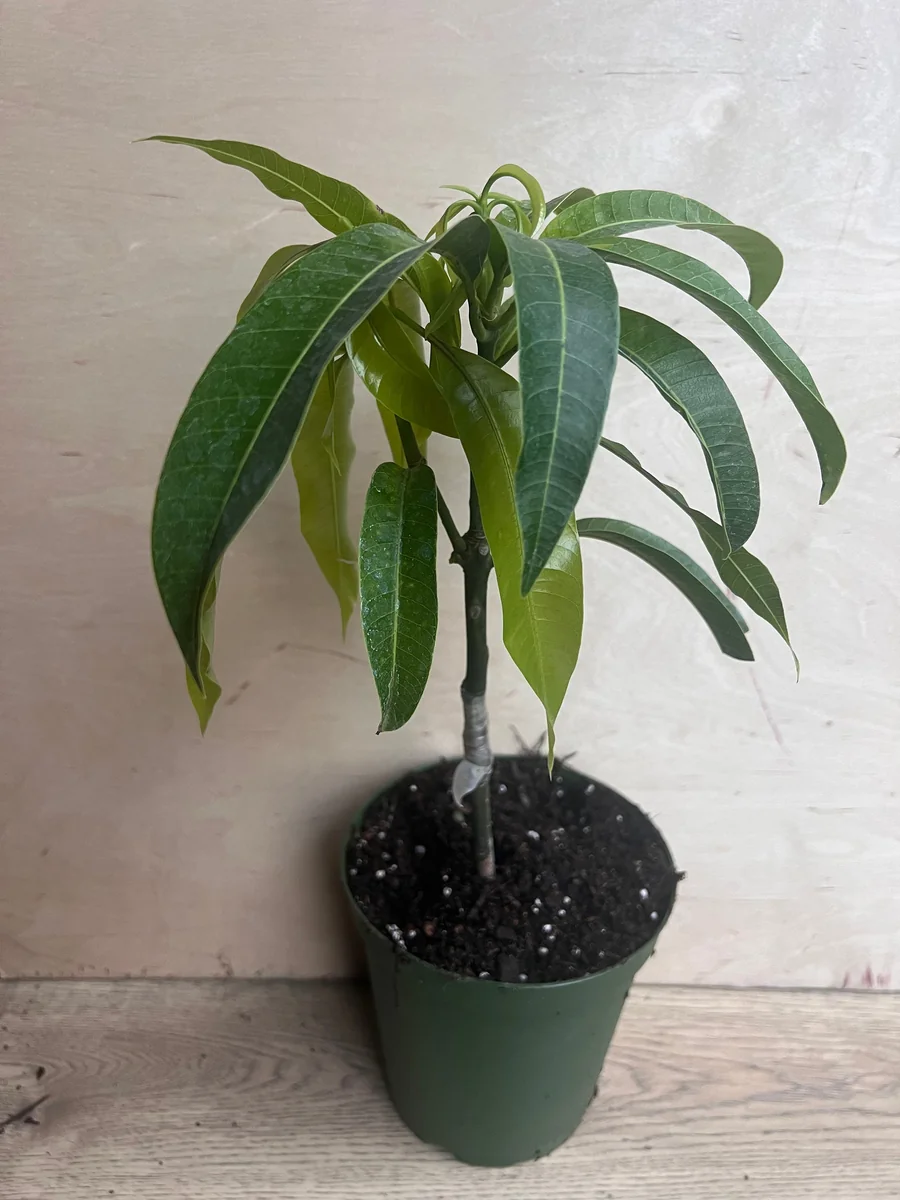
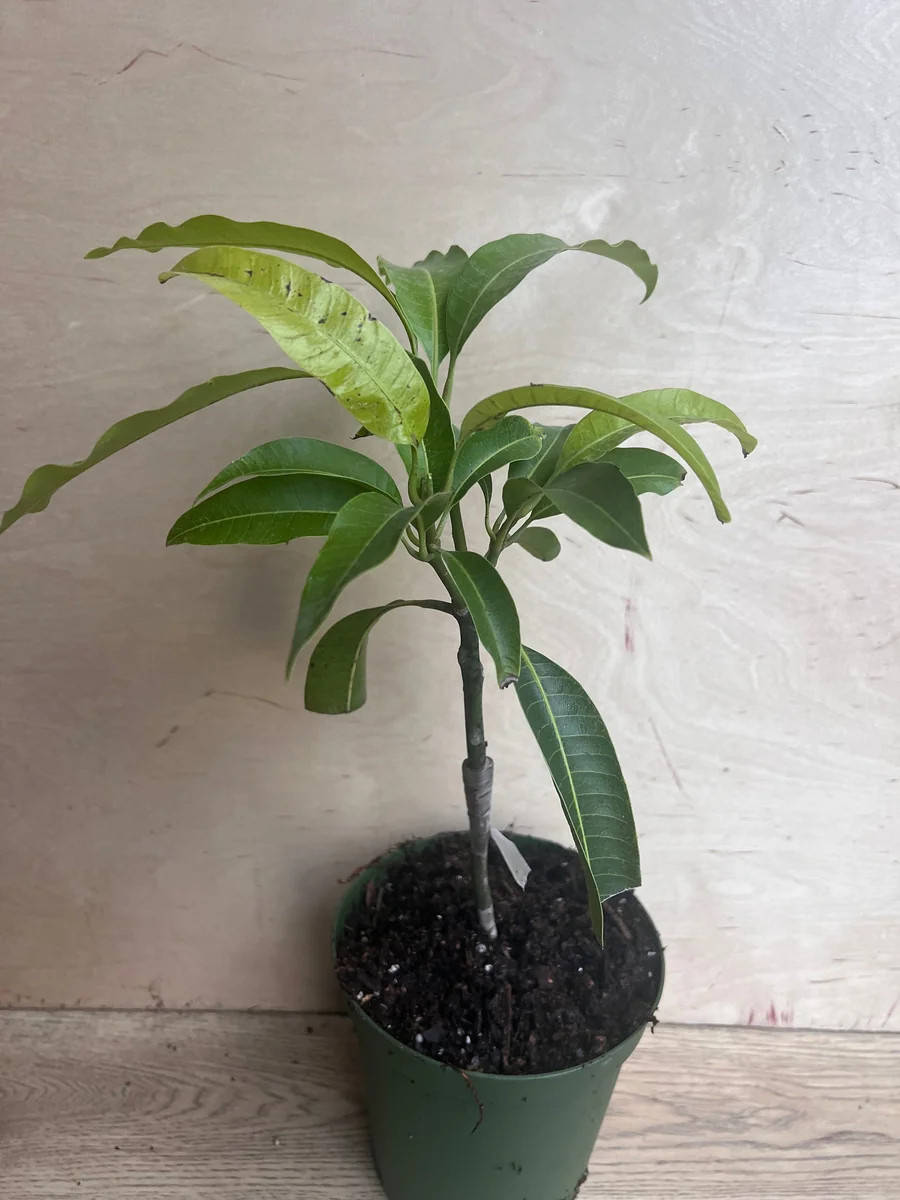
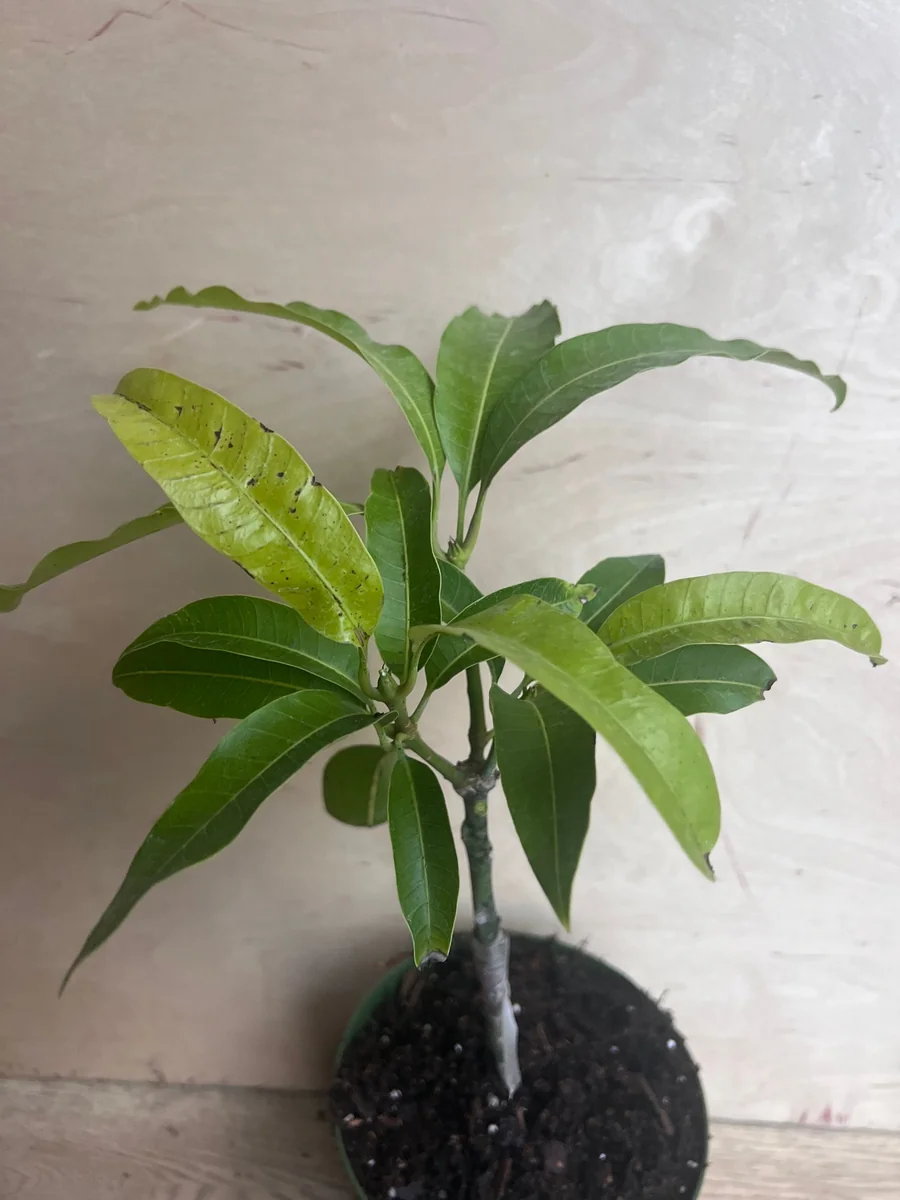
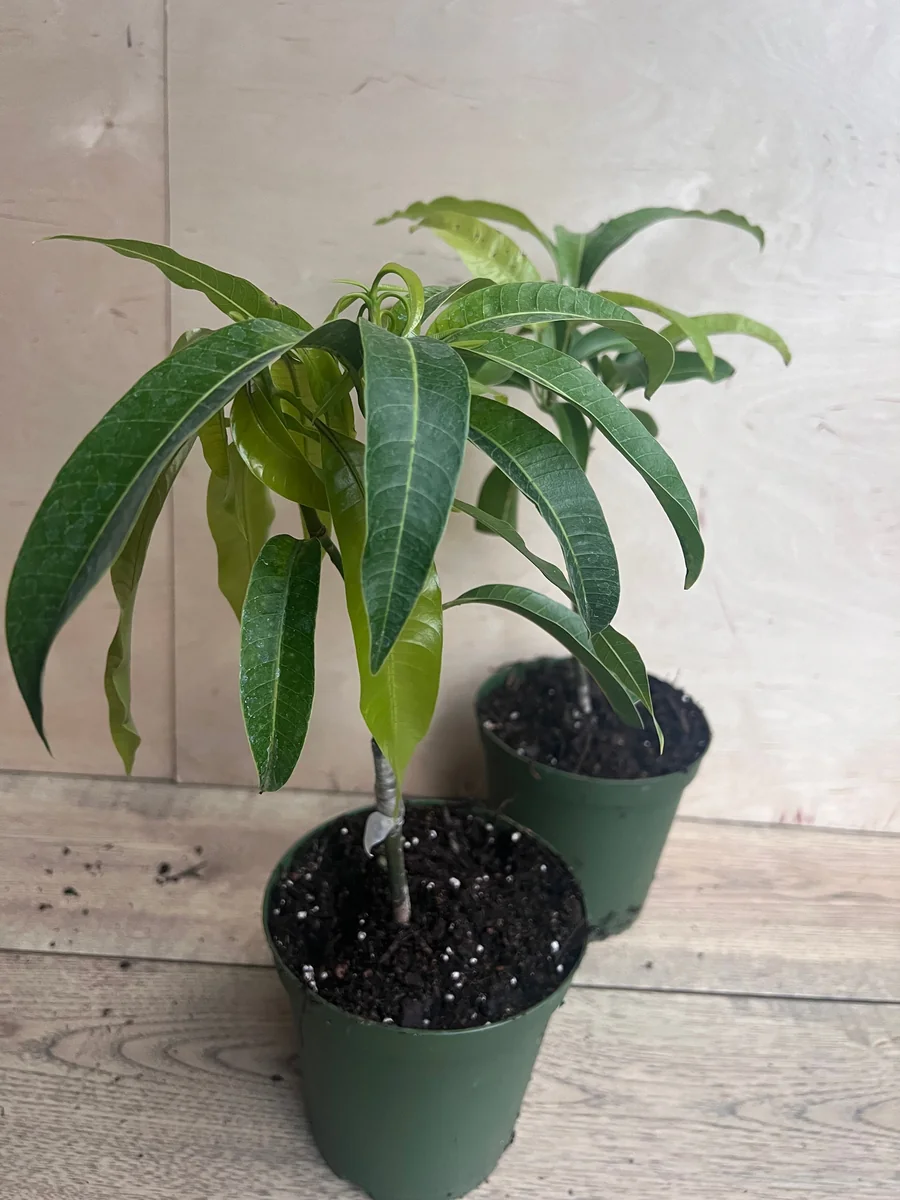
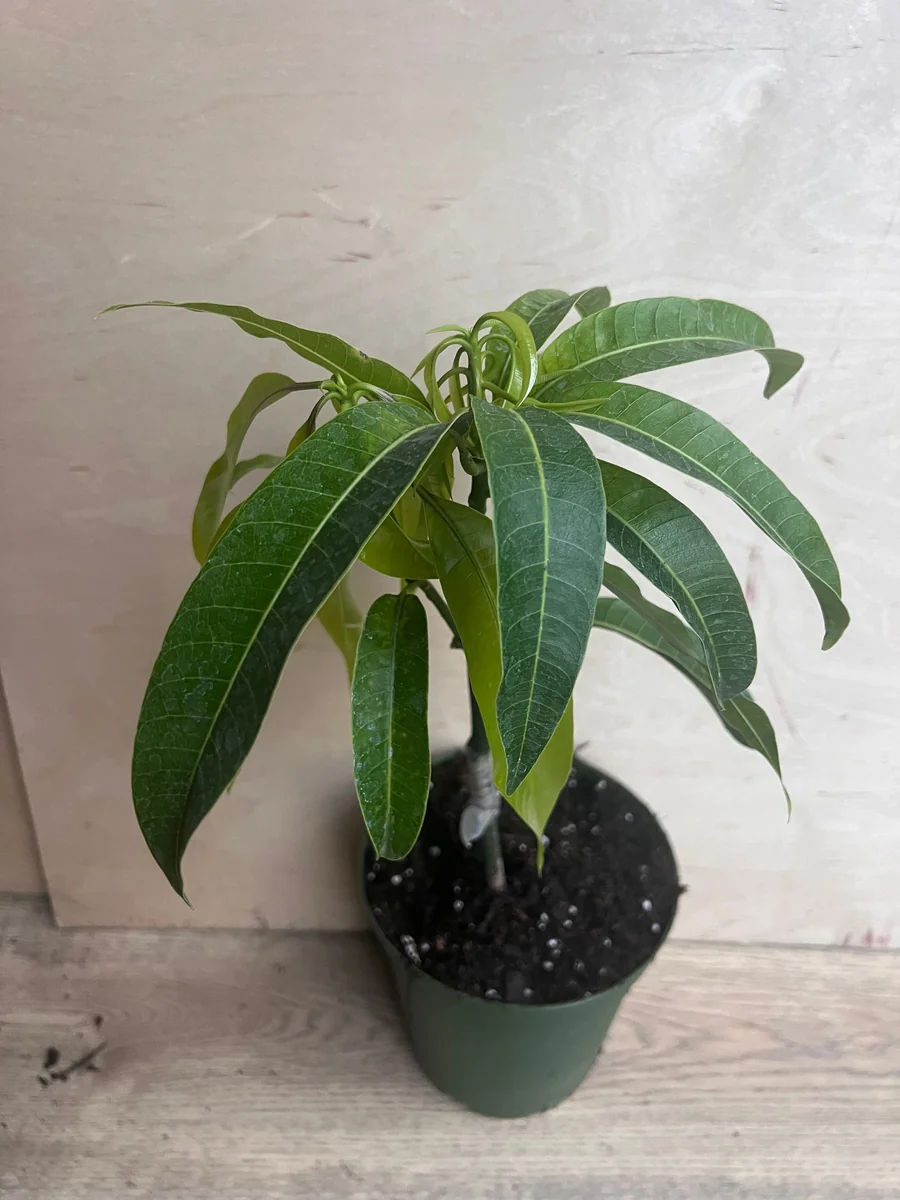
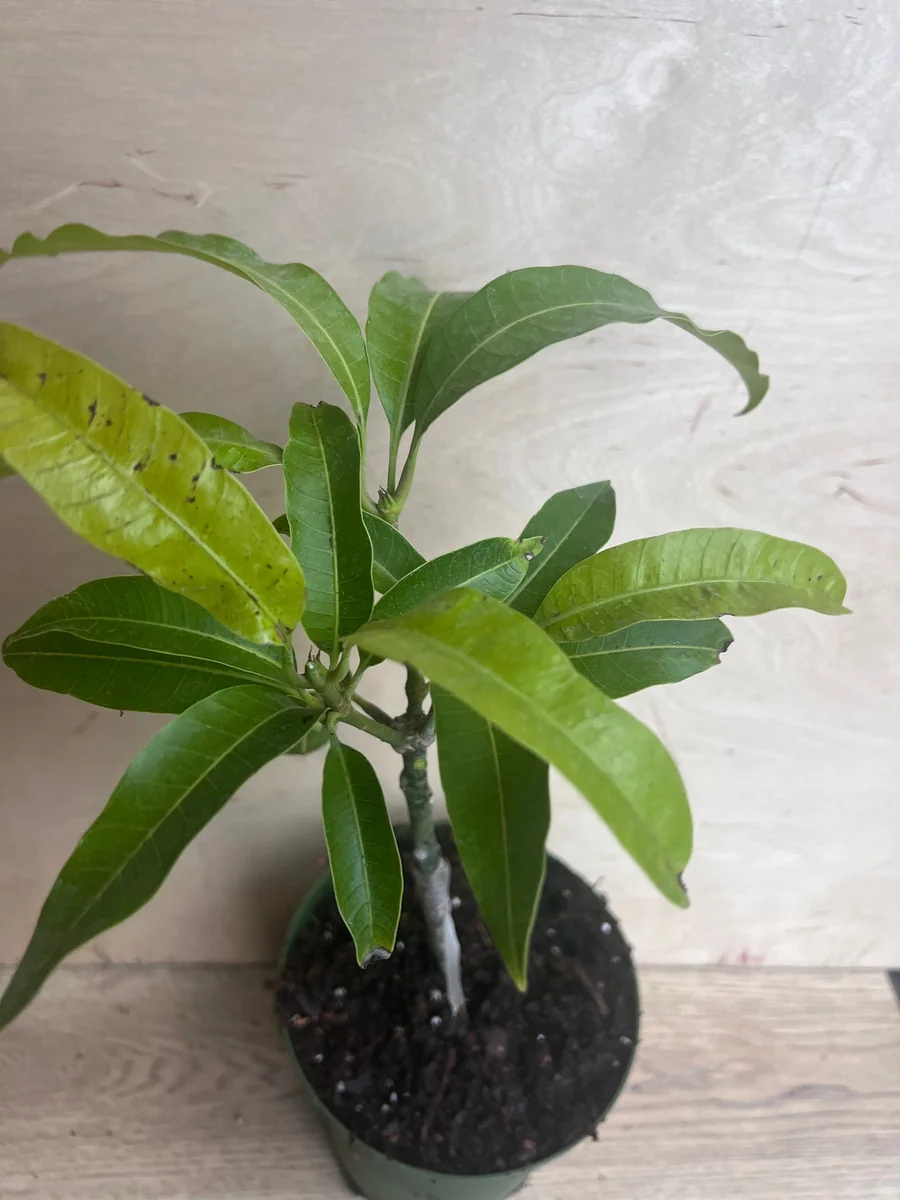
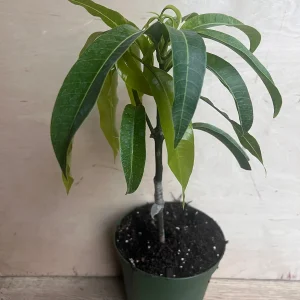
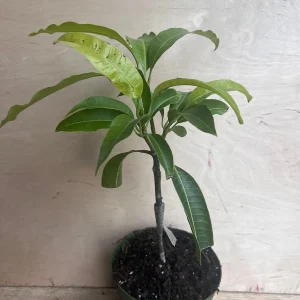
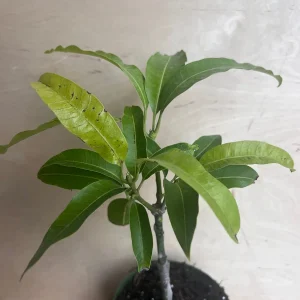
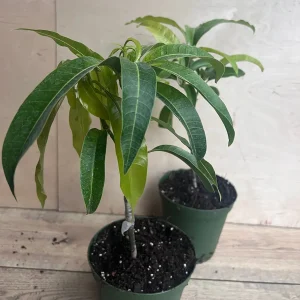
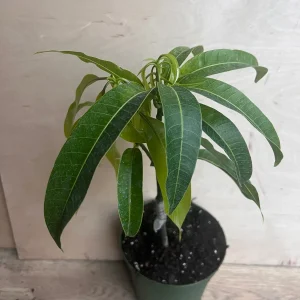
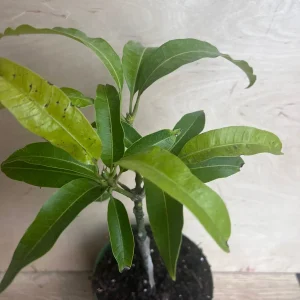
Manila Mango Live Plant – Grafted – 10 inch Pot – Tropical Fruit Tree
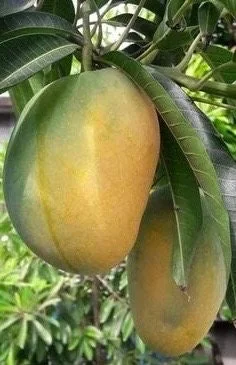
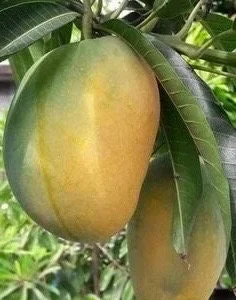
Cultivate your own sweet and aromatic fruit with a Manila mango live plant. This 10-inch potted, grafted tree is ready to thrive in tropical to subtropical climates, offering delicious Ataulfo mangoes. Enjoy the exceptional flavor of home-grown honey mangoes.
Original price was: $180.32.$108.20Current price is: $108.20.

With our Alive & Thrive Guarantee, we’ve got your back for the first 30 days! If you have any concerns about your plants, just reach out to us. Our team is here to help answer your questions and guide you in selecting the best plants for your garden, climate, and unique preferences. We're excited to help you create the garden of your dreams!
Estimated arrival
Mar 22
Mar 27 - Mar 29
Apr 01 - Apr 05

Product Details
-
USDA Hardiness Zone
USDA zones 9-11 -
Soil type
Loamy, well-draining soil -
Sunlight Exposure
Full sun -
Expected Planting Period
Year-round in warm climates, spring in subtropical zones
Overview
Embark on a journey of home-grown tropical delight with this vibrant Manila mango live plant. Also widely recognized as Ataulfo mangoes or Honey mangoes, this specific cultivar is highly prized for its exceptional sweetness, incredibly smooth texture, and captivating aromatic flavor. Our grafted Manila mango live plant is propagated to ensure robust growth and earlier fruit production, offering you the joy of harvesting your own delicious, golden fruit. Perfect for gardeners in warm climates, this live plant brings the taste of the tropics directly to your backyard or patio, transforming your outdoor space into a fruitful oasis. Growing your own Ataulfo mango tree provides not just fresh fruit, but also a rewarding gardening experience and a beautiful, lush addition to your landscape.
This offering is for a live, actively growing plant, carefully nurtured to be ready for its new home. Unlike seeds or bare roots, a potted live plant provides an instant head start, minimizing the waiting period before you can enjoy the fruits of your labor. The Manila mango cultivar is celebrated globally for its low fiber content and rich, buttery flesh, making it a favorite for fresh eating, smoothies, and desserts. With proper care, this honey mango plant will become a cherished part of your garden, providing abundant harvests for years to come.
Key Benefits
Bringing a Manila mango live plant into your garden offers a plethora of advantages, from the sheer joy of cultivation to the delicious rewards it provides. Enjoy the unique experience of harvesting your own tropical fruit.
- Exceptional Fruit Quality: Produce your own delicious Ataulfo mangoes, known for their superior sweetness, smooth, fiberless flesh, and rich, aromatic flavor that surpasses store-bought varieties.
- Grafted for Faster Fruiting: This grafted mango tree is designed to reach maturity and begin producing fruit much sooner than trees grown from seed, allowing you to enjoy harvests in a shorter timeframe.
- Beautiful Ornamental Tree: Beyond its fruit, the Manila mango live plant grows into an attractive, medium-sized tree with lush green foliage, providing shade and tropical aesthetics to your garden or patio.
- Sustainable & Rewarding Hobby: Cultivating your own fruit promotes sustainable living and offers immense satisfaction as you nurture a plant from infancy to a productive fruit-bearing tree.
- Versatile Culinary Uses: The sweet and creamy flesh of honey mangoes is perfect for eating fresh, adding to salads, making smoothies, or incorporating into various desserts and savory dishes.
- Adaptable to Containers: While thriving in the ground in suitable climates, this tropical fruit tree can also be grown in large containers, making it suitable for patios or for moving indoors during colder months in marginal zones.
- Healthy & Nutritious Produce: Enjoy a fresh, organic source of vitamins A and C, fiber, and antioxidants directly from your garden, contributing to a healthier diet.
Plant Care & Growing Tips
Caring for your Manila mango live plant is a rewarding experience that ensures a bountiful harvest. These trees thrive in specific conditions, so understanding their needs is crucial for success. Manila mango trees are tropical to subtropical plants, requiring warm temperatures and abundant sunlight. They need at least 6-8 hours of direct sun daily to produce fruit effectively. Protection from strong winds is also important, especially for younger trees, as they possess shallow root systems.
When it comes to soil, a loamy, well-draining mix with a slightly acidic to neutral pH (6.0-7.0) is ideal for your Ataulfo mango tree. If your native soil is heavy clay or too sandy, amend it with organic matter like compost to improve drainage and fertility. Regular watering is essential, particularly for young trees and during dry spells, to help establish a strong root system. Once mature, mango trees are moderately drought-tolerant but still benefit from consistent watering, especially during flowering and fruiting periods. Avoid waterlogging, as this can lead to root rot.
Fertilize your mango tree with a balanced fertilizer specifically formulated for fruit trees, following the manufacturer’s instructions. Application during the growing season, typically spring and summer, supports vigorous growth and fruit development. Pruning is vital for maintaining tree shape, promoting air circulation, and removing dead or diseased branches. Prune during the dormant season, usually late winter or early spring, before new growth emerges. Monitor your honey mango plant for common pests like mango scale, aphids, and fruit flies, as well as diseases such as anthracnose and powdery mildew. Implement good cultural practices and use appropriate treatments if necessary to keep your grafted mango tree healthy and productive.
Size & Details
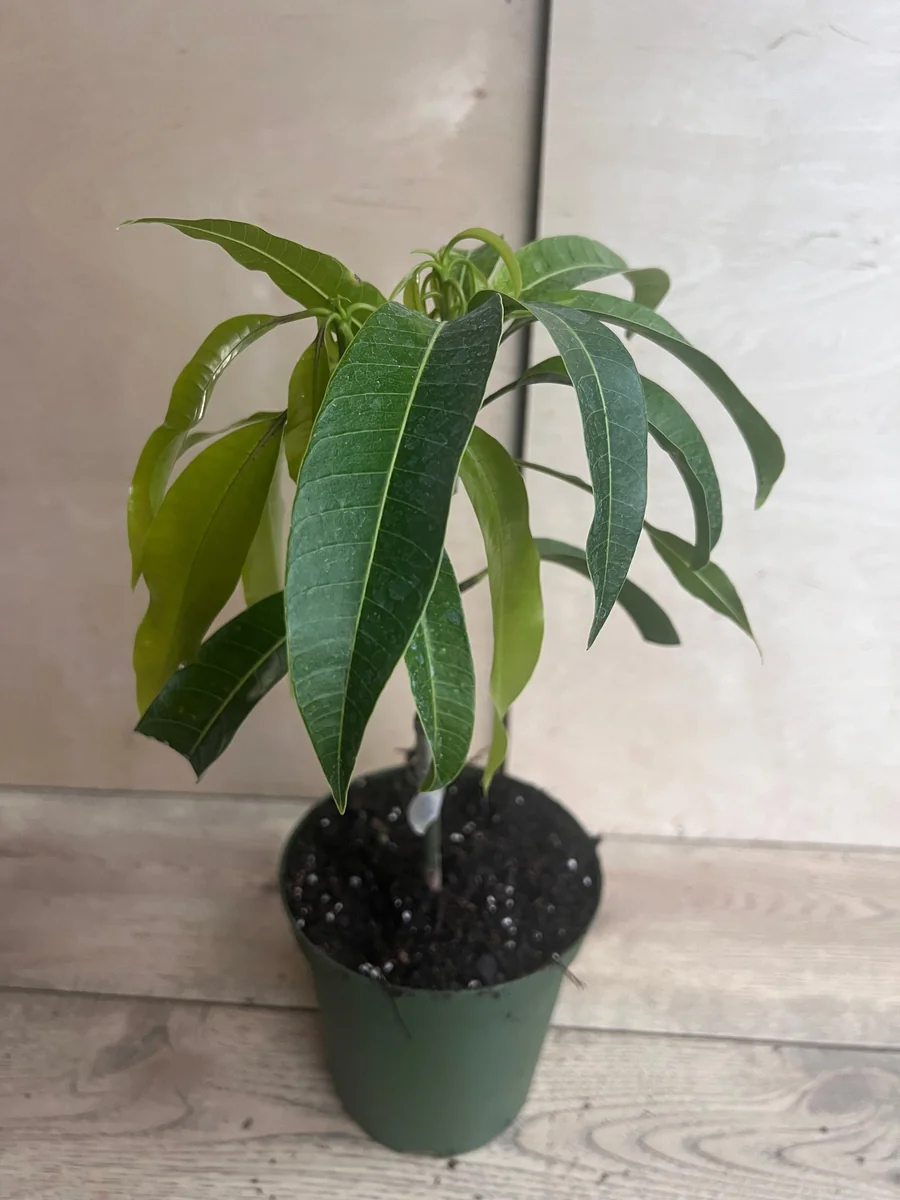
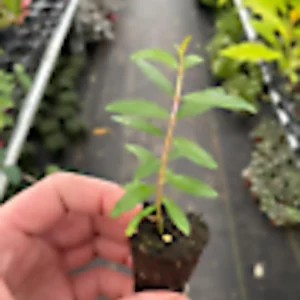
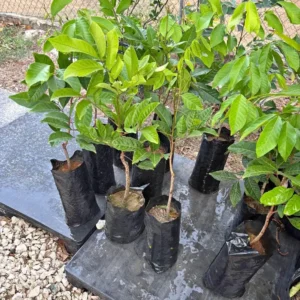
This Manila mango live plant is supplied in a 10-inch nursery pot, providing a substantial root ball and a healthy start for your tropical fruit tree. At the time of shipping, the plant typically stands between 2 to 3 feet tall from the base of the pot, with a well-developed structure from being grafted. This size offers a good balance, making it robust enough to handle transplanting while still being manageable for shipping and initial care. The growth rate of a tropical fruit tree like the Manila mango can be quite vigorous in ideal conditions, often reaching heights of 10-20 feet in a home garden if not pruned to a smaller size.
Expected time to first fruit production for a grafted Manila mango tree is typically 2-4 years from planting, depending on growing conditions and care. The plant will arrive carefully packaged to minimize stress during transit, ready for immediate planting into a larger container or directly into the ground in appropriate climates. This ensures your Manila mango live plant has the best possible chance to thrive and produce its delicious fruit for years to come.
Frequently Asked Questions
- Q: How big does this plant get? A: A Manila mango live plant can grow into a medium-sized tree, typically reaching 10-20 feet tall in a garden setting if not regularly pruned. It can also be maintained at a smaller size in a large container.
- Q: What size pot does it come in? A: This Manila mango live plant is shipped in a 10-inch nursery pot, providing a good foundation for its continued growth and development.
- Q: Is this an indoor or outdoor plant? A: The Ataulfo mango tree is primarily an outdoor plant, thriving in tropical to subtropical climates (USDA Zones 9-11). In colder regions, it can be grown outdoors during warm months and brought indoors for winter.
- Q: How much sunlight does it need? A: A honey mango plant requires full sun exposure, meaning at least 6-8 hours of direct sunlight per day, to ensure healthy growth and optimal fruit production.
- Q: Is this plant easy to care for? A: While specific to its climate needs, caring for a grafted mango tree is moderately easy for those in suitable regions. Consistent watering, proper fertilization, and occasional pruning are key.
- Q: What condition will it arrive in? A: Your Manila mango live plant will arrive carefully packaged, healthy, and actively growing, similar to the pictures, ready to be transplanted into its new home.
- Q: Can I use the fruit in cooking? A: Absolutely! Manila mangoes are highly prized for their sweet, smooth flesh, making them excellent for eating fresh, in smoothies, desserts, salsas, and various other culinary applications.
- Q: How long until it blooms? A: As this is a grafted plant, your tropical fruit tree can begin to flower and fruit within 2-4 years of planting, much faster than a seedling.
- Q: What’s the minimum temperature it can tolerate? A: Manila mango trees are sensitive to cold and prefer temperatures above 40°F (4°C). Prolonged exposure to temperatures below freezing can cause damage or death.
- Q: What kind of soil does it prefer? A: This Manila mango live plant thrives in well-draining, loamy soil with a slightly acidic to neutral pH. Amending with compost can improve soil structure and fertility.
Related products
-20%
Original price was: $80.00.$64.00Current price is: $64.00.
-20%
Original price was: $32.00.$25.60Current price is: $25.60.
-20%
Original price was: $31.98.$25.58Current price is: $25.58.
-20%
Original price was: $34.00.$27.20Current price is: $27.20.
-20%
Original price was: $66.00.$52.80Current price is: $52.80.
-10%
Original price was: $48.99.$44.09Current price is: $44.09.
PLANTING & CARE

The Comprehensive Guide to Growing Bay Leaf Plants for a Flavorful Garden
Imagine stepping into your garden, greeted by the earthy aroma of fresh bay leaves, their
09
Feb
Feb

How to Make Comfrey Tea: The Ultimate Organic Plant Food
Growing an organic garden can be surprisingly expensive, especially when most store-bought fertilizers come in
02
Feb
Feb

True Comfrey: 7 Essential Tips Before You Plant This Herb
A staple in permaculture practices across the US, True Comfrey easily earns its reputation as
27
Jan
Jan

7 Heart-Shaped Plants for a Lasting Valentine’s Gift
If you’ve ever bought a bouquet of roses for Valentine’s Day, you know they are
26
Jan
Jan

Best Types of Ivy Plant for Houses: How to Choose the Perfect Ones for Your Home
Are you a garden lover looking to introduce some greenery into your home? Maybe you’ve
14
Nov
Nov

When to Harvest Garlic (Especially Fall-Planted Garlic)
TIMING IS EVERYTHING, they say – and for garlic, that truth hits with surprising accuracy.
13
Nov
Nov

11 of the Best Sweet Potato Varieties to Grow for Your Garden
If you’ve ever tried growing sweet potatoes, you know that picking the right variety can
12
Nov
Nov
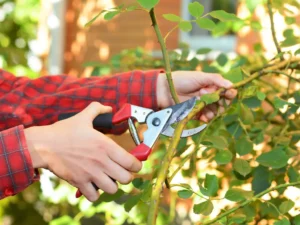
Pruning Bougainvillea for Winter
Bougainvillea vines are known for their dazzling display of magenta, orange, and fuchsia bracts that
05
Nov
Nov