Heliconia Live Plant Collection – Tropical Flowering Plants for Garden
-50%
Heliconia Live Plant Collection – Tropical Flowering Plants for Garden
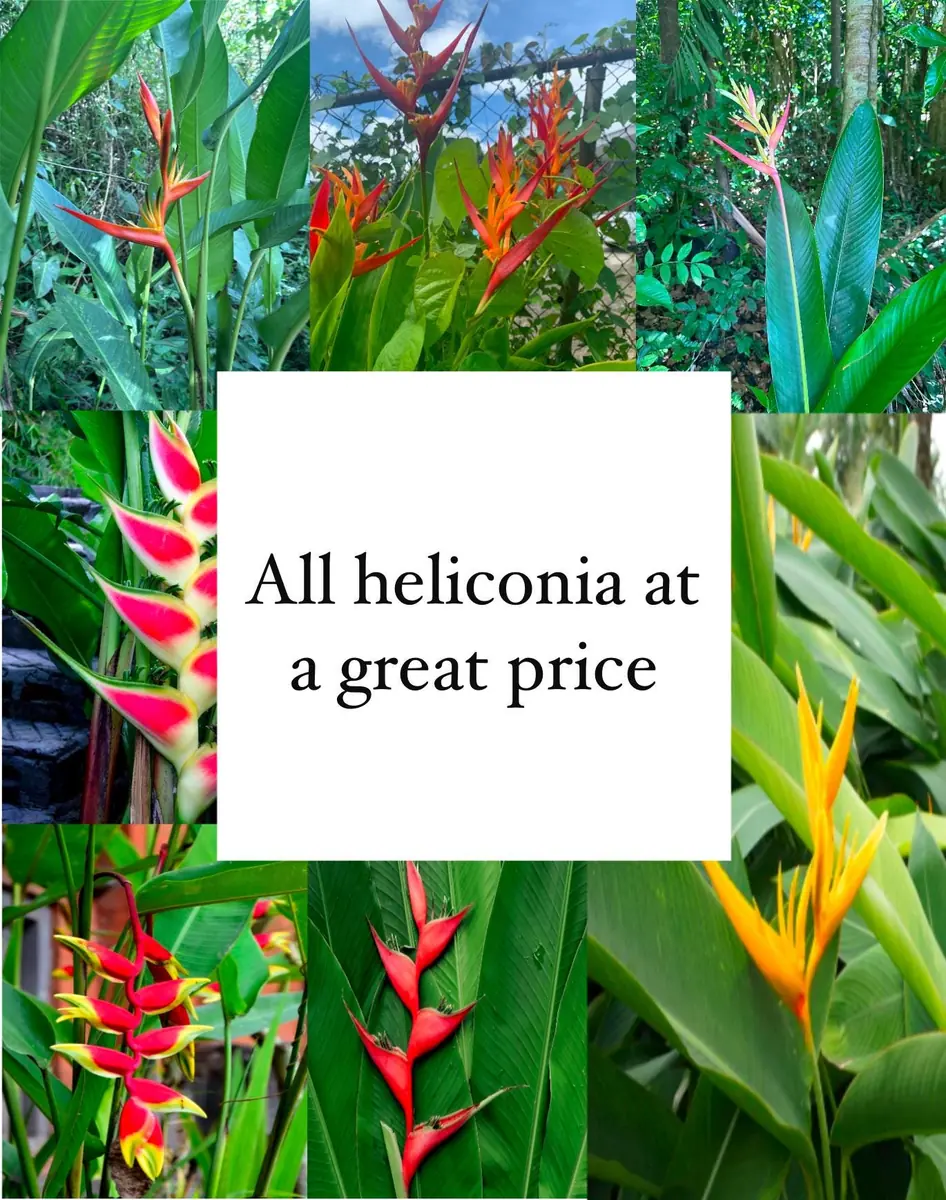
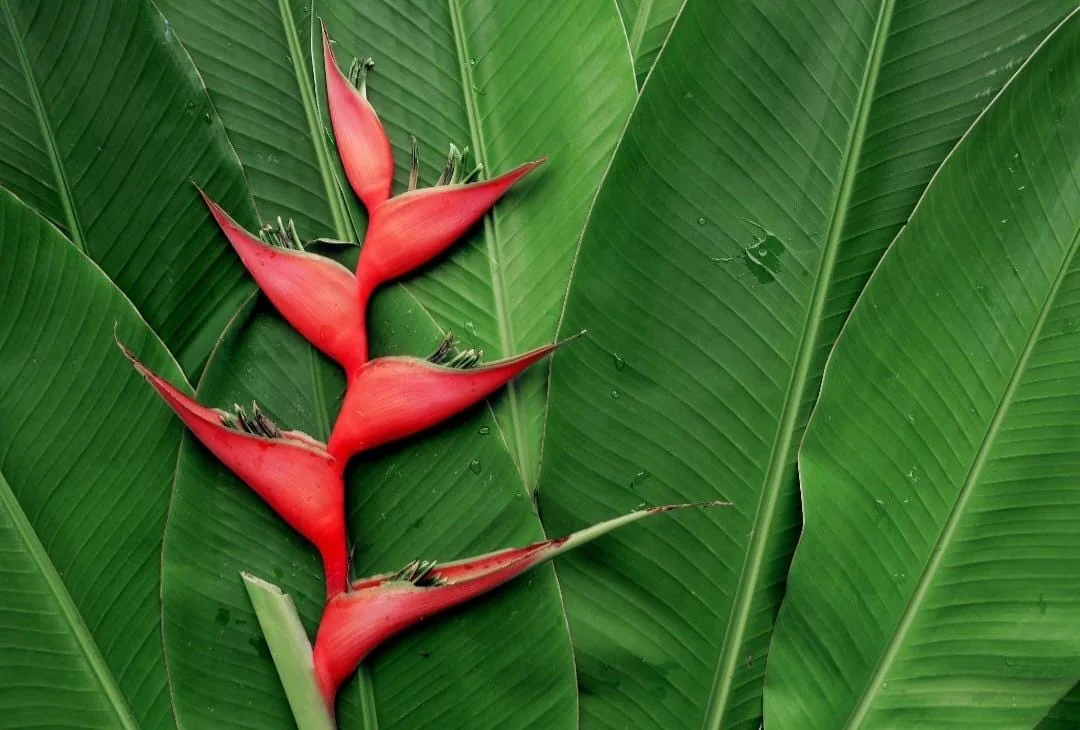
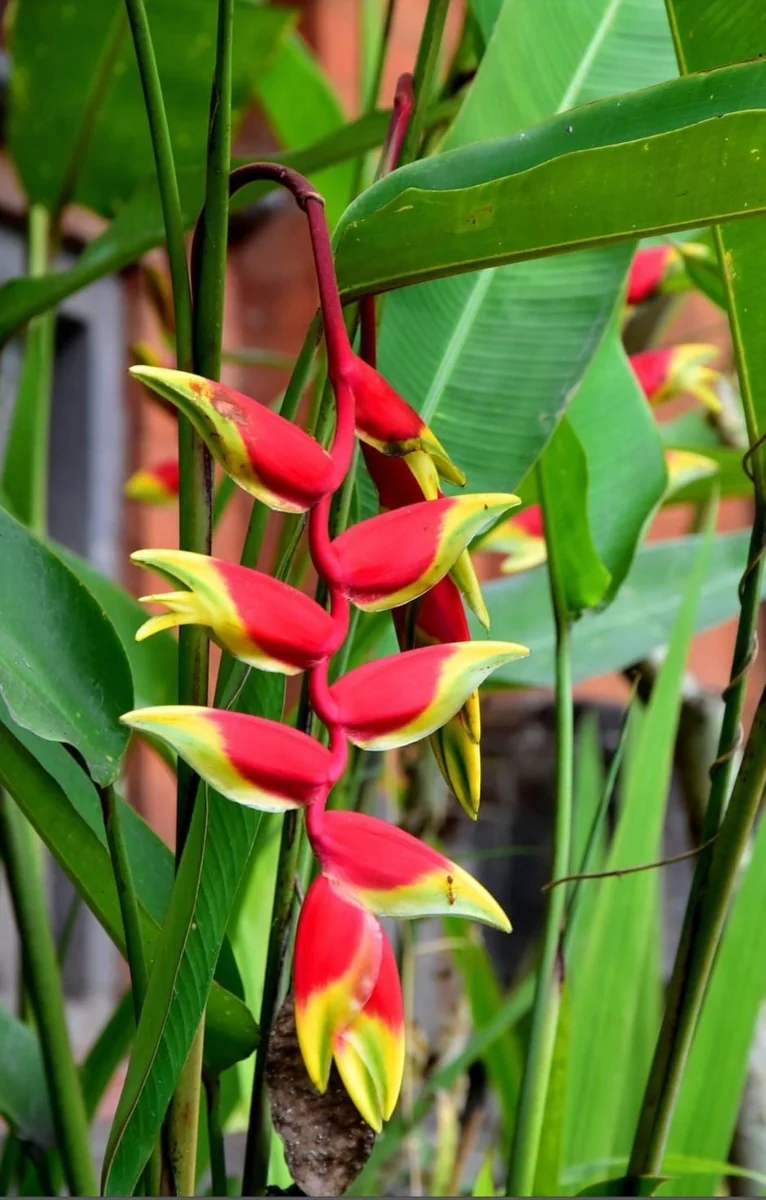
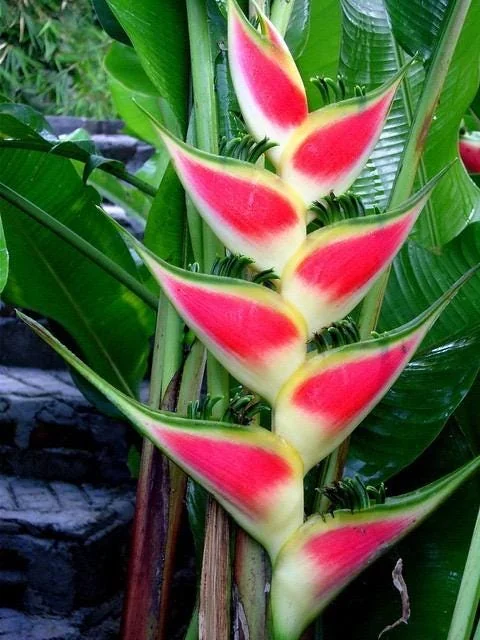
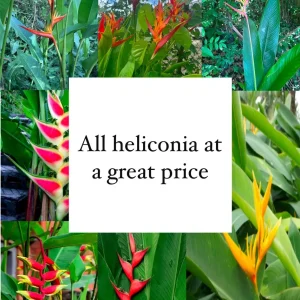
Bring exotic beauty to your garden with this vibrant Heliconia live plant collection. These tropical flowering plants feature striking, colorful bracts that resemble bird-of-paradise flowers, perfect for creating a lush, tropical oasis. Easy to grow and a stunning focal point.
Original price was: $420.00.$210.00Current price is: $210.00.

With our Alive & Thrive Guarantee, we’ve got your back for the first 30 days! If you have any concerns about your plants, just reach out to us. Our team is here to help answer your questions and guide you in selecting the best plants for your garden, climate, and unique preferences. We're excited to help you create the garden of your dreams!
Estimated arrival
Mar 20
Mar 25 - Mar 27
Mar 30 - Apr 03
Product Details
-
USDA Hardiness Zone
USDA zones 9-11 -
Soil type
Rich, well-draining soil -
Sunlight Exposure
Full sun to partial shade -
Expected Planting Period
Spring to early summer
Overview
Introduce a touch of the tropics to your landscape with this exquisite Heliconia live plant collection. Renowned for their spectacular, brightly colored inflorescences, Heliconias are truly a gardener’s delight. Often called ‘false bird-of-paradise’ due to their resemblance to that iconic flower, these vigorous growers are native to the tropical Americas and Pacific Ocean islands. Our collection features a variety of Heliconia species, each offering unique colors and forms, making them ideal for creating a dramatic and exotic statement in your garden or as potted specimens in warmer climates. These tropical flowering plants thrive in warm, humid environments, producing long-lasting blooms that attract hummingbirds and other pollinators, adding dynamic life to your outdoor space.
Heliconias are prized not only for their stunning flowers but also for their handsome, banana-like foliage, which provides a lush, green backdrop. Whether you are an experienced tropical gardener or looking to expand your plant collection, this Heliconia live plant offers an opportunity to cultivate some of nature’s most flamboyant botanical treasures. They are relatively low-maintenance once established, given the right conditions, and can quickly transform an ordinary garden into a vibrant, tropical paradise. This collection is curated to provide a diverse range of Heliconia varieties, ensuring a continuous display of breathtaking blooms throughout their growing season.
Key Benefits
Our Heliconia live plant collection provides numerous benefits, making it an excellent choice for any gardener seeking to enhance their outdoor space with exotic flair and vibrant color. These plants are more than just beautiful; they are robust and rewarding to grow, offering a host of advantages:
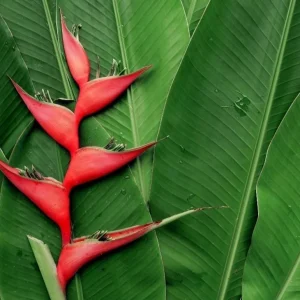
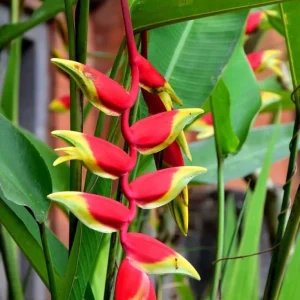
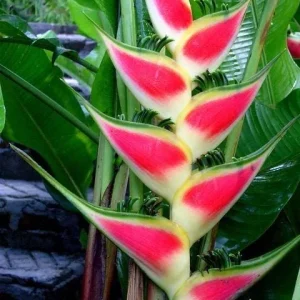
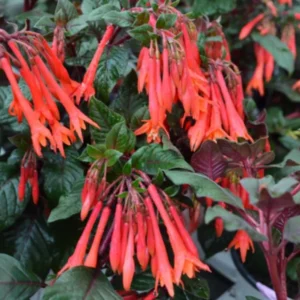
- Spectacular Tropical Blooms: Heliconias are famous for their incredibly vibrant and uniquely shaped inflorescences, often resembling exotic birds or lobster claws. These blooms come in a dazzling array of colors, including reds, oranges, yellows, and pinks, providing a continuous display of intense color that will be the focal point of any garden.
- Attracts Pollinators: The nectar-rich flowers of these tropical flowering plants are a magnet for hummingbirds, butterflies, and other beneficial pollinators, bringing your garden to life with their activity. Watching these creatures interact with the striking blooms is a truly enchanting experience.
- Lush Foliage for Privacy: Beyond their flowers, Heliconias boast large, paddle-like leaves that create a dense, verdant backdrop. This lush foliage is excellent for creating natural screens, adding privacy, or simply enhancing the tropical aesthetic of your garden.
- Relatively Low Maintenance: Once established in their preferred warm, humid conditions, Heliconia care is straightforward. With adequate water and sunlight, these plants are quite resilient and will reward you with abundant growth and blooms.
- Versatile Landscaping Use: Whether planted in garden beds, used as a vibrant border, or grown in large containers on patios, the Heliconia live plant adapts well to various landscaping designs. Their architectural form and bold colors make them suitable for both formal and informal garden styles.
- Exotic Garden Plants: For those looking to create a truly unique and exotic garden, Heliconias are an unparalleled choice. Their distinct appearance and tropical origins instantly transport you to a faraway paradise, making your garden a unique retreat.
- Long-Lasting Cut Flowers: The striking blooms of Heliconia are not only beautiful in the garden but also make exceptional, long-lasting cut flowers, perfect for creating dramatic floral arrangements that will brighten any indoor space.
Plant Care & Growing Tips
Proper Heliconia care is essential to ensure these magnificent tropical flowering plants thrive and produce their stunning blooms. Heliconias prefer a warm, humid environment, mimicking their native tropical habitats. They are generally robust plants but will perform best with attention to their specific needs. For sunlight, most Heliconias prefer full sun to partial shade. In very hot climates, some afternoon shade can prevent leaf scorch, especially for varieties with more delicate foliage. Aim for at least 6 hours of direct sunlight for optimal flowering.
When it comes to watering, Heliconias are thirsty plants, especially during their active growing season. The soil should be kept consistently moist but not waterlogged. Good drainage is crucial to prevent root rot. Water deeply and regularly, allowing the top inch of soil to dry out slightly between waterings. Reduce watering during cooler, dormant periods. For soil, a rich, well-draining soil mix is ideal. Amend heavy clay soils with organic matter like compost or peat moss to improve drainage and fertility. A slightly acidic to neutral pH (6.0-7.0) is preferred. These exotic garden plants are heavy feeders. Fertilize regularly during the growing season (spring through fall) with a balanced, slow-release granular fertilizer or a liquid feed high in potassium to promote blooming. Reduce or stop fertilizing during winter.
Heliconias are tropical, so they are sensitive to cold. Most varieties thrive in USDA hardiness zones 9-11. They cannot tolerate frost, and temperatures below 50°F (10°C) can cause damage. In colder zones, they can be grown in containers and brought indoors during winter or treated as annuals. Pests are generally not a major issue, but keep an eye out for spider mites, mealybugs, and aphids, especially in dry conditions. Regular inspection and prompt treatment with insecticidal soap or neem oil can manage any infestations. Pruning involves removing spent flower stalks and any yellowing or damaged leaves to maintain plant health and appearance. The rhizomes can spread, so division may be necessary every few years to control growth and rejuvenate the plant.
Size & Details
This Heliconia live plant collection typically ships as established rhizomes or young potted plants, ready for planting in your garden or a larger container. The ultimate size of Heliconia plants can vary significantly depending on the species and growing conditions, ranging from compact varieties that reach 3-4 feet tall to towering specimens exceeding 10-15 feet in height. Each plant is carefully selected to ensure health and vigor, providing a strong foundation for robust growth and abundant vibrant Heliconia blooms. When mature, these plants will form impressive clumps, with individual leaves often reaching 1-3 feet in length and flower stalks emerging from the center of the foliage. Expect a moderate to fast growth rate under ideal conditions, with flowering typically occurring within the first year or two after planting. The specific dimensions of your plants upon arrival will vary based on the stock, but rest assured they are prepared for successful transplantation and growth.
Frequently Asked Questions
- Q: How big does this Heliconia live plant get? A: The mature size of your Heliconia live plant depends on the specific variety and growing conditions. Some varieties are dwarf, reaching 3-4 feet, while others can grow up to 15 feet tall. Most common garden varieties average 6-10 feet in height with a similar spread over time.
- Q: Is this an indoor or outdoor plant? A: Heliconias are primarily outdoor tropical flowering plants that thrive in warm, humid climates (USDA Zones 9-11). In colder regions, they can be grown in large containers and brought indoors during winter, or treated as annuals.
- Q: How much sunlight does my Heliconia need? A: Heliconias generally prefer full sun to partial shade. For the best flowering performance and most vibrant colors, aim for at least 6 hours of direct sunlight per day. In very intense summer heat, some afternoon shade can be beneficial.
- Q: Is this plant easy to care for? A: With proper Heliconia care, these plants are relatively easy to grow. Their main requirements are warmth, consistent moisture, and plenty of sunlight. Once established, they are quite resilient and rewarding for gardeners in appropriate climates.
- Q: What condition will the Heliconia live plant arrive in? A: Your Heliconia live plant will arrive either as healthy rhizomes or young, well-rooted potted plants, carefully packaged to ensure their safe journey. They will be ready for immediate planting upon arrival.
- Q: When is the best time to plant Heliconia? A: The best time to plant Heliconia is in spring or early summer, after all danger of frost has passed and soil temperatures have warmed up. This allows the plant ample time to establish before cooler weather sets in.
- Q: Will Heliconia survive winter in my zone? A: Heliconias are tropical plants and are not frost-tolerant. They will only survive winter outdoors in USDA Zones 9 and warmer. In colder zones, the plant’s rhizomes can be dug up and stored indoors, or the plant can be grown in a container and overwintered inside.
- Q: What kind of soil is best for these exotic garden plants? A: Heliconias prefer rich, well-draining soil that is consistently moist. A soil mix amended with plenty of organic matter like compost will provide the nutrients and drainage they need to flourish and produce spectacular vibrant Heliconia blooms.
- Q: How often should I fertilize my Heliconia? A: During the active growing season (spring through fall), fertilize your Heliconia every 4-6 weeks with a balanced, slow-release fertilizer or a liquid feed. Reduce or cease fertilization during the cooler, dormant months.
- Q: Are Heliconias prone to any specific pests or diseases? A: Heliconias are generally quite robust. Occasionally, they might encounter spider mites, aphids, or mealybugs, especially in dry conditions. Good air circulation and proper watering help prevent most issues. Fungal problems are rare with good drainage.
Related products
-75%
Original price was: $59.98.$15.00Current price is: $15.00.
-10%
Original price was: $16.99.$15.29Current price is: $15.29.
-81%
Original price was: $68.97.$12.94Current price is: $12.94.
-82%
Original price was: $50.97.$9.04Current price is: $9.04.
PLANTING & CARE

The Comprehensive Guide to Growing Bay Leaf Plants for a Flavorful Garden
Imagine stepping into your garden, greeted by the earthy aroma of fresh bay leaves, their
09
Feb
Feb

How to Make Comfrey Tea: The Ultimate Organic Plant Food
Growing an organic garden can be surprisingly expensive, especially when most store-bought fertilizers come in
02
Feb
Feb

True Comfrey: 7 Essential Tips Before You Plant This Herb
A staple in permaculture practices across the US, True Comfrey easily earns its reputation as
27
Jan
Jan

7 Heart-Shaped Plants for a Lasting Valentine’s Gift
If you’ve ever bought a bouquet of roses for Valentine’s Day, you know they are
26
Jan
Jan

Best Types of Ivy Plant for Houses: How to Choose the Perfect Ones for Your Home
Are you a garden lover looking to introduce some greenery into your home? Maybe you’ve
14
Nov
Nov

When to Harvest Garlic (Especially Fall-Planted Garlic)
TIMING IS EVERYTHING, they say – and for garlic, that truth hits with surprising accuracy.
13
Nov
Nov

11 of the Best Sweet Potato Varieties to Grow for Your Garden
If you’ve ever tried growing sweet potatoes, you know that picking the right variety can
12
Nov
Nov
Pruning Bougainvillea for Winter
Bougainvillea vines are known for their dazzling display of magenta, orange, and fuchsia bracts that
05
Nov
Nov