Pigeon Pea Seeds – 10 Count – Full Sun – Easy to Grow Legume
-50%
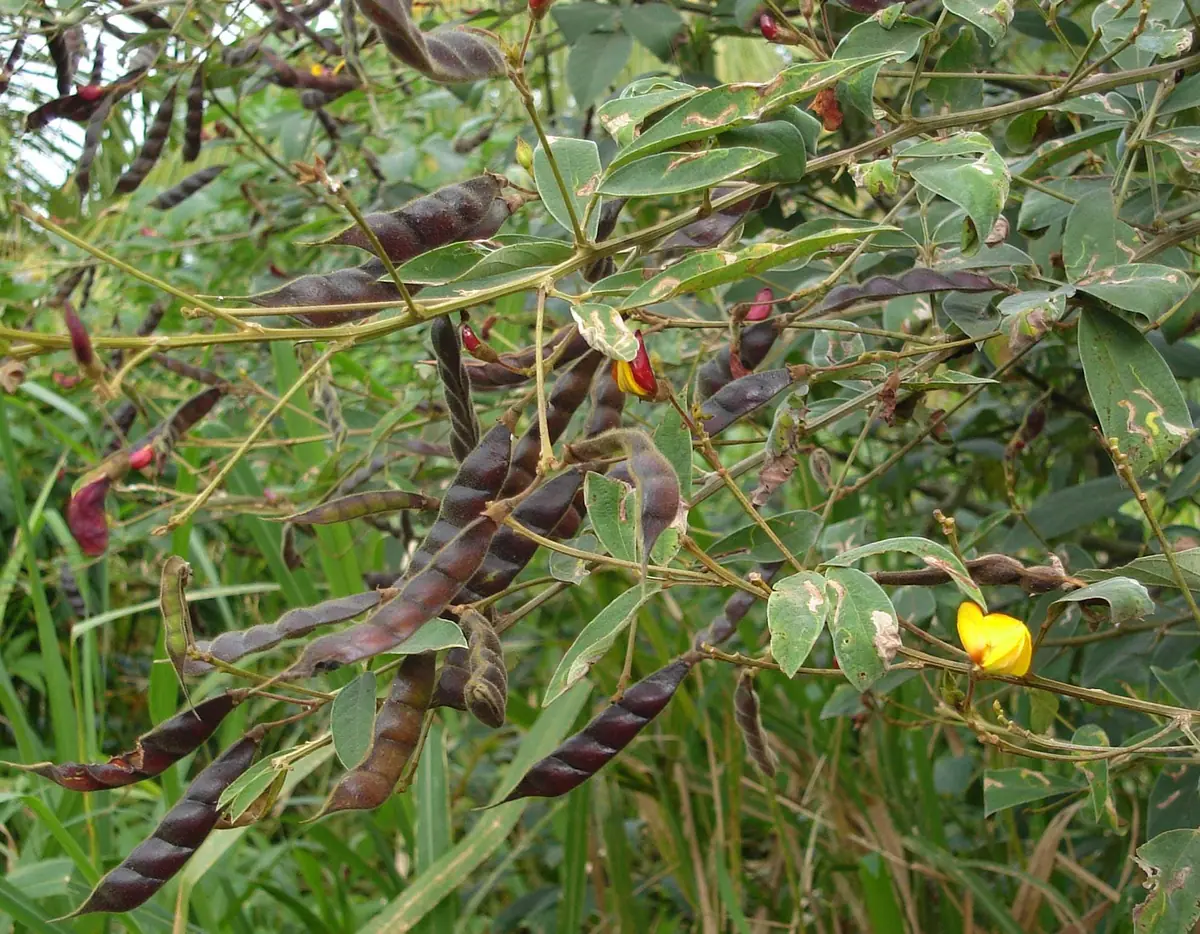

Pigeon Pea Seeds – 10 Count – Full Sun – Easy to Grow Legume
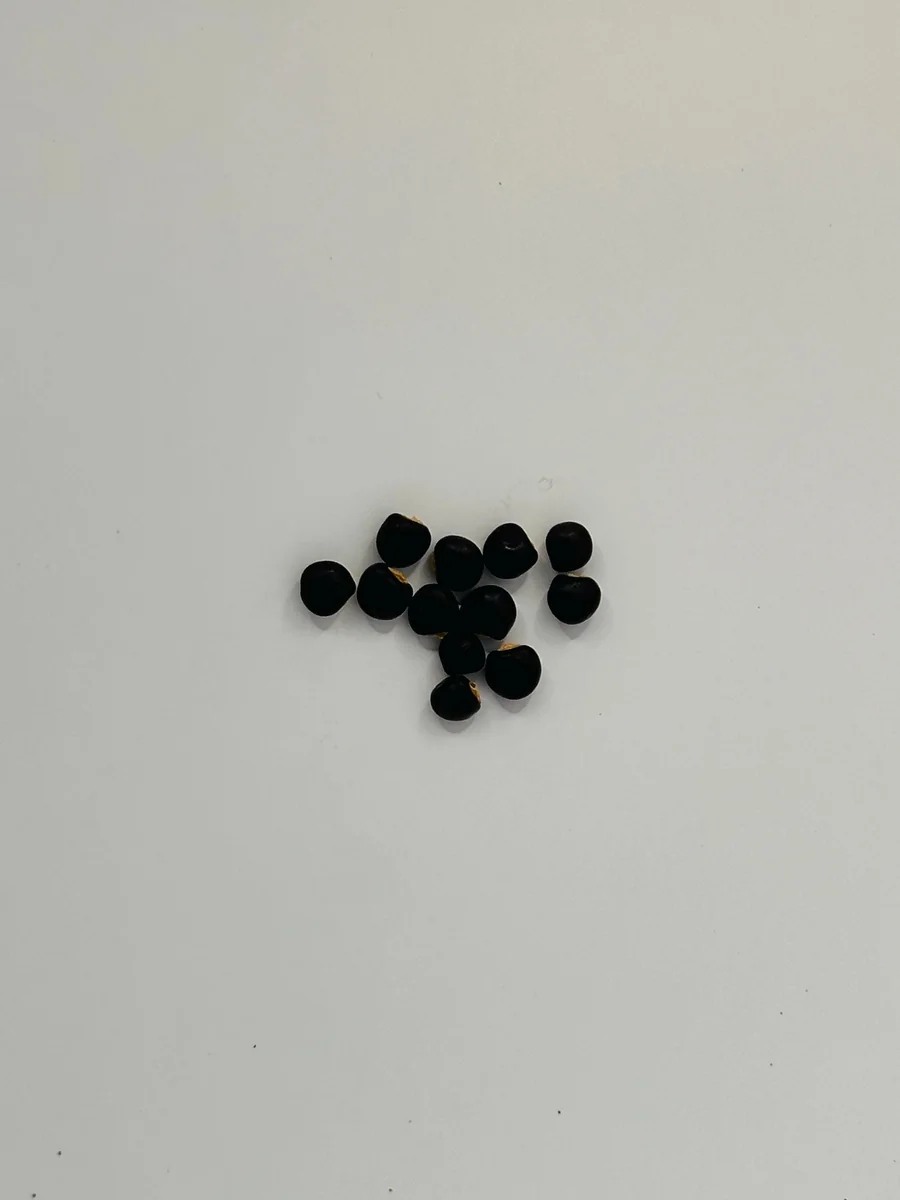
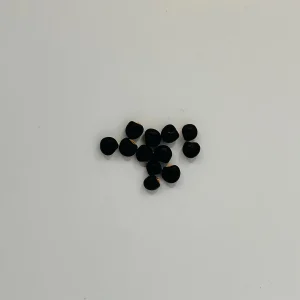
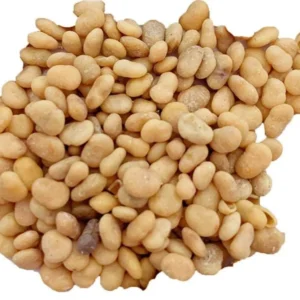
Cultivate your own nutritious legumes with these high-quality pigeon pea seeds. Each pack contains 10 seeds, ready for planting to produce healthy, sun-loving plants. Ideal for home gardens and sustainable food production.
Original price was: $32.00.$16.00Current price is: $16.00.

With our Alive & Thrive Guarantee, we’ve got your back for the first 30 days! If you have any concerns about your plants, just reach out to us. Our team is here to help answer your questions and guide you in selecting the best plants for your garden, climate, and unique preferences. We're excited to help you create the garden of your dreams!
Estimated arrival
Mar 31
Apr 05 - Apr 07
Apr 10 - Apr 14
Product Details
-
USDA Hardiness Zone
USDA zones 9-11 (as perennial), annual in cooler zones -
Soil type
Well-draining soil, adaptable to various types -
Sunlight Exposure
Full sun -
Expected Planting Period
Spring, after last frost
Overview
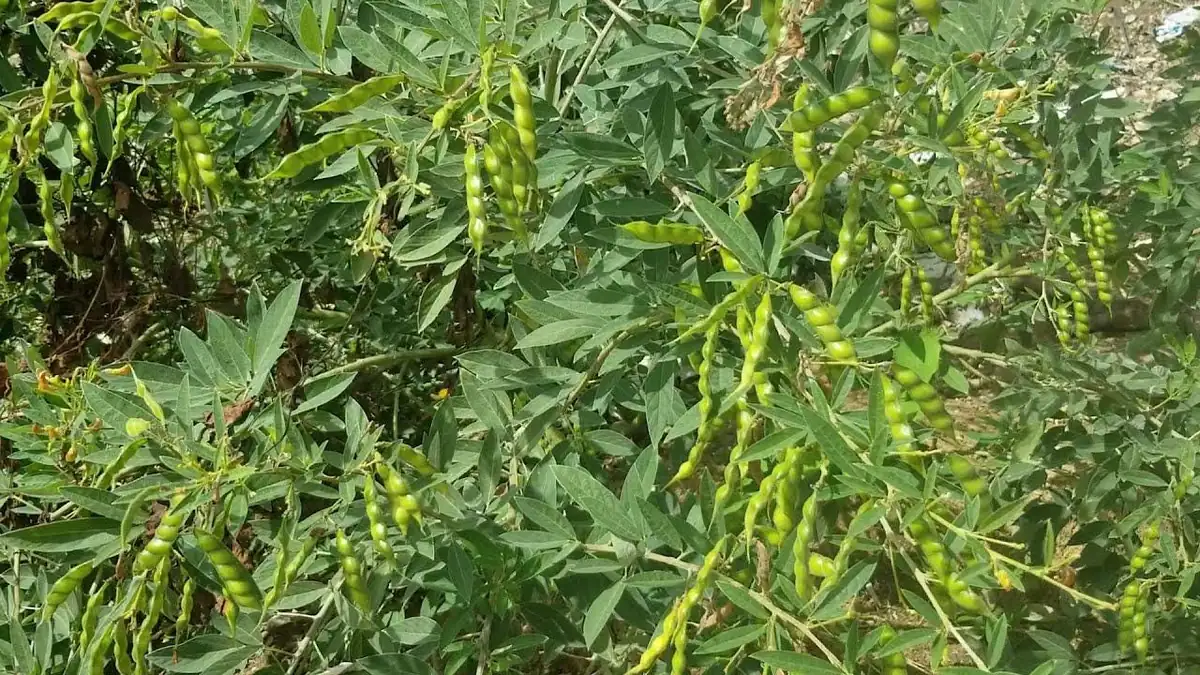
Embark on a rewarding gardening journey with our premium pigeon pea seeds. Also known as Cajanus cajan, these versatile legumes are a staple crop in many tropical and subtropical regions, cherished for their nutritional value and adaptability. Our carefully selected 10 seeds provide a robust starting point for growing your own supply of this hardy and beneficial plant. Whether you’re a seasoned gardener or just beginning, cultivating pigeon pea seeds offers the satisfaction of harvesting fresh, wholesome produce directly from your backyard. These seeds are chosen for their viability, ensuring a higher chance of successful germination and strong plant growth, making it an excellent choice for anyone looking to expand their edible garden.
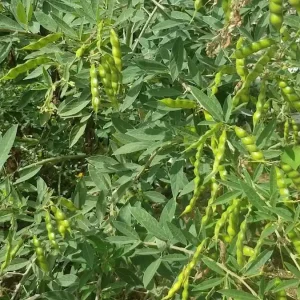
The pigeon pea plant is a shrub-like perennial that can be grown as an annual in cooler climates. It’s known for its ability to thrive in various soil conditions and its drought tolerance once established. Beyond its culinary uses, the pigeon pea also plays a significant role in soil improvement, fixing nitrogen and enhancing soil fertility. This makes it not only a valuable food source but also a beneficial addition to any permaculture or sustainable gardening system. Start your sustainable garden today with these reliable pigeon pea seeds.
Key Benefits
Growing your own pigeon peas from seed offers a multitude of advantages for both your garden and your diet. Here are some of the key benefits you can expect from cultivating these remarkable legumes:
- Nutritional Powerhouse: Pigeon peas are an excellent source of protein, dietary fiber, and essential minerals like iron, potassium, and magnesium, contributing to a healthy and balanced diet.
- Soil Enrichment: As a legume, the pigeon pea plant naturally fixes atmospheric nitrogen into the soil, improving fertility and reducing the need for synthetic fertilizers for subsequent crops.
- Drought Tolerance: Once established, pigeon pea plants are remarkably resilient to dry conditions, making them a reliable crop in regions with inconsistent rainfall.
- Versatile Culinary Use: The peas can be harvested green for fresh consumption, dried for storage, or used in a variety of dishes from stews and curries to salads and side dishes.
- Sustainable Gardening: By growing your own pigeon pea seeds, you contribute to a more sustainable food system, reducing your carbon footprint and promoting local food production.
- Easy to Grow: With simple requirements for full sun and well-drained soil, these seeds are straightforward to plant and maintain, even for novice gardeners.
- Extended Harvest Period: Pigeon peas offer a long harvest window, providing fresh produce over an extended period once the plants mature.
Plant Care & Growing Tips
Successfully growing pigeon peas from seed requires attention to a few key environmental factors and care practices. The first step is selecting a site that receives full sun, as these plants thrive with at least 6-8 hours of direct sunlight daily. Prepare your soil by ensuring it is well-draining, and while pigeon peas are quite adaptable, they prefer a slightly acidic to neutral pH (6.0-7.0). You can improve heavy clay soils by amending them with organic matter to enhance drainage.
Plant the pigeon pea seeds about 1 inch deep and space them approximately 3 to 5 feet apart to allow for proper air circulation and growth. Germination typically occurs within 3-5 days under optimal conditions. Initial watering should be consistent to help establish the seedlings, but once the plants are mature, they become quite drought-tolerant. Fertilization is generally not heavily required due to their nitrogen-fixing capabilities, but a balanced, low-nitrogen fertilizer can be applied if soil fertility is very poor. Pruning can be done to encourage bushier growth and increase yield. Monitoring for common pests and diseases is important, though pigeon peas are generally robust. Understanding caring for pigeon pea plants ensures a bountiful harvest.
Size & Details
This package contains 10 high-quality pigeon pea seeds, ready for planting. Each seed has the potential to grow into a robust, shrub-like plant typically reaching heights of 3 to 10 feet, depending on the growing conditions and whether it’s cultivated as an annual or perennial. The plants have a relatively fast growth rate, with the first harvest of green peas possible around 65 days after planting, though dried peas might take longer to mature. The pigeon pea plant is known for its deep taproot system, which helps it access water from deeper soil layers and makes it resilient in drier climates.
These seeds are suitable for direct sowing outdoors after the last frost, or they can be started indoors and transplanted. They are best suited for areas with a long warm growing season, thriving in USDA zones 9-11 as perennials, or as annuals in cooler zones. Each seed is carefully selected to ensure viability, providing you with a strong foundation for a thriving pigeon pea crop. Explore the many pigeon pea benefits by growing your own.
Frequently Asked Questions
- Q: How big does this plant get? A: A: The pigeon pea plant can grow into a shrub-like form, typically reaching heights between 3 to 10 feet, depending on climate and growing conditions. It can be grown as an annual or perennial.
- Q: What is the ideal sunlight for pigeon pea seeds? A: Pigeon pea plants thrive in full sun, requiring at least 6-8 hours of direct sunlight per day for optimal growth and pea production.
- Q: Is this plant easy to care for? A: Yes, pigeon peas are generally considered easy to care for, especially once established. They are drought-tolerant and require minimal fertilization, making them suitable for beginner gardeners interested in grow pigeon pea.
- Q: What condition will the seeds arrive in? A: The pigeon pea seeds will arrive as dry, viable seeds, carefully packaged to ensure their quality and readiness for planting.
- Q: Can I use pigeon pea in cooking? A: Absolutely! Pigeon peas are a versatile ingredient used in a wide range of cuisines, from stews and soups to curries and salads. They can be eaten fresh or dried.
- Q: When is the best time to plant pigeon pea seeds? A: The best time to plant pigeon pea seeds is after the last frost in spring, when soil temperatures have warmed up. For continuous harvest, succession planting can be done.
- Q: What’s the minimum temperature these plants can tolerate? A: While mature plants can tolerate brief periods of cool weather, pigeon peas are sensitive to frost. They thrive in warm climates and should be protected or grown as annuals in areas with cold winters.
- Q: How long until the pigeon peas are ready for harvest? A: You can typically expect to harvest green pigeon peas around 65 days after planting, while dried peas will require a longer maturation period on the plant.
- Q: Are there any specific soil requirements for caring for pigeon pea? A: Pigeon peas prefer well-draining soil with a pH between 6.0 and 7.0. They are adaptable but good drainage is crucial to prevent root issues.
- Q: What are the main pigeon pea benefits for health? A: Pigeon peas are rich in plant-based protein, dietary fiber, and various vitamins and minerals, supporting digestive health, energy levels, and overall well-being.
Related products
-48%
Original price was: $28.99.$14.99Current price is: $14.99.
-50%
Original price was: $39.96.$19.98Current price is: $19.98.
-48%
Original price was: $28.99.$14.99Current price is: $14.99.
-50%
Original price was: $15.96.$7.98Current price is: $7.98.
-50%
Original price was: $39.96.$19.98Current price is: $19.98.
-50%

Original price was: $11.00.$5.50Current price is: $5.50.
-50%
Original price was: $59.96.$29.98Current price is: $29.98.
PLANTING & CARE
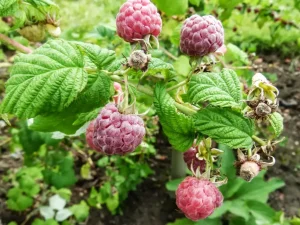
Growing Glencoe Raspberry: A Complete Guide for Gardeners
If you’re looking to add something unique to your garden, look no further than the
31
Mar
Mar

The Comprehensive Guide to Growing Bay Leaf Plants for a Flavorful Garden
Imagine stepping into your garden, greeted by the earthy aroma of fresh bay leaves, their
09
Feb
Feb

How to Make Comfrey Tea: The Ultimate Organic Plant Food
Growing an organic garden can be surprisingly expensive, especially when most store-bought fertilizers come in
02
Feb
Feb

True Comfrey: 7 Essential Tips Before You Plant This Herb
A staple in permaculture practices across the US, True Comfrey easily earns its reputation as
27
Jan
Jan

7 Heart-Shaped Plants for a Lasting Valentine’s Gift
If you’ve ever bought a bouquet of roses for Valentine’s Day, you know they are
26
Jan
Jan

Best Types of Ivy Plant for Houses: How to Choose the Perfect Ones for Your Home
Are you a garden lover looking to introduce some greenery into your home? Maybe you’ve
14
Nov
Nov

When to Harvest Garlic (Especially Fall-Planted Garlic)
TIMING IS EVERYTHING, they say – and for garlic, that truth hits with surprising accuracy.
13
Nov
Nov

11 of the Best Sweet Potato Varieties to Grow for Your Garden
If you’ve ever tried growing sweet potatoes, you know that picking the right variety can
12
Nov
Nov