Eggplant Seeds – 50 Count Seed Packet – Grow Your Own Vegetables
-50%


Eggplant Seeds – 50 Count Seed Packet – Grow Your Own Vegetables
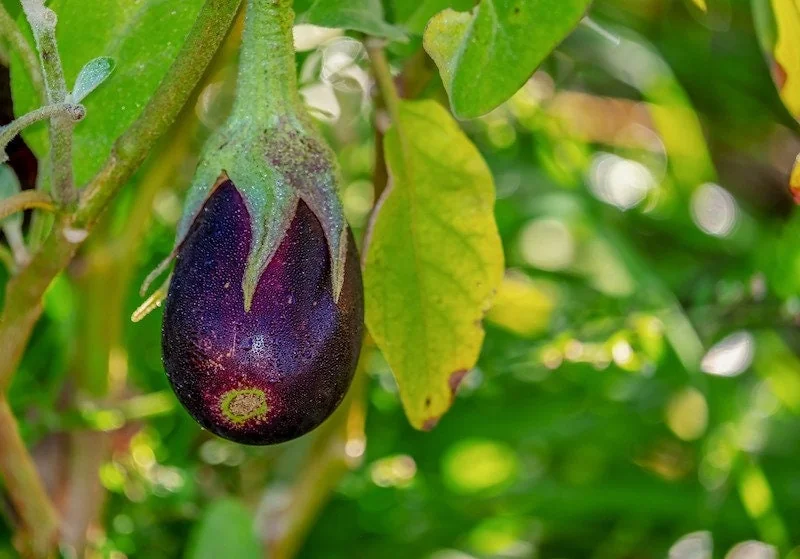
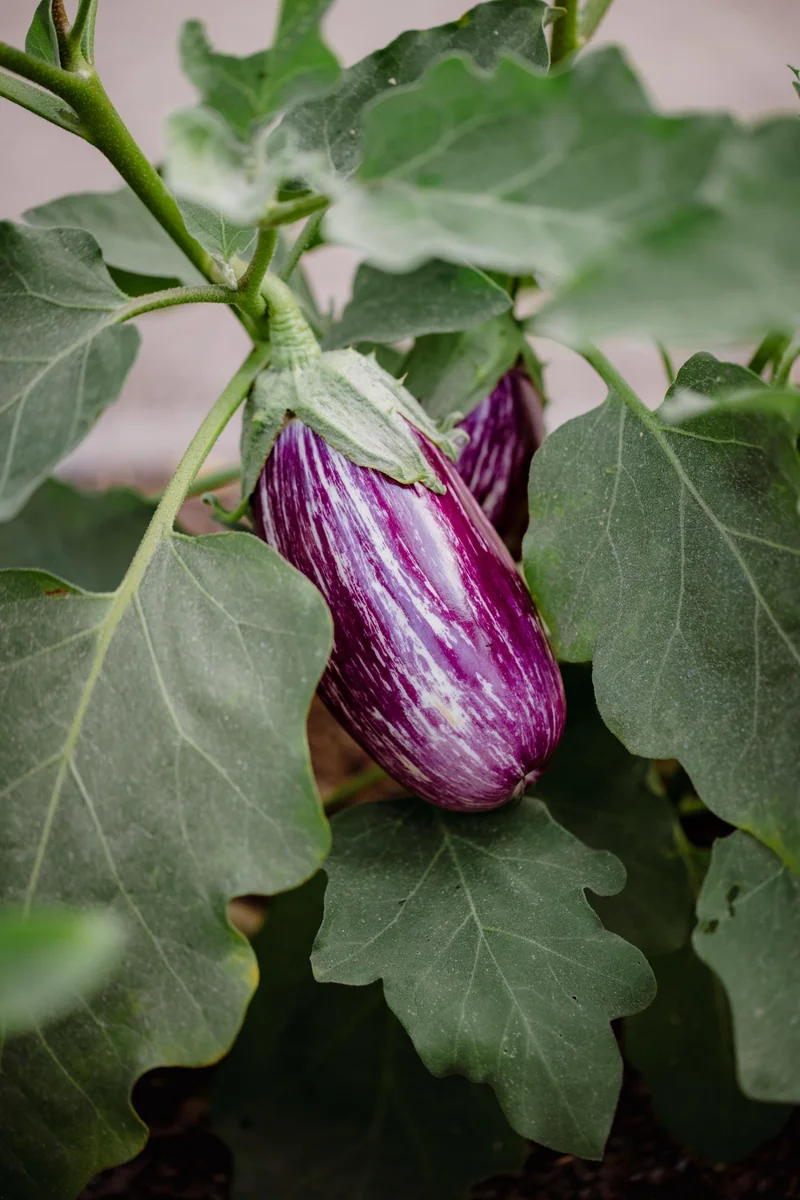
Cultivate fresh, delicious eggplants right in your backyard with our premium eggplant seeds. Each packet contains 50 seeds, offering a bountiful harvest for culinary delight. Perfect for home gardeners.
Original price was: $32.00.$16.00Current price is: $16.00.

With our Alive & Thrive Guarantee, we’ve got your back for the first 30 days! If you have any concerns about your plants, just reach out to us. Our team is here to help answer your questions and guide you in selecting the best plants for your garden, climate, and unique preferences. We're excited to help you create the garden of your dreams!
Estimated arrival
Mar 31
Apr 05 - Apr 07
Apr 10 - Apr 14






Product Details
-
USDA Hardiness Zone
USDA zones 4-11 (as annual) -
Soil type
Well-draining, rich, loamy soil -
Sunlight Exposure
Full sun (6-8+ hours daily) -
Expected Planting Period
Start indoors 6-8 weeks before last frost; transplant after danger of frost
Overview
Embark on a rewarding gardening journey with our premium eggplant seeds. This packet contains 50 seeds, providing an excellent opportunity to cultivate your own fresh, flavorful eggplants. Eggplants, scientifically known as Solanum melongena, are a versatile and nutritious vegetable, cherished in cuisines worldwide for their rich texture and ability to absorb flavors. Growing your own eggplants from seed ensures you get the freshest produce, free from unwanted chemicals, and allows you to experience the satisfaction of nurturing a plant from its very beginning. Our eggplant seeds are selected for their viability and potential to produce strong, healthy plants, making them an ideal choice for both novice and experienced gardeners eager to expand their vegetable patch.
Whether you’re planning a large garden or a small raised bed, these eggplant seeds offer a fantastic foundation for a successful harvest. They are a warm-season crop, thriving in sunny conditions and well-draining soil. From classic Italian varieties to unique, exotic types, eggplants come in a surprising array of shapes, sizes, and colors, each with its own culinary appeal. By choosing to grow eggplant from seed, you gain control over the entire growth process, from selecting the perfect variety to harvesting the ripe fruit. Get ready to enjoy the rich taste and culinary versatility that homegrown eggplants bring to your table.
Key Benefits
Growing eggplants from seed offers numerous advantages, enriching your gardening experience and providing a fresh, healthy food source. These benefits make our eggplant seeds a superb addition to any home garden:
- Fresh, Healthy Produce: Enjoy the unparalleled taste and nutritional value of freshly picked eggplants, free from pesticides and grown with your care. Homegrown produce often tastes significantly better than store-bought.
- Cost-Effective Gardening: Starting from eggplant seeds is a highly economical way to produce a large quantity of vegetables, saving you money compared to buying mature plants or produce from the grocery store.
- Variety Selection: Our seeds allow you to explore different eggplant varieties, potentially including types that are hard to find in local stores, broadening your culinary horizons. You’ll truly discover how to grow eggplant from seed in a way that suits your preferences.
- Gardening Satisfaction: There’s immense satisfaction in watching a plant grow from a tiny seed into a productive vegetable, providing a rewarding experience for gardeners of all levels.
- Culinary Versatility: Eggplants are incredibly versatile in the kitchen, perfect for grilling, baking, frying, or incorporating into stews, curries, and Mediterranean dishes. Having a fresh supply encourages culinary creativity.
- Sustainable Practice: Growing your own food reduces your carbon footprint and promotes sustainable living, connecting you more closely with your food source.
- Educational Opportunity: For families, growing eggplant seeds can be a wonderful educational activity, teaching children about plant life cycles, healthy eating, and patience.
Plant Care & Growing Tips
Successfully cultivating eggplants from our eggplant seeds requires attention to a few key environmental factors. Eggplants are warm-season vegetables, so timing is crucial. Start seeds indoors 6-8 weeks before the last expected frost date in your area. Plant seeds about ¼ inch deep in a good quality seed-starting mix, ensuring consistent moisture. Once seedlings emerge, provide ample light, either from a south-facing window or under grow lights, to prevent them from becoming leggy. Harden off seedlings gradually before transplanting them outdoors after all danger of frost has passed and soil temperatures have warmed up, typically to at least 60°F (15°C).
Choose a site in your garden that receives full sun, meaning at least 6-8 hours of direct sunlight daily. Eggplants thrive in rich, well-draining soil with a pH between 6.0 and 6.8. Amend your soil with compost or other organic matter before planting to improve fertility and drainage. Space plants 18-24 inches apart in rows 30-36 inches apart. Consistent watering is essential, especially during flowering and fruit development. Aim for about 1 inch of water per week, either from rainfall or irrigation. Avoid overhead watering to prevent fungal diseases. Mulching around the base of the plants can help retain soil moisture, suppress weeds, and regulate soil temperature.
Fertilize your eggplant plants with a balanced fertilizer when transplanting and again once fruits begin to set. Eggplants are heavy feeders and benefit from regular nutrients. Provide support for taller varieties with stakes or cages to prevent branches from breaking under the weight of the fruit. Watch out for common pests like flea beetles, aphids, and spider mites, and diseases such as blight and powdery mildew. Early detection and organic pest control methods can help maintain healthy plants. Learning how to grow eggplant effectively involves patience and observation, leading to a rewarding harvest of this delicious vegetable. If you’re considering heirloom eggplant seeds, they often require similar care but can offer unique flavors and characteristics.
Size & Details
This product includes one packet containing 50 eggplant seeds, providing enough seeds for a substantial home garden or multiple planting cycles. Each seed is carefully selected to ensure high germination rates and robust plant growth. When mature, eggplant plants typically reach a height of 2 to 4 feet, with a spread of about 1 to 2 feet, depending on the variety and growing conditions. The fruit size can vary widely, from small, finger-like eggplants to large, globe-shaped varieties, often reaching 6 to 9 inches in length. Eggplants generally mature and are ready for harvest 60 to 80 days after transplanting, allowing for a steady supply of fresh produce throughout the warm season.
The seeds are packaged in a protective, resealable packet to maintain viability and freshness. These eggplant seeds are suitable for planting in raised beds, in-ground gardens, and even large containers, making them adaptable to various gardening setups. Expect a good yield per plant if provided with optimal care, offering plenty of eggplants for cooking, preserving, or sharing with friends and family. For those interested in specific genetic traits, exploring organic eggplant seeds or heirloom eggplant seeds can offer distinct advantages in flavor and growth habit.
Frequently Asked Questions
- Q: How many eggplants can I expect from 50 seeds? A: While not all seeds will germinate and not all plants will produce fruit, with proper care, 50 seeds can yield a significant number of plants, each producing several eggplants throughout the growing season. You can expect a generous harvest from these eggplant seeds.
- Q: Is this an indoor or outdoor plant? A: Eggplants are primarily outdoor plants that thrive in warm, sunny conditions. While you can start the eggplant seeds indoors to get a head start, the plants need to be transplanted outside to mature and produce fruit.
- Q: How much sunlight do eggplants need? A: Eggplants require full sun, meaning at least 6-8 hours of direct sunlight per day, to grow optimally and produce abundant fruit. This is a critical factor when you grow eggplant from seed.
- Q: Is this plant easy to care for? A: Eggplants are considered moderately easy to care for. They require consistent watering, good sunlight, and fertile soil. With attention to these basic needs, even beginners can successfully grow eggplant from seed.
- Q: What condition will the seeds arrive in? A: Your eggplant seeds will arrive in a sealed, protective packet designed to maintain their viability and freshness until you are ready to plant them.
- Q: When is the best time to plant eggplant seeds? A: Start eggplant seeds indoors about 6-8 weeks before your last expected spring frost. Transplant seedlings outdoors after all danger of frost has passed and soil temperatures are consistently warm.
- Q: What’s the minimum temperature eggplants can tolerate? A: Eggplants are very sensitive to cold. They need temperatures consistently above 50°F (10°C) to thrive, and ideally prefer temperatures between 70-85°F (21-29°C). Frost will kill the plants.
- Q: Can I save seeds from the eggplants I grow? A: Yes, if you are growing open-pollinated or heirloom eggplant seeds, you can save seeds from mature fruits for planting in subsequent seasons. Hybrid varieties may not produce true-to-type offspring.
- Q: How long does it take for eggplant seeds to germinate? A: Under ideal conditions (warm soil around 75-85°F or 24-29°C), eggplant seeds typically germinate within 7-14 days.
- Q: Are these organic eggplant seeds? A: Please refer to the product packaging for specific certification details regarding whether these are organic eggplant seeds. We focus on providing high-quality, viable seeds for successful gardening.
Related products
-50%
Original price was: $19.00.$9.50Current price is: $9.50.
-50%


Original price was: $15.00.$7.50Current price is: $7.50.
-50%
Original price was: $15.96.$7.98Current price is: $7.98.
-48%
Original price was: $28.99.$14.99Current price is: $14.99.
-50%

Original price was: $59.96.$29.98Current price is: $29.98.
-48%
Original price was: $28.99.$14.99Current price is: $14.99.
-50%
Original price was: $15.96.$7.98Current price is: $7.98.
PLANTING & CARE

Growing Glencoe Raspberry: A Complete Guide for Gardeners
If you’re looking to add something unique to your garden, look no further than the
31
Mar
Mar

The Comprehensive Guide to Growing Bay Leaf Plants for a Flavorful Garden
Imagine stepping into your garden, greeted by the earthy aroma of fresh bay leaves, their
09
Feb
Feb

How to Make Comfrey Tea: The Ultimate Organic Plant Food
Growing an organic garden can be surprisingly expensive, especially when most store-bought fertilizers come in
02
Feb
Feb

True Comfrey: 7 Essential Tips Before You Plant This Herb
A staple in permaculture practices across the US, True Comfrey easily earns its reputation as
27
Jan
Jan

7 Heart-Shaped Plants for a Lasting Valentine’s Gift
If you’ve ever bought a bouquet of roses for Valentine’s Day, you know they are
26
Jan
Jan

Best Types of Ivy Plant for Houses: How to Choose the Perfect Ones for Your Home
Are you a garden lover looking to introduce some greenery into your home? Maybe you’ve
14
Nov
Nov

When to Harvest Garlic (Especially Fall-Planted Garlic)
TIMING IS EVERYTHING, they say – and for garlic, that truth hits with surprising accuracy.
13
Nov
Nov

11 of the Best Sweet Potato Varieties to Grow for Your Garden
If you’ve ever tried growing sweet potatoes, you know that picking the right variety can
12
Nov
Nov