Dwarf Banana Plant Live Plant – Tropical Fruiting Tree, 6-12 inches tall, Indoor/Outdoor

Dwarf Banana Plant Live Plant – Tropical Fruiting Tree, 6-12 inches tall, Indoor/Outdoor
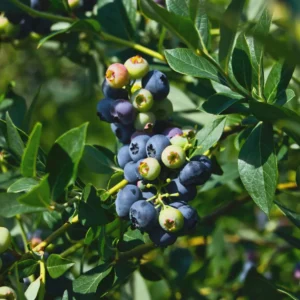
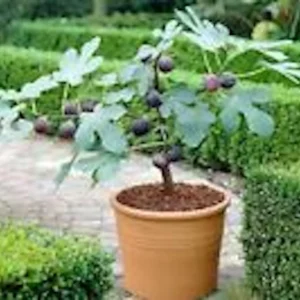
Bring a touch of the tropics to your home with this dwarf banana plant. This tropical fruiting plant is perfect for patios or bright indoor spaces, offering the delight of homegrown bananas. Easy to care for and visually appealing, it’s a fantastic addition to any plant collection. Get ready to grow dwarf banana trees!
$16.00

With our Alive & Thrive Guarantee, we’ve got your back for the first 30 days! If you have any concerns about your plants, just reach out to us. Our team is here to help answer your questions and guide you in selecting the best plants for your garden, climate, and unique preferences. We're excited to help you create the garden of your dreams!
Estimated arrival
Mar 22
Mar 27 - Mar 29
Apr 01 - Apr 05
Product Details
-
USDA Hardiness Zone
USDA zones 9-11 (outdoors) or indoors year-round -
Soil type
Rich, well-draining potting mix -
Sunlight Exposure
Full sun (6-8+ hours direct light daily) -
Expected Planting Period
Year-round indoors; Spring to early summer outdoors in suitable zones
Overview
Embark on an exciting journey of growing your own exotic fruit with a dwarf banana plant. This remarkable live plant, often a variety of Musa acuminata, brings the lush beauty and delicious bounty of the tropics directly to your home or garden. Unlike their towering relatives, these compact banana trees are specially cultivated to remain at a manageable size, making them ideal for container gardening on patios, balconies, or even as a vibrant indoor houseplant. Imagine harvesting fresh, sweet bananas right from your own space! The dwarf banana plant is not just about fruit; it also offers stunning, large, paddle-shaped leaves that create an instant tropical ambiance, enhancing any living area with its vibrant green foliage and unique form. It’s a fantastic choice for both seasoned gardeners and enthusiastic beginners looking to expand their horticultural horizons.
Growing a dwarf banana plant is a rewarding experience, providing both ornamental appeal and the joy of fresh, homegrown produce. These plants are known for their relatively fast growth rate and ability to produce fruit within a few years under optimal conditions. Whether you’re looking to cultivate a unique edible landscape or simply add an exotic touch to your interior decor, this plant offers an unparalleled combination of beauty and utility. Its adaptability to various growing environments, from sunny garden spots to bright indoor rooms, makes it a versatile and popular choice among plant enthusiasts.
Key Benefits
The dwarf banana plant offers a multitude of benefits, making it an excellent addition to any home or garden. Its unique characteristics contribute to both aesthetic appeal and practical value, providing a truly enriching experience for plant lovers.
- Homegrown Tropical Fruit: Enjoy the unparalleled satisfaction of harvesting your own sweet, delicious bananas. The fruit from a dwarf banana plant is often richer in flavor than store-bought varieties, providing a fresh and healthy treat right at your fingertips.
- Exotic Aesthetic Appeal: With its large, vibrant green leaves and distinctive growth habit, this plant instantly transforms any space into a tropical oasis. It adds a dramatic and lush focal point, perfect for enhancing patios, conservatories, or sunny indoor rooms.
- Compact & Manageable Size: Unlike standard banana trees that can reach towering heights, the dwarf varieties are bred to remain compact, typically growing only 6-12 feet tall. This makes them perfectly suited for container gardening and smaller spaces, allowing more people to grow dwarf banana trees.
- Air Purification Qualities: Like many large-leaved plants, the musa acuminata helps improve indoor air quality by absorbing toxins and releasing oxygen, contributing to a healthier and more refreshing environment.
- Educational Experience: Growing a fruiting plant from scratch offers a wonderful educational opportunity for families and children, teaching them about plant life cycles, cultivation, and the origins of their food.
- Versatile Growing Options: This tropical fruiting plant can thrive both indoors in a bright, sunny spot or outdoors in warmer climates (USDA zones 9-11), offering flexibility for various gardening setups.
- Relatively Quick Fruiting: With proper care, dwarf banana plants can start producing fruit in as little as 1-3 years, a relatively quick turnaround for a fruiting tree.
Plant Care & Growing Tips
Caring for your dwarf banana plant is straightforward, but requires attention to a few key environmental factors to ensure healthy growth and bountiful fruit production. Understanding its needs will help you successfully grow dwarf banana trees, whether indoors or outdoors. Banana plants are heavy feeders and drinkers, so consistent care is crucial.
Sunlight Requirements: Banana plants thrive in full sun, meaning at least 6-8 hours of direct sunlight per day. If growing indoors, place your plant in the brightest south-facing window possible. If natural light is insufficient, consider supplementing with a grow light. Outdoors, choose a location that receives ample morning sun and some afternoon shade in extremely hot climates to prevent leaf scorching. Ensure your musa acuminata gets enough light to encourage vigorous growth.
Watering Schedule & Soil Moisture: These tropical plants love consistent moisture. Water thoroughly when the top inch of soil feels dry to the touch. During warm growing seasons, this might mean daily watering, especially for container-grown plants. Reduce watering slightly in cooler months or when the plant is dormant. Ensure good drainage to prevent root rot, as soggy soil is detrimental. Never let the plant sit in standing water.
Soil Type & Drainage: A rich, well-draining potting mix is essential. A good blend would include compost, peat moss, and perlite or sand to improve drainage. For outdoor planting, amend heavy clay soils with organic matter to enhance drainage and fertility. The ideal pH for banana plants is slightly acidic to neutral, between 6.0 and 7.0.
Temperature Range & USDA Hardiness Zone: Banana plants are tropical and prefer warm temperatures, ideally between 75-85°F (24-29°C). They are sensitive to cold and should be protected from temperatures below 50°F (10°C). If grown outdoors in cooler climates, they must be brought indoors for winter. This tropical fruiting plant is best suited for USDA Zones 9-11 for year-round outdoor cultivation. In colder zones, it thrives as a potted indoor plant.
Fertilization Schedule & Type: Banana plants are heavy feeders. During the active growing season (spring through fall), fertilize every 2-4 weeks with a balanced, slow-release fertilizer or a liquid fertilizer high in potassium. Reduce or stop fertilizing in winter. Follow product instructions carefully to avoid over-fertilization, which can burn the roots.
Common Problems & Solutions: Watch out for common pests like spider mites, aphids, and mealybugs, especially on indoor plants. Treat with insecticidal soap or neem oil. Yellowing leaves can indicate overwatering, underwatering, or nutrient deficiencies. Brown, crispy leaf edges often suggest low humidity or insufficient watering. Ensure consistent care to prevent most issues.
Size & Details
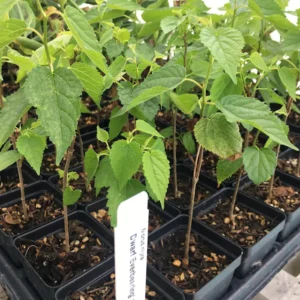
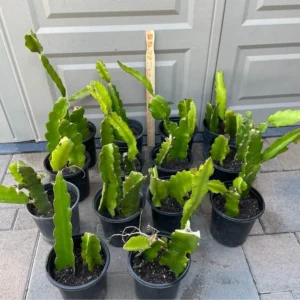
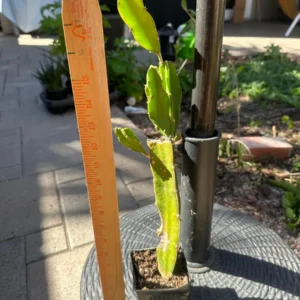
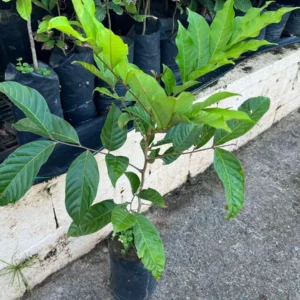
This dwarf banana plant is typically shipped as a young, healthy specimen, usually ranging from 6 to 12 inches in height from the base of the pot. It arrives well-rooted in its nursery pot, ready for transplanting into a larger container or directly into your garden if your climate permits. While dwarf varieties, these plants can still reach a mature height of 6 to 12 feet, with a spread of 3 to 5 feet, making them a significant presence in any space. The growth rate is relatively fast under optimal conditions, with plants often reaching maturity and beginning to fruit within 1 to 3 years from planting.
Each plant is carefully selected to ensure vigor and health, providing you with the best possible start for your tropical journey. The exact size and number of leaves may vary slightly depending on the season and individual plant growth, but all are nurtured to establish a strong root system. Expect large, vibrant green leaves that can grow several feet long, adding to the plant’s majestic appearance. This tropical fruiting plant is an investment in both beauty and delicious produce, promising a unique and rewarding gardening experience.
Frequently Asked Questions
- Q: How big does this plant get? A: This dwarf banana plant typically grows to a mature height of 6 to 12 feet with a spread of 3 to 5 feet. Its compact size makes it suitable for container growing, allowing you to manage its overall size more easily.
- Q: Is this an indoor or outdoor plant? A: The dwarf banana plant is versatile and can be grown both indoors and outdoors. It thrives outdoors in USDA Zones 9-11. In colder climates, it makes an excellent indoor plant, provided it receives ample sunlight.
- Q: How much sunlight does it need? A: Banana plants require a lot of light. They need at least 6-8 hours of direct sunlight per day to flourish and produce fruit. If growing indoors, place it in the brightest possible window or use a grow light.
- Q: Is this plant easy to care for? A: While tropical plants have specific needs, the dwarf banana plant is considered relatively easy to care for once you understand its requirements for sun, water, and nutrients. Consistent attention to these factors will lead to a thriving plant.
- Q: What condition will it arrive in? A: Your plant will arrive healthy and well-rooted in its nursery pot, typically 6-12 inches tall. It will be carefully packaged to ensure minimal stress during transit, ready for you to transplant and nurture.
- Q: How long until it blooms and fruits? A: Under ideal growing conditions, a dwarf banana plant can start producing flowers and fruit in as little as 1 to 3 years. Factors like light, temperature, and consistent feeding play a significant role in its fruiting timeline.
- Q: Can I grow a banana tree in a pot permanently? A: Yes, musa acuminata varieties are excellent for permanent container growing. Choose a large pot (at least 15-20 gallons) with good drainage, and be prepared to repot every few years as the plant grows.
- Q: What’s the best soil for this tropical fruiting plant? A: Use a rich, well-draining potting mix. A good blend includes compost for nutrients, peat moss for moisture retention, and perlite or sand for excellent drainage. This helps prevent root rot and supports healthy growth.
- Q: Will it survive winter in my zone? A: If you live in USDA Zones 9-11, your dwarf banana plant can survive winter outdoors. In colder zones, it must be brought indoors before temperatures drop below 50°F (10°C) and kept in a warm, bright location.
- Q: Is this plant pet-safe? A: Banana plants (Musa genus) are generally considered non-toxic to cats and dogs, making them a safe choice for homes with pets. However, it’s always best to prevent pets from ingesting large quantities of any plant material.
Related products
-10%
Original price was: $89.99.$80.99Current price is: $80.99.
-20%
Original price was: $56.00.$44.80Current price is: $44.80.
-50%
Original price was: $39.98.$19.99Current price is: $19.99.
-20%
Original price was: $36.00.$28.80Current price is: $28.80.
-20%
Original price was: $60.00.$48.00Current price is: $48.00.
-10%
Original price was: $48.99.$44.09Current price is: $44.09.
-20%
Original price was: $31.98.$25.58Current price is: $25.58.
PLANTING & CARE

The Comprehensive Guide to Growing Bay Leaf Plants for a Flavorful Garden
Imagine stepping into your garden, greeted by the earthy aroma of fresh bay leaves, their
09
Feb
Feb

How to Make Comfrey Tea: The Ultimate Organic Plant Food
Growing an organic garden can be surprisingly expensive, especially when most store-bought fertilizers come in
02
Feb
Feb

True Comfrey: 7 Essential Tips Before You Plant This Herb
A staple in permaculture practices across the US, True Comfrey easily earns its reputation as
27
Jan
Jan

7 Heart-Shaped Plants for a Lasting Valentine’s Gift
If you’ve ever bought a bouquet of roses for Valentine’s Day, you know they are
26
Jan
Jan

Best Types of Ivy Plant for Houses: How to Choose the Perfect Ones for Your Home
Are you a garden lover looking to introduce some greenery into your home? Maybe you’ve
14
Nov
Nov

When to Harvest Garlic (Especially Fall-Planted Garlic)
TIMING IS EVERYTHING, they say – and for garlic, that truth hits with surprising accuracy.
13
Nov
Nov

11 of the Best Sweet Potato Varieties to Grow for Your Garden
If you’ve ever tried growing sweet potatoes, you know that picking the right variety can
12
Nov
Nov
Pruning Bougainvillea for Winter
Bougainvillea vines are known for their dazzling display of magenta, orange, and fuchsia bracts that
05
Nov
Nov