Moringa Oleifera Seeds – Grow Your Own Moringa Tree – Nutrient-Rich Superfood Seeds
-50%
Moringa Oleifera Seeds – Grow Your Own Moringa Tree – Nutrient-Rich Superfood Seeds
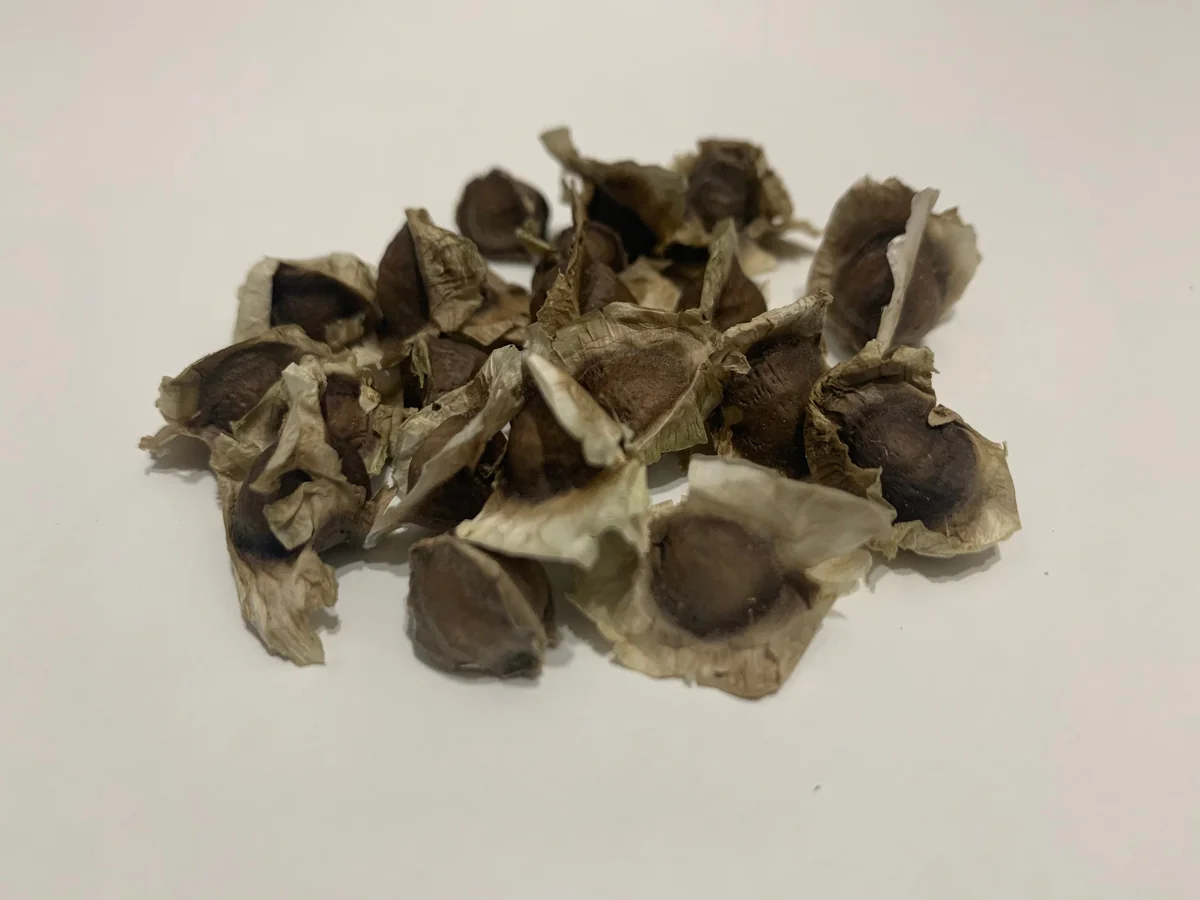
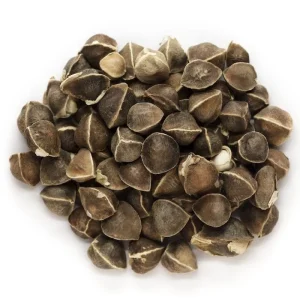
Cultivate your own superfood garden with our premium moringa oleifera seeds. Perfect for growing the highly nutritious moringa tree seeds at home, these seeds are easy to plant and yield a fast-growing, beneficial plant. Discover the many moringa plant benefits by starting your own green journey today.
From Original price was: $64.00.$32.00Current price is: $32.00.

With our Alive & Thrive Guarantee, we’ve got your back for the first 30 days! If you have any concerns about your plants, just reach out to us. Our team is here to help answer your questions and guide you in selecting the best plants for your garden, climate, and unique preferences. We're excited to help you create the garden of your dreams!
Estimated arrival
Mar 31
Apr 05 - Apr 07
Apr 10 - Apr 14

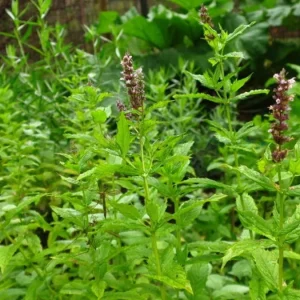
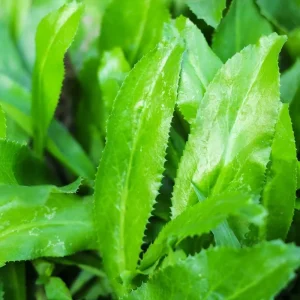

Product Details
-
USDA Hardiness Zone
USDA zones 9-11 (or grown as annual/container plant elsewhere) -
Soil type
Well-draining sandy loam soil -
Sunlight Exposure
Full sun (6-8 hours daily) -
Expected Planting Period
Spring to early summer
Overview
Embark on a journey to cultivate your own ‘Miracle Tree’ with our high-quality moringa oleifera seeds. Known scientifically as Moringa oleifera, this remarkable plant is celebrated worldwide for its exceptional nutritional profile and rapid growth. Our premium seeds provide the perfect foundation for growing your own moringa tree, whether in a garden, on a patio, or indoors in a suitable container. Often referred to as a ‘superfood,’ moringa leaves, pods, and flowers are packed with vitamins, minerals, and antioxidants. Starting from seed is a rewarding and economical way to ensure a fresh, continuous supply of this powerhouse plant. These seeds are specifically selected for their viability and potential to produce robust, healthy moringa plants, making it simple to grow moringa from seed and integrate this nutritious powerhouse into your daily life.
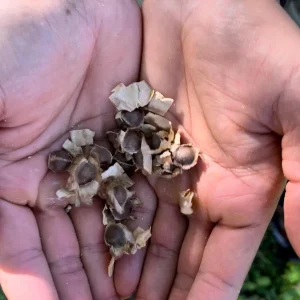
This offering is for viable moringa oleifera seeds, ready for planting. Each seed holds the potential to grow into a thriving moringa tree, capable of reaching significant heights and producing an abundance of nutrient-dense foliage and pods. Perfect for health-conscious individuals and gardening enthusiasts alike, these seeds open up a world of possibilities for fresh, organic nutrition right from your backyard or windowsill. Don’t miss the opportunity to experience the incredible advantages of cultivating your own moringa tree seeds.
Key Benefits
Cultivating moringa from seed offers a multitude of advantages, both for your health and your garden. The resulting plants are not only beautiful but also incredibly versatile, providing a host of benefits that make them a must-have for any home gardener.
- Exceptional Nutritional Value: Moringa is often called the ‘Miracle Tree’ due to its leaves being packed with vitamins (A, C, E, K), minerals (calcium, potassium, iron), and essential amino acids. Growing your own ensures a fresh supply of these vital nutrients.
- Fast Growth and High Yield: Moringa oleifera seeds germinate quickly and the trees grow rapidly, allowing for frequent harvests of leaves and pods. This means you can enjoy fresh moringa year-round with proper care.
- Versatile Culinary Use: The leaves can be used fresh in salads, smoothies, and stirred into cooked dishes. The young pods are edible and resemble green beans, while the flowers can be added to salads. Explore diverse culinary applications directly from your garden.
- Potential Health Benefits: Traditional medicine systems have long utilized moringa for its purported anti-inflammatory, antioxidant, and blood sugar-regulating properties. Enjoy the potential wellness advantages of a homegrown supply.
- Drought-Tolerant and Resilient: Once established, moringa trees are remarkably resilient and drought-tolerant, making them a sustainable choice for various climates. This hardiness makes it easier to grow moringa from seed successfully.
- Easy to Cultivate: These moringa tree seeds are relatively easy to germinate and grow, even for beginner gardeners. With basic care, you can establish a flourishing moringa plant in your garden or container.
- Sustainable Food Source: By growing your own moringa, you contribute to sustainable living and reduce your reliance on commercially processed supplements, ensuring you know exactly where your superfood comes from.
Plant Care & Growing Tips
To successfully grow moringa from seed and cultivate a healthy moringa tree, understanding its basic care requirements is essential. Moringa thrives in warm climates and prefers full sun exposure, meaning at least 6-8 hours of direct sunlight per day. If planting indoors, choose a south-facing window or supplement with grow lights to ensure adequate light. The ideal temperature range for moringa is between 70°F and 95°F (21°C-35°C), and it is not frost-tolerant. In regions with cold winters, it’s best to grow moringa in containers that can be moved indoors or treated as an annual.
Moringa prefers well-draining soil. A sandy loam soil with a neutral to slightly acidic pH (6.0-7.0) is ideal. When planting moringa oleifera seeds, sow them directly into the ground or pots about 1 inch deep. Keep the soil consistently moist until germination, which usually occurs within 1-2 weeks. Once established, moringa is quite drought-tolerant, but regular watering, especially during dry spells, will promote faster growth and more abundant leaf production. Avoid overwatering, as this can lead to root rot. Fertilization is generally not heavily required in rich soil, but a balanced organic fertilizer can be applied every few months to encourage vigorous growth. Pruning is beneficial to maintain a manageable size and encourage bushier growth and more leaf production, making harvesting easier. This also helps to ensure the continued health and vitality of your moringa tree seeds as they mature into robust plants.
Size & Details
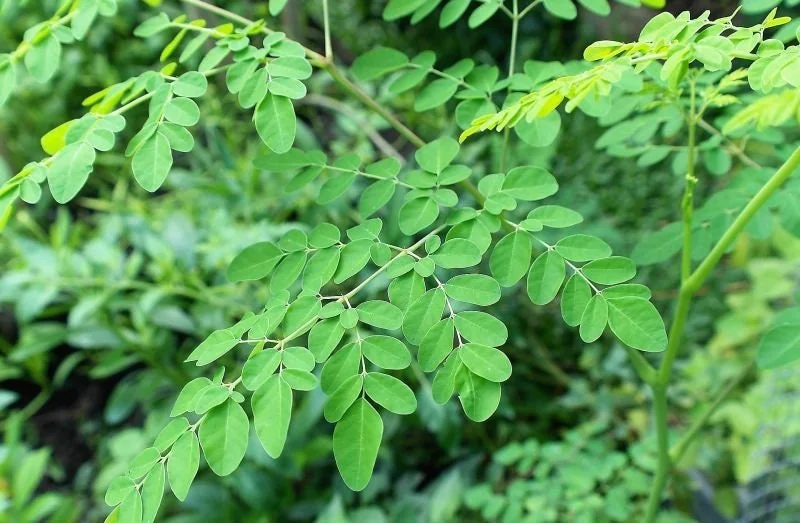
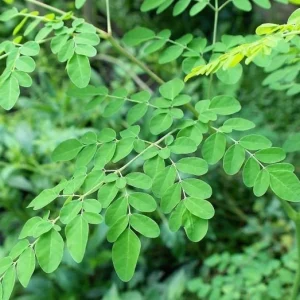
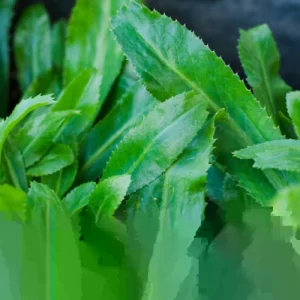
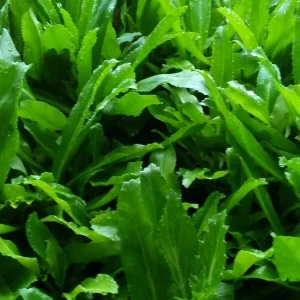
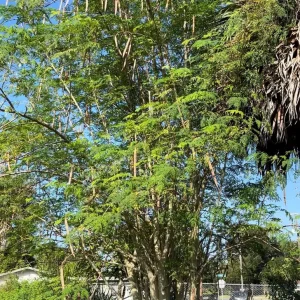
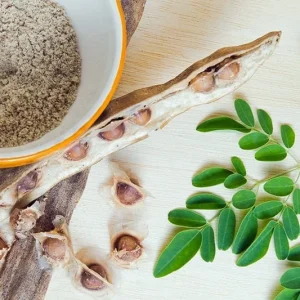
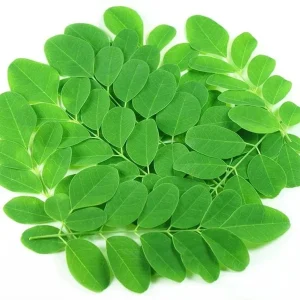
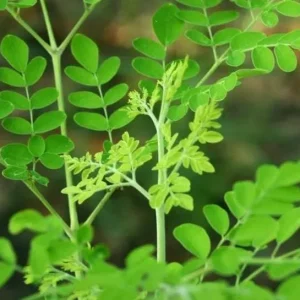
This product includes viable moringa oleifera seeds, ready for planting. Each seed has the potential to grow into a fast-growing tree. In ideal conditions, moringa trees can reach heights of 10-15 feet in just one year, eventually maturing to 20-40 feet if left unpruned. For home gardens and container growing, regular pruning can keep the tree at a more manageable 6-10 feet, encouraging a bushier habit conducive to frequent leaf harvesting. The leaves are typically small, oval, and bright green, growing in clusters. The tree will produce elongated seed pods after about 8-12 months from planting, containing more seeds for future propagation. These seeds are shipped in a protective packet to ensure viability upon arrival, providing you with the best start to buy moringa seeds and grow your own.
Frequently Asked Questions
- Q: How big does a moringa tree get? A: A moringa tree can grow very quickly, reaching 10-15 feet in its first year. If left unpruned, it can eventually reach 20-40 feet, but it can be kept smaller with regular trimming for easy harvesting of moringa plant benefits.
- Q: Is this an indoor or outdoor plant? A: Moringa thrives outdoors in warm, frost-free climates (USDA zones 9-11). In cooler regions, it can be grown in containers and brought indoors during winter or treated as an annual to enjoy the moringa oleifera seeds.
- Q: How much sunlight does it need? A: Moringa requires full sun exposure, ideally 6-8 hours of direct sunlight per day, to ensure optimal growth and health for your moringa tree seeds.
- Q: Is this plant easy to care for? A: Yes, moringa is known for being relatively easy to care for, especially once established. It’s drought-tolerant and resilient, making it suitable for beginner gardeners interested in the moringa plant benefits.
- Q: What condition will the seeds arrive in? A: The moringa oleifera seeds will arrive securely packaged to protect them during transit, ensuring they are viable and ready for planting upon arrival.
- Q: When is the best time to plant moringa seeds? A: The best time to plant moringa oleifera seeds is in the spring or early summer after all danger of frost has passed, when soil temperatures are consistently warm.
- Q: Can I use moringa leaves in cooking? A: Absolutely! Moringa leaves are highly nutritious and can be used fresh in salads, smoothies, soups, stews, and many other dishes, offering a wealth of moringa plant benefits.
- Q: What type of soil does moringa prefer? A: Moringa prefers well-draining, sandy loam soil with a neutral to slightly acidic pH. Good drainage is crucial to prevent root rot when you grow moringa from seed.
- Q: How long until moringa leaves are ready to harvest? A: You can typically start harvesting tender moringa leaves from your plant as early as 60-90 days after planting the moringa oleifera seeds.
- Q: Will it survive winter in my zone? A: Moringa is not frost-tolerant. If you live in a zone with freezing winters, you’ll need to protect the plant by bringing it indoors or growing it as an annual if you want to enjoy the moringa tree seeds.
| Amount | Seeds 100, Seeds 20 |
|---|
Related products
-50%
Original price was: $32.00.$16.00Current price is: $16.00.

-50%
Original price was: $32.00.$16.00Current price is: $16.00.
PLANTING & CARE
Growing Glencoe Raspberry: A Complete Guide for Gardeners
If you’re looking to add something unique to your garden, look no further than the
31
Mar
Mar

The Comprehensive Guide to Growing Bay Leaf Plants for a Flavorful Garden
Imagine stepping into your garden, greeted by the earthy aroma of fresh bay leaves, their
09
Feb
Feb

How to Make Comfrey Tea: The Ultimate Organic Plant Food
Growing an organic garden can be surprisingly expensive, especially when most store-bought fertilizers come in
02
Feb
Feb

True Comfrey: 7 Essential Tips Before You Plant This Herb
A staple in permaculture practices across the US, True Comfrey easily earns its reputation as
27
Jan
Jan

7 Heart-Shaped Plants for a Lasting Valentine’s Gift
If you’ve ever bought a bouquet of roses for Valentine’s Day, you know they are
26
Jan
Jan

Best Types of Ivy Plant for Houses: How to Choose the Perfect Ones for Your Home
Are you a garden lover looking to introduce some greenery into your home? Maybe you’ve
14
Nov
Nov

When to Harvest Garlic (Especially Fall-Planted Garlic)
TIMING IS EVERYTHING, they say – and for garlic, that truth hits with surprising accuracy.
13
Nov
Nov

11 of the Best Sweet Potato Varieties to Grow for Your Garden
If you’ve ever tried growing sweet potatoes, you know that picking the right variety can
12
Nov
Nov