Plantain Plant Rhizome – Edible Herb Rootstock for Garden
-50%
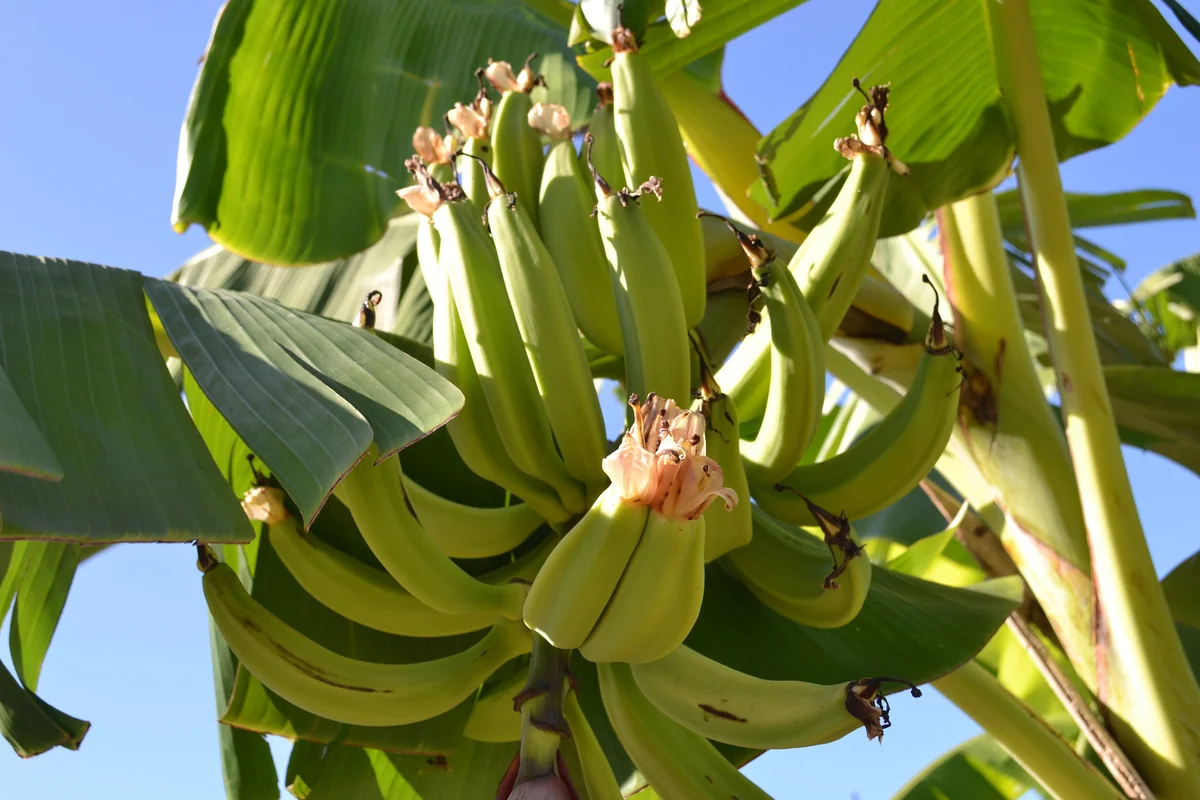
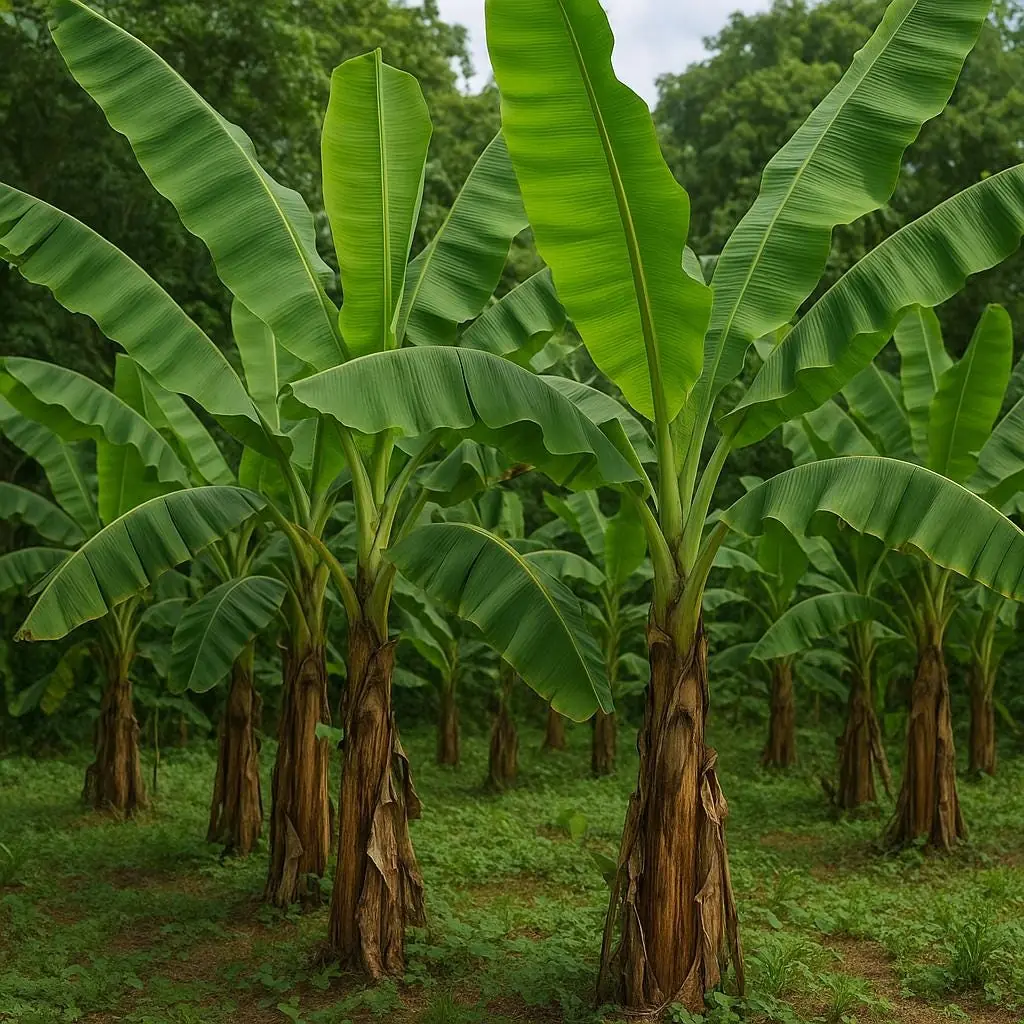
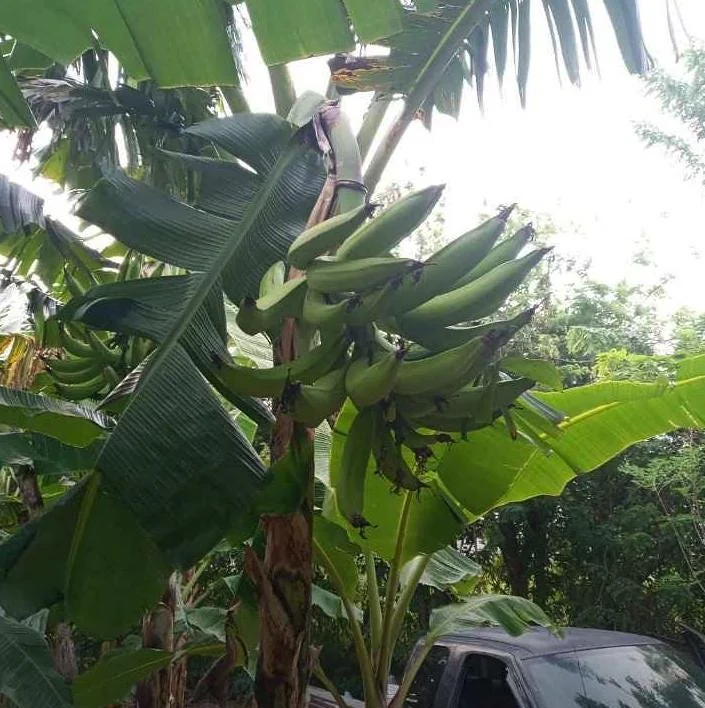



Plantain Plant Rhizome – Edible Herb Rootstock for Garden
Cultivate your own tropical harvest with a plantain plant rhizome. This rootstock is ready to grow into a productive plant, offering fresh, delicious plantains right from your garden. Ideal for warm climates or container growing indoors.
Original price was: $132.00.$66.00Current price is: $66.00.

With our Alive & Thrive Guarantee, we’ve got your back for the first 30 days! If you have any concerns about your plants, just reach out to us. Our team is here to help answer your questions and guide you in selecting the best plants for your garden, climate, and unique preferences. We're excited to help you create the garden of your dreams!
Estimated arrival
Mar 10
Mar 15 - Mar 17
Mar 20 - Mar 24

Product Details
-
USDA Hardiness Zone
USDA Zones 9-11 (or container indoors) -
Soil type
Rich, well-draining soil -
Sunlight Exposure
Full sun (6-8 hours direct light) -
Expected Planting Period
Spring to early summer
Overview
Embark on a rewarding gardening journey with a premium plantain plant rhizome. This foundational rootstock is the essential starting point for cultivating your very own plantain plant, scientifically known as Musa paradisiaca. Plantains, often mistaken for bananas, are a versatile and staple food in many tropical and subtropical regions worldwide. They are typically cooked before consumption, offering a starchy, savory flavor profile that can be enjoyed in a myriad of dishes, from fried plantains to stews and baked goods. Our plantain plant rhizome provides a robust and healthy base, ensuring a strong start for your new plant. Whether you’re an experienced gardener looking to expand your edible landscape or a novice eager to try something exotic, this rhizome offers the promise of a bountiful, homegrown harvest.
Growing your own plantains from a plantain plant rhizome allows you to enjoy the freshest produce, free from commercial pesticides and transportation stress. It’s an excellent way to connect with your food source and bring a taste of the tropics to your home. These plants are not only productive but also offer an attractive, lush foliage that can enhance the aesthetic of your garden or patio. With proper care and a suitable environment, your plantain plant will thrive, eventually producing clusters of green, starchy fruits ready for your culinary creations.
Key Benefits
Growing a plantain plant from a rhizome offers numerous advantages, from culinary delights to gardening satisfaction. This plantain plant rhizome is your gateway to fresh, organic produce and a unique gardening experience.
- Homegrown Harvest: Enjoy the unparalleled freshness and flavor of plantains grown in your own garden. You control the growing conditions, ensuring a healthy, chemical-free crop for your family. This is a primary benefit when you grow plantain plant at home.
- Culinary Versatility: Plantains are incredibly versatile in the kitchen. They can be fried, baked, boiled, or grilled, serving as a delicious side dish, snack, or ingredient in various international cuisines.
- Exotic Appeal: Add a touch of the tropics to your landscape with the large, vibrant leaves of the plantain plant. It creates a lush, exotic feel, whether planted in the ground or in a large container.
- Sustainable & Rewarding: Cultivating your own food is a sustainable practice that provides immense satisfaction. Watching your plantain plant rhizome develop into a fruit-bearing plant is a truly rewarding experience.
- Nutritional Value: Plantains are a good source of complex carbohydrates, vitamins (especially C and B6), and minerals like potassium, contributing to a healthy diet.
- Potential for Propagation: Once established, your plantain plant will produce ‘pups’ or suckers, which can be separated and replanted, allowing you to expand your plantain patch or share with friends. This ensures a continuous supply of edible plantain root for future harvests.
- Adaptable Growth: While preferring warm climates, plantains can be successfully grown in large containers in cooler regions, allowing you to bring them indoors during winter. This makes it possible to plantain for garden enthusiasts in diverse locations.
Plant Care & Growing Tips
Caring for your plantain plant, especially when starting from a plantain plant rhizome, requires attention to several key factors to ensure healthy growth and a bountiful harvest. Plantains are tropical plants, so mimicking their native environment is crucial for success. Begin by planting your rhizome in well-draining, rich soil. A mix of compost, aged manure, and regular potting soil works well. Ensure the soil remains consistently moist but never waterlogged, as this can lead to root rot. Good drainage is paramount for a robust grow plantain plant.
Plantains thrive in full sun, requiring at least 6-8 hours of direct sunlight per day. In very hot climates, some afternoon shade might be beneficial to prevent leaf scorch. They are heavy feeders, so regular fertilization is essential. Use a balanced fertilizer during the growing season, typically every 4-6 weeks. Ensure your plant is protected from strong winds, which can shred the large leaves. If growing in a container, choose a large pot (at least 15-20 gallons) to accommodate the plant’s extensive root system and provide stability. Winter protection is necessary in zones below USDA 9; container plants can be brought indoors, while outdoor plants may need heavy mulching or be treated as annuals.
Pruning is generally limited to removing dead or damaged leaves. Once a plantain stalk has produced fruit, that stalk will die back. You can cut it down to the ground, and new ‘pups’ or suckers will emerge from the base, continuing the cycle of growth and fruiting. These suckers are essentially new edible plantain root systems ready to continue the lineage. Regularly inspect your plant for pests and diseases, addressing any issues promptly to maintain plant health. Providing consistent care will ensure your plantain for garden efforts are successful.
Size & Details
This offering is for one healthy plantain plant rhizome, the underground stem from which the plant grows. The rhizome typically measures approximately 4-6 inches in length and 2-3 inches in diameter, though exact sizes may vary slightly depending on the specific specimen. Upon planting, the rhizome will begin to sprout, eventually developing into a mature plant that can reach heights of 10-15 feet in ideal outdoor growing conditions. When grown in containers, the size may be more compact, typically 6-10 feet tall, making it suitable for patios or indoor environments with sufficient space.
The growth rate of a plantain plant is relatively fast, especially in warm, humid conditions with ample sunlight and nutrients. You can expect to see initial sprouts within a few weeks of planting. Fruiting typically occurs 12-18 months after planting the rhizome, with the plant producing a single large bunch of plantains. Each rhizome has the potential to become a long-lived producer, as new suckers will continuously emerge from its base, ensuring a continuous cycle of growth and harvest. This makes it an excellent investment for anyone looking to grow plantain plant for years to come.
Frequently Asked Questions
- Q: How big does this plant get? A: A plantain plant grown from this plantain plant rhizome can reach heights of 10-15 feet in optimal outdoor conditions. In a container, it will likely stay between 6-10 feet tall, depending on the pot size and growing environment.
- Q: Is this an indoor or outdoor plant? A: Plantain plants thrive outdoors in USDA Zones 9-11. In cooler climates, they can be grown in large containers and brought indoors during the colder months, making them suitable for both indoor and outdoor cultivation.
- Q: How much sunlight does it need? A: Plantains require a significant amount of sunlight. They grow best with at least 6-8 hours of direct sun daily. In very hot climates, some afternoon shade can be beneficial to prevent leaf burn.
- Q: Is this plant easy to care for? A: Plantain plants are relatively easy to care for if their basic needs for warmth, sunlight, consistent moisture, and nutrients are met. They are considered moderate maintenance for a productive edible plant.
- Q: What condition will it arrive in? A: Your plantain plant rhizome will arrive as a dormant, healthy rootstock, carefully packaged to ensure its vitality. It will be ready for immediate planting upon arrival.
- Q: Can I use plantain in cooking? A: Absolutely! Plantains are a culinary staple. They must be cooked before consumption and can be fried, baked, boiled, or mashed, offering a starchy, savory flavor. This is the primary use for the edible plantain root you will cultivate.
- Q: How long until it produces fruit? A: Typically, a plantain plant grown from a rhizome will begin to produce fruit within 12-18 months after planting, given proper care and ideal growing conditions.
- Q: What is the best time to plant a plantain plant rhizome? A: The best time to plant is in spring or early summer after all danger of frost has passed, when soil temperatures are consistently warm. This gives the plant ample time to establish before cooler weather.
- Q: Will it survive winter in my zone? A: If you are outside of USDA Zones 9-11, your plantain plant will need winter protection. Container plants can be moved indoors, or outdoor plants can be heavily mulched, though they may die back and regrow from the plantain for garden rhizome in spring.
- Q: What kind of soil does it prefer? A: Plantains prefer rich, well-draining soil with a slightly acidic to neutral pH (6.0-7.0). Amending your soil with plenty of organic matter, such as compost, will help ensure good drainage and fertility for your musa paradisiaca rhizome.
Related products
-20%
Original price was: $36.00.$28.80Current price is: $28.80.
-20%
Original price was: $36.00.$28.80Current price is: $28.80.
-54%
From Original price was: $20.99.$10.49Current price is: $10.49.
-20%
Original price was: $48.00.$38.40Current price is: $38.40.
-50%

Original price was: $59.96.$29.98Current price is: $29.98.
-20%
Original price was: $48.00.$38.40Current price is: $38.40.
PLANTING & CARE

The Comprehensive Guide to Growing Bay Leaf Plants for a Flavorful Garden
Imagine stepping into your garden, greeted by the earthy aroma of fresh bay leaves, their
09
Feb
Feb

How to Make Comfrey Tea: The Ultimate Organic Plant Food
Growing an organic garden can be surprisingly expensive, especially when most store-bought fertilizers come in
02
Feb
Feb

True Comfrey: 7 Essential Tips Before You Plant This Herb
A staple in permaculture practices across the US, True Comfrey easily earns its reputation as
27
Jan
Jan

7 Heart-Shaped Plants for a Lasting Valentine’s Gift
If you’ve ever bought a bouquet of roses for Valentine’s Day, you know they are
26
Jan
Jan

Best Types of Ivy Plant for Houses: How to Choose the Perfect Ones for Your Home
Are you a garden lover looking to introduce some greenery into your home? Maybe you’ve
14
Nov
Nov

When to Harvest Garlic (Especially Fall-Planted Garlic)
TIMING IS EVERYTHING, they say – and for garlic, that truth hits with surprising accuracy.
13
Nov
Nov

11 of the Best Sweet Potato Varieties to Grow for Your Garden
If you’ve ever tried growing sweet potatoes, you know that picking the right variety can
12
Nov
Nov
Pruning Bougainvillea for Winter
Bougainvillea vines are known for their dazzling display of magenta, orange, and fuchsia bracts that
05
Nov
Nov