Japanese Holly Fern Live Plant – Cyrtomium Falcatum, 4” Pot, Indoor/Outdoor
-50%
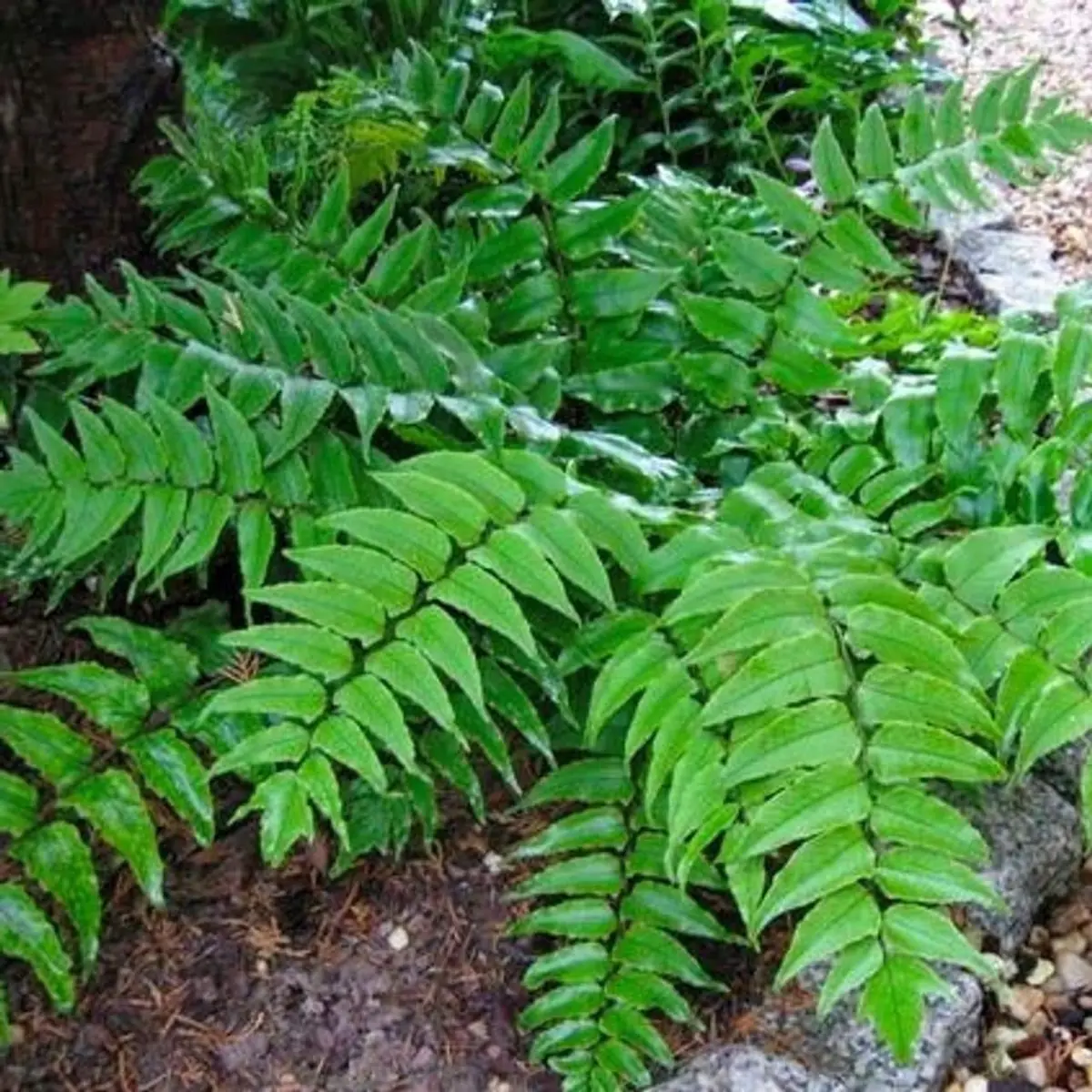
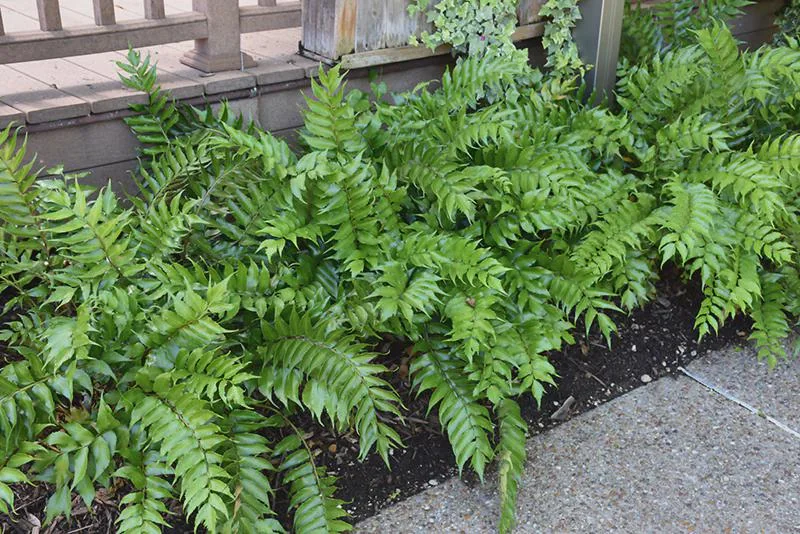
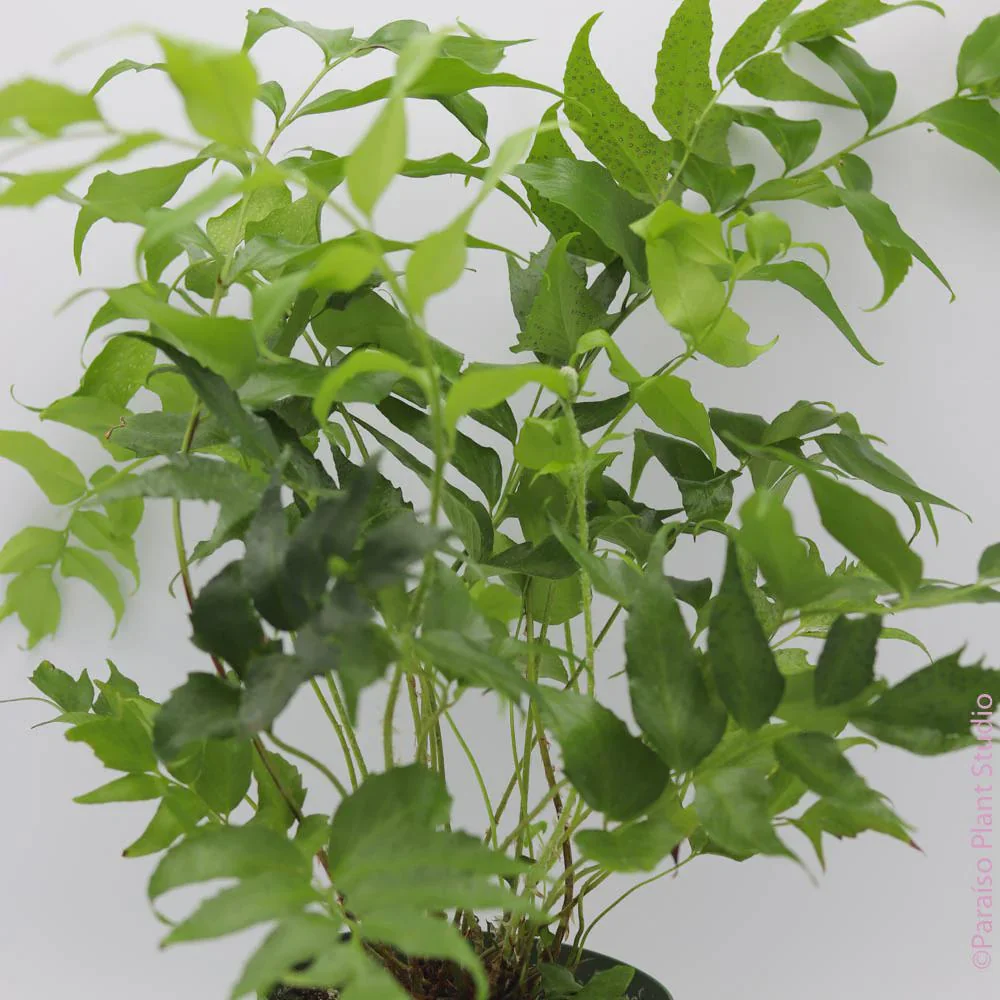
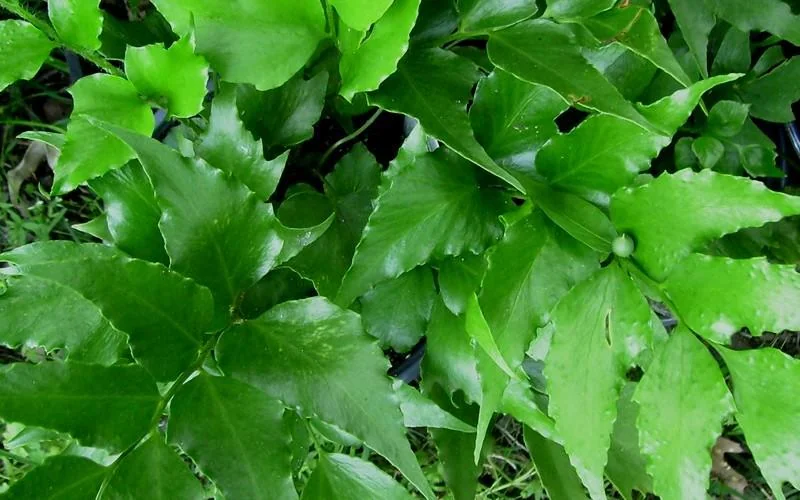
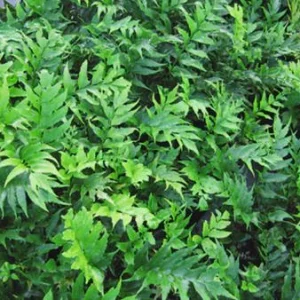
Japanese Holly Fern Live Plant – Cyrtomium Falcatum, 4” Pot, Indoor/Outdoor
Bring lush, evergreen beauty to your space with this Japanese Holly Fern live plant (Cyrtomium falcatum) in a 4” Pot. Known for its glossy, dark green fronds, this hardy fern thrives in low light and is perfect for both indoor and shaded outdoor environments. An easy-care choice for beginners and experienced plant enthusiasts alike.
From Original price was: $86.00.$43.00Current price is: $43.00.

With our Alive & Thrive Guarantee, we’ve got your back for the first 30 days! If you have any concerns about your plants, just reach out to us. Our team is here to help answer your questions and guide you in selecting the best plants for your garden, climate, and unique preferences. We're excited to help you create the garden of your dreams!
Estimated arrival
Mar 23
Mar 28 - Mar 30
Apr 02 - Apr 06


Product Details
-
USDA Hardiness Zone
USDA zones 7-10 (outdoor), adaptable indoors -
Soil type
Well-draining, rich in organic matter -
Sunlight Exposure
Low indirect light to deep shade -
Expected Planting Period
Year-round indoors; Spring to Fall outdoors in suitable zones
Overview
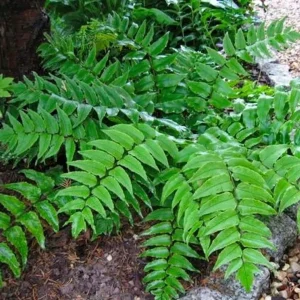
Introduce a touch of vibrant green to your living space or garden with the stunning Japanese Holly Fern live plant. Also known by its botanical name, Cyrtomium falcatum, this exceptional fern variety is celebrated for its distinctive, holly-like foliage that remains evergreen throughout the year. Each leaf boasts a glossy, dark green hue and leathery texture, creating an elegant and sophisticated look. Originating from East Asia, the Japanese Holly Fern live plant is a resilient and adaptable specimen, making it a popular choice for both seasoned gardeners and those new to plant care. Its unique appearance and robust nature ensure it stands out in any collection, providing lush greenery with minimal fuss. This beautiful plant arrives ready to thrive, potted in a convenient 4” Pot, perfect for immediate display or transplanting.
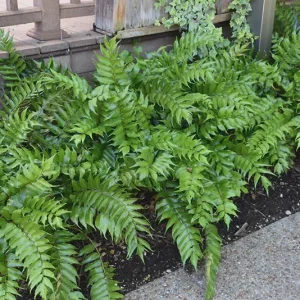
The Cyrtomium falcatum is particularly valued for its ability to flourish in shaded conditions where many other plants struggle. Its architectural fronds, which can reach over 0.5 meters (1.6 ft) in length, are composed of six to ten pairs of shiny, bright green leaflets. These leaflets feature a flat to wavy margin and a delicate net-like pattern of veining, adding to its visual appeal. Whether you’re looking to enhance a dimly lit corner indoors or add texture to a shaded outdoor landscape, this Japanese Holly Fern live plant offers a reliable and attractive solution. It’s a fantastic way to bring natural beauty and a calming atmosphere into your home or garden.
Key Benefits
The Japanese Holly Fern live plant offers a multitude of benefits, making it an excellent addition to diverse environments. Its hardiness and striking appearance contribute significantly to its appeal and ease of integration into various settings.
- Evergreen Foliage: Enjoy year-round beauty with glossy, dark green fronds that maintain their vibrant color, providing consistent visual interest even in winter. This makes the Japanese Holly Fern live plant a dependable choice for continuous greenery.
- Shade Tolerance: Thrives in low-light conditions, making it ideal for shaded gardens, north-facing windows, or interiors where other plants might struggle. It is a perfect solution for adding life to darker areas.
- Low Maintenance: This fern is remarkably easy to care for, requiring minimal attention once established. It’s an excellent choice for busy individuals or novice plant parents looking for a resilient plant.
- Air Purification: Like many ferns, Cyrtomium falcatum contributes to a healthier indoor environment by helping to filter airborne toxins and improve air quality.
- Versatile Placement: Suitable for both indoor houseplant displays and outdoor garden settings in appropriate climates, offering flexibility in how you choose to enjoy its beauty. Its adaptability makes it a versatile outdoor fern plant.
- Drought Resistance: Once established, it shows good resistance to dry periods, making it more forgiving than many other fern varieties. This contributes to the overall resilience of the hardy fern for shade.
- Unique Texture: The leathery, holly-shaped leaflets provide a distinctive texture that can add depth and contrast to plant arrangements and garden beds.
Plant Care & Growing Tips
Caring for your Japanese Holly Fern live plant is relatively straightforward, thanks to its robust and adaptable nature. Understanding its basic needs will ensure it flourishes and retains its vibrant appearance for years to come. This plant is known for being a hardy fern for shade, making it forgiving even for beginners.
Sunlight Requirements: The Cyrtomium falcatum care guide emphasizes its preference for low indirect light to deep shade. Outdoors, plant it in locations protected from direct harsh sunlight, such as under trees, bushes, or on the north side of a building. Indoors, place it near a window that receives filtered light or in a room with ambient light, avoiding direct sun exposure, which can scorch its delicate fronds. This makes it an ideal indoor holly fern for less bright spots.
Watering & Soil: While not overly picky about soil composition, good drainage and aeration are crucial for the Japanese Holly Fern live plant. It appreciates consistently moist soil but dislikes being waterlogged. Water thoroughly when the top inch of soil feels dry to the touch, and allow excess water to drain away. If grown in a container, ensure it has drainage holes. Outdoors, ensure the soil is rich in organic matter and drains well. The plant can even grow mounted on driftwood or rocks, provided its rhizome and rootball have some sphagnum moss or other organic medium to retain moisture. For outdoor fern plant settings, aim for consistent moisture without saturation.
Temperature & Hardiness: The Japanese Holly Fern live plant is reliably hardy in USDA zones 7 to 10 for outdoor planting. In colder climates, it is best grown as an indoor holly fern or brought indoors during winter. It tolerates a wide range of temperatures but prefers moderate conditions. Protect it from extreme cold and frost, which can damage the fronds. Fertilization is not strictly required, as they are minimal feeders. However, a yearly or twice-yearly application of a balanced, slow-release granular plant feed can be beneficial to encourage lush growth. When considering Cyrtomium falcatum care, remember its resilience in varied conditions.
Size & Details
This Japanese Holly Fern live plant is supplied in a 4” Pot, making it a perfect size for immediate display or easy transplanting into a larger container or garden bed. The mature fronds of Cyrtomium falcatum can reach lengths exceeding 0.5 meters (1.6 ft), creating an impressive spread over time. When mature, the plant typically forms a dense clump, reaching a height of 1-2 feet and a similar spread, though size can vary depending on growing conditions and environment. Its growth rate is moderate, allowing you to enjoy its development without it quickly outgrowing its space. This indoor holly fern arrives as a well-established specimen, ready to adapt to its new home. It’s an ideal choice for adding a touch of nature to desks, shelves, or as an understory plant in a shaded garden. The leathery texture and unique shape of the leaflets contribute to its distinctive presence.
Frequently Asked Questions
- Q: How big does this Japanese Holly Fern live plant get? A: The Japanese Holly Fern live plant typically grows to about 1-2 feet tall and wide at maturity, though frond lengths can exceed 1.6 feet. Its size can vary based on growing conditions and container size.
- Q: Is this an indoor or outdoor plant? A: This fern is versatile! It thrives as an indoor holly fern in areas with very cold or hot conditions, and as an outdoor fern plant in temperate climates (USDA zones 7-10) in shaded locations.
- Q: How much sunlight does the Cyrtomium falcatum need? A: The Cyrtomium falcatum prefers low indirect light to deep shade. Avoid direct sunlight, which can burn its fronds. It’s a true hardy fern for shade.
- Q: What condition will the Japanese Holly Fern live plant arrive in? A: Your Japanese Holly Fern live plant will arrive as a healthy, well-rooted specimen in a 4” Pot, carefully packaged to ensure its safe journey.
- Q: Is this plant easy to care for? A: Yes, the Japanese Holly Fern live plant is considered low-maintenance and is a great choice for beginners. Its resilience and adaptability make Cyrtomium falcatum care relatively simple.
- Q: What kind of soil does it prefer? A: It prefers well-draining soil that retains some moisture. A good quality potting mix for indoor plants or rich, organic soil for outdoor planting works best.
- Q: Will it survive winter in my zone? A: If you are in USDA zones 7-10, it will likely survive winter outdoors. In colder zones, it should be brought indoors as an indoor holly fern to protect it from frost.
- Q: How often should I water my outdoor fern plant? A: Water when the top inch of soil feels dry. Keep the soil consistently moist but never soggy. Drainage is key to healthy growth.
- Q: Does this hardy fern for shade require much fertilization? A: No, it’s a minimal feeder. A light application of slow-release fertilizer once or twice a year is sufficient, but often not strictly necessary.
- Q: Can I propagate my Cyrtomium falcatum? A: Yes, it is most commonly multiplied via rhizome division. Cuttings should be kept evenly moist and shaded in a well-aerated substrate.
| Chose Qty | 1, 2, 3, 4, 5 |
|---|
Related products
-30%
Original price was: $25.98.$18.18Current price is: $18.18.
-35%

Original price was: $37.24.$24.20Current price is: $24.20.
-35%
Original price was: $29.80.$19.36Current price is: $19.36.
-25%
Original price was: $23.00.$17.24Current price is: $17.24.
-5%
Original price was: $91.98.$87.38Current price is: $87.38.
-30%
Original price was: $129.98.$90.98Current price is: $90.98.
PLANTING & CARE

The Comprehensive Guide to Growing Bay Leaf Plants for a Flavorful Garden
Imagine stepping into your garden, greeted by the earthy aroma of fresh bay leaves, their
09
Feb
Feb

How to Make Comfrey Tea: The Ultimate Organic Plant Food
Growing an organic garden can be surprisingly expensive, especially when most store-bought fertilizers come in
02
Feb
Feb

True Comfrey: 7 Essential Tips Before You Plant This Herb
A staple in permaculture practices across the US, True Comfrey easily earns its reputation as
27
Jan
Jan

7 Heart-Shaped Plants for a Lasting Valentine’s Gift
If you’ve ever bought a bouquet of roses for Valentine’s Day, you know they are
26
Jan
Jan

Best Types of Ivy Plant for Houses: How to Choose the Perfect Ones for Your Home
Are you a garden lover looking to introduce some greenery into your home? Maybe you’ve
14
Nov
Nov

When to Harvest Garlic (Especially Fall-Planted Garlic)
TIMING IS EVERYTHING, they say – and for garlic, that truth hits with surprising accuracy.
13
Nov
Nov

11 of the Best Sweet Potato Varieties to Grow for Your Garden
If you’ve ever tried growing sweet potatoes, you know that picking the right variety can
12
Nov
Nov
Pruning Bougainvillea for Winter
Bougainvillea vines are known for their dazzling display of magenta, orange, and fuchsia bracts that
05
Nov
Nov