Native Muscadine Grape Vine Live Plant – Climbing Fruit, 4” Pot
-50%
Native Muscadine Grape Vine Live Plant – Climbing Fruit, 4” Pot
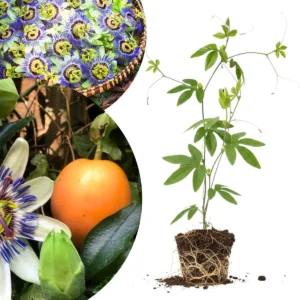
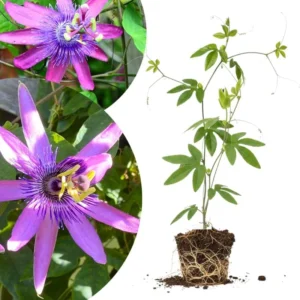
Cultivate your own vineyard with a muscadine grape vine. This vigorous native muscadine plant is perfect for trellises, arbors, or fences, offering lush foliage and delicious, nutrient-rich grapes. Shipped in a 4” Pot, ready for planting.
From Original price was: $108.00.$54.00Current price is: $54.00.

With our Alive & Thrive Guarantee, we’ve got your back for the first 30 days! If you have any concerns about your plants, just reach out to us. Our team is here to help answer your questions and guide you in selecting the best plants for your garden, climate, and unique preferences. We're excited to help you create the garden of your dreams!
Estimated arrival
Mar 23
Mar 28 - Mar 30
Apr 02 - Apr 06









Product Details
-
USDA Hardiness Zone
USDA zones 7-10 -
Soil type
Well-draining, slightly acidic to neutral soil -
Sunlight Exposure
Full sun (6-8+ hours daily) -
Expected Planting Period
Early spring or early fall
Overview
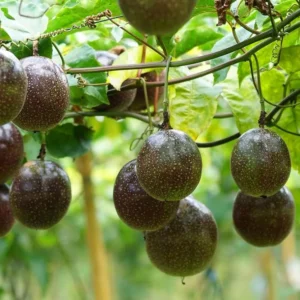
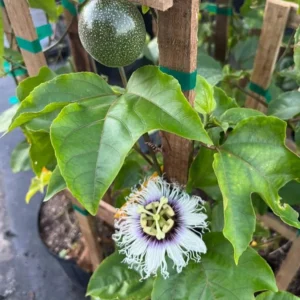
Introduce a piece of American viticultural history to your garden with this robust muscadine grape vine. Known for its resilience and delicious fruit, the native muscadine plant (Vitis rotundifolia) is a true gem in any landscape. Muscadines are a specific type of grape native to the southeastern United States, thriving in warm, humid climates. Unlike European grapes, muscadines have a thicker skin and distinct flavor, making them ideal for fresh eating, juices, jellies, and artisan wines. This climbing vine is a fantastic addition for gardeners looking to grow their own fruit or add an attractive, productive feature to their outdoor space. The plant you receive will be a healthy, established vine in a 4” Pot, ready to be transplanted and begin its journey of growth in your garden. While they may lose their leaves in colder months, this is a natural part of their dormancy cycle, ensuring a strong return in spring.
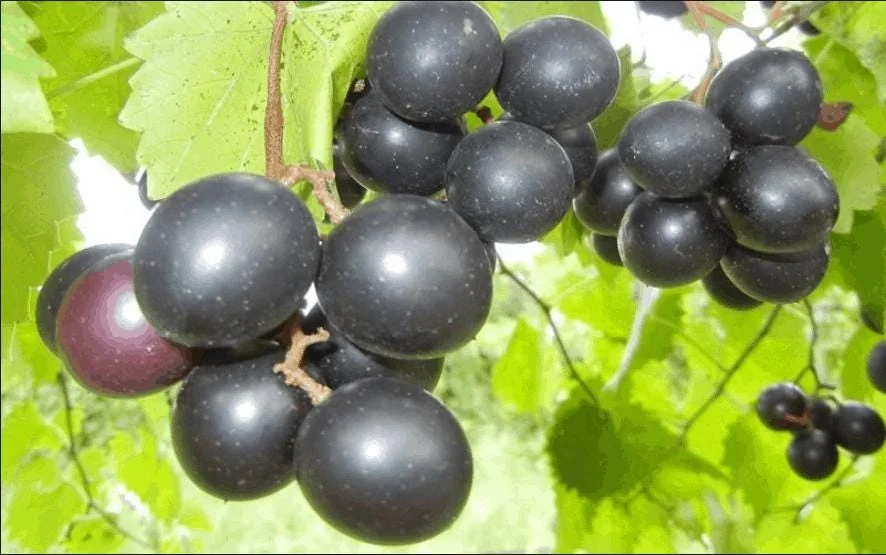
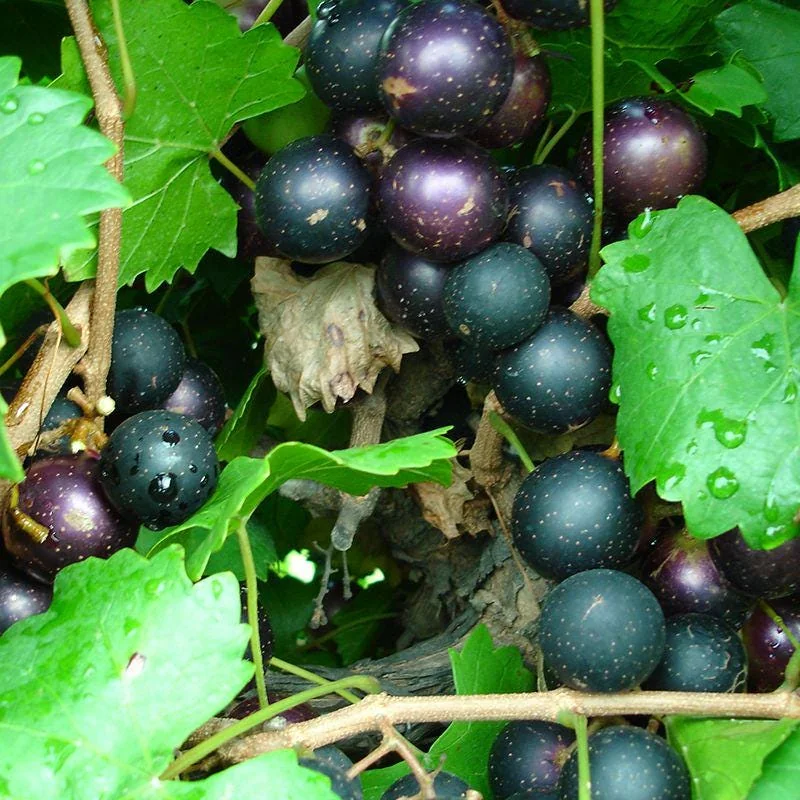
Muscadine grapes are celebrated for their unique taste and versatility. They are rich in polyphenols, offering significant health benefits. The berries can range in color from bronze, often referred to as ‘scuppernongs,’ to dark purple or black when ripe. These vines are functionally dioecious, meaning they can have male or female flowers, with many wild varieties being male. However, cultivated varieties are often selected for their fruit-bearing capabilities. They are late to bud in spring and require a good 100–120 days to mature fruit, typically producing clusters of 4 to 10 grapes. Growing your own muscadine grape vine offers the satisfaction of harvesting fresh, flavorful fruit directly from your garden.
Key Benefits
Adding a muscadine grape vine to your garden provides a wealth of advantages, from delicious harvests to ornamental appeal. These vines are not only productive but also relatively easy to care for, making them a rewarding choice for both novice and experienced gardeners.
- Delicious & Nutritious Fruit: Enjoy fresh, homegrown muscadine grapes, packed with flavor and beneficial polyphenols. The fruit is perfect for snacking, making juices, jellies, and even homemade wines.
- Vigorous Climbing Habit: This vine is an excellent choice for covering arbors, pergolas, fences, or trellises, providing beautiful green foliage and natural shade during the warmer months.
- Native Resilience: As a native muscadine plant, it is well-adapted to local conditions, often exhibiting greater resistance to pests and diseases common in its native range compared to non-native varieties.
- Low Maintenance: Once established, muscadine grape vines are relatively low-maintenance, requiring less intensive care than many other fruit-bearing plants. This makes the muscadine fruit plant an accessible option for busy gardeners.
- Long Lifespan: With proper care, a climbing grape plant can produce fruit for many years, becoming a long-term asset to your garden and providing bountiful harvests season after season.
- Wildlife Attraction: The fruit can attract beneficial wildlife, such as birds, adding biodiversity to your garden ecosystem.
- Versatile Culinary Uses: Beyond fresh eating, muscadines are excellent for a variety of culinary applications, including pies, sauces, and preserves, offering endless possibilities in the kitchen.
Plant Care & Growing Tips
Caring for your muscadine grape vine is straightforward, and with the right conditions, you can expect a thriving plant that yields delicious fruit. Muscadines are quite hardy and adaptable, but providing optimal care will ensure the best growth and fruit production. They prefer a location with full sun, meaning at least 6-8 hours of direct sunlight per day. Good air circulation is also important to prevent fungal diseases. When planting your muscadine fruit plant, ensure the soil is well-draining. While they can tolerate a range of soil types, a slightly acidic to neutral pH (5.5-6.5) is ideal. Incorporating organic matter into the planting hole can improve soil structure and fertility.
Watering is crucial, especially during the first year of establishment and during dry spells. Keep the soil consistently moist but not waterlogged. Once established, muscadines are quite drought-tolerant, but regular watering during fruit development will improve yield and fruit quality. Fertilize in early spring with a balanced fertilizer, and again after fruit set if needed. Pruning is essential for maintaining the vine’s shape, promoting fruit production, and ensuring good air circulation. The main goal of pruning is to develop a strong framework and remove old, unproductive wood. For detailed muscadine care tips, consult local agricultural extension resources for specific advice tailored to your region.
Muscadine grapes are late in breaking bud in the spring, so don’t be alarmed if they appear to be dormant longer than other plants. They typically require 100–120 days to mature fruit from the time of budding. Protection from late spring frosts may be necessary in some areas. While generally robust, keep an eye out for common grape pests and diseases, addressing any issues promptly. With these muscadine care tips, your climbing grape plant will flourish and provide many seasons of enjoyment.
Size & Details
This offering is for one muscadine grape vine, supplied as a live plant in a 4” Pot. The plant will be well-rooted and ready for transplanting into your garden or a larger container. Muscadine vines are known for their vigorous growth, and once established, they can grow several feet in a single season. The mature size of a muscadine vine can be quite substantial, often reaching lengths of 20-30 feet or more, making them ideal for covering large structures. They are typically trained along trellises, arbors, or fences to support their climbing habit and maximize fruit exposure to sunlight.
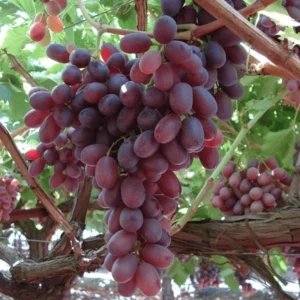
The fruit size of improved muscadine cultivars can vary from 1/4 to 1 1/2 inches in diameter and weigh between 4 to 15 grams, with skin colors ranging from light bronze to pink, purple, and black. The flesh is clear and translucent. Expect your vine to begin producing fruit within 1-3 years of planting, with increasing yields as it matures. The plant will arrive in a dormant state during colder months, which is completely normal and healthy for deciduous vines. This ensures a strong start once spring arrives.
Frequently Asked Questions
- Q: How large will the muscadine grape vine get? A: A mature muscadine grape vine can grow quite large, often reaching lengths of 20-30 feet or more. Its size largely depends on pruning and the support structure provided, such as an arbor or trellis.
- Q: Is this an indoor or outdoor plant? A: This is an outdoor plant. Muscadine grape vines require full sun and space to climb, making them unsuitable for indoor cultivation.
- Q: How much sunlight does a muscadine grape vine need? A: Muscadine grape vines thrive in full sun, requiring at least 6-8 hours of direct sunlight per day for optimal growth and fruit production.
- Q: What condition will the plant arrive in? A: Your muscadine grape vine will arrive as a healthy, established live plant in a 4” Pot. During cooler months, it may arrive dormant and leafless, which is normal for this deciduous vine.
- Q: Is the muscadine fruit plant easy to care for? A: Yes, muscadines are considered relatively easy to care for, especially as a native muscadine plant. They are known for their resilience and require less intensive care than many other grape varieties.
- Q: When is the best time to plant a climbing grape plant? A: The best time to plant a climbing grape plant like the muscadine is in early spring after the last threat of frost, or in early fall in warmer climates.
- Q: What are some good muscadine care tips for beginners? A: For beginners, focus on providing full sun, well-draining soil, consistent watering during establishment, and a sturdy support structure. Regular, but not excessive, pruning is also important for healthy growth and fruit set.
- Q: What kind of soil does a muscadine grape vine prefer? A: Muscadine grape vines prefer well-draining soil with a slightly acidic to neutral pH (5.5-6.5). Amending heavy clay soils with organic matter can improve drainage.
- Q: How long until the muscadine vine produces fruit? A: You can typically expect your muscadine grape vine to start producing fruit within 1-3 years after planting, with yields increasing as the vine matures.
- Q: Can I grow this muscadine fruit plant in a container? A: While possible to grow in very large containers initially, muscadine grape vines are vigorous and eventually perform best when planted directly in the ground to allow their root systems to spread and support their extensive growth.
| Muscadine Grape | 1, 2, 3 |
|---|
Related products
-67%


Original price was: $59.97.$19.99Current price is: $19.99.
-67%

Original price was: $50.97.$16.99Current price is: $16.99.
-67%
Original price was: $62.22.$20.74Current price is: $20.74.
-50%


Original price was: $59.00.$29.50Current price is: $29.50.

-67%

Original price was: $50.97.$16.99Current price is: $16.99.
-10%


Original price was: $19.99.$17.99Current price is: $17.99.
PLANTING & CARE

The Comprehensive Guide to Growing Bay Leaf Plants for a Flavorful Garden
Imagine stepping into your garden, greeted by the earthy aroma of fresh bay leaves, their
09
Feb
Feb

How to Make Comfrey Tea: The Ultimate Organic Plant Food
Growing an organic garden can be surprisingly expensive, especially when most store-bought fertilizers come in
02
Feb
Feb

True Comfrey: 7 Essential Tips Before You Plant This Herb
A staple in permaculture practices across the US, True Comfrey easily earns its reputation as
27
Jan
Jan

7 Heart-Shaped Plants for a Lasting Valentine’s Gift
If you’ve ever bought a bouquet of roses for Valentine’s Day, you know they are
26
Jan
Jan

Best Types of Ivy Plant for Houses: How to Choose the Perfect Ones for Your Home
Are you a garden lover looking to introduce some greenery into your home? Maybe you’ve
14
Nov
Nov

When to Harvest Garlic (Especially Fall-Planted Garlic)
TIMING IS EVERYTHING, they say – and for garlic, that truth hits with surprising accuracy.
13
Nov
Nov

11 of the Best Sweet Potato Varieties to Grow for Your Garden
If you’ve ever tried growing sweet potatoes, you know that picking the right variety can
12
Nov
Nov
Pruning Bougainvillea for Winter
Bougainvillea vines are known for their dazzling display of magenta, orange, and fuchsia bracts that
05
Nov
Nov