Cinnamon Fern Bare-Root Plant – Osmunda cinnamomea – Native Shade Fern
-50%
Cinnamon Fern Bare-Root Plant – Osmunda cinnamomea – Native Shade Fern
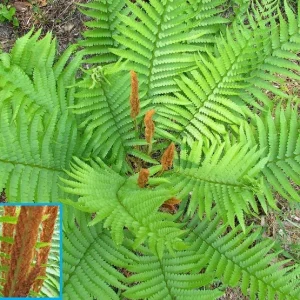
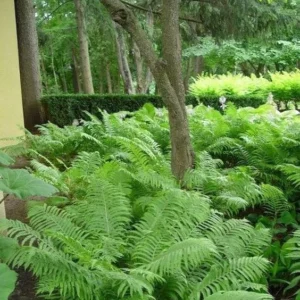
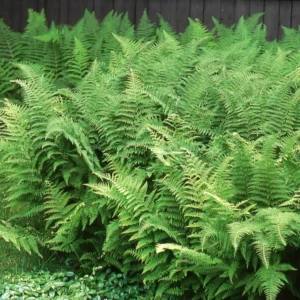
Enhance your woodland garden with a cinnamon fern bare root plant (Osmunda cinnamomea). This striking native fern forms large, vase-shaped clumps, offering dramatic reddish-brown fruiting spikes in spring. Ideal for moist, shaded areas.
From Original price was: $95.92.$47.96Current price is: $47.96.

With our Alive & Thrive Guarantee, we’ve got your back for the first 30 days! If you have any concerns about your plants, just reach out to us. Our team is here to help answer your questions and guide you in selecting the best plants for your garden, climate, and unique preferences. We're excited to help you create the garden of your dreams!
Estimated arrival
Apr 01
Apr 06 - Apr 08
Apr 11 - Apr 15
Product Details
-
USDA Hardiness Zone
USDA Zones 3-9 -
Soil type
Moist, well-draining, acidic to neutral soil -
Sunlight Exposure
Partial to full shade -
Expected Planting Period
Early spring or fall
Overview
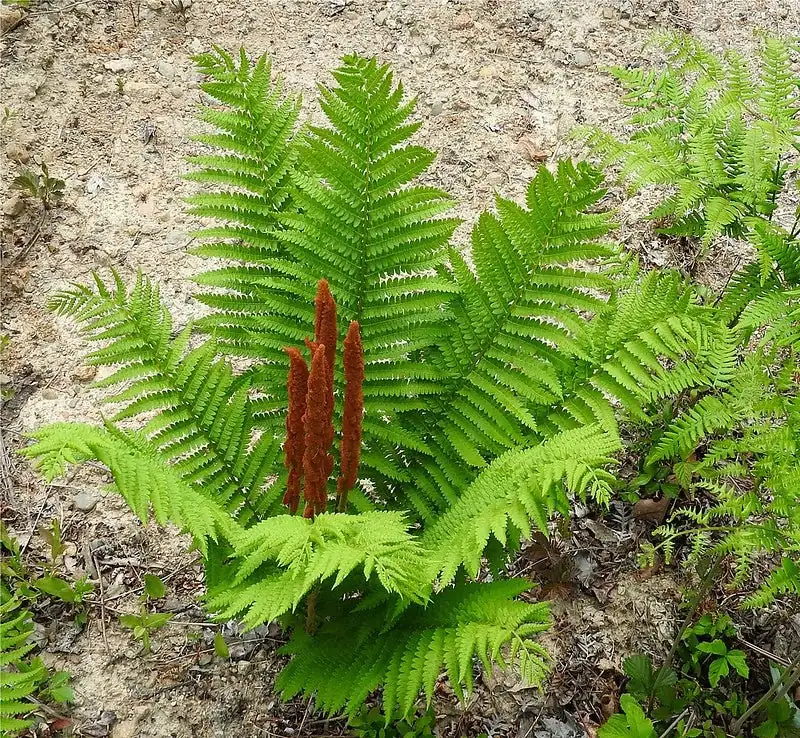
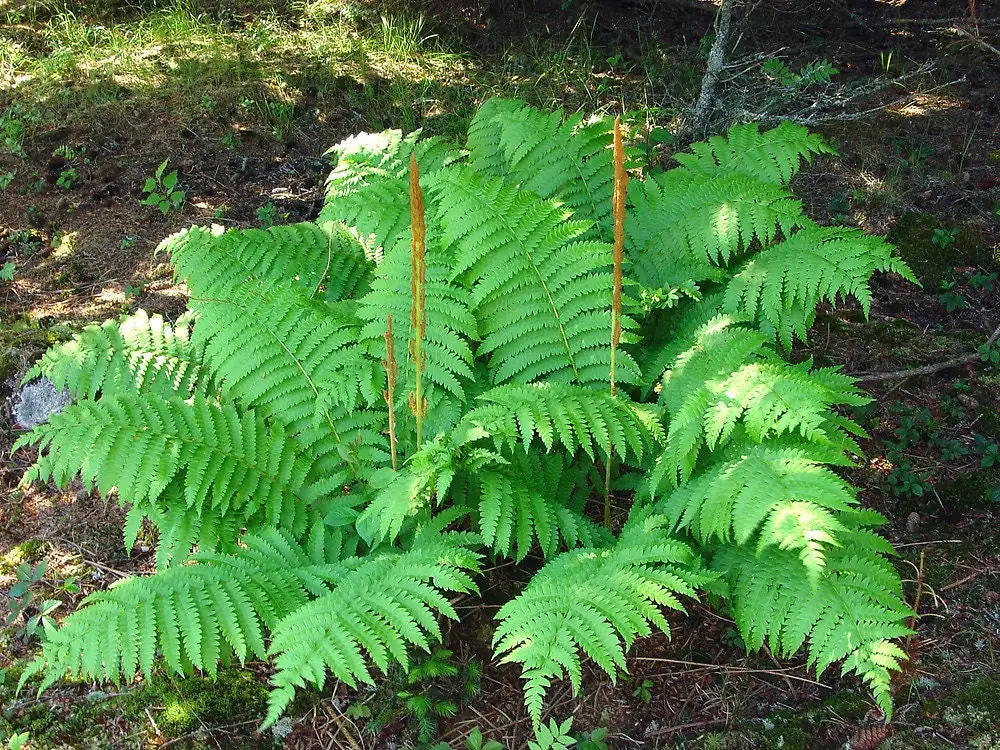
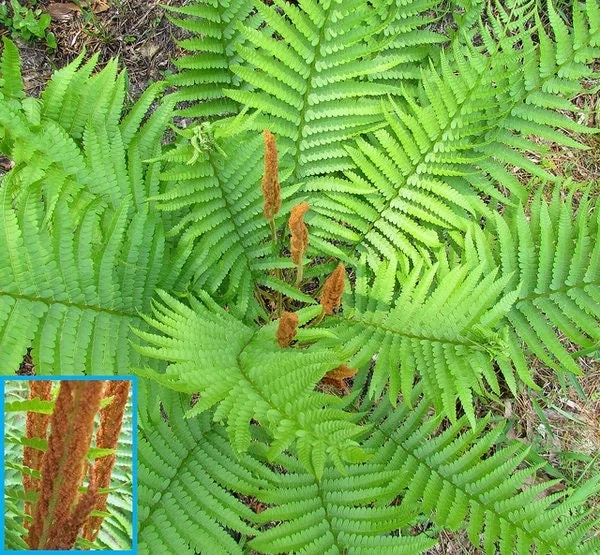
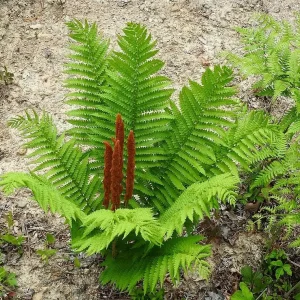
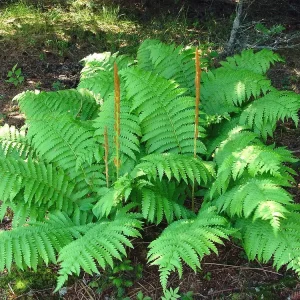
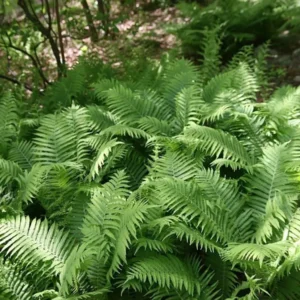
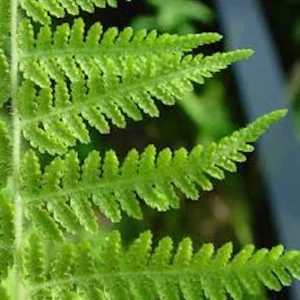
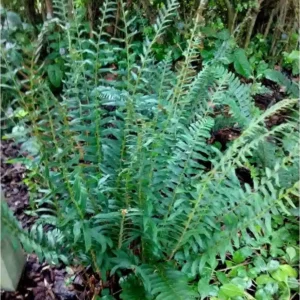
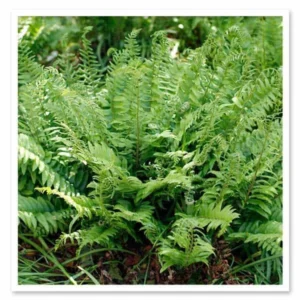
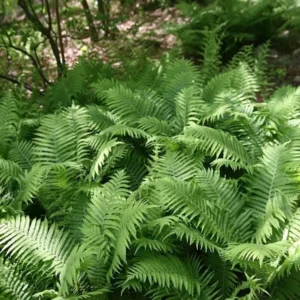
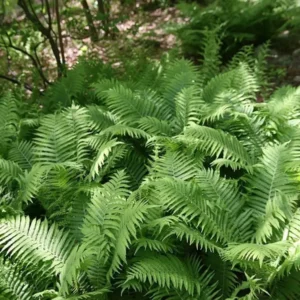
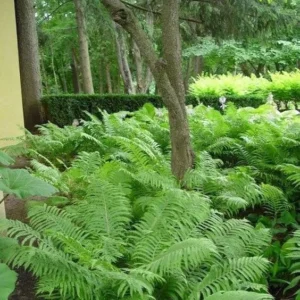
Transform your shaded garden spaces with the majestic cinnamon fern bare root plant. Known scientifically as Osmunda cinnamomea, this captivating native fern is celebrated for its distinctive appearance and robust growth. The common name, cinnamon fern plant, is inspired by the striking reddish-brown, spore-producing fronds that emerge from the plant’s center in early spring, resembling cinnamon sticks. These fertile fronds stand tall and upright, creating a dramatic contrast against the lush green sterile fronds that form a large, vase-shaped clump. Perfect for gardeners seeking to add natural beauty and a touch of wild elegance to moist, shaded environments, this fern is a true testament to the splendor of native flora. Unlike some other large ferns, the Osmunda cinnamomea does not spread aggressively by rhizomes, making it an excellent choice for controlled woodland settings and naturalized areas where its stately form can be appreciated without concerns of overgrowth.
Each cinnamon fern bare root specimen is carefully harvested and prepared for planting, ensuring a healthy start in your garden. This method of shipping allows the plant to establish quickly once planted, focusing its energy on root development and new growth. The sheer size and architectural form of this fern make it a focal point in any landscape, providing texture and visual interest throughout the growing season. Whether you’re designing a dedicated woodland garden or simply looking to enhance a shady corner, the native fern plant offers unparalleled beauty and resilience.
Key Benefits
The cinnamon fern bare root offers numerous advantages that make it a highly desirable addition to various garden settings. Its unique characteristics contribute significantly to both aesthetic appeal and ecological value.
- Dramatic Visual Impact: The large, vase-shaped clumps and the contrasting reddish-brown fertile fronds against vibrant green sterile fronds provide a stunning visual display, especially in spring and early summer. It creates a bold statement in any shaded landscape.
- Native Plant Appeal: As a native fern plant, Osmunda cinnamomea is perfectly adapted to local ecosystems, supporting native wildlife and requiring less intervention once established. It contributes to biodiversity and ecological balance.
- Low Maintenance & Resilient: Once planted in its preferred environment, this fern is remarkably low maintenance. It tolerates a range of conditions and is generally pest and disease resistant, making it an easy-care option for busy gardeners.
- Non-Aggressive Growth: Unlike many other large ferns, the cinnamon fern bare root does not spread rapidly by rhizomes. It forms neat, contained clumps, allowing for precise placement and preventing it from overtaking other plants in the garden.
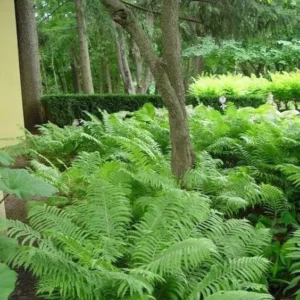
- Shade Loving Plant: Thrives in partial to full shade, making it an ideal solution for challenging areas under trees or on the north side of buildings where other plants struggle to grow. It brings life and lushness to dark corners.
- Long-Lasting Beauty: The fruiting spikes persist long after the spores are shed, providing extended seasonal interest. The sterile fronds remain attractive throughout the growing season until dormancy in winter.
- Erosion Control: Its fibrous root system can help stabilize soil on slopes and prevent erosion, particularly in moist, woodland settings, further enhancing its value as a woodland garden fern.
Plant Care & Growing Tips
Caring for your cinnamon fern bare root is straightforward, especially when its natural preferences are met. This robust native fern thrives in conditions that mimic its natural woodland habitat. For optimal growth, it prefers a location with partial to full shade. While it can tolerate some morning sun, intense afternoon sun can scorch its fronds, especially in warmer climates. When choosing a spot, consider areas under deciduous trees where it receives dappled sunlight or consistent shade. The cinnamon fern plant is remarkably hardy and adaptable, making it a reliable choice for many gardens.
The key to a thriving Osmunda cinnamomea lies in its soil and moisture. It prefers moist, well-drained, and acidic to neutral soil. Rich, organic soil that retains moisture but doesn’t become waterlogged is ideal. Incorporate plenty of compost or leaf mold into the planting area to improve soil structure and fertility. Consistent moisture is crucial, especially during dry periods and in its first year of establishment. While mature plants can tolerate short periods of dryness, prolonged drought will stress the fern. Water deeply and regularly, ensuring the soil remains consistently damp but not soggy. Fertilization is generally not heavily required; an annual application of a balanced, slow-release granular fertilizer in spring, or a top-dressing of compost, will suffice. This shade loving fern will flourish with minimal fuss once established.
The native fern plant is generally pest and disease-free. Ensure good air circulation to prevent fungal issues in very humid environments. It is hardy in USDA zones 3-9, making it suitable for a wide range of climates. In colder zones, a layer of mulch can provide additional winter protection. Pruning is minimal; simply remove any dead or damaged fronds as needed to maintain a tidy appearance. With these simple care guidelines, your cinnamon fern bare root will become a beautiful and enduring feature in your woodland garden for years to come.
Size & Details
The cinnamon fern bare root is a substantial and statuesque plant, known for developing into impressive clumps. When mature, this fern can reach an impressive height of 2 to 5 feet, with a similar spread, creating a striking vase-shaped form. Its growth rate is moderate, establishing well in its first season and gradually increasing in size each year. The bare root form allows for efficient shipping and provides the plant with the best opportunity to develop a strong root system once planted in your garden. Each bare root is a dormant plant, ready to awaken and flourish with proper care and conditions.
This woodland garden fern is typically shipped as a dormant bare root, meaning it will not have leaves or soil attached. This reduces transplant shock and ensures the plant’s energy is directed towards root development upon planting. Expect to see new fronds emerge a few weeks after planting, depending on local climate conditions. The fertile fronds, which give the plant its characteristic cinnamon color, emerge in early spring, often before the sterile green fronds fully unfurl, adding early seasonal interest to your landscape. The native fern plant will continue to grow and expand, becoming a magnificent feature that provides texture and grandeur.
Frequently Asked Questions
- Q: How big does this plant get? A: The cinnamon fern bare root can grow quite large, typically reaching heights of 2 to 5 feet and spreading similarly wide. It forms a distinct, vase-shaped clump, providing a significant presence in the garden.
- Q: Is this an indoor or outdoor plant? A: This is primarily an outdoor plant, perfectly suited for woodland gardens, shady borders, and naturalized areas. It thrives in conditions that mimic its native habitat.
- Q: How much sunlight does it need? A: The cinnamon fern plant prefers partial to full shade. It can tolerate some morning sun but should be protected from intense afternoon sun, which can scorch its fronds.
- Q: What condition will it arrive in? A: Your cinnamon fern bare root will arrive as a dormant bare root, meaning it will be shipped without soil or foliage. This is a standard and healthy way to transport these plants for successful establishment.
- Q: Is this fern easy to care for? A: Yes, once established in the right conditions (moist, acidic to neutral soil, and shade), the Osmunda cinnamomea is quite low maintenance and resilient, making it a good choice for various gardeners.
- Q: When is the best time to plant a bare root cinnamon fern? A: The ideal time to plant a cinnamon fern bare root is in early spring or fall when temperatures are cooler and there’s adequate moisture, allowing the plant to establish its roots before extreme weather.
- Q: Will it survive winter in my zone? A: The native fern plant is hardy in USDA Zones 3-9. If you are within these zones, it should reliably return each spring. In colder zones, a layer of mulch can provide extra winter protection.
- Q: Does the cinnamon fern spread aggressively? A: No, unlike some other ferns, the cinnamon fern bare root does not spread aggressively by rhizomes. It forms neat, contained clumps, making it easy to manage in a garden setting.
- Q: What type of soil does this woodland garden fern prefer? A: It thrives in moist, well-drained, rich organic soil that is acidic to neutral. Incorporating compost or leaf mold will greatly benefit its growth.
- Q: What are the reddish-brown spikes on the fern? A: These are the fertile fronds, which contain the spores of the cinnamon fern plant. They emerge in early spring and give the fern its unique name and distinctive look.
| cinnamon fern | 3, 5 |
|---|
Related products
-50%
Original price was: $131.80.$65.90Current price is: $65.90.
-20%
Original price was: $80.00.$64.00Current price is: $64.00.
-20%
Original price was: $27.98.$22.38Current price is: $22.38.
-20%
Original price was: $64.00.$51.20Current price is: $51.20.
-20%
Original price was: $24.98.$19.98Current price is: $19.98.
-20%
Original price was: $190.00.$152.00Current price is: $152.00.
-20%


Original price was: $33.98.$27.18Current price is: $27.18.
-50%
Original price was: $65.98.$32.99Current price is: $32.99.
PLANTING & CARE
Growing Glencoe Raspberry: A Complete Guide for Gardeners
If you’re looking to add something unique to your garden, look no further than the
31
Mar
Mar

The Comprehensive Guide to Growing Bay Leaf Plants for a Flavorful Garden
Imagine stepping into your garden, greeted by the earthy aroma of fresh bay leaves, their
09
Feb
Feb

How to Make Comfrey Tea: The Ultimate Organic Plant Food
Growing an organic garden can be surprisingly expensive, especially when most store-bought fertilizers come in
02
Feb
Feb

True Comfrey: 7 Essential Tips Before You Plant This Herb
A staple in permaculture practices across the US, True Comfrey easily earns its reputation as
27
Jan
Jan

7 Heart-Shaped Plants for a Lasting Valentine’s Gift
If you’ve ever bought a bouquet of roses for Valentine’s Day, you know they are
26
Jan
Jan

Best Types of Ivy Plant for Houses: How to Choose the Perfect Ones for Your Home
Are you a garden lover looking to introduce some greenery into your home? Maybe you’ve
14
Nov
Nov

When to Harvest Garlic (Especially Fall-Planted Garlic)
TIMING IS EVERYTHING, they say – and for garlic, that truth hits with surprising accuracy.
13
Nov
Nov

11 of the Best Sweet Potato Varieties to Grow for Your Garden
If you’ve ever tried growing sweet potatoes, you know that picking the right variety can
12
Nov
Nov