Common Lilac Purple Tree – 3 Bare-root Live Plants – 6-12 inches Tall – Outdoor Shrub
-50%
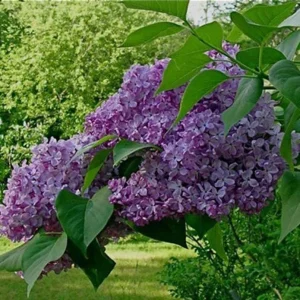
Common Lilac Purple Tree – 3 Bare-root Live Plants – 6-12 inches Tall – Outdoor Shrub
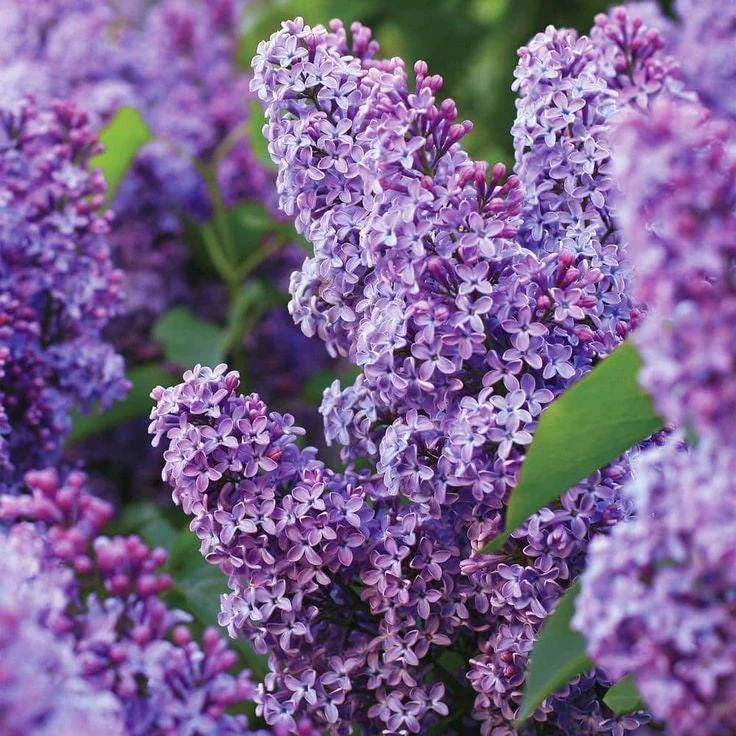
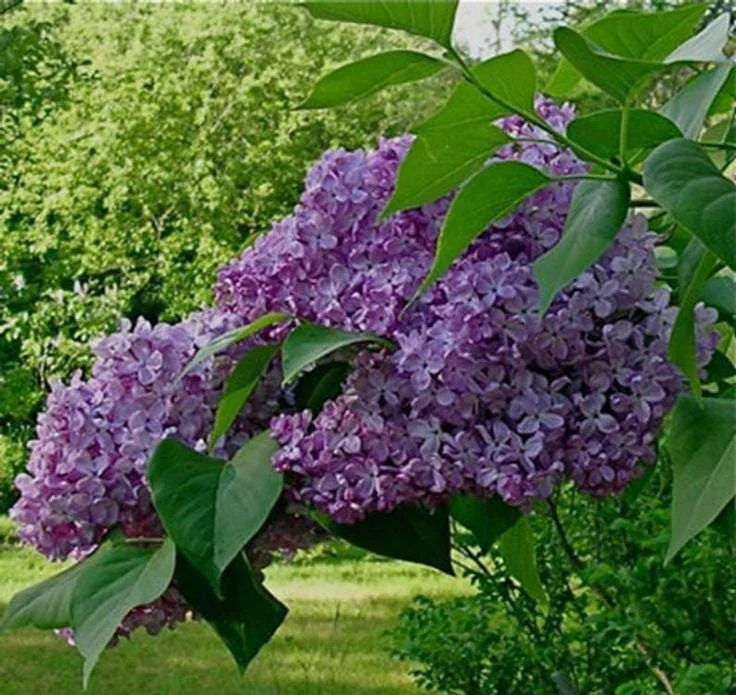
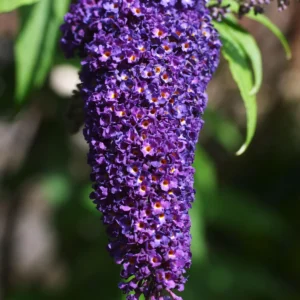
Bring classic beauty and enchanting fragrance to your landscape with the common lilac purple tree. This offer includes 3 robust bare-root plants, each 6-12 inches in height, ready to establish and thrive in your outdoor garden. Known for its toughness and reliability, this hardy shrub will produce stunning purple blooms year after year.
From Original price was: $143.60.$71.80Current price is: $71.80.

With our Alive & Thrive Guarantee, we’ve got your back for the first 30 days! If you have any concerns about your plants, just reach out to us. Our team is here to help answer your questions and guide you in selecting the best plants for your garden, climate, and unique preferences. We're excited to help you create the garden of your dreams!
Estimated arrival
Apr 01
Apr 06 - Apr 08
Apr 11 - Apr 15

Product Details
-
USDA Hardiness Zone
USDA Zones 3-7 -
Soil type
Fertile, humus-rich, well-draining, neutral to alkaline soil -
Sunlight Exposure
Full sun (at least 6 hours daily) -
Expected Planting Period
Spring or Fall
Overview
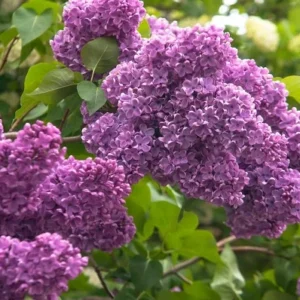
Introduce timeless elegance and captivating aroma to your outdoor space with the common lilac purple tree. This offering provides three robust bare-root plants of Syringa vulgaris, each measuring 6-12 inches in height, perfect for establishing a beautiful and fragrant garden feature. The common lilac, renowned for its resilience and stunning purple blossoms, is a beloved choice for gardeners across the United States. These deciduous shrubs are celebrated for their ability to thrive for decades, often outliving the homes they adorn, becoming cherished heirlooms in the landscape. The fragrant flowers are not only a delight to the senses but also attract beneficial pollinators like butterflies, making your garden a lively sanctuary. Choosing a fragrant lilac shrub means investing in long-lasting beauty and an iconic spring display.
While typically known for their rich purple hues, lilacs can also display a range of colors from pale lavender to deep violet, adding diverse visual interest. These bare-root specimens are an economical and effective way to plant multiple lilacs, ensuring a lush and abundant bloom in the coming seasons. Establishing a syringa vulgaris plant is a rewarding experience, providing years of enjoyment. Their hardiness makes them an excellent choice for various climates, and with proper care, they will reward you with an unforgettable spring spectacle.
Key Benefits
Planting a common lilac purple tree offers numerous advantages, transforming your garden into a fragrant and visually appealing haven. These benefits extend beyond just their beautiful appearance, contributing to a vibrant and healthy ecosystem in your backyard.
- Enchanting Fragrance: The most celebrated feature of the fragrant lilac shrub is its incredibly sweet and pervasive scent. These beautiful blossoms will fill your garden with a delightful perfume, especially during their peak bloom in mid to late spring. The fragrance is also excellent for cut flower arrangements, bringing the beauty indoors.
- Attracts Pollinators: Lilac flowers are a magnet for butterflies and other beneficial pollinators, helping to support local ecosystems and encourage biodiversity in your garden. Watching these creatures flit among the purple blooms adds a dynamic element to your outdoor space.
- Low Maintenance & Hardy: Once established, the common lilac purple tree is remarkably tough and reliable. It can withstand a variety of conditions and requires minimal ongoing care, making it an ideal choice for both novice and experienced gardeners. Its long lifespan ensures many years of enjoyment.
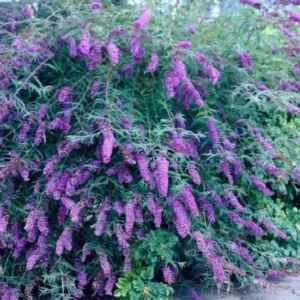
- Versatile Landscape Use: These shrubs are perfect for creating borders, hedges, or as standalone specimen plants. Their mature size and vibrant blooms make a significant visual impact, adding structure and color to any garden design.
- Historic and Enduring Beauty: Lilacs have been cherished in gardens for centuries, symbolizing love and renewal. Planting a syringa vulgaris plant connects you to this rich horticultural history, providing a classic and enduring beauty that never goes out of style.
- Abundant Blooms: With proper care and sunlight, these bare-root lilacs will produce a profusion of showy purple flowers each spring, creating a spectacular display that signals the arrival of warmer weather.
Plant Care & Growing Tips
Caring for your common lilac purple tree involves a few key practices to ensure robust growth and abundant blooms. Lilacs thrive in specific conditions, and understanding these will help your bare-root plants establish successfully. The primary requirement for the best flowering is full sun, meaning at least six hours of direct sunlight each day. While lilacs can tolerate some shade, insufficient sunlight will significantly reduce their bloom production. Position your bare root lilac care plants in a spot where they can soak up the morning sun.
Soil quality and drainage are paramount for a healthy fragrant lilac shrub. They prefer fertile, humus-rich, well-drained soil with a neutral to alkaline pH, ideally around 7.0. If your soil is heavy clay or very sandy, amend it with compost or other organic matter to improve fertility and drainage. Poor drainage can lead to ‘wet feet,’ which can cause root rot and inhibit growth. Before planting, test your soil’s drainage by digging a hole 8 inches in diameter and 12 inches deep, filling it with water; if it doesn’t drain within an hour, choose another location or significantly amend the soil. Regular watering is important during the establishment phase, especially during dry spells, but avoid overwatering. Once established, lilacs are relatively drought-tolerant.
The best time for planting your syringa vulgaris plant is in either spring or fall, with fall often being preferred as it allows the roots to establish before the stress of summer heat. Fertilize sparingly; too much nitrogen can encourage foliage growth at the expense of flowers. A balanced, slow-release fertilizer in early spring is usually sufficient. Pruning is essential for maintaining plant health and encouraging blooms. After flowering, remove spent blooms and any dead or damaged branches. For rejuvenation, you can prune older, less productive stems back to the ground over a period of a few years. Proper purple lilac for garden care ensures a spectacular display year after year.
Size & Details
This offering includes three individual common lilac purple tree bare-root plants. Each bare-root specimen measures approximately 6-12 inches in height, providing a good starting size for establishment. Bare-root plants are shipped without soil around their roots, minimizing transplant shock and making them easy to plant directly into your garden upon arrival. These plants are typically dormant upon receipt, ready to burst forth with new growth once planted in favorable conditions. Expected growth rates vary with climate and care, but lilacs are generally moderate growers, reaching mature heights of 8-15 feet and similar spreads over several years. They are known for their longevity, often thriving for 100 years or more. With proper bare root lilac care, these plants will quickly establish and begin to produce their characteristic fragrant blooms.
Frequently Asked Questions
- Q: How big will the common lilac purple tree grow? A: Once mature, the Common Lilac (Syringa vulgaris) typically reaches a height of 8-15 feet with a similar spread. Its ultimate size depends on growing conditions and pruning.
- Q: Is this an indoor or outdoor plant? A: The fragrant lilac shrub is an outdoor plant, requiring full sun and suitable garden soil to thrive and produce its characteristic blooms. It is not suitable for indoor cultivation.
- Q: How much sunlight does a lilac need? A: For the best blooms, your syringa vulgaris plant needs at least six hours of direct sunlight per day. Less sunlight will result in fewer flowers.
- Q: Is this plant easy to care for? A: Yes, once established, lilacs are considered very tough and reliable. With appropriate planting conditions and occasional pruning, they are relatively low-maintenance plants.
- Q: When is the best time to plant these bare-root lilacs? A: The ideal times to plant bare-root lilacs are in the spring, after the last frost, or in the fall, before the ground freezes. Fall planting is often preferred for root establishment.
- Q: What condition will the bare-root plants arrive in? A: The bare root lilac care plants will arrive dormant, with their roots protected but without soil. This is normal for bare-root stock and ensures they are ready for planting.
- Q: How long until my purple lilac for garden blooms after planting? A: While some young lilacs may produce a few blooms in their first year, significant flowering typically begins in the second or third year after planting, once the plant is well-established.
- Q: What type of soil is best for lilacs? A: Lilacs prefer fertile, humus-rich, well-draining soil with a neutral to alkaline pH (around 7.0). Good drainage is crucial to prevent root rot.
- Q: Will the common lilac purple tree survive winter in my zone? A: Common lilacs are very hardy and are well-suited for USDA hardiness zones 3-7, making them resilient to cold winters in most northern states.
- Q: Do I need to prune my lilac? A: Yes, annual pruning after flowering is beneficial to remove spent blooms, maintain shape, and encourage vigorous new growth and more abundant flowers. This is an important part of bare root lilac care.
| Size | 12-18, 6-12'' |
|---|
Related products
-43%

Original price was: $89.99.$50.99Current price is: $50.99.
-50%
Original price was: $83.00.$41.50Current price is: $41.50.
-50%

Original price was: $133.98.$66.99Current price is: $66.99.
-10%
Original price was: $23.99.$21.59Current price is: $21.59.
-50%
Original price was: $59.98.$29.99Current price is: $29.99.
-20%
Original price was: $36.00.$28.80Current price is: $28.80.
-20%
Original price was: $20.00.$16.00Current price is: $16.00.
PLANTING & CARE

Growing Glencoe Raspberry: A Complete Guide for Gardeners
If you’re looking to add something unique to your garden, look no further than the
31
Mar
Mar

The Comprehensive Guide to Growing Bay Leaf Plants for a Flavorful Garden
Imagine stepping into your garden, greeted by the earthy aroma of fresh bay leaves, their
09
Feb
Feb

How to Make Comfrey Tea: The Ultimate Organic Plant Food
Growing an organic garden can be surprisingly expensive, especially when most store-bought fertilizers come in
02
Feb
Feb

True Comfrey: 7 Essential Tips Before You Plant This Herb
A staple in permaculture practices across the US, True Comfrey easily earns its reputation as
27
Jan
Jan

7 Heart-Shaped Plants for a Lasting Valentine’s Gift
If you’ve ever bought a bouquet of roses for Valentine’s Day, you know they are
26
Jan
Jan

Best Types of Ivy Plant for Houses: How to Choose the Perfect Ones for Your Home
Are you a garden lover looking to introduce some greenery into your home? Maybe you’ve
14
Nov
Nov

When to Harvest Garlic (Especially Fall-Planted Garlic)
TIMING IS EVERYTHING, they say – and for garlic, that truth hits with surprising accuracy.
13
Nov
Nov

11 of the Best Sweet Potato Varieties to Grow for Your Garden
If you’ve ever tried growing sweet potatoes, you know that picking the right variety can
12
Nov
Nov