Red Maple Bare-Root Tree – Acer Rubrum Live Plant for Landscaping
-50%
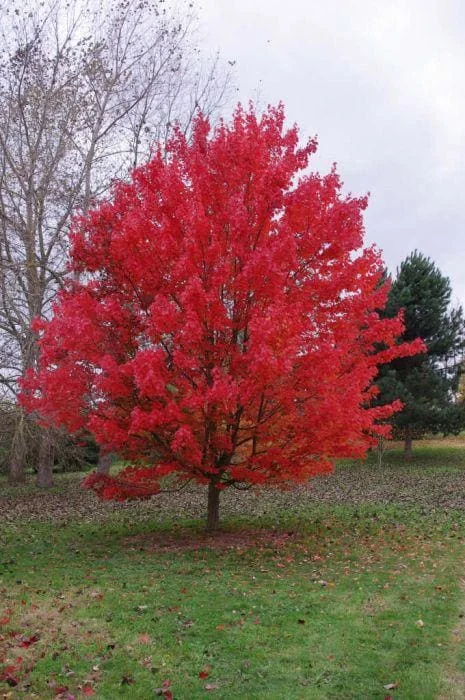
Red Maple Bare-Root Tree – Acer Rubrum Live Plant for Landscaping
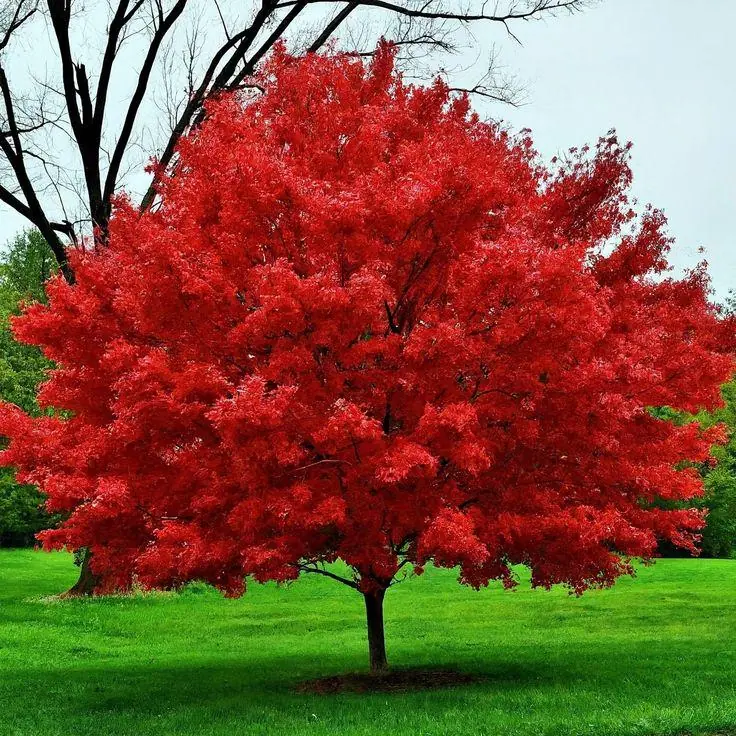
Cultivate a stunning landscape with this red maple bare-root tree (Acer Rubrum). A deciduous tree known for its brilliant fall color and adaptability, it’s an excellent choice for a vibrant garden.
From Original price was: $167.60.$83.80Current price is: $83.80.

With our Alive & Thrive Guarantee, we’ve got your back for the first 30 days! If you have any concerns about your plants, just reach out to us. Our team is here to help answer your questions and guide you in selecting the best plants for your garden, climate, and unique preferences. We're excited to help you create the garden of your dreams!
Estimated arrival
Mar 18
Mar 23 - Mar 25
Mar 28 - Apr 01
Product Details
-
USDA Hardiness Zone
3-9 -
Soil type
Well-draining, adaptable to various types -
Sunlight Exposure
Full sun to partial shade -
Expected Planting Period
Late winter to early spring
Overview
Transform your outdoor space with a magnificent red maple bare-root tree. The Red Maple, scientifically known as Acer Rubrum, is a widely cherished deciduous tree celebrated for its striking beauty and robust nature. This particular offering is a live bare-root plant, providing a cost-effective and efficient way to establish a mature tree in your garden. Native to the eastern half of the United States, the Red Maple is incredibly versatile, thriving in a wide range of climates and soil conditions. It’s renowned for its rapid growth and can reach impressive heights of 50 to 60 feet at maturity, making it a prominent feature in any landscape. The Acer rubrum tree is not just a visual delight; it’s also an important part of many ecosystems, providing habitat and food for wildlife. Its early budding and flowering add a touch of color to the spring landscape, even before its iconic leaves fully emerge. Choosing a red maple bare-root tree means you are investing in a future of vibrant autumn displays and a lush, green canopy for years to come.
The Red Maple is easily recognizable by its palmately lobed leaves, which are green on top and a lighter greenish-white underneath during the growing season. As autumn approaches, these leaves undergo a spectacular transformation, turning brilliant shades of red, orange, and sometimes yellow, creating a breathtaking display. This vibrant fall foliage is one of the primary reasons for its widespread popularity among gardeners and landscapers. Beyond its aesthetic appeal, the Acer rubrum tree contributes to the biodiversity of your garden, offering a haven for birds and other creatures. While it can be used for syrup production, its early sap run means a shorter season compared to sugar maples. However, its ornamental value and adaptability remain unparalleled, making it an ideal choice for various planting schemes, from large estates to suburban backyards. This red maple bare-root tree promises to be a valuable addition, enhancing the beauty and ecological richness of your property.
Key Benefits
The red maple bare-root tree offers a multitude of advantages for any landscape, making it a highly desirable choice for both novice and experienced gardeners. Its adaptability and stunning visual appeal contribute significantly to its widespread popularity.
- Spectacular Autumn Foliage: Experience a breathtaking display of brilliant red, orange, and yellow leaves every fall. The vibrant colors of the red maple bare-root tree provide unparalleled seasonal interest, becoming a focal point in your garden.
- Rapid Growth Rate: This tree grows relatively quickly, allowing you to enjoy a mature canopy and significant shade much sooner than many other tree species. Its fast growth makes it an excellent choice for new landscapes or for quickly filling in existing ones.
- Adaptable to Various Conditions: The Red Maple is highly adaptable to a wide range of soil types, including wet and dry conditions, and can tolerate both full sun and partial shade. This resilience makes the Acer rubrum tree suitable for diverse planting locations across the country.
- Native to North America: As a native species, it is well-suited to the climatic conditions of the eastern United States, requiring less intensive care once established and contributing positively to local ecosystems.
- Provides Shade and Habitat: At maturity, the Red Maple offers substantial shade, helping to cool your home and outdoor living areas. Its dense canopy also provides valuable shelter and nesting sites for birds and other wildlife.
- Early Spring Interest: Small, attractive clusters of bright red flowers emerge in early spring, often before the leaves, adding a splash of color to the awakening landscape.
- Low Maintenance Once Established: Once rooted and established, the red maple bare-root tree requires minimal ongoing care, making it an excellent, long-term investment for your garden.
Plant Care & Growing Tips
Caring for your red maple bare-root tree involves understanding its specific needs to ensure vigorous growth and vibrant health. Upon arrival, soak the bare roots in water for a few hours but no more than 24 hours before planting. Dig a hole that is wide enough to accommodate the spread of the roots without bending them, and deep enough so that the root collar (where the roots meet the trunk) is level with or slightly above the soil surface. Backfill with the original soil, gently tamping down to remove air pockets, and water thoroughly. Staking may be necessary for the first year to provide support as the root system establishes. The Acer rubrum tree prefers acidic to neutral soils but is highly adaptable to various soil types, including clay, loam, and sand, provided there is adequate drainage. However, it can tolerate wetter conditions better than many other maple varieties, making it suitable for areas with occasional standing water.
For optimal growth, the red maple bare-root tree thrives in full sun to partial shade, meaning it needs at least 4-6 hours of direct sunlight per day. Consistent moisture is crucial during the establishment period; water deeply and regularly, especially during dry spells. Once established, it becomes more drought-tolerant but will still benefit from occasional watering during prolonged dry periods. Fertilize in early spring with a balanced, slow-release tree fertilizer, following the product’s instructions. Pruning should primarily focus on removing dead, damaged, or crossing branches to maintain a strong structure and healthy canopy. The best time for pruning is late winter to early spring before new growth begins. This fast growing maple tree is hardy in USDA zones 3–9, making it suitable for a vast majority of the United States. While generally robust, keep an eye out for common pests like aphids and scale insects, and diseases such as verticillium wilt, which can be managed with proper care and timely intervention. Adequate air circulation and avoiding overwatering can help prevent fungal issues.
Size & Details
This offering is for a red maple bare-root tree (Acer Rubrum), provided without soil or a container, allowing for easier transport and planting flexibility. Bare-root trees are typically younger trees, usually 1-2 years old, offering excellent value and a strong start when planted correctly. The exact height at shipping can vary but is generally between 2-4 feet. At maturity, the Red Maple is a substantial tree, reaching an impressive height of 50 to 60 feet with a spread of 30 to 45 feet, creating a significant canopy. Its growth rate is considered medium to fast, meaning you can expect noticeable development in your landscape within a few years.
The Acer rubrum tree will develop its characteristic palmately lobed leaves that turn a brilliant red in autumn. Small, bright red flowers appear in early spring before the leaves, followed by winged seeds (samaras) in late spring to early summer. This bare root maple tree is an excellent choice for adding considerable vertical interest and seasonal color to your property. Allow adequate space for its mature size when selecting a planting location. Expect several seasons of growth before the tree reaches its full ornamental potential, but its rapid growth ensures a rewarding experience for the patient gardener.
Frequently Asked Questions
- Q: How big does this red maple bare-root tree get at maturity? A: The red maple bare-root tree can grow to an impressive height of 50 to 60 feet and achieve a spread of 30 to 45 feet at maturity, providing substantial shade and landscape impact.
- Q: Is this an indoor or outdoor plant? A: The Red Maple (Acer Rubrum) is an outdoor tree, best suited for planting in gardens, parks, or larger landscapes where it has ample space to grow to its mature size.
- Q: How much sunlight does the Acer rubrum tree need? A: For optimal growth and vibrant fall color, the Acer rubrum tree prefers full sun to partial shade, meaning it should receive at least 4-6 hours of direct sunlight daily.
- Q: Is this tree easy to care for? Is it good for beginners? A: Yes, the red maple bare-root tree is relatively easy to care for once established and is a good choice for beginners due to its adaptability and resilience. Consistent watering during the first year is key.
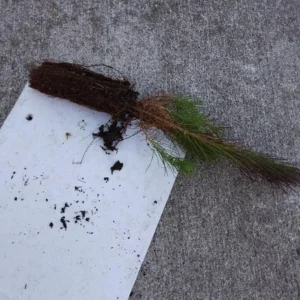
- Q: What condition will the bare root maple tree arrive in? A: Your bare root maple tree will arrive without soil or a pot, with its roots carefully packed to retain moisture. It’s crucial to plant it as soon as possible after arrival.
- Q: How long until this fast growing maple tree blooms or shows full color? A: While small red flowers will appear in early spring, the tree will take several years to establish a full canopy and display its most vibrant autumn colors. Its fast growth ensures you will see significant development each year.
- Q: What USDA hardiness zones is this red maple landscaping tree suitable for? A: This red maple landscaping tree is hardy in USDA zones 3 through 9, making it suitable for a wide range of climates across the United States.
- Q: Can the Red Maple be used for maple syrup production? A: While Red Maples do produce sap, their early budding and flowering negatively affect the sap quality, resulting in a very short and less productive syrup season compared to Sugar Maples.
- Q: What type of soil does the red maple prefer? A: The Red Maple is highly adaptable and can grow in various soil types, including clay, loam, and sand, but it thrives best in acidic to neutral, well-draining soil. It can also tolerate wetter conditions.
- Q: When is the best time to plant a bare root red maple tree? A: The ideal time to plant a bare-root Red Maple is in late winter or early spring, before the tree breaks dormancy and new growth begins.
| Size | 12-18'', 18-24'', 2-3' Feet Tall |
|---|
Related products
-20%
Original price was: $36.00.$28.80Current price is: $28.80.
PLANTING & CARE

The Comprehensive Guide to Growing Bay Leaf Plants for a Flavorful Garden
Imagine stepping into your garden, greeted by the earthy aroma of fresh bay leaves, their
09
Feb
Feb

How to Make Comfrey Tea: The Ultimate Organic Plant Food
Growing an organic garden can be surprisingly expensive, especially when most store-bought fertilizers come in
02
Feb
Feb

True Comfrey: 7 Essential Tips Before You Plant This Herb
A staple in permaculture practices across the US, True Comfrey easily earns its reputation as
27
Jan
Jan

7 Heart-Shaped Plants for a Lasting Valentine’s Gift
If you’ve ever bought a bouquet of roses for Valentine’s Day, you know they are
26
Jan
Jan

Best Types of Ivy Plant for Houses: How to Choose the Perfect Ones for Your Home
Are you a garden lover looking to introduce some greenery into your home? Maybe you’ve
14
Nov
Nov

When to Harvest Garlic (Especially Fall-Planted Garlic)
TIMING IS EVERYTHING, they say – and for garlic, that truth hits with surprising accuracy.
13
Nov
Nov

11 of the Best Sweet Potato Varieties to Grow for Your Garden
If you’ve ever tried growing sweet potatoes, you know that picking the right variety can
12
Nov
Nov
Pruning Bougainvillea for Winter
Bougainvillea vines are known for their dazzling display of magenta, orange, and fuchsia bracts that
05
Nov
Nov