Wild Black Cherry Tree Seeds (Prunus serotina) – Ready for Planting
-50%
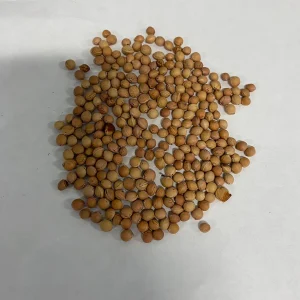
Wild Black Cherry Tree Seeds (Prunus serotina) – Ready for Planting
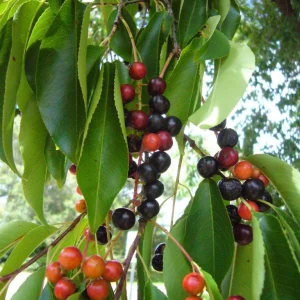
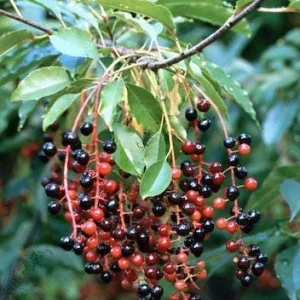
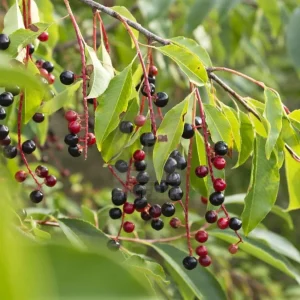
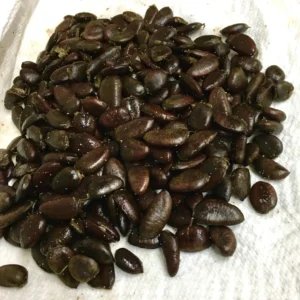
Cultivate a beautiful and beneficial wild black cherry tree with these high-quality Prunus serotina seeds. Perfect for attracting pollinators and adding natural beauty to your landscape, these seeds are ready for planting to establish a native tree known for its distinctive bark and edible fruits.
From Original price was: $87.92.$43.96Current price is: $43.96.

With our Alive & Thrive Guarantee, we’ve got your back for the first 30 days! If you have any concerns about your plants, just reach out to us. Our team is here to help answer your questions and guide you in selecting the best plants for your garden, climate, and unique preferences. We're excited to help you create the garden of your dreams!
Estimated arrival
Mar 14
Mar 19 - Mar 21
Mar 24 - Mar 28
Product Details
-
USDA Hardiness Zone
USDA zones 3-9 -
Soil type
Well-draining, moist, fertile loamy soil -
Sunlight Exposure
Full sun to partial shade -
Expected Planting Period
Fall or early spring (after stratification)
Overview
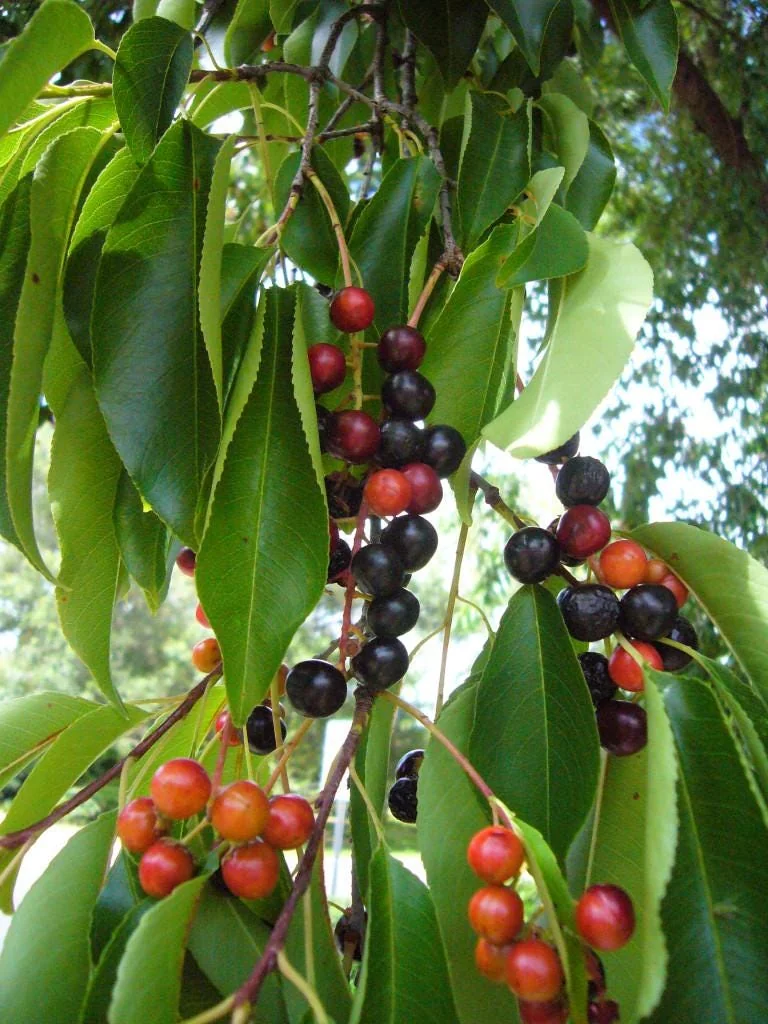
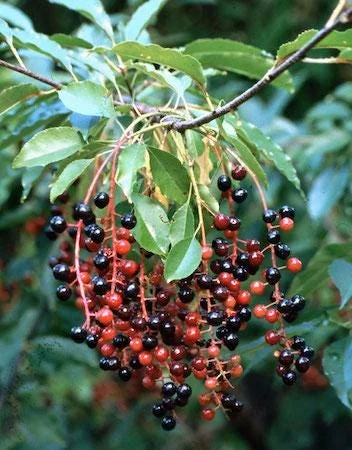
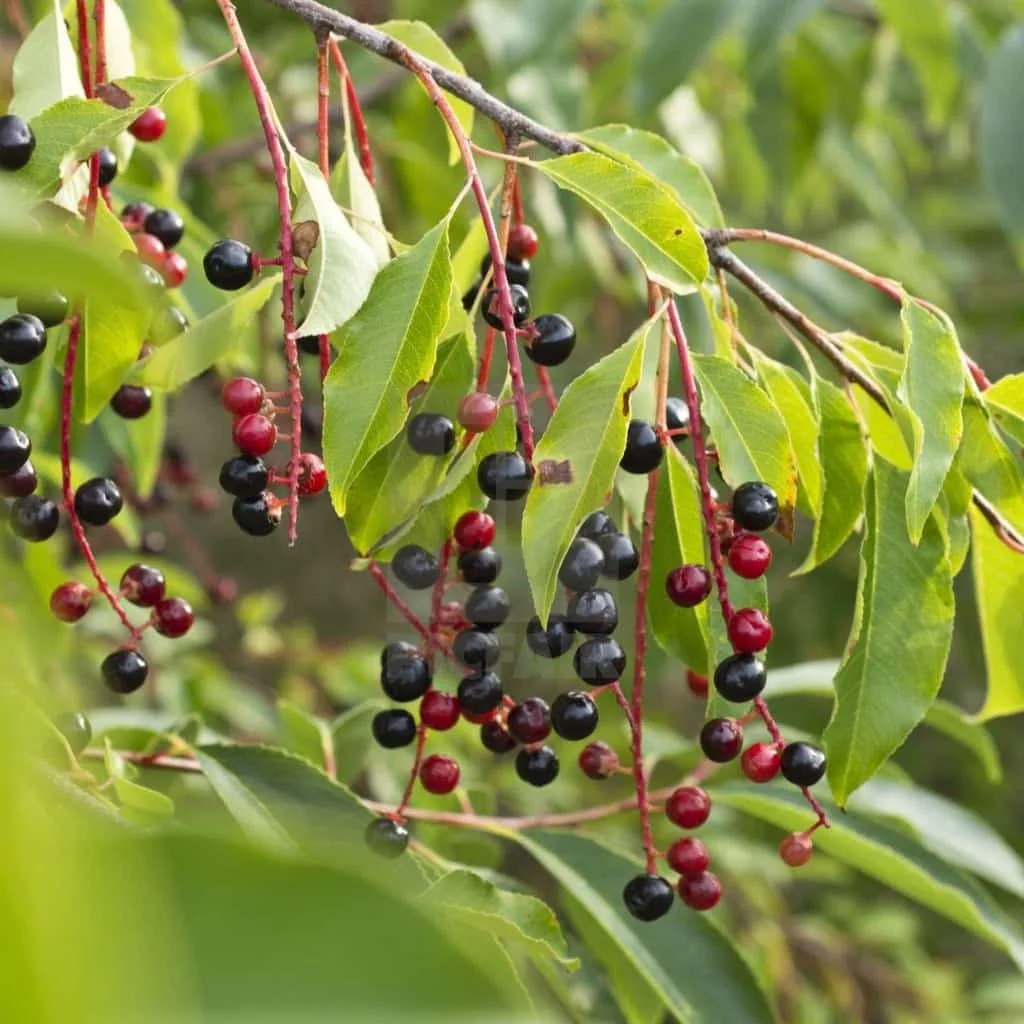
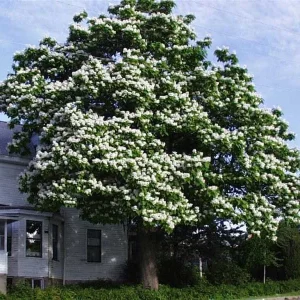
Embark on a rewarding gardening journey by growing your own wild black cherry tree seeds. These Prunus serotina seeds offer the opportunity to cultivate one of North America’s most recognizable native trees, known for its distinctive dark, scaly bark that develops a unique “burnt potato chip” texture in mature specimens. The Wild Black Cherry Tree is a deciduous tree that not only provides aesthetic beauty with its white, clustered flowers in spring but also supports local ecosystems by attracting numerous pollinators. Its name is derived from both the dark color of its bark and the edible, black-purple fruits it produces, which ripen in late summer. Growing from seed allows you to witness the full life cycle of this magnificent tree, from germination to a towering specimen that can reach heights of 60-115 feet, providing shade, habitat, and food for wildlife.
Perfect for gardeners interested in native plants, wildlife gardening, or simply adding a robust and attractive tree to their property, these wild black cherry tree seeds are collected and prepared for optimal germination. The Wild Black Cherry (Prunus serotina) is a versatile species, adaptable to a wide range of climates and soil conditions across North America, making it a reliable choice for many landscapes. Its long clusters of white flowers are a welcome sight in spring, bringing life and activity to your garden, while the subsequent fruits offer a valuable food source for birds and other wildlife, as well as being suitable for human consumption in pies, jams, and other culinary creations.
Key Benefits
Growing a wild black cherry tree from seed offers numerous advantages for both your landscape and local environment. These benefits extend beyond simple aesthetics, contributing significantly to biodiversity and ecological health.
- Supports Pollinators and Wildlife: The abundant white flowers of the wild black cherry tree are a magnet for bees, butterflies, and other beneficial insects, making it an excellent choice for a pollinator garden. The ripe, dark fruits provide a crucial food source for birds and small mammals, enhancing local wildlife populations.
- Distinctive Ornamental Value: With its unique, scaly bark and graceful form, the mature Wild Black Cherry Tree adds significant visual interest to any landscape year-round. Its long, showy clusters of white flowers in spring create a beautiful display, followed by attractive dark fruits.
- Edible Fruits: The small, black-purple fruits are not only appealing to wildlife but are also edible for humans, commonly used in making jams, jellies, pies, and wines, offering a delightful harvest from your own backyard.
- Adaptable and Resilient: Prunus serotina seeds grow into trees that are known for their hardiness and adaptability to a wide range of soil types and environmental conditions. This makes them a reliable choice for various regions and gardening levels.
- Native Ecosystem Contributor: As a native species, planting a wild black cherry tree helps restore and support local ecosystems, providing food and shelter that native fauna depend on, contributing to ecological balance and biodiversity.
- Shade and Shelter: As it matures, this large tree provides excellent shade, reducing cooling costs in summer and offering a comfortable outdoor space. Its dense canopy also provides shelter for various animal species.
Plant Care & Growing Tips
Successfully germinating and growing wild black cherry tree seeds requires understanding their specific needs. These seeds typically require a period of cold stratification to break dormancy, mimicking natural winter conditions. To prepare your Prunus serotina seeds, first soak them in warm water for 24 hours. After soaking, mix the seeds with a moist substrate like sand, peat moss, or vermiculite. Place this mixture in a sealed plastic bag or container and refrigerate at temperatures between 35-45°F (1-7°C) for 90-120 days. This cold, moist period is crucial for stimulating germination.
Once stratified, plant the seeds in well-draining soil, either directly outdoors in fall or early spring, or in pots indoors. If planting indoors, use a quality seed-starting mix and plant seeds about 1/2 inch deep. Keep the soil consistently moist but not waterlogged. The ideal location for a young wild black cherry tree is one that receives full sun to partial shade, meaning at least 4-6 hours of direct sunlight daily. While adaptable to various soil types, they thrive in deep, moist, fertile, and well-drained loamy soils. Ensure the planting site has good drainage to prevent root rot. Young seedlings will benefit from consistent moisture during their first year of growth, especially during dry spells. Protect young trees from deer and other browsing animals, if necessary.
The wild black cherry tree is generally hardy in USDA zones 3-9. Once established, it is relatively low-maintenance. Fertilization is usually not necessary in good soil, but a balanced slow-release fertilizer can be applied in spring if growth appears stunted. Pruning should be done in late winter or early spring to remove dead, damaged, or crossing branches, and to maintain a strong central leader. Be mindful of potential pests and diseases, though healthy trees are quite resilient. Growing a black cherry tree planting from seeds is a patient process, but the reward of a majestic native tree is well worth the effort.
Size & Details
These wild black cherry tree seeds will grow into substantial trees, typically reaching heights of 60 to 115 feet with a spread of 30 to 50 feet at maturity. The growth rate is moderate to fast, depending on growing conditions, with young trees often adding 1-2 feet per year. You will receive a packet of seeds, ready for stratification and planting. The fruits, which are about 3/4 inch round, will typically appear several years after planting, once the tree has matured sufficiently to flower. These trees are known for their long lifespan, often living for over 100 years, providing generations of beauty and ecological benefits. Expect the flowers to emerge in spring, with fruits ripening in late summer to early fall.
Frequently Asked Questions
- Q: How big does a wild black cherry tree get? A: A mature wild black cherry tree can grow quite large, typically reaching heights of 60 to 115 feet with a canopy spread of 30 to 50 feet. Its size makes it an excellent shade tree for larger landscapes.
- Q: Is this an indoor or outdoor plant? A: The wild black cherry tree is an outdoor tree. While seeds can be started indoors in pots, the seedlings will need to be transplanted outdoors to grow into a full-sized tree, as they require significant space and natural light.
- Q: How much sunlight does it need? A: Wild Black Cherry trees thrive in full sun to partial shade. For optimal growth and fruit production, aim for at least 6 hours of direct sunlight per day.
- Q: Is this plant easy to care for? A: Once established, the wild black cherry tree is relatively low-maintenance. The most critical care involves proper stratification of the Prunus serotina seeds and consistent watering for young seedlings. Mature trees are quite resilient.
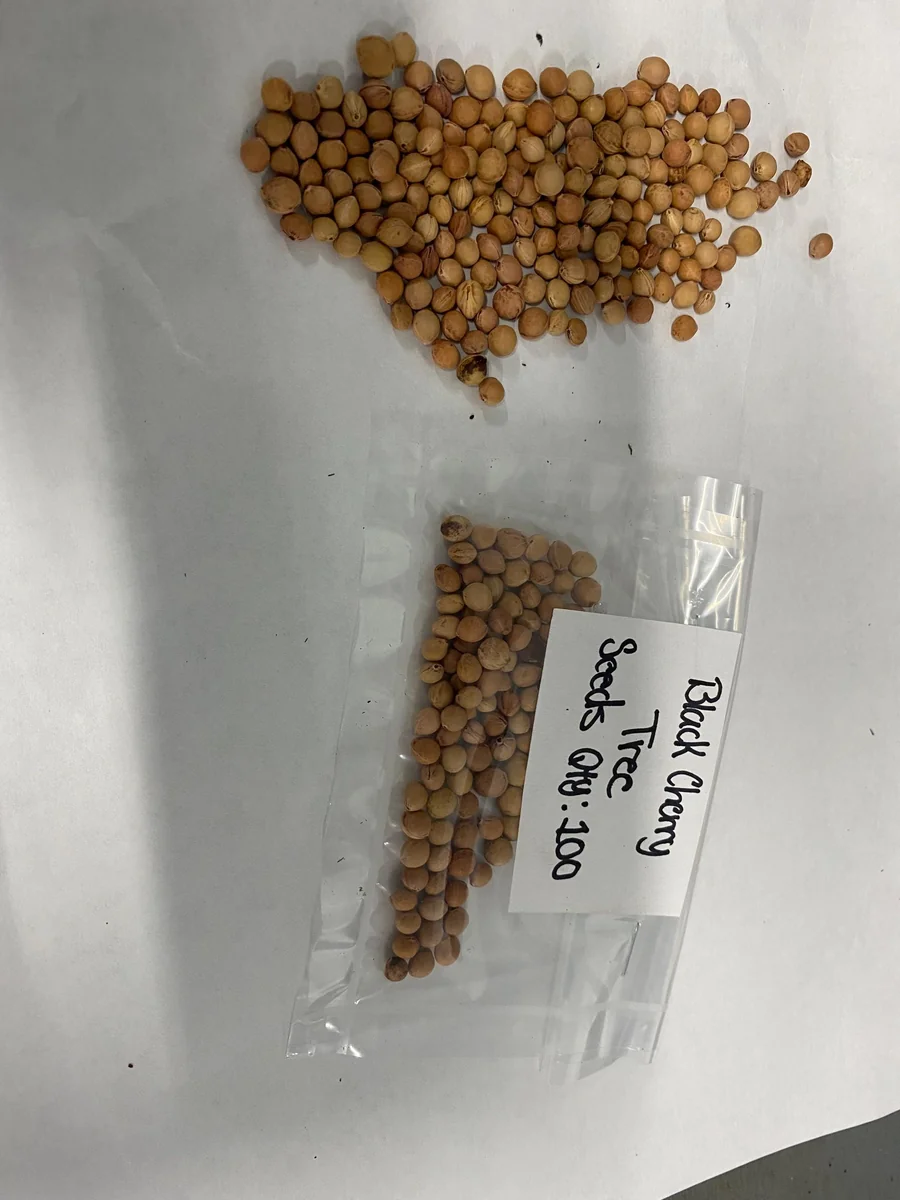
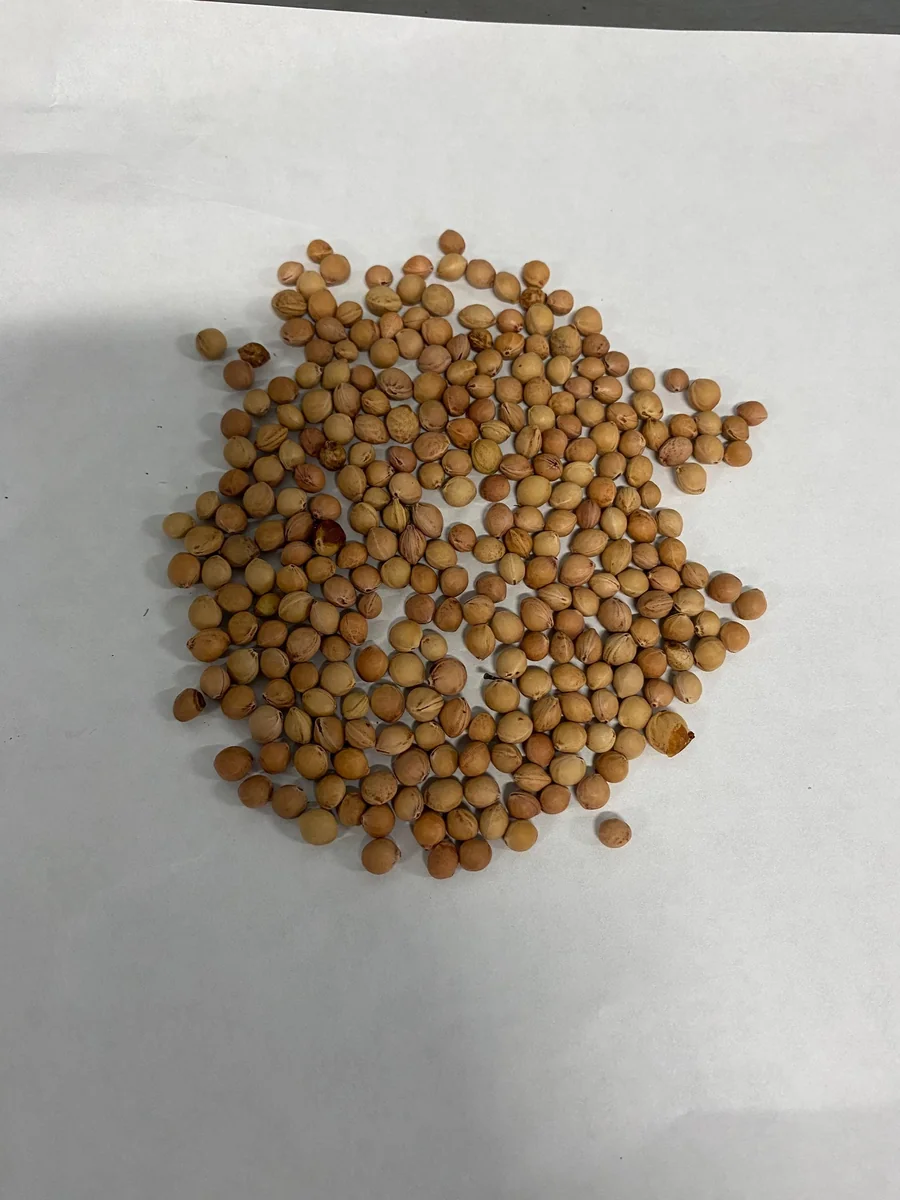
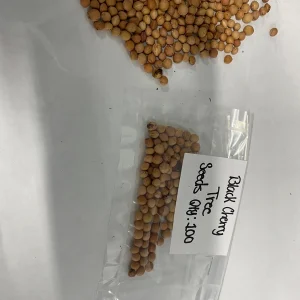
- Q: What condition will the seeds arrive in? A: Your wild black cherry tree seeds will arrive dry and ready for the necessary stratification process before planting. They will be packaged to ensure their viability for germination.
- Q: When is the best time to plant wild black cherry tree seeds? A: The best time for black cherry tree planting is in the fall or early spring, after the seeds have undergone their required cold stratification period. Fall planting outdoors allows natural stratification to occur.
- Q: Will it survive winter in my zone? A: The Wild Black Cherry Tree is known for its hardiness and is suitable for USDA Zones 3-9, meaning it can tolerate a wide range of winter temperatures. Ensure your local zone falls within this range for successful growth.
- Q: Can I grow black cherry tree from these seeds for its fruit? A: Yes, these wild black cherry tree seeds will produce trees that bear edible fruits, typically a few years after planting once the tree reaches maturity. The fruits are excellent for culinary uses.
- Q: What kind of soil does a black cherry tree prefer? A: A wild black cherry tree prefers deep, moist, fertile, and well-drained loamy soils. While adaptable, good drainage is crucial to prevent root issues.
- Q: What are the benefits of growing black cherry tree from seed? A: Growing from seed allows you to cultivate a native tree from its very beginning, offering a deeper connection to nature. It’s also a cost-effective way to add a significant, beneficial tree to your landscape, supporting local wildlife and ecosystems.
| Chose Qty | 100, 150, 200, 250 |
|---|
Related products
-20%
Original price was: $44.00.$35.20Current price is: $35.20.
-20%
Original price was: $44.00.$35.20Current price is: $35.20.
-20%
Original price was: $18.00.$14.40Current price is: $14.40.
-20%
Original price was: $38.00.$30.40Current price is: $30.40.
-50%
Original price was: $51.80.$25.90Current price is: $25.90.
-20%
Original price was: $66.00.$52.80Current price is: $52.80.
-15%
From Original price was: $20.00.$17.00Current price is: $17.00.
-50%
Original price was: $23.96.$11.98Current price is: $11.98.
PLANTING & CARE

The Comprehensive Guide to Growing Bay Leaf Plants for a Flavorful Garden
Imagine stepping into your garden, greeted by the earthy aroma of fresh bay leaves, their
09
Feb
Feb

How to Make Comfrey Tea: The Ultimate Organic Plant Food
Growing an organic garden can be surprisingly expensive, especially when most store-bought fertilizers come in
02
Feb
Feb

True Comfrey: 7 Essential Tips Before You Plant This Herb
A staple in permaculture practices across the US, True Comfrey easily earns its reputation as
27
Jan
Jan

7 Heart-Shaped Plants for a Lasting Valentine’s Gift
If you’ve ever bought a bouquet of roses for Valentine’s Day, you know they are
26
Jan
Jan

Best Types of Ivy Plant for Houses: How to Choose the Perfect Ones for Your Home
Are you a garden lover looking to introduce some greenery into your home? Maybe you’ve
14
Nov
Nov

When to Harvest Garlic (Especially Fall-Planted Garlic)
TIMING IS EVERYTHING, they say – and for garlic, that truth hits with surprising accuracy.
13
Nov
Nov

11 of the Best Sweet Potato Varieties to Grow for Your Garden
If you’ve ever tried growing sweet potatoes, you know that picking the right variety can
12
Nov
Nov
Pruning Bougainvillea for Winter
Bougainvillea vines are known for their dazzling display of magenta, orange, and fuchsia bracts that
05
Nov
Nov