2 Blue Wisteria Bare Root Plant – Fast-Growing Climber for Garden
-50%

2 Blue Wisteria Bare Root Plant – Fast-Growing Climber for Garden
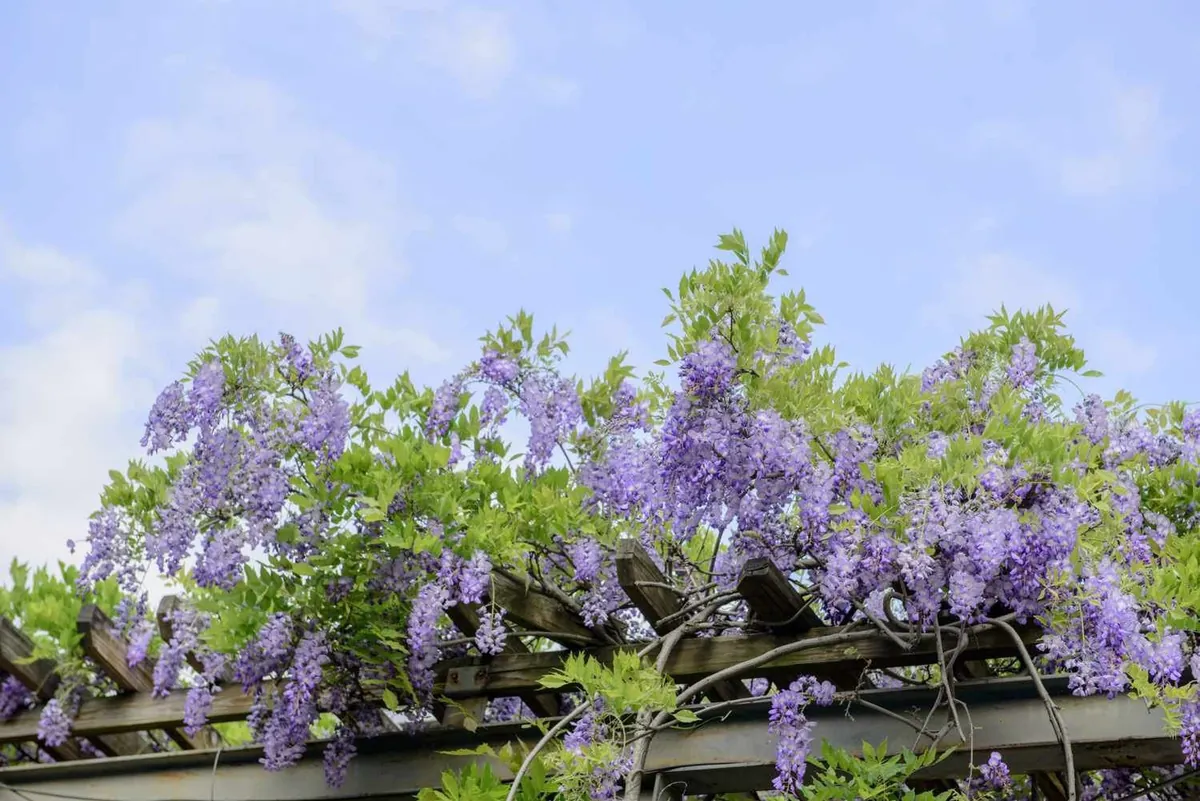
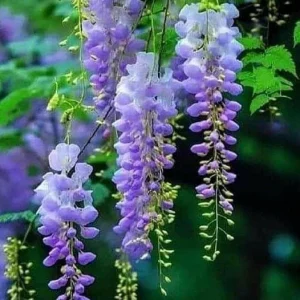
Introduce elegance to your landscape with the blue wisteria bare root plant. This vigorous climber is known for its cascades of fragrant blue flowers, perfect for covering pergolas, arbors, or fences. Enjoy a truly picturesque garden.
From Original price was: $151.92.$75.96Current price is: $75.96.

With our Alive & Thrive Guarantee, we’ve got your back for the first 30 days! If you have any concerns about your plants, just reach out to us. Our team is here to help answer your questions and guide you in selecting the best plants for your garden, climate, and unique preferences. We're excited to help you create the garden of your dreams!
Estimated arrival
Mar 12
Mar 17 - Mar 19
Mar 22 - Mar 26
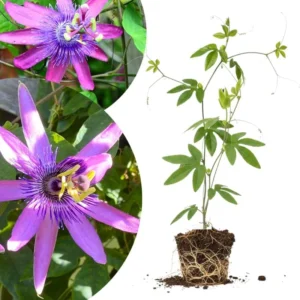
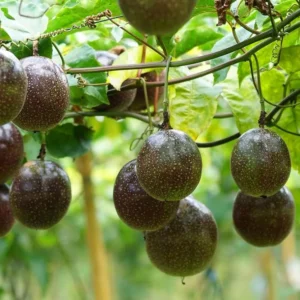
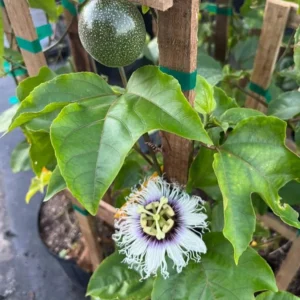
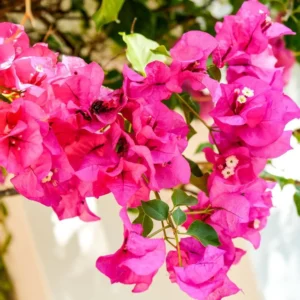



Product Details
-
USDA Hardiness Zone
USDA Zones 5-9 (varies by specific type) -
Soil type
Moist, well-draining, slightly acidic soil -
Sunlight Exposure
Full sun -
Expected Planting Period
Early spring
Overview
Transform your garden into a breathtaking haven with the addition of a blue wisteria bare root plant. This offering includes two ready-to-plant bare-root specimens, providing an excellent foundation for a vigorous and beautiful climbing vine. Wisteria is renowned for its spectacular, pendulous clusters of fragrant flowers that create a dramatic visual impact. Often associated with charming Southern gardens, these fast-growing climbers can quickly establish themselves, gracing your outdoor spaces with their iconic beauty. Ideal for training over structures like pergolas, arbors, or fences, wisteria adds vertical interest and a touch of romantic charm. Planting a blue wisteria bare root plant is an investment in long-term garden beauty, promising years of stunning floral displays.
Key Benefits
Adding a blue wisteria bare root plant to your garden brings a multitude of advantages, both aesthetic and practical.
- Stunning Floral Displays: Enjoy magnificent cascades of fragrant blue flowers that can transform any garden space into a vibrant and aromatic sanctuary. The abundant blooms are a true spectacle in spring and early summer.
- Vigorous Growth: Wisteria is a fast-growing vine, quickly covering structures like pergolas, arbors, and walls, providing shade and visual appeal in a relatively short period. This makes it an excellent choice for creating dramatic garden features.
- Architectural Interest: Its strong, woody stems can be trained to create living architectural elements, adding depth and structure to your landscape design. A well-trained blue wisteria bare root plant can become a focal point.
- Drought-Tolerant Once Established: After its initial establishment phase, wisteria is fairly drought-tolerant, reducing the need for constant watering during dry spells, making it a sustainable choice for many climates.
- Attracts Pollinators: The fragrant flowers are a magnet for bees and other beneficial pollinators, contributing to the biodiversity and health of your garden ecosystem.
- Long Lifespan: With proper care, wisteria vines can live for many decades, becoming a cherished and enduring part of your garden for generations.
- Versatile Landscaping: Whether you’re aiming for a classic Southern garden look or a modern, structured aesthetic, the versatility of blue wisteria bare root plant allows it to complement various garden styles.
Plant Care & Growing Tips
Successful wisteria plant care begins with proper planting and understanding its needs. When you receive your bare-root plants, soak the roots in water for a few hours before planting. Dig a hole that is wide and deep enough to accommodate the roots without bending them. Place the bare root in the hole, spreading the roots out, and backfill with soil, gently tamping down to remove air pockets. Water thoroughly.
Wisteria thrives best in full sun, meaning at least six hours of direct sunlight per day. While some varieties, like American and Chinese wisteria, can tolerate partial sun, they may produce fewer blooms. Site your wisteria away from buildings or trees if you don’t want it to scramble up them. For soil, wisteria is not overly fussy but requires good drainage. Moist, well-drained, slightly acidic soil is ideal. Japanese wisteria is particularly adaptable to various soil types, including wet or dry clay, loam, or sand, though it prefers acidic soil with a pH of 6.0. American wisteria prefers fertile, well-drained, and slightly acidic clay or loam.
Growing wisteria vine requires consistent moisture during its first growing season; water when the topsoil feels dry. Once established, wisteria becomes quite drought-tolerant, but a good soaking during hot, dry weather will be appreciated. Fertilization is generally not needed for wisteria, as excessive nitrogen can promote foliage growth at the expense of flowers. The most significant aspect of wisteria maintenance is training and pruning to control its vigorous growth and encourage abundant blooms. Regular pruning helps prevent the vines from becoming overgrown and potentially damaging structures, which is key to effective wisteria plant care.
Size & Details
This offering includes two blue wisteria bare root plant specimens, ready for immediate planting. Bare root plants are dormant and ship without soil or a pot, making them lightweight and easy to transport. Upon arrival, the roots should appear healthy and moist. Wisteria is a vigorous climber, typically growing to heights of 10-25 feet or more, depending on the variety and support structure. Its spread can be equally impressive, often reaching 5-15 feet wide. Expect these vines to establish quickly and begin to show significant growth in their first few seasons. The time to first bloom can vary, but many wisteria varieties begin flowering within 2-5 years of planting, with more abundant blooms as they mature. This hardy wisteria for sale is designed to provide robust growth and beautiful flowering for years to come.
Frequently Asked Questions
- Q: How big does this wisteria plant get? A: A blue wisteria bare root plant is a vigorous climber that can typically reach heights of 10-25 feet or more, with a spread of 5-15 feet, depending on the variety and how it’s trained and pruned.
- Q: What condition will the bare root wisteria arrive in? A: Your blue wisteria bare root plant will arrive dormant, without soil, and with healthy, moist roots, ready for planting upon receipt. This is a standard and effective way to ship many perennial plants.
- Q: How much sunlight does wisteria need? A: Wisteria blooms best in full sun, requiring at least 6 hours of direct sunlight daily for optimal flowering. Some varieties can tolerate partial sun but may produce fewer blooms. This is crucial for successful wisteria sun requirements.
- Q: Is this wisteria plant easy to care for? A: While wisteria is not overly fussy about soil, it does require significant maintenance in terms of training and pruning to control its vigorous growth and ensure abundant flowering. It’s not a ‘plant it and forget it’ type of vine.
- Q: When is the best time to plant bare root wisteria? A: The best time to plant blue wisteria bare root plant is typically in early spring, after the danger of hard frosts has passed but before the plant breaks dormancy.
- Q: What kind of soil does wisteria prefer? A: Wisteria prefers moist, well-drained, and slightly acidic soil. Good drainage is essential to prevent root rot. While adaptable, American wisteria thrives in fertile clay or loam.
- Q: Will this wisteria survive winter? A: Most wisteria varieties are quite hardy. Understanding if you have a hardy wisteria for sale is key. For example, American wisteria is hardy in USDA Zones 5-9, while Chinese and Japanese wisteria can be hardy in Zones 5-8. Ensure you check the specific hardiness zone for your region.
- Q: How long until my bare root wisteria blooms? A: While some wisteria can bloom in their second or third year, it often takes 3-5 years for a blue wisteria bare root plant to establish and begin producing its full complement of spectacular blooms. Patience is a virtue with wisteria.
- Q: Can I grow wisteria in a pot? A: While possible, wisteria’s vigorous growth and extensive root system make it challenging to grow long-term in pots. It requires a very large container and consistent pruning of both roots and foliage to thrive.
- Q: What are common uses for growing wisteria vine? A: Wisteria is excellent for covering pergolas, arbors, trellises, fences, and walls, creating beautiful shaded areas and dramatic garden features. It can also be trained as a standard (tree-form).
| wisteria | 12-18'', 18-24'', 6-12'' |
|---|
Related products
-50%
Original price was: $267.00.$133.50Current price is: $133.50.
-67%
Original price was: $50.97.$16.99Current price is: $16.99.
-50%
Original price was: $179.00.$89.50Current price is: $89.50.
-10%
Original price was: $19.99.$17.99Current price is: $17.99.
-50%

Original price was: $81.98.$40.99Current price is: $40.99.
-67%
Original price was: $59.97.$19.99Current price is: $19.99.
PLANTING & CARE

The Comprehensive Guide to Growing Bay Leaf Plants for a Flavorful Garden
Imagine stepping into your garden, greeted by the earthy aroma of fresh bay leaves, their
09
Feb
Feb

How to Make Comfrey Tea: The Ultimate Organic Plant Food
Growing an organic garden can be surprisingly expensive, especially when most store-bought fertilizers come in
02
Feb
Feb

True Comfrey: 7 Essential Tips Before You Plant This Herb
A staple in permaculture practices across the US, True Comfrey easily earns its reputation as
27
Jan
Jan

7 Heart-Shaped Plants for a Lasting Valentine’s Gift
If you’ve ever bought a bouquet of roses for Valentine’s Day, you know they are
26
Jan
Jan

Best Types of Ivy Plant for Houses: How to Choose the Perfect Ones for Your Home
Are you a garden lover looking to introduce some greenery into your home? Maybe you’ve
14
Nov
Nov

When to Harvest Garlic (Especially Fall-Planted Garlic)
TIMING IS EVERYTHING, they say – and for garlic, that truth hits with surprising accuracy.
13
Nov
Nov

11 of the Best Sweet Potato Varieties to Grow for Your Garden
If you’ve ever tried growing sweet potatoes, you know that picking the right variety can
12
Nov
Nov
Pruning Bougainvillea for Winter
Bougainvillea vines are known for their dazzling display of magenta, orange, and fuchsia bracts that
05
Nov
Nov