25 Paw Paw Tree Seeds – Asimina triloba Organic Edible Fruit Tree
-50%
25 Paw Paw Tree Seeds – Asimina triloba Organic Edible Fruit Tree
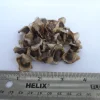
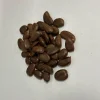
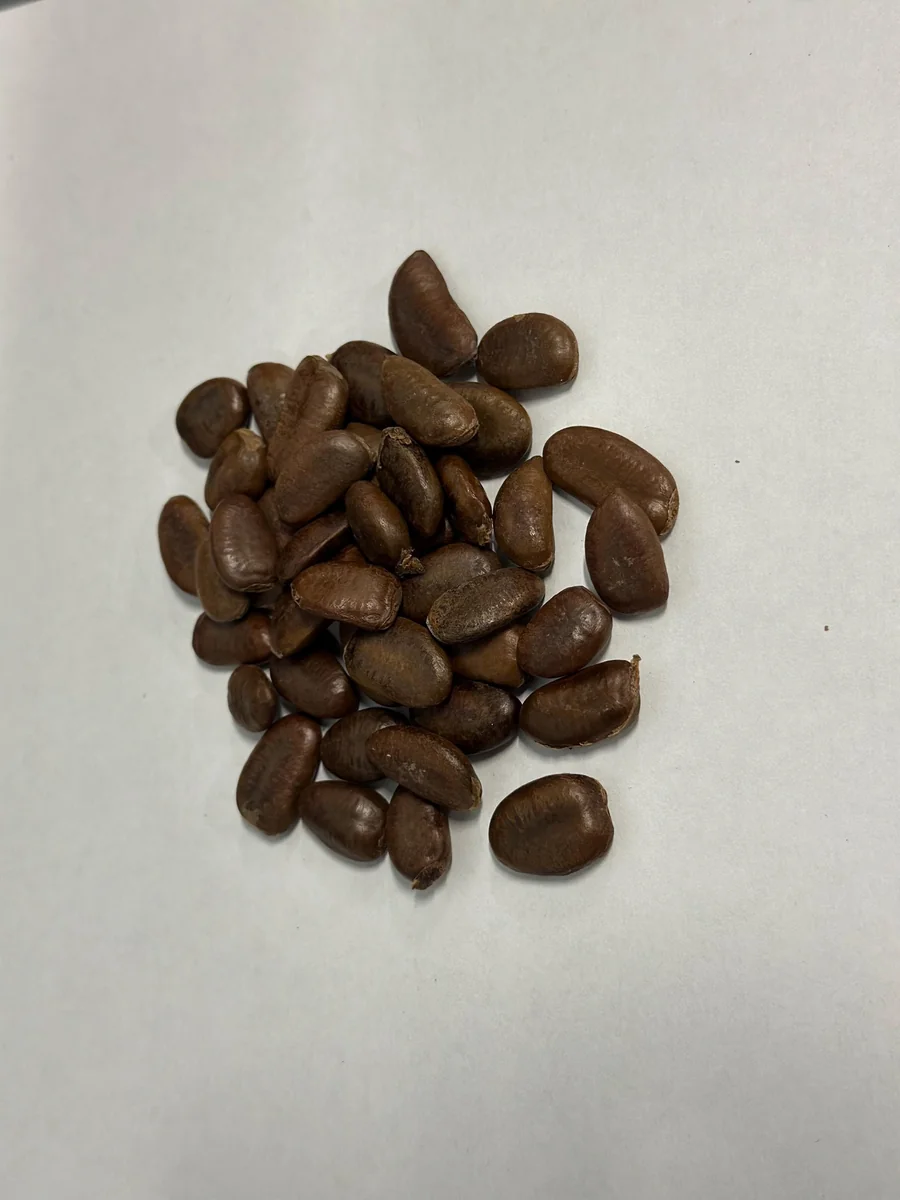
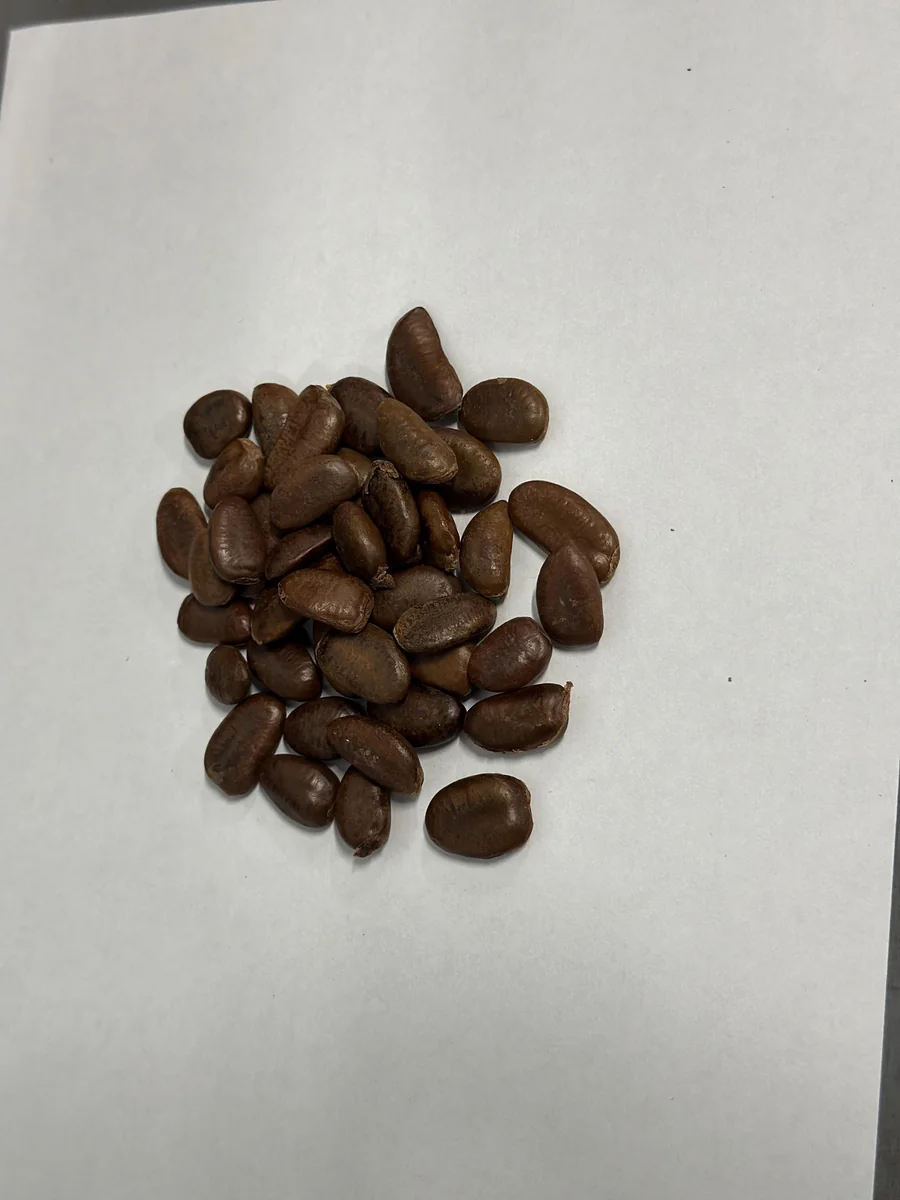
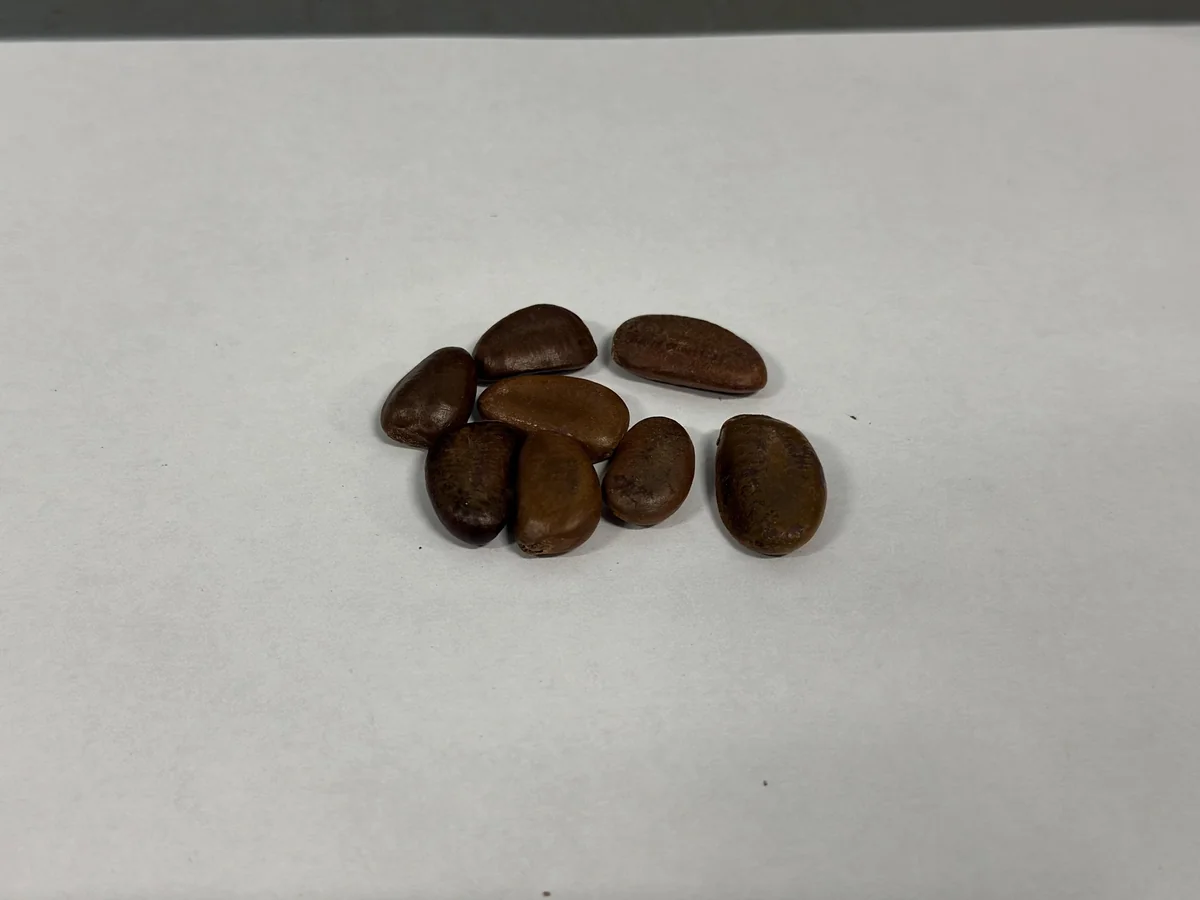
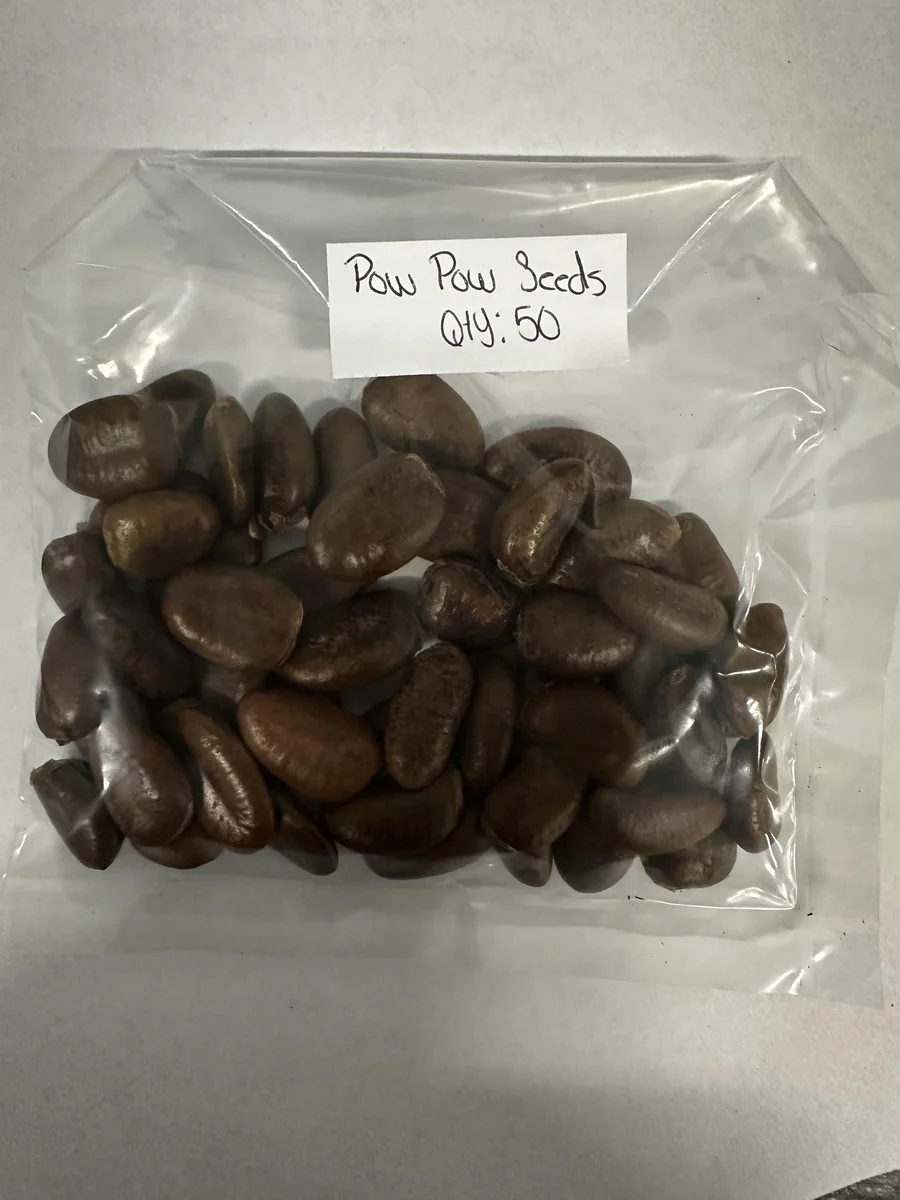
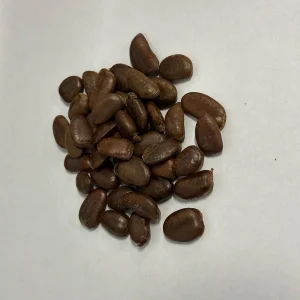
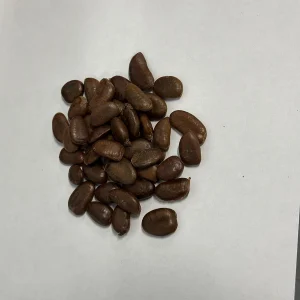
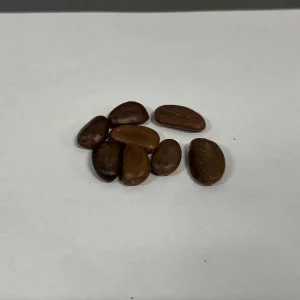
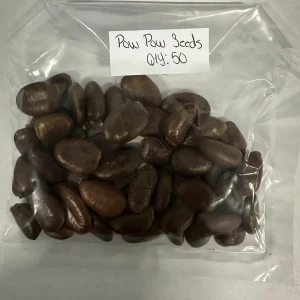
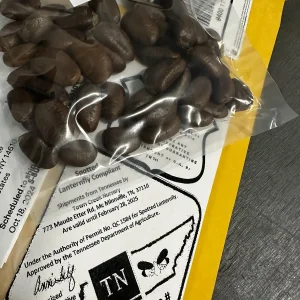
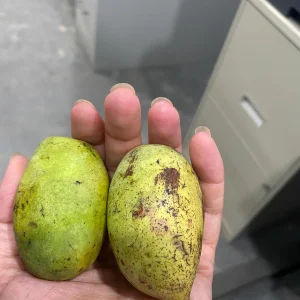
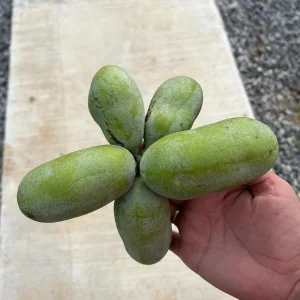
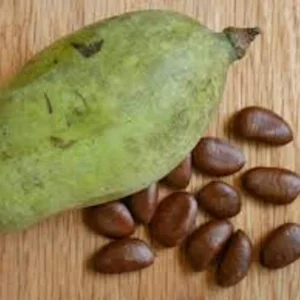
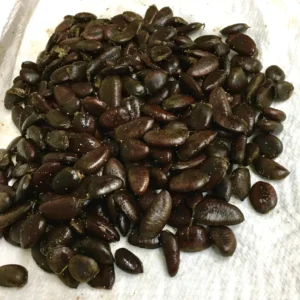
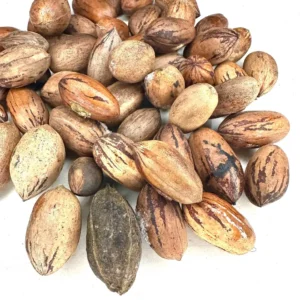
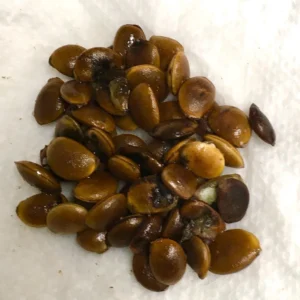
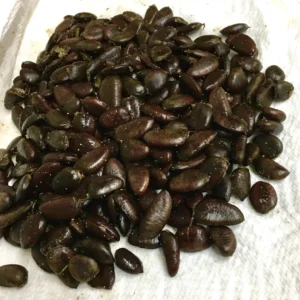
Discover the joy of growing your own unique fruit with these paw paw tree seeds. Each pack contains 25 organic Asimina triloba seeds, perfect for cultivating a cold-hardy, North American native fruit tree. Enjoy delicious, custard-like fruits with a tropical flavor profile.
Original price was: $83.80.$41.90Current price is: $41.90.

With our Alive & Thrive Guarantee, we’ve got your back for the first 30 days! If you have any concerns about your plants, just reach out to us. Our team is here to help answer your questions and guide you in selecting the best plants for your garden, climate, and unique preferences. We're excited to help you create the garden of your dreams!
Estimated arrival
Mar 22
Mar 27 - Mar 29
Apr 01 - Apr 05

Product Details
-
USDA Hardiness Zone
USDA Zones 5-9 -
Soil type
Well-draining, fertile, slightly acidic soil -
Sunlight Exposure
Partial shade for young plants, full sun to partial shade for mature trees -
Expected Planting Period
Spring after cold stratification
Overview
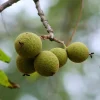
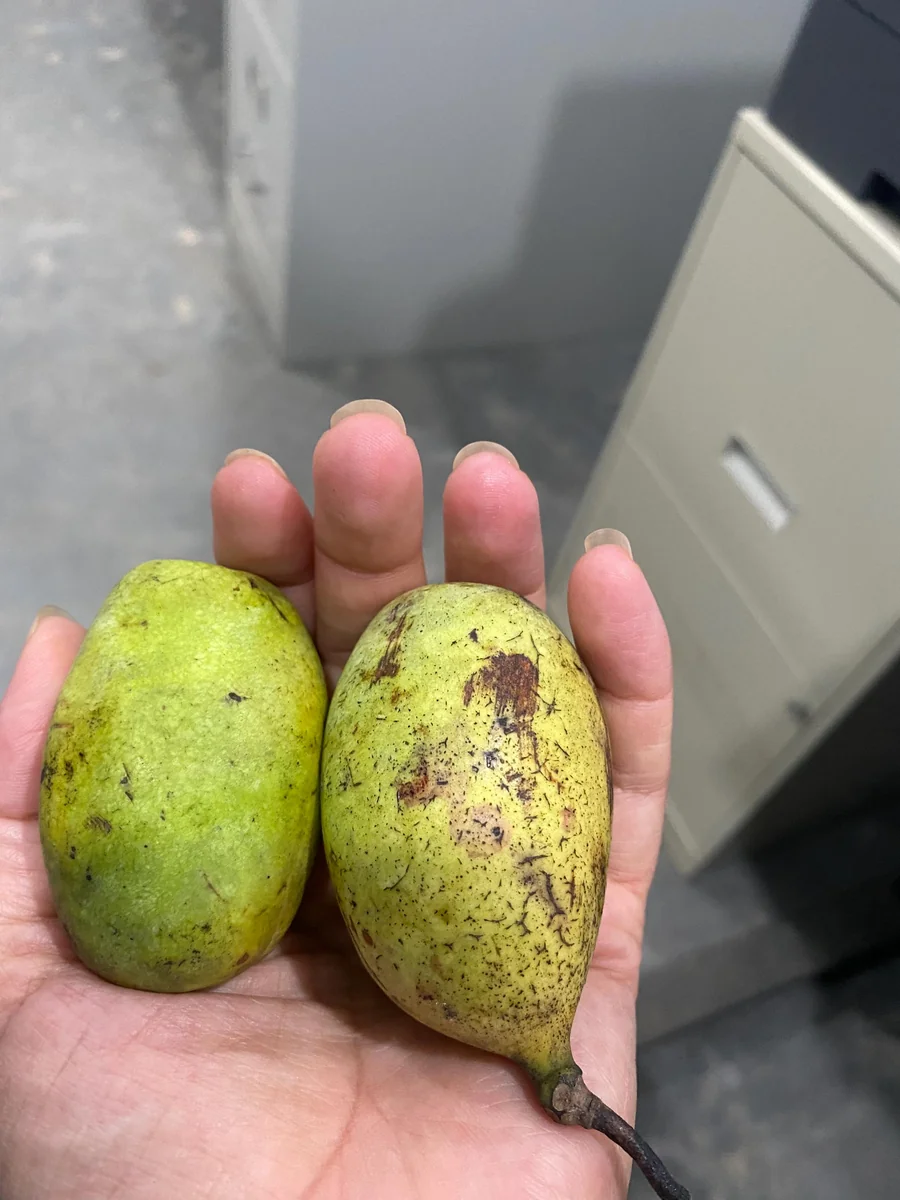
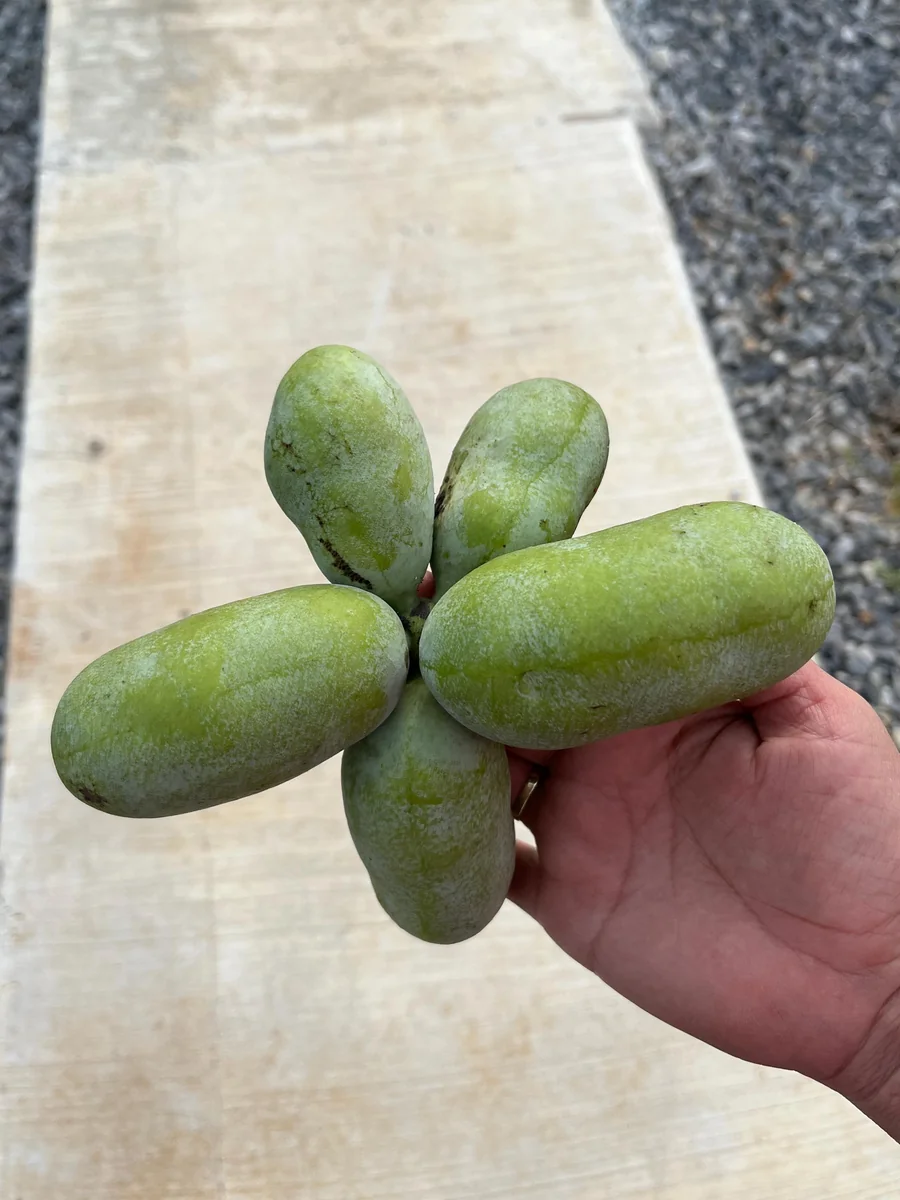
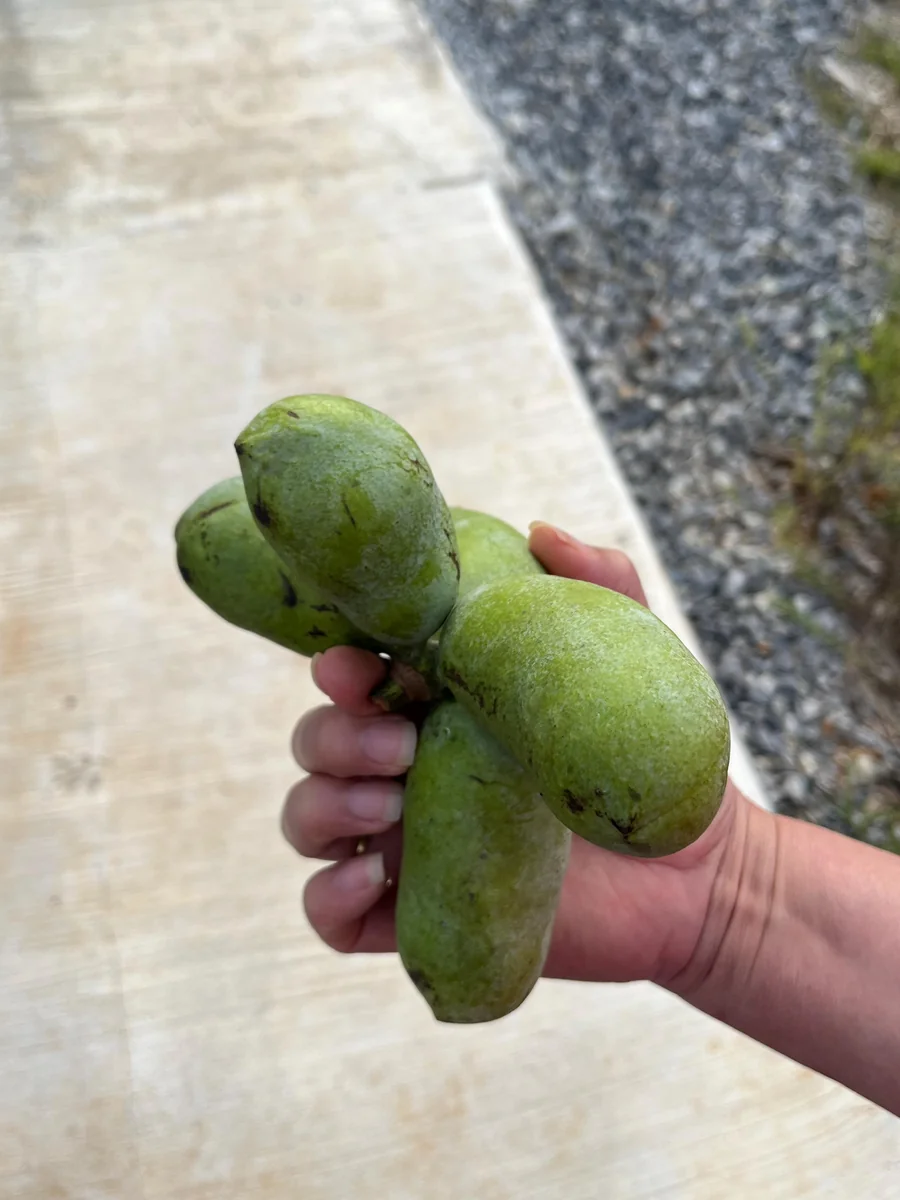
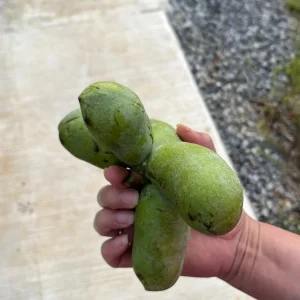
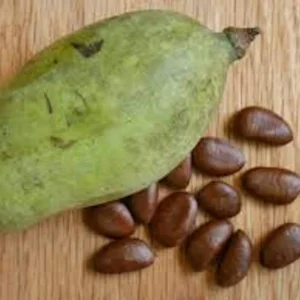
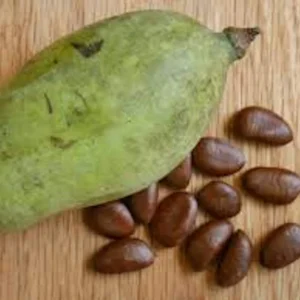
Embark on a rewarding gardening journey with these high-quality paw paw tree seeds. Originating from the Annonaceae family, the same as cherimoya and soursop, the pawpaw (Asimina triloba seeds) offers a distinctly delicious and unique fruit. These native North American trees are remarkably cold-hardy, thriving in regions as far north as southern Ontario and extending west to southeastern Nebraska and eastern Texas. The plump, green-skinned fruits can grow up to 6 inches long, revealing a creamy, custard-like flesh that tastes like a delightful blend of mango, banana, and a hint of pineapple. Growing your own paw paw tree from seed provides a sustainable and fulfilling way to enjoy this often-overlooked native superfood.
Known scientifically as Asimina triloba, the genus name ‘Asimina’ is derived from Native American terms describing its divided seeds or fruit. The specific epithet ‘triloba’ refers to its distinctive three-lobed fruits. These organic paw paw seeds are hand-collected, ensuring quality and viability for your planting efforts. Whether you’re an experienced horticulturist or a budding gardener, cultivating a paw paw tree from these seeds is a fascinating project that yields incredibly flavorful rewards.
Key Benefits
Cultivating paw paw tree seeds offers numerous advantages, from enjoying fresh, exotic-tasting fruit to enhancing your garden’s biodiversity. These benefits make growing Asimina triloba seeds a truly special experience:
- Unique Edible Fruit: Harvest delicious, custard-like fruits with a flavor profile reminiscent of mango, banana, and pineapple. A truly exotic taste from a temperate climate.
- Cold Hardy & Native: These trees are naturally adapted to eastern North America, making them resilient to cold temperatures and an excellent choice for native plant gardens.
- Organic & Hand-Collected: Our 25 organic paw paw seeds are carefully hand-collected, ensuring you receive viable seeds for a successful planting.
- Supports Local Ecosystems: As a native species, planting paw paw tree seeds helps support local wildlife, including pollinators and specific butterfly species.
- Low Maintenance Once Established: After initial care, paw paw trees are relatively low-maintenance, offering a rewarding harvest with minimal ongoing effort.
- Shade Tolerant Young Plants: While mature trees prefer more sun, young paw paw trees tolerate partial shade, making them versatile for various garden spots.
- Sustainable Gardening: Growing your own fruit from grow paw paw tree seeds contributes to a more sustainable and self-sufficient lifestyle.
Plant Care & Growing Tips
Successfully growing paw paw tree seeds requires patience and specific care, especially during germination and the early stages of growth. Pawpaw seeds require a period of cold stratification to germinate, mimicking winter conditions. After stratification, sow the Asimina triloba seeds about 1 inch deep in well-draining, rich soil. A mix of compost, peat moss, and perlite works well for starting seeds indoors. Keep the soil consistently moist but not waterlogged. Germination can be slow and irregular, sometimes taking several months.
Young pawpaw trees thrive in partial shade for their first year or two, protecting them from intense sun. As they mature, they prefer full sun to partial shade for optimal fruit production (at least 6-8 hours of direct sunlight). They are tolerant of a range of soil types but prefer deep, fertile, slightly acidic soil that drains well. Water regularly, especially during dry periods, to ensure the soil remains moist. Fertilize young trees sparingly with a balanced, organic fertilizer. Pawpaws are generally hardy in USDA Zones 5-9. Protect young trees from deer, which can browse on their tender shoots. Be mindful that pawpaws are not self-pollinating; you will need at least two genetically different trees to produce fruit, or hand-pollinate if you only have one. This is crucial if you want to grow paw paw tree and harvest its delicious fruit.
Size & Details
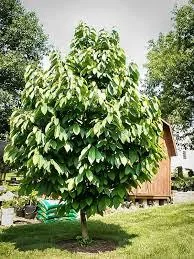
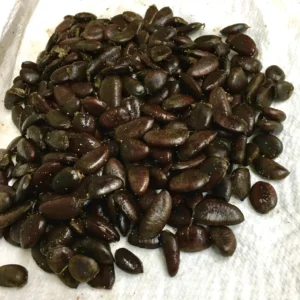
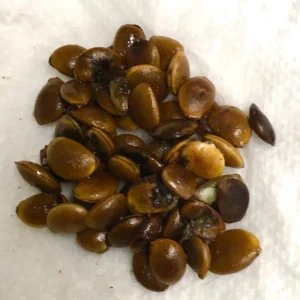
This product includes 25 paw paw tree seeds (Asimina triloba). Each seed is ready for stratification and planting to begin your journey of growing this unique native fruit tree. When mature, paw paw trees typically reach a height of 15-20 feet with a spread of 10-15 feet, forming a small to medium-sized tree. They have a moderate growth rate, and while they can begin fruiting within 5-7 years from seed, it may take longer. The fruits themselves are usually 3-6 inches long. These organic paw paw seeds are provided for you to cultivate and nurture, allowing you to witness the entire growth cycle from seed to a fruit-bearing tree. Proper stratification and care are essential for germination and establishing a healthy native fruit tree seeds plant.
Frequently Asked Questions
- Q: How do I germinate paw paw tree seeds? A: Paw paw seeds require cold stratification for 90-120 days. This can be done by placing them in a moist medium (like peat moss or sand) in a refrigerator before planting in spring. This process mimics winter conditions and is essential for successful germination.
- Q: How big does a paw paw tree get? A: A mature paw paw tree typically grows to a height of 15-20 feet with a spread of 10-15 feet, forming an attractive understory tree in its native habitat. Its size can vary depending on growing conditions and specific cultivar.
- Q: Is this an indoor or outdoor plant? A: Paw paw trees are outdoor plants, native to temperate climates. They require a period of dormancy, making them unsuitable for long-term indoor cultivation, although seedlings can be started indoors.
- Q: How much sunlight does a paw paw tree need? A: Young paw paw trees prefer partial shade for their first year or two. Mature trees will produce more fruit in full sun (at least 6-8 hours of direct sunlight) but can tolerate partial shade.
- Q: Is this plant easy to care for? A: Once established, paw paw trees are relatively low-maintenance. The most challenging part is often the germination process from Asimina triloba seeds and ensuring young plants are protected from harsh sun and pests.
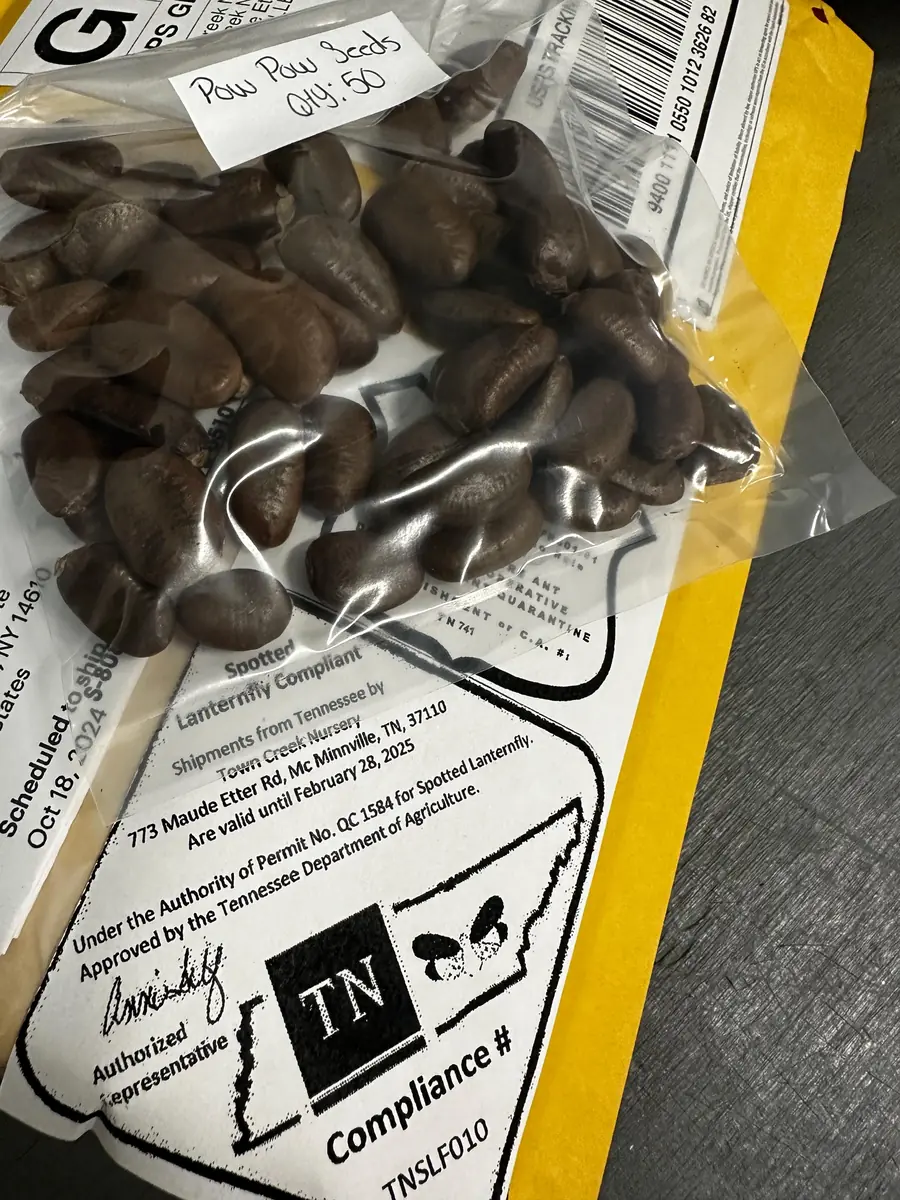
- Q: What condition will the organic paw paw seeds arrive in? A: Your 25 organic paw paw seeds will arrive carefully packaged to ensure their viability, ready for you to begin the cold stratification process and subsequent planting.
- Q: How long until a paw paw tree produces fruit? A: Paw paw trees grown from seed typically begin to bear fruit in 5-7 years, though this can vary. Remember, you generally need at least two genetically distinct trees for successful cross-pollination and fruit set.
- Q: Will these native fruit tree seeds survive winter in my zone? A: Paw paw trees are cold-hardy and thrive in USDA Zones 5-9. They are well-adapted to temperate climates and require a cold dormancy period.
- Q: What type of soil is best for grow paw paw tree? A: Paw paw trees prefer deep, fertile, well-draining, and slightly acidic soil. Amending heavy clay soils with organic matter can improve drainage and provide essential nutrients.
Related products
-20%
Original price was: $25.00.$20.00Current price is: $20.00.
-20%
Original price was: $19.98.$15.98Current price is: $15.98.
-20%
Original price was: $30.00.$24.00Current price is: $24.00.
-50%


Original price was: $23.96.$11.98Current price is: $11.98.
-20%
Original price was: $15.00.$12.00Current price is: $12.00.
-20%
Original price was: $34.00.$27.20Current price is: $27.20.
-50%

Original price was: $19.96.$9.98Current price is: $9.98.
-20%
Original price was: $38.00.$30.40Current price is: $30.40.
PLANTING & CARE

The Comprehensive Guide to Growing Bay Leaf Plants for a Flavorful Garden
Imagine stepping into your garden, greeted by the earthy aroma of fresh bay leaves, their
09
Feb
Feb

How to Make Comfrey Tea: The Ultimate Organic Plant Food
Growing an organic garden can be surprisingly expensive, especially when most store-bought fertilizers come in
02
Feb
Feb

True Comfrey: 7 Essential Tips Before You Plant This Herb
A staple in permaculture practices across the US, True Comfrey easily earns its reputation as
27
Jan
Jan

7 Heart-Shaped Plants for a Lasting Valentine’s Gift
If you’ve ever bought a bouquet of roses for Valentine’s Day, you know they are
26
Jan
Jan

Best Types of Ivy Plant for Houses: How to Choose the Perfect Ones for Your Home
Are you a garden lover looking to introduce some greenery into your home? Maybe you’ve
14
Nov
Nov

When to Harvest Garlic (Especially Fall-Planted Garlic)
TIMING IS EVERYTHING, they say – and for garlic, that truth hits with surprising accuracy.
13
Nov
Nov

11 of the Best Sweet Potato Varieties to Grow for Your Garden
If you’ve ever tried growing sweet potatoes, you know that picking the right variety can
12
Nov
Nov
Pruning Bougainvillea for Winter
Bougainvillea vines are known for their dazzling display of magenta, orange, and fuchsia bracts that
05
Nov
Nov