10x Ketembilla Ceylon Gooseberry Seeds – Dovyalis hebecarpa Edible Fruit
-50%
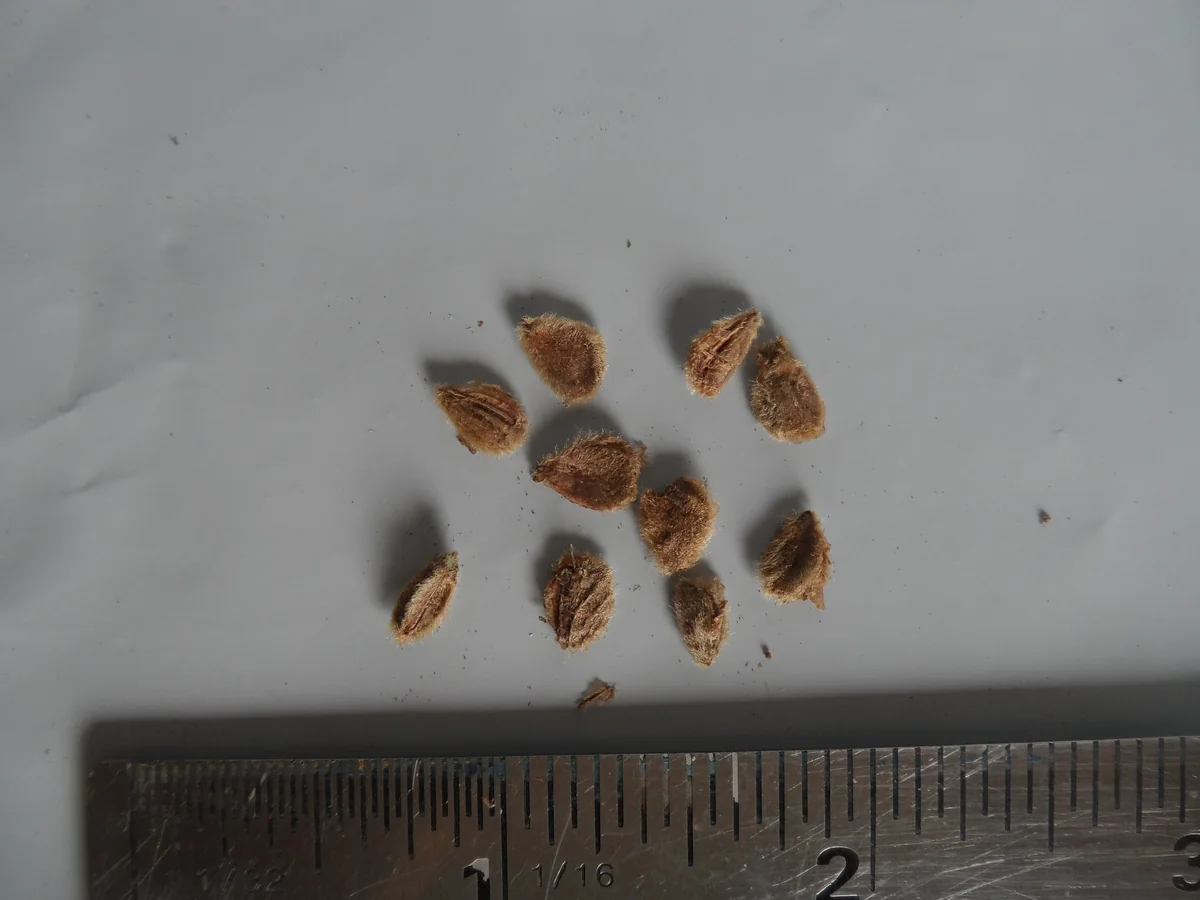
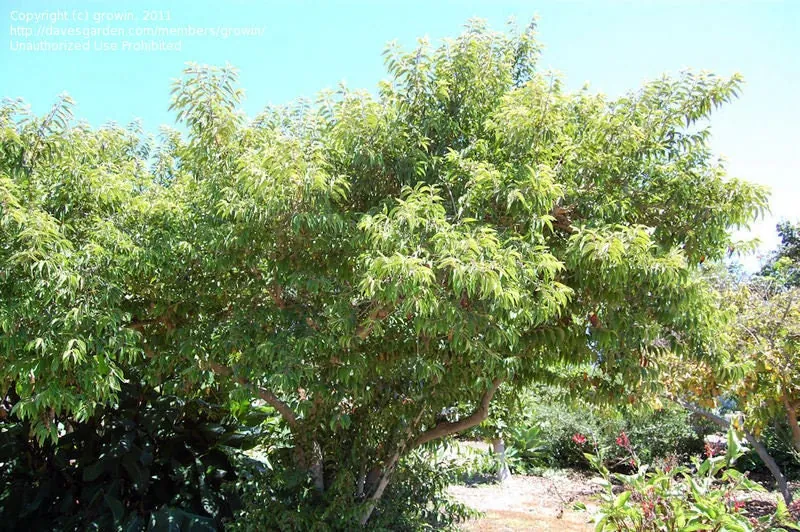
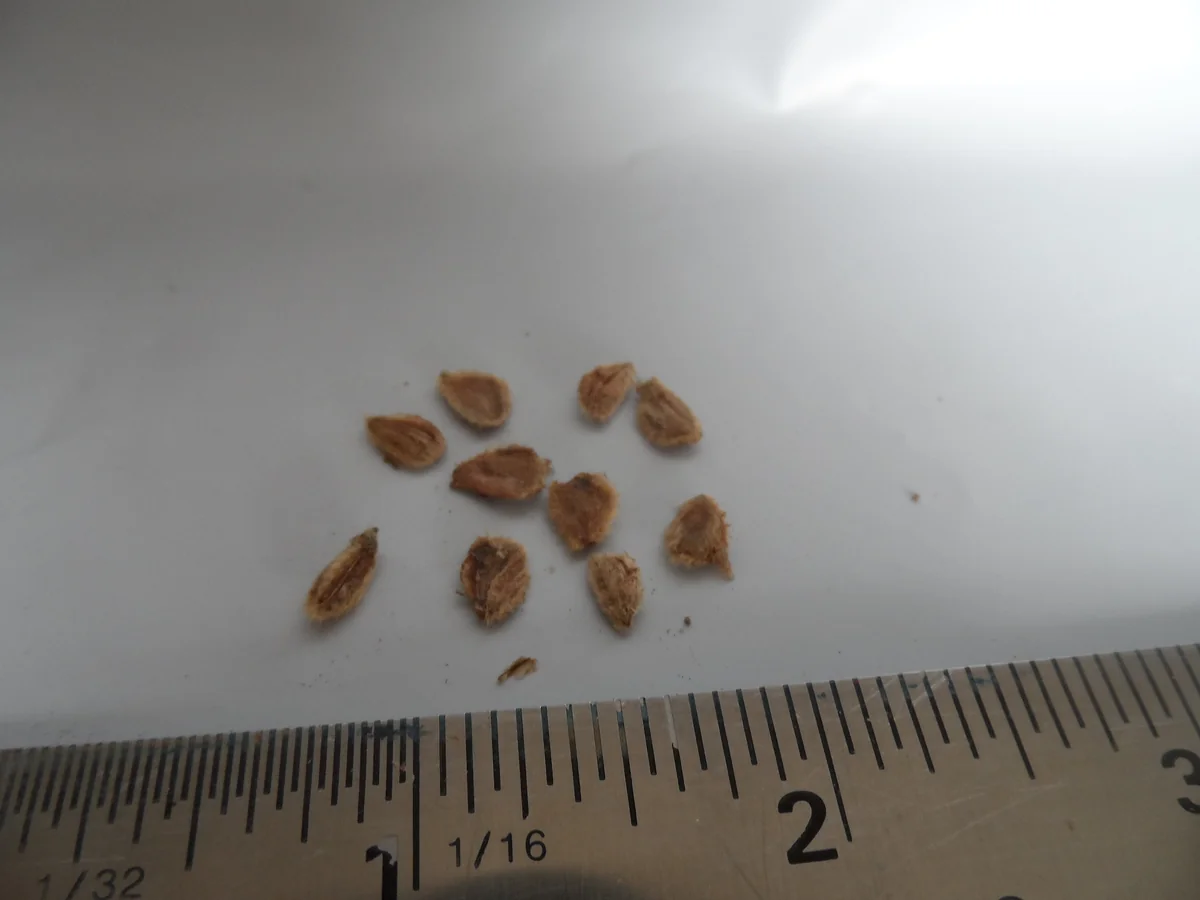
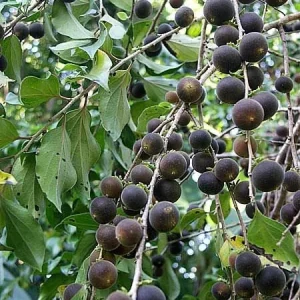
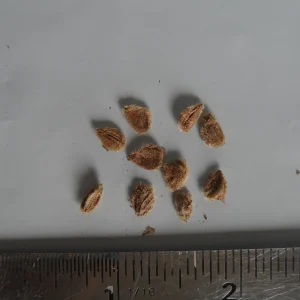
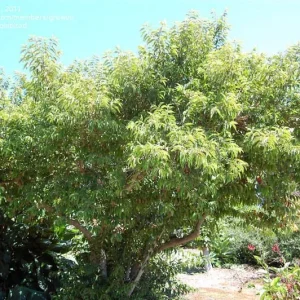
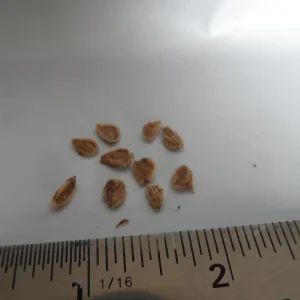
10x Ketembilla Ceylon Gooseberry Seeds – Dovyalis hebecarpa Edible Fruit
Cultivate your own exotic fruit with these 10x ketembilla seeds. Also known as Ceylon Gooseberry seeds (Dovyalis hebecarpa), these seeds promise an easy-to-grow plant that yields delicious, edible fruit perfect for juicing or fresh enjoyment. Start your tropical garden adventure today!
From Original price was: $96.00.$48.00Current price is: $48.00.

With our Alive & Thrive Guarantee, we’ve got your back for the first 30 days! If you have any concerns about your plants, just reach out to us. Our team is here to help answer your questions and guide you in selecting the best plants for your garden, climate, and unique preferences. We're excited to help you create the garden of your dreams!
Estimated arrival
Mar 22
Mar 27 - Mar 29
Apr 01 - Apr 05


Product Details
-
USDA Hardiness Zone
USDA zones 9-11 -
Soil type
Well-draining, slightly acidic to neutral soil -
Sunlight Exposure
Full sun -
Expected Planting Period
Spring to early summer
Overview
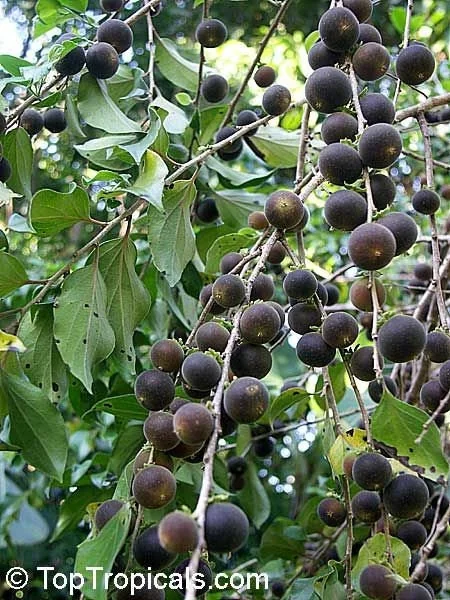
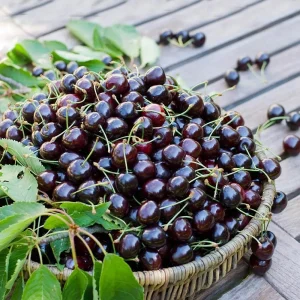
Embark on a rewarding gardening journey with our premium selection of 10x ketembilla seeds. These fresh seeds, scientifically known as Dovyalis hebecarpa, offer you the opportunity to cultivate your very own Ceylon Gooseberry plant. The Ketembilla, often referred to as the Ceylon Gooseberry seeds, is a fascinating and highly productive shrub prized for its tart, juicy, purple-red fruits. Native to Sri Lanka and parts of India, this resilient plant is known for being an abundant producer, making it a fantastic addition to any home garden. Whether you’re an experienced horticulturist or a budding enthusiast, growing ketembilla from seed is a straightforward and satisfying process that brings a touch of the tropics to your landscape.
The fruit of the Dovyalis hebecarpa is not only delicious but also versatile, perfect for making jams, jellies, juices, or simply enjoying fresh off the bush. These edible fruit seeds are a gateway to sustainable home-grown produce, allowing you to enjoy the unique flavor of Ketembilla right from your backyard. Our dovyalis hebecarpa seeds are carefully sourced to ensure high viability, providing you with the best chance for successful germination and a thriving, fruit-bearing plant.
Key Benefits
Cultivating ketembilla seeds offers a multitude of benefits, transforming your garden into a productive and exotic haven. The rewards extend beyond just fresh fruit; they encompass the joy of nurturing a unique plant from its very beginning. Here are some of the key advantages of choosing our Ceylon Gooseberry seeds:
- Abundant Edible Fruit: Once established, the Ketembilla plant is known for its prolific fruiting, providing a generous harvest of delicious, tart berries. These fruits are perfect for fresh eating, juicing, or creating culinary delights. Enjoy the unique taste of your home-grown edible fruit seeds.
- Easy to Grow: Dovyalis hebecarpa is a relatively low-maintenance plant, making it suitable for gardeners of all skill levels. With proper care, these plants thrive and produce fruit without excessive effort.
- Unique Flavor Profile: The Ceylon Gooseberry offers a distinct tart and slightly sweet flavor, unlike common berries. It’s an exciting addition to smoothies, desserts, and savory dishes, providing a gourmet touch to your meals.
- High Viability Seeds: Our dovyalis hebecarpa seeds are fresh and selected for their strong germination rates, ensuring a higher likelihood of successful growth.
- Ornamental Value: Beyond its fruit, the Ketembilla shrub has attractive foliage, adding a tropical aesthetic to your garden or patio. It can serve as an interesting hedge or a standalone specimen.
- Sustainable Gardening: Growing ketembilla from seeds promotes sustainable practices, allowing you to control the growing conditions and enjoy organic, pesticide-free produce.
- Medicinal Properties: Traditionally, parts of the Ketembilla plant have been used in various folk remedies, highlighting its potential health benefits, though further research is ongoing.
Plant Care & Growing Tips
Successful cultivation of ketembilla seeds begins with understanding their specific needs. These plants, originating from tropical and subtropical regions, perform best when their environmental preferences are met. Start your Ceylon Gooseberry seeds indoors in a warm environment, ideally in seed starting trays filled with a well-draining, sterile seed-starting mix. Plant seeds about 1/4 inch deep and keep the soil consistently moist but not waterlogged. Germination can be variable, sometimes taking a few weeks, so patience is key.
Once seedlings have developed a few true leaves and are sturdy enough, they can be transplanted into larger pots. For optimal growth, Dovyalis hebecarpa prefers full sun exposure, meaning at least 6-8 hours of direct sunlight per day. While it can tolerate partial shade, fruit production may be reduced. The ideal soil type is well-draining, slightly acidic to neutral (pH 6.0-7.0), and rich in organic matter. Water regularly, especially during dry periods, ensuring the soil remains moist but never soggy. Established plants are somewhat drought-tolerant but will produce more fruit with consistent moisture.
Ketembilla plants are generally hardy in USDA zones 9-11, where they can be grown outdoors year-round. In cooler climates, they can be grown in containers and brought indoors during winter or treated as annuals. Fertilize young plants with a balanced, slow-release fertilizer during the growing season. Pruning can help maintain shape, encourage bushier growth, and improve fruit production. Watch out for common garden pests, though Ketembilla is generally quite resilient. With these tips, you’ll be well on your way to growing ketembilla successfully.
Size & Details
This offering includes 10x ketembilla seeds, ready for planting. Each seed holds the potential to grow into a robust Dovyalis hebecarpa shrub. When mature, the Ketembilla plant typically reaches a height of 6 to 15 feet (1.8 to 4.5 meters) and can spread similarly, forming a dense, bushy structure. Growth rate is moderate, with plants often beginning to fruit within 2-3 years from seed under ideal conditions. The fruits are small, round to oval, about 0.5 to 1 inch (1.2 to 2.5 cm) in diameter, and ripen to a deep purple-red color. These dovyalis hebecarpa seeds are suitable for starting in pots or directly in the ground, depending on your climate and growing preferences.
The plants are generally shipped as dried seeds, ensuring their longevity and ease of transport. For best results, plant upon arrival. Expect a bountiful harvest once your plant matures, providing a continuous supply of fresh, tart fruits. These edible fruit seeds are an excellent choice for those looking to diversify their home orchard or add a unique fruiting plant to their landscape. Proper care will ensure a healthy, productive shrub for many years.
Frequently Asked Questions
- Q: How many seeds are included in this package? A: This package contains 10x ketembilla seeds, providing multiple opportunities for successful germination and plant growth.
- Q: Is Ketembilla an indoor or outdoor plant? A: While Dovyalis hebecarpa thrives outdoors in tropical and subtropical climates (USDA zones 9-11), it can be grown in containers and brought indoors during colder months in cooler regions.
- Q: How much sunlight do these Ceylon Gooseberry seeds need? A: Ketembilla plants prefer full sun, requiring at least 6-8 hours of direct sunlight daily for optimal growth and fruit production.
- Q: Is growing ketembilla difficult for beginners? A: No, Ketembilla is considered relatively easy to grow. With well-draining soil, adequate sunlight, and consistent watering, even beginner gardeners can achieve success.
- Q: What condition will the seeds arrive in? A: The edible fruit seeds will arrive as fresh, dried seeds, packaged to maintain viability during transit.
- Q: How long does it take for Ketembilla to produce fruit from seed? A: Typically, Ketembilla plants grown from seed will begin to produce fruit within 2-3 years, depending on growing conditions and care.
- Q: What is the ideal soil type for dovyalis hebecarpa seeds? A: These seeds and subsequent plants prefer well-draining, fertile soil that is slightly acidic to neutral, with a good amount of organic matter.
- Q: Can I use Ketembilla fruit for juicing? A: Absolutely! The tart and juicy nature of the Ceylon Gooseberry fruits makes them excellent for juicing, as well as for making jams, jellies, and sauces.
- Q: Will the Ketembilla plant survive winter in my zone? A: If you are in USDA zones 9-11, your Ketembilla plant should survive winter outdoors. In colder zones, it’s best to grow it in a pot and move it indoors or protect it from frost.
- Q: What is the mature size of a Ketembilla plant? A: A mature Ketembilla shrub can reach heights of 6 to 15 feet and similar spreads, forming a dense, productive bush.
| Qty | 10, 20 |
|---|
Related products

-50%
Original price was: $28.00.$14.00Current price is: $14.00.
-50%
Original price was: $48.00.$24.00Current price is: $24.00.

PLANTING & CARE

The Comprehensive Guide to Growing Bay Leaf Plants for a Flavorful Garden
Imagine stepping into your garden, greeted by the earthy aroma of fresh bay leaves, their
09
Feb
Feb

How to Make Comfrey Tea: The Ultimate Organic Plant Food
Growing an organic garden can be surprisingly expensive, especially when most store-bought fertilizers come in
02
Feb
Feb

True Comfrey: 7 Essential Tips Before You Plant This Herb
A staple in permaculture practices across the US, True Comfrey easily earns its reputation as
27
Jan
Jan

7 Heart-Shaped Plants for a Lasting Valentine’s Gift
If you’ve ever bought a bouquet of roses for Valentine’s Day, you know they are
26
Jan
Jan

Best Types of Ivy Plant for Houses: How to Choose the Perfect Ones for Your Home
Are you a garden lover looking to introduce some greenery into your home? Maybe you’ve
14
Nov
Nov

When to Harvest Garlic (Especially Fall-Planted Garlic)
TIMING IS EVERYTHING, they say – and for garlic, that truth hits with surprising accuracy.
13
Nov
Nov

11 of the Best Sweet Potato Varieties to Grow for Your Garden
If you’ve ever tried growing sweet potatoes, you know that picking the right variety can
12
Nov
Nov
Pruning Bougainvillea for Winter
Bougainvillea vines are known for their dazzling display of magenta, orange, and fuchsia bracts that
05
Nov
Nov