4x Purple Prickly Pear Cactus Cuttings – Edible Nopal Live Plant
-50%
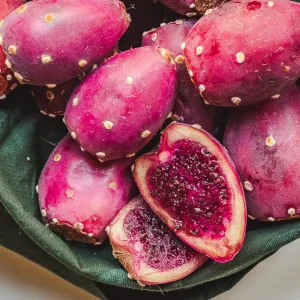
4x Purple Prickly Pear Cactus Cuttings – Edible Nopal Live Plant
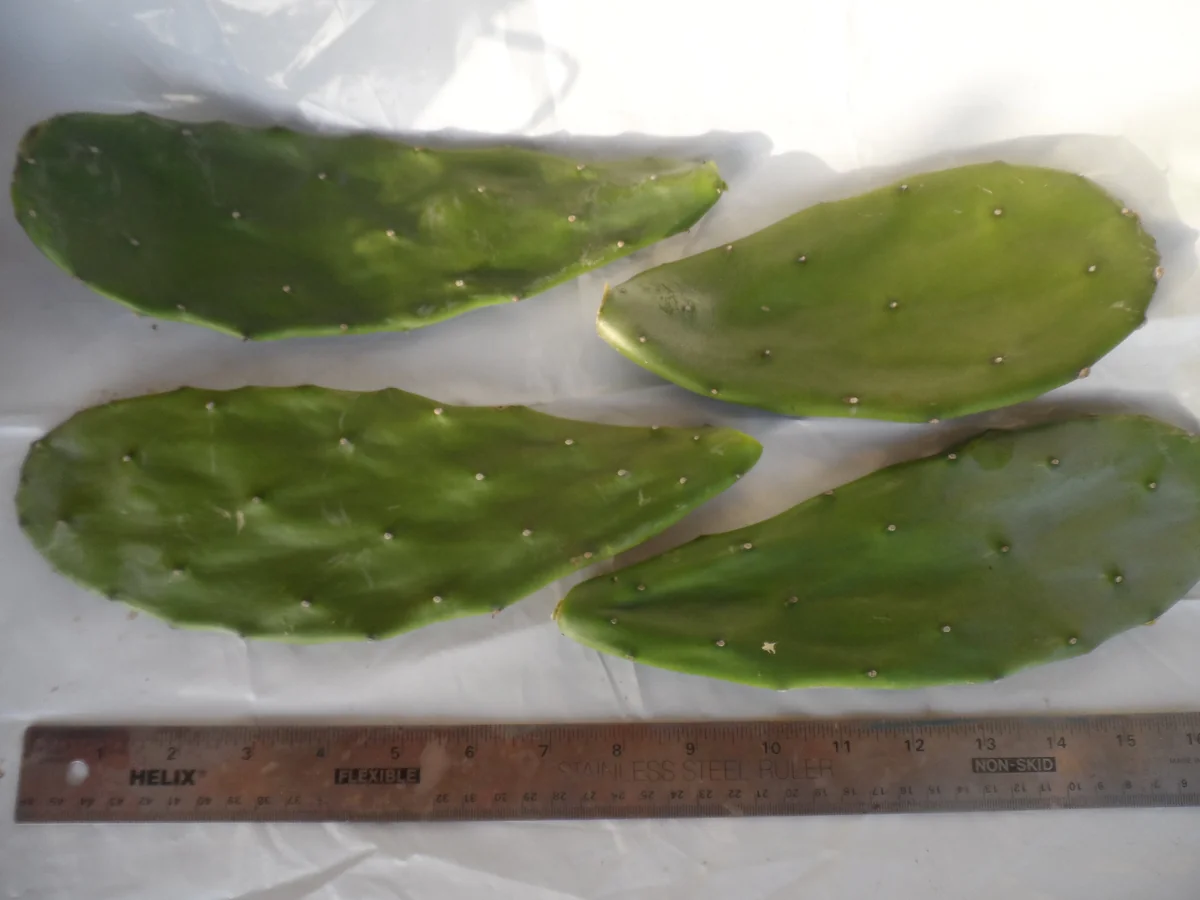
Cultivate your own vibrant purple prickly pear cactus with this set of 4 large cuttings. Known for its edible pads (nopal) and fruit, this drought-tolerant succulent is easy to grow in full sun. Ideal for xeriscaping or container gardening, adding unique beauty and culinary value.
Original price was: $76.00.$38.00Current price is: $38.00.

With our Alive & Thrive Guarantee, we’ve got your back for the first 30 days! If you have any concerns about your plants, just reach out to us. Our team is here to help answer your questions and guide you in selecting the best plants for your garden, climate, and unique preferences. We're excited to help you create the garden of your dreams!
Estimated arrival
Mar 24
Mar 29 - Mar 31
Apr 03 - Apr 07
Product Details
-
USDA Hardiness Zone
USDA zones 8-11 -
Soil type
Well-draining cactus or succulent mix -
Sunlight Exposure
Full sun -
Expected Planting Period
Spring to early summer
Overview
Bring the beauty and culinary versatility of the desert into your home or garden with these 4 large purple prickly pear cactus cuttings. This popular succulent, scientifically known as Opuntia ficus-indica, is cherished for its striking purple-tinged pads and the delicious, edible nopal that forms a staple in many cuisines, particularly in Mexico. These robust cuttings are ready to be planted, offering an easy way to establish a thriving cactus that provides both ornamental appeal and a unique food source. Whether you’re an experienced gardener or just starting, growing an edible nopal plant from cuttings is a rewarding experience, yielding fresh pads for cooking and vibrant flowers that may lead to sweet fruit.
The purple prickly pear cactus is renowned for its resilience and adaptability, making it an excellent choice for various climates and growing conditions. Its distinctive pads not only add an architectural element to any landscape but also offer a unique color palette, especially when exposed to direct sunlight. These specific cuttings are from an edible variety, ensuring that every part of the plant, from the pads to the fruit, can be enjoyed. Embrace sustainable gardening by cultivating a plant that is not only beautiful but also provides a nutritious and delicious harvest right from your garden.
Key Benefits
Growing a purple prickly pear cactus offers a multitude of advantages, from its striking appearance to its practical uses. This resilient plant is an excellent addition to any garden, providing both aesthetic and culinary benefits:
- Edible Pads (Nopal): The young pads, known as nopal, are widely consumed for their unique flavor and nutritional value, rich in fiber, vitamins, and antioxidants. They can be grilled, sautéed, or added to salads and stews.
- Drought-Tolerant & Low Maintenance: Once established, the purple prickly pear cactus requires minimal watering, making it perfect for xeriscaping and gardeners seeking easy-care plants.
- Vibrant Purple Coloration: The pads develop beautiful purple hues, especially in full sun, adding a unique visual appeal to your landscape or container arrangements.
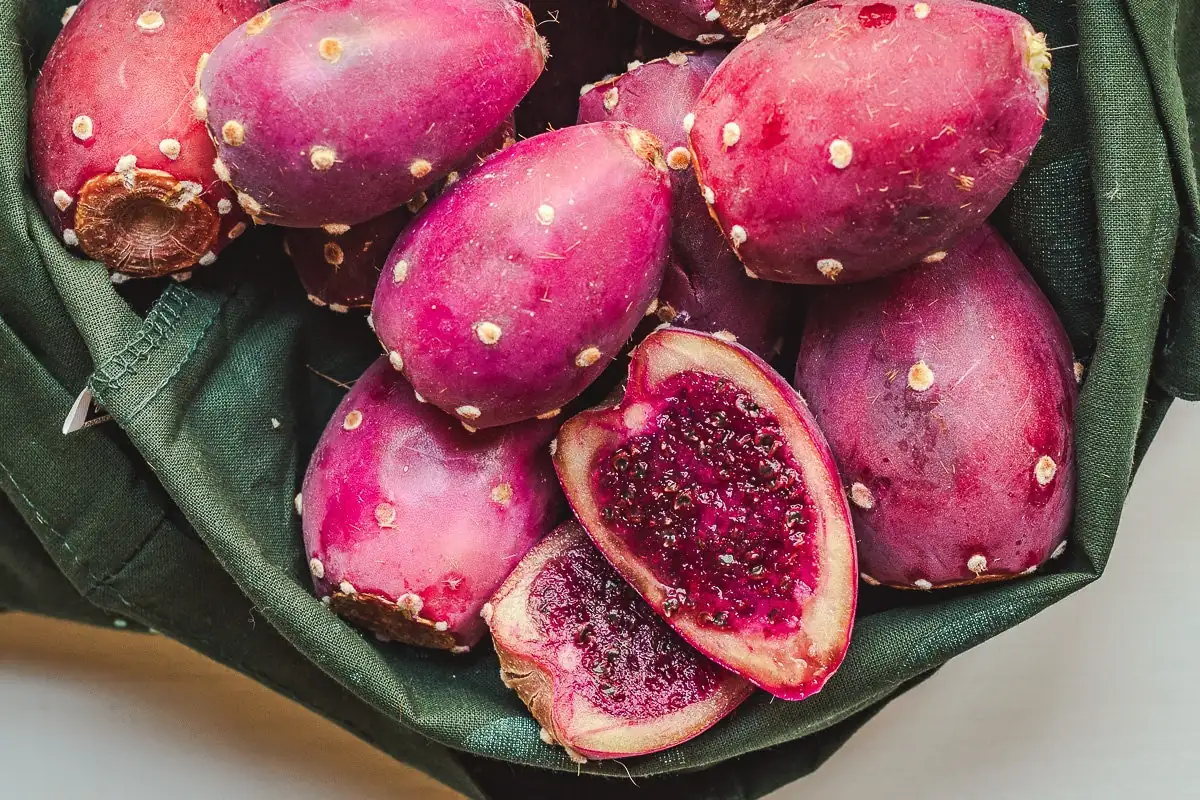
- Culinary Versatility: Beyond the pads, the plant produces delicious fruit (tunas) that can be eaten fresh, juiced, or used in jams and desserts, offering a complete edible experience.
- Easy Propagation: These 4 cuttings provide a straightforward method for establishing new plants, allowing you to expand your collection or share with friends.
- Ecological Benefits: Prickly pear cacti provide habitat and food for wildlife, including birds and small mammals, contributing to local biodiversity.
- Adaptable Growth: Thrives in a variety of soil conditions and can be grown in containers or directly in the ground, making it suitable for diverse garden designs.
Plant Care & Growing Tips
Caring for your purple prickly pear cactus is relatively simple, given its hardy nature. These succulents are known for their resilience and ability to thrive in challenging conditions, making them ideal for both novice and experienced gardeners. For optimal growth and vibrant coloration, provide plenty of sunlight. Plant your cuttings in a location that receives at least 6-8 hours of direct sunlight daily. In hotter climates, a little afternoon shade might be beneficial to prevent scorching, but generally, more sun equals more intense purple hues on the pads.
When it comes to watering, less is more for this desert dweller. Allow the soil to dry out completely between waterings, especially during the cooler months. Overwatering is the most common cause of root rot in cacti. During the active growing season (spring and summer), water thoroughly but infrequently. For soil, use a well-draining cactus or succulent mix, or amend regular potting soil with perlite or coarse sand to improve drainage. Good drainage is crucial for preventing waterlogged roots. The ideal temperature range for Opuntia ficus-indica is between 60-90°F (15-32°C). While mature plants can tolerate light frost, protect young cuttings from freezing temperatures. It is generally hardy in USDA zones 8-11, but can be grown as a container plant and brought indoors in colder regions. Fertilize sparingly, once or twice during the growing season, with a balanced, diluted cactus fertilizer. Understanding how to grow prickly pear successfully involves mimicking its natural arid environment.
Common problems are usually related to overwatering, leading to soft, mushy pads. Ensure proper drainage and adjust your watering schedule if you notice these signs. Pests are rarely an issue for this robust succulent, but occasionally mealybugs or scale might appear. These can be treated with insecticidal soap or by wiping them off with rubbing alcohol. With these simple care guidelines, your purple prickly pear cactus will flourish, providing you with beautiful foliage and delicious edible pads for many years to come. Enjoy the process of cultivating this unique and beneficial plant.
Size & Details
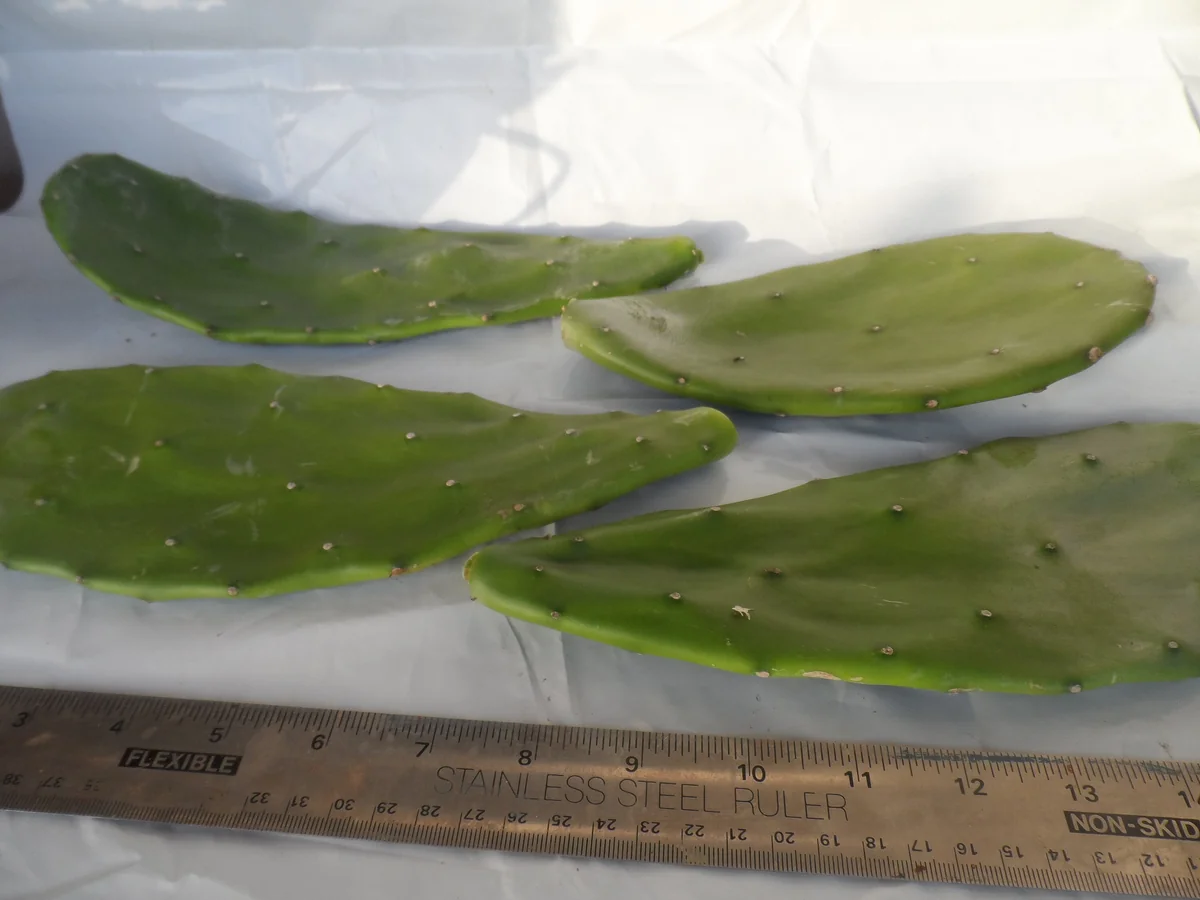
This offering includes 4 purple prickly pear cactus cuttings, each carefully selected for health and vigor. These are large pads, typically ranging from 6 to 10 inches in length, and are ready for immediate planting. When mature, the Opuntia ficus-indica plant can reach heights of 6 to 15 feet and widths of 3 to 10 feet, forming a bushy, sprawling structure. The growth rate is moderate to fast, especially in ideal conditions. You can expect to see new growth within a few weeks of planting, and the plant may begin producing edible pads and fruit within its first year or two.
The cuttings are shipped bare root, without soil or pot, to ensure safe and efficient transit. This allows for easy inspection upon arrival and prepares them for planting in your chosen medium. While specific pot sizes are not applicable for cuttings, if planting in a container, we recommend starting with a pot at least 8-12 inches in diameter to allow for initial root development and growth. The pads themselves are thick and fleshy, storing water, which contributes to the plant’s drought tolerance. These cuttings represent a robust start to cultivating your very own edible nopal plant, offering a sustainable and rewarding gardening project.
Frequently Asked Questions
- Q: How big does this plant get? A: When mature, the purple prickly pear cactus can grow quite large, typically reaching heights of 6 to 15 feet and spreading 3 to 10 feet wide, depending on growing conditions and pruning.
- Q: What size are the cuttings? A: You will receive 4 large cuttings, generally ranging from 6 to 10 inches in length, ready for planting.
- Q: Is this an indoor or outdoor plant? A: While primarily an outdoor plant, especially in warmer climates (USDA zones 8-11), it can be grown indoors in a very bright, sunny location or as a container plant that can be moved inside during colder months.
- Q: How much sunlight does it need? A: The purple prickly pear cactus thrives in full sun, requiring at least 6-8 hours of direct sunlight daily for optimal growth and to develop its characteristic purple coloration.
- Q: Is this plant easy to care for? A: Yes, it is considered very easy to care for due to its drought tolerance and minimal maintenance requirements, making it excellent for beginners. Understanding how to grow prickly pear is straightforward.
- Q: What condition will it arrive in? A: The 4 cuttings will arrive healthy and ready to plant, shipped bare root without soil or a pot to ensure safe transport.
- Q: Can I use the pads for cooking? A: Absolutely! These are from an edible variety, and the young pads, known as nopal, are widely used in culinary dishes, especially in Mexican cuisine.
- Q: How long until it grows roots and new pads? A: With proper care, cuttings typically begin to root within a few weeks, and new pads can start to emerge within a month or two.
- Q: What kind of soil should I use for my purple prickly pear cactus? A: Use a well-draining cactus or succulent potting mix. If using regular soil, amend it with plenty of perlite or coarse sand to ensure excellent drainage.
- Q: Will it survive winter in my zone? A: Mature plants are hardy in USDA zones 8-11. In colder zones, it’s best to grow them in containers and bring them indoors before the first frost.
Related products
-30%
Original price was: $79.98.$55.98Current price is: $55.98.
-30%
Original price was: $47.98.$33.58Current price is: $33.58.
-30%
Original price was: $129.98.$90.98Current price is: $90.98.
-30%
Original price was: $79.98.$55.98Current price is: $55.98.
PLANTING & CARE

The Comprehensive Guide to Growing Bay Leaf Plants for a Flavorful Garden
Imagine stepping into your garden, greeted by the earthy aroma of fresh bay leaves, their
09
Feb
Feb

How to Make Comfrey Tea: The Ultimate Organic Plant Food
Growing an organic garden can be surprisingly expensive, especially when most store-bought fertilizers come in
02
Feb
Feb

True Comfrey: 7 Essential Tips Before You Plant This Herb
A staple in permaculture practices across the US, True Comfrey easily earns its reputation as
27
Jan
Jan

7 Heart-Shaped Plants for a Lasting Valentine’s Gift
If you’ve ever bought a bouquet of roses for Valentine’s Day, you know they are
26
Jan
Jan

Best Types of Ivy Plant for Houses: How to Choose the Perfect Ones for Your Home
Are you a garden lover looking to introduce some greenery into your home? Maybe you’ve
14
Nov
Nov

When to Harvest Garlic (Especially Fall-Planted Garlic)
TIMING IS EVERYTHING, they say – and for garlic, that truth hits with surprising accuracy.
13
Nov
Nov

11 of the Best Sweet Potato Varieties to Grow for Your Garden
If you’ve ever tried growing sweet potatoes, you know that picking the right variety can
12
Nov
Nov

Pruning Bougainvillea for Winter
Bougainvillea vines are known for their dazzling display of magenta, orange, and fuchsia bracts that
05
Nov
Nov