2x Spineless Prickly Pear Cactus Cuttings – Edible, Ready to Plant
-50%
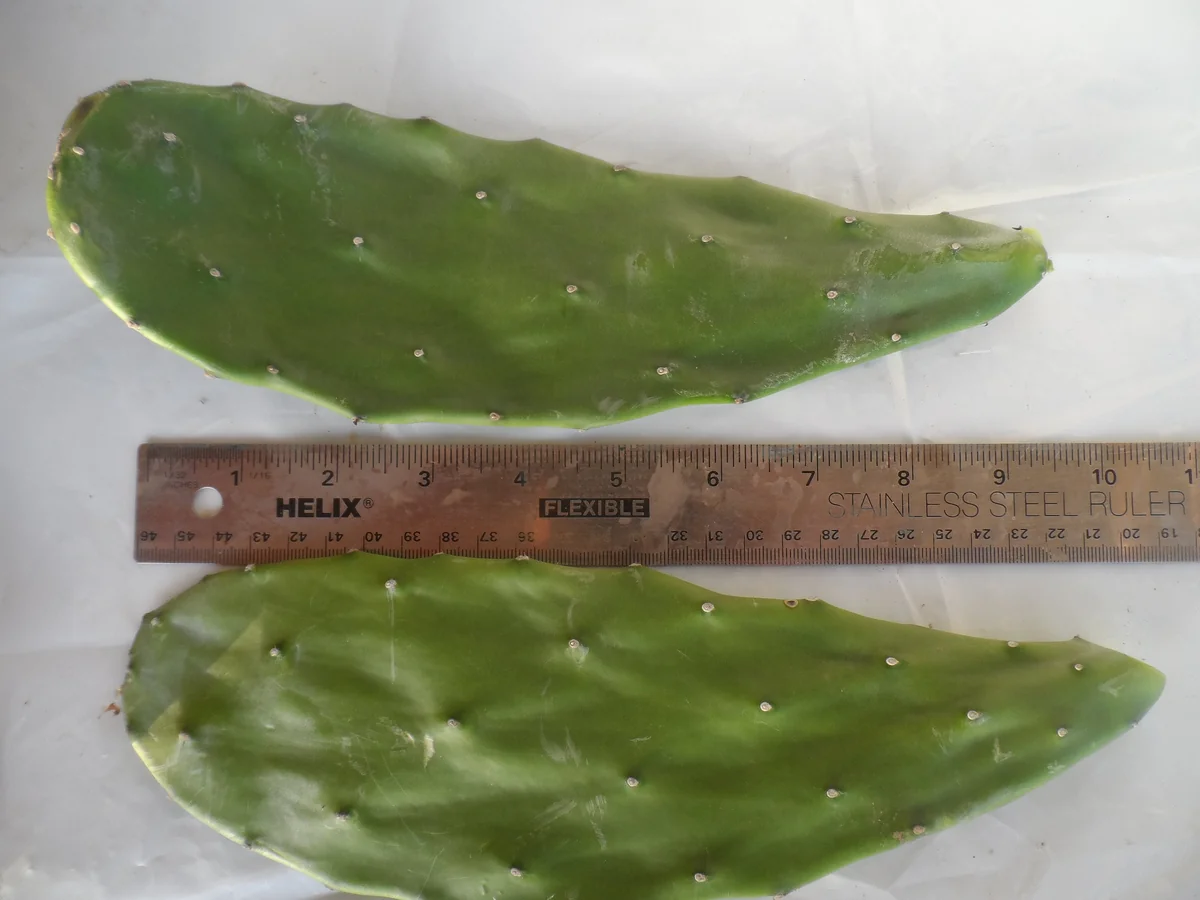
2x Spineless Prickly Pear Cactus Cuttings – Edible, Ready to Plant
Cultivate your own delicious and easy-to-grow spineless prickly pear cactus with this set of 2 large cuttings. Perfect for gardeners seeking an edible, drought-tolerant plant. These prickly pear cuttings are ready to plant upon arrival, offering both ornamental beauty and culinary versatility.
Original price was: $56.00.$28.00Current price is: $28.00.

With our Alive & Thrive Guarantee, we’ve got your back for the first 30 days! If you have any concerns about your plants, just reach out to us. Our team is here to help answer your questions and guide you in selecting the best plants for your garden, climate, and unique preferences. We're excited to help you create the garden of your dreams!
Estimated arrival
Mar 24
Mar 29 - Mar 31
Apr 03 - Apr 07
Product Details
-
USDA Hardiness Zone
USDA zones 9-11 (or indoors) -
Soil type
Well-draining cactus or sandy soil -
Sunlight Exposure
Full sun (6-8+ hours direct light) -
Expected Planting Period
Spring to early summer (year-round indoors)
Overview
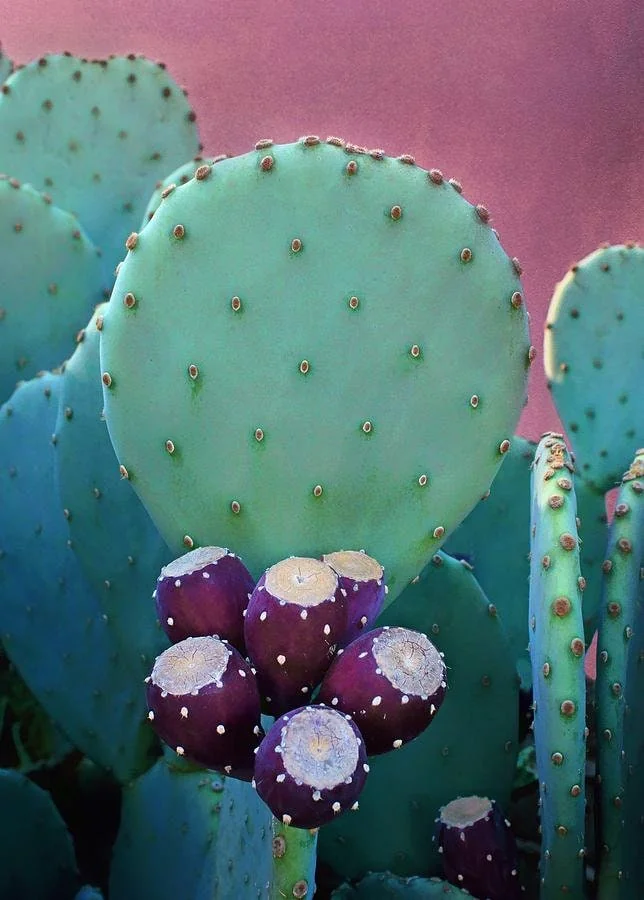
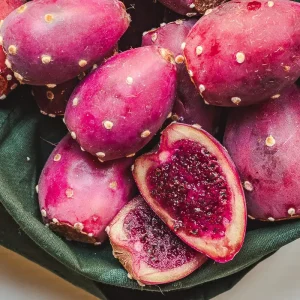
Experience the joy of growing your own spineless prickly pear cactus with these two robust, unrooted cuttings. Known for its ease of cultivation and edible pads (nopales) and fruits (tunas), this unique succulent is a fantastic addition to any garden, especially in arid or semi-arid regions. The Opuntia genus, commonly known as prickly pear, is celebrated for its distinctive flat, paddle-like stems. This specific spineless variety eliminates the hassle of glochids, making it safer and more pleasant to handle for both gardening and culinary preparation. Originating from the Americas, the edible cactus pads have been a staple in Mexican cuisine for centuries, offering a wealth of nutrients and a versatile ingredient for various dishes. These cuttings arrive ready for planting, allowing you to quickly establish a thriving, productive plant that requires minimal ongoing care. Whether you’re an experienced gardener or just starting, this spineless prickly pear cactus offers a rewarding and sustainable gardening project.
These cuttings are perfect for those looking to expand their edible landscape or simply add an intriguing, low-maintenance plant to their collection. The vibrant green pads can develop beautiful purple hues under stress or cooler temperatures, adding an aesthetic appeal to your outdoor space or even as an indoor potted specimen in colder climates. Enjoy the dual benefits of a visually appealing plant and a nutritious food source that is genuinely easy to grow.
Key Benefits
Cultivating your own spineless prickly pear cactus brings a multitude of advantages, from culinary delight to ecological resilience. These cuttings provide a straightforward path to enjoying this versatile plant.
- Easy to Grow: These prickly pear cuttings are incredibly forgiving and thrive with minimal attention, making them ideal for beginner gardeners or those with busy lifestyles. They root readily and adapt to various conditions.
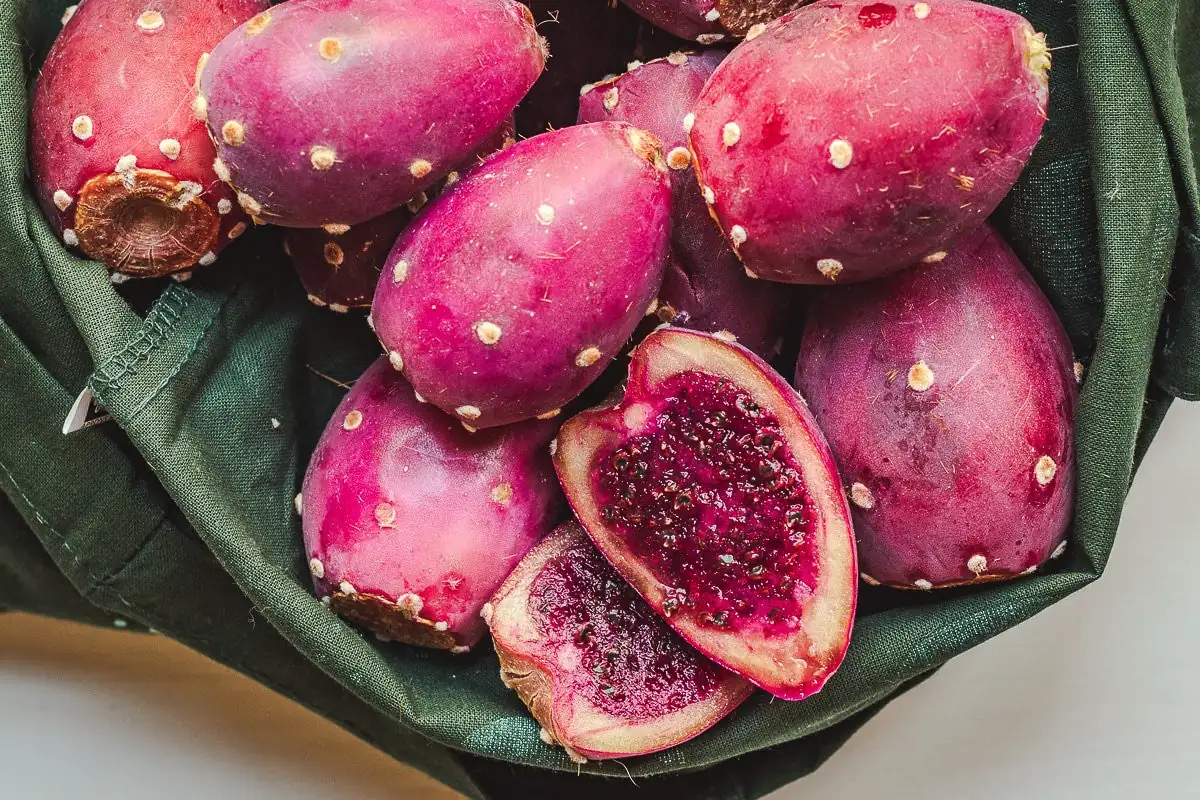
- Edible & Nutritious: All parts of this spineless variety are edible. The young pads (nopales) can be grilled, sautéed, or added to salads, while the fruits (tunas) offer a sweet treat. They are rich in fiber, antioxidants, and vitamins.
- Drought-Tolerant: As a succulent, the spineless prickly pear cactus is exceptionally water-wise. Once established, it requires very little irrigation, making it perfect for xeriscaping or gardens in dry climates.
- Ornamental Value: Beyond its utility, this cactus boasts a unique architectural form and can develop beautiful purple tones, adding a striking visual element to rock gardens, desert landscapes, or container arrangements.
- Versatile Use: Grow it outdoors in warm climates, or keep it in a pot as an indoor specimen in cooler regions. Its adaptability allows for diverse placement and enjoyment.
- Pest and Disease Resistant: Prickly pear cacti are generally robust and resistant to most common garden pests and diseases, ensuring a healthy plant with less intervention required.
- Propagation Potential: Once your plant is established, you can easily take your own cuttings, further expanding your garden or sharing with friends, making growing prickly pear a truly sustainable hobby.
Plant Care & Growing Tips
Caring for your spineless prickly pear cactus is remarkably simple, making it a favorite among gardeners seeking low-maintenance options. Upon arrival, your prickly pear cuttings will be unrooted and ready for planting. Choose a well-draining soil mix, ideally a sandy or cactus-specific blend, to prevent root rot. Plant the cutting about one-third of its length into the soil, ensuring good contact. Allow the cutting to callus for a few days before planting, especially if the cut end is fresh. Once planted, avoid watering for the first 2-4 weeks to encourage root development and prevent rot. After this initial period, water sparingly, allowing the soil to dry out completely between waterings.
This cactus thrives in full sun, requiring at least 6-8 hours of direct sunlight per day to produce strong, healthy pads and abundant fruits. If growing indoors, place it in the brightest south-facing window possible. While tolerant of a wide range of temperatures, it prefers warm, dry conditions. Protect it from frost, as prolonged exposure to freezing temperatures can cause damage. Fertilization is rarely necessary; if desired, a balanced, diluted liquid fertilizer can be applied once in spring during the active growing season. Watch for signs of overwatering, such as mushy or yellowing pads, and adjust your watering schedule accordingly. This resilient plant makes growing prickly pear a rewarding experience for all skill levels.
For best results, ensure excellent drainage. If planting in a container, use a pot with ample drainage holes. If planting in the ground, consider amending heavy clay soils with sand or gravel to improve permeability. While generally pest-free, occasionally inspect for scale insects or mealybugs, which can be treated with insecticidal soap or neem oil. With proper care, your spineless prickly pear cactus will flourish, providing a continuous supply of delicious edible cactus pads.
Size & Details
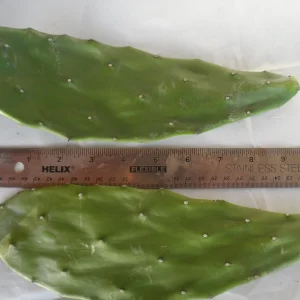
This offering includes 2 large pads of spineless prickly pear cactus, provided as unrooted cuttings. Each pad typically measures between 6-10 inches in length, though natural variations occur. These robust cuttings are selected for their viability and readiness for propagation. Once planted, they exhibit a moderate to fast growth rate, quickly developing roots and producing new pads. Within the first year, you can expect significant growth, and the plant can reach a mature height of 3-6 feet tall and wide, depending on growing conditions and pruning. These cuttings are the ideal starting point for establishing a substantial prickly pear plant that will provide both ornamental beauty and a harvest of nopales cactus pads.
The pads will be shipped without roots, allowing for a fresh start in your chosen planting medium. They are designed to be planted directly into well-draining soil. Expect the first new pads to emerge within a few months of successful rooting, with edible portions becoming available shortly thereafter. The plant’s overall size at maturity makes it suitable for larger garden spaces, or it can be managed through pruning for container cultivation on patios or indoors where space is limited.
Frequently Asked Questions
- Q: How do I plant these 2x spineless prickly pear cactus cuttings? A: Plant each cutting about one-third of its length into well-draining cactus soil. Allow the cut end to callus for a few days before planting. Do not water for the first 2-4 weeks after planting to encourage root development.
- Q: Are these prickly pear cuttings truly spineless? A: Yes, these are from a spineless cultivar of prickly pear cactus, meaning they lack the large, sharp spines typically found on other varieties, making the nopales cactus much easier to handle and prepare.
- Q: How much sunlight does the spineless prickly pear cactus need? A: This cactus thrives in full sun, requiring at least 6-8 hours of direct sunlight per day. If grown indoors, place it in the brightest possible location, such as a south-facing window.
- Q: What condition will the edible cactus pads arrive in? A: Your 2 large pads will arrive as unrooted cuttings, healthy and ready for planting. They are carefully packaged to ensure safe transit.
- Q: Can I grow this spineless prickly pear cactus indoors? A: Yes, you can grow it indoors in a container, provided it receives ample sunlight. Choose a large pot with excellent drainage. You can enjoy growing prickly pear in cooler climates by bringing it inside during winter.
- Q: What is the best soil for growing prickly pear? A: A well-draining soil mix is crucial. Use a specialized cactus and succulent potting mix, or amend regular potting soil with perlite, coarse sand, or pumice to improve drainage.
- Q: When is the best time to plant these prickly pear cuttings? A: The best time to plant is in spring or early summer when temperatures are consistently warm. However, indoor planting can be done any time of year.
- Q: How often should I water my spineless prickly pear cactus? A: Once established, water sparingly. Allow the soil to dry out completely between waterings. Overwatering is the most common cause of problems for this drought-tolerant plant.
- Q: How big will the spineless prickly pear cactus grow? A: When mature, the plant can reach 3-6 feet tall and wide, depending on growing conditions and whether it’s pruned. It can be kept smaller in containers.
- Q: Are the edible cactus pads difficult to prepare for eating? A: Because this is a spineless variety, preparation is much easier. Simply wash and trim the pads, then slice or dice them for use in various culinary dishes.
Related products
-30%
Original price was: $47.98.$33.58Current price is: $33.58.
-30%
Original price was: $85.98.$60.18Current price is: $60.18.
-40%

Original price was: $19.60.$11.76Current price is: $11.76.
-30%
Original price was: $85.98.$60.18Current price is: $60.18.
-30%
Original price was: $79.98.$55.98Current price is: $55.98.
-30%
Original price was: $79.98.$55.98Current price is: $55.98.
PLANTING & CARE

The Comprehensive Guide to Growing Bay Leaf Plants for a Flavorful Garden
Imagine stepping into your garden, greeted by the earthy aroma of fresh bay leaves, their
09
Feb
Feb

How to Make Comfrey Tea: The Ultimate Organic Plant Food
Growing an organic garden can be surprisingly expensive, especially when most store-bought fertilizers come in
02
Feb
Feb

True Comfrey: 7 Essential Tips Before You Plant This Herb
A staple in permaculture practices across the US, True Comfrey easily earns its reputation as
27
Jan
Jan

7 Heart-Shaped Plants for a Lasting Valentine’s Gift
If you’ve ever bought a bouquet of roses for Valentine’s Day, you know they are
26
Jan
Jan

Best Types of Ivy Plant for Houses: How to Choose the Perfect Ones for Your Home
Are you a garden lover looking to introduce some greenery into your home? Maybe you’ve
14
Nov
Nov

When to Harvest Garlic (Especially Fall-Planted Garlic)
TIMING IS EVERYTHING, they say – and for garlic, that truth hits with surprising accuracy.
13
Nov
Nov

11 of the Best Sweet Potato Varieties to Grow for Your Garden
If you’ve ever tried growing sweet potatoes, you know that picking the right variety can
12
Nov
Nov
Pruning Bougainvillea for Winter
Bougainvillea vines are known for their dazzling display of magenta, orange, and fuchsia bracts that
05
Nov
Nov