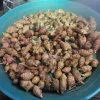
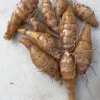
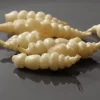
Crosnes Tubers – Chinese Artichoke Edible Plant Rhizomes – Crunchy & Delicious
-50%
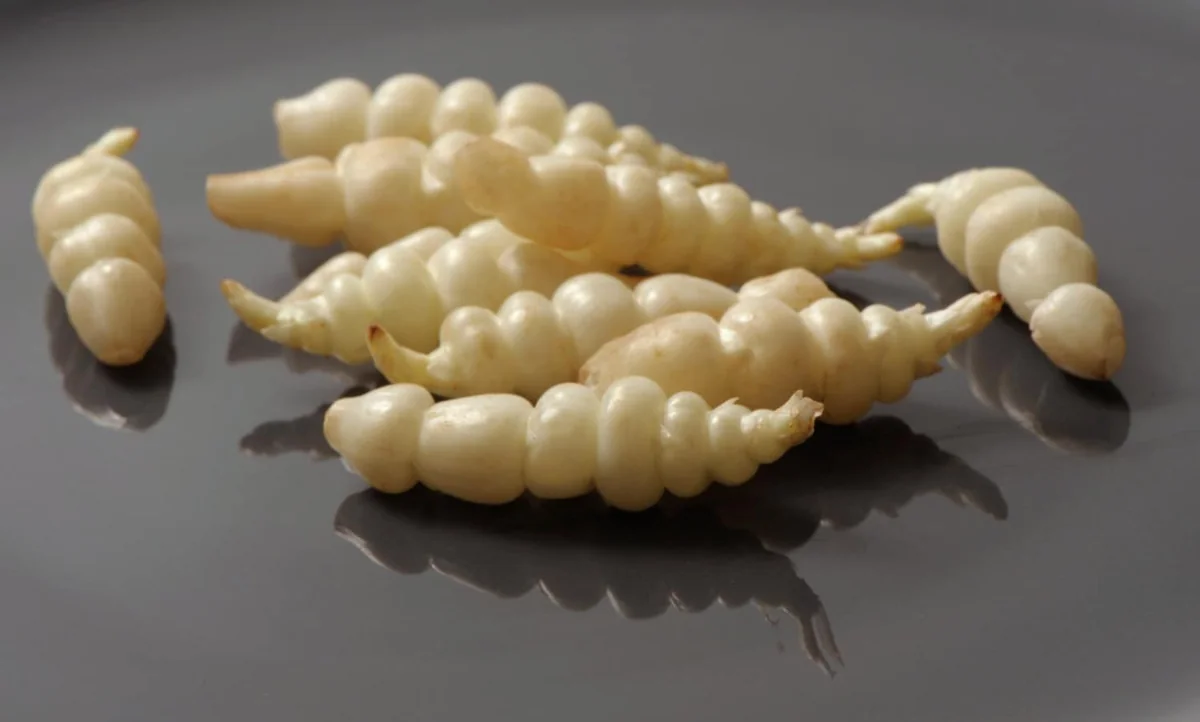
Crosnes Tubers – Chinese Artichoke Edible Plant Rhizomes – Crunchy & Delicious
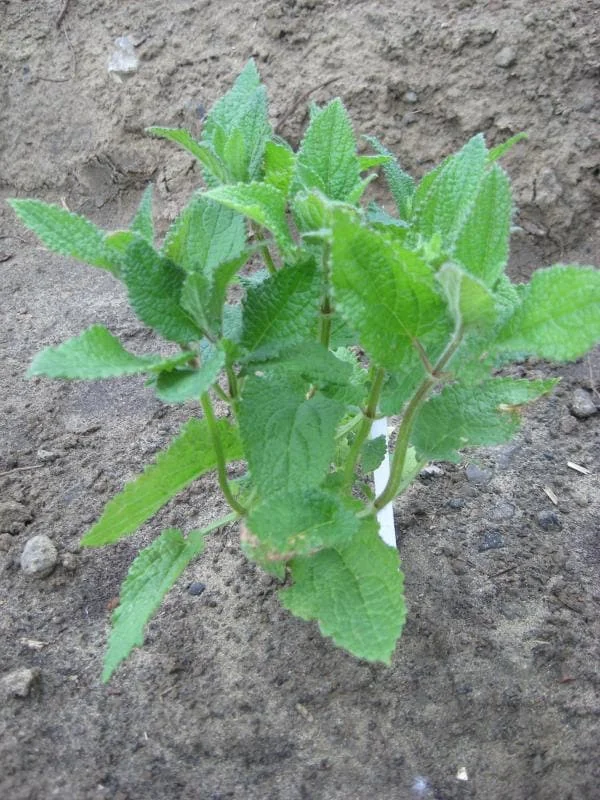
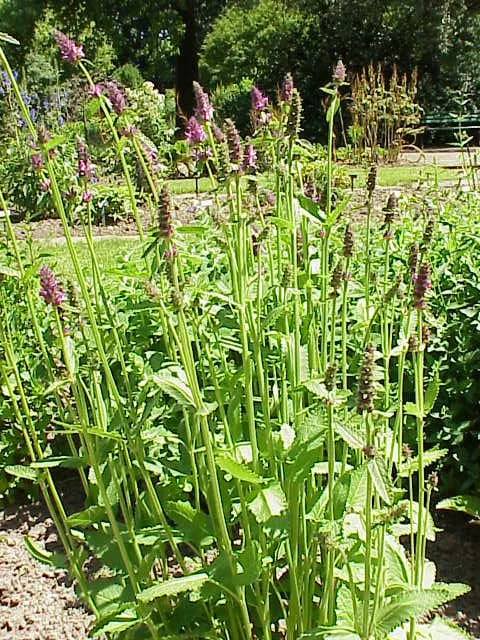
Cultivate your own delicious crosnes tubers, also known as chinese artichoke tubers (Stachys affinis). These unique, segmented rhizomes offer a crisp, nutty flavor perfect for raw eating, cooking, or pickling. An easy-to-grow addition to any edible garden.
From Original price was: $7.92.$3.96Current price is: $3.96.

With our Alive & Thrive Guarantee, we’ve got your back for the first 30 days! If you have any concerns about your plants, just reach out to us. Our team is here to help answer your questions and guide you in selecting the best plants for your garden, climate, and unique preferences. We're excited to help you create the garden of your dreams!
Estimated arrival
Mar 31
Apr 05 - Apr 07
Apr 10 - Apr 14
Product Details
-
USDA Hardiness Zone
USDA Zone 6-9 -
Soil type
Well-draining, moist soil -
Sunlight Exposure
Full sun -
Expected Planting Period
Spring
Overview
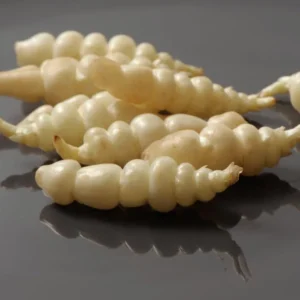
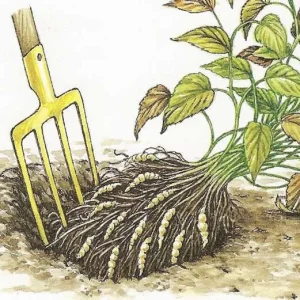
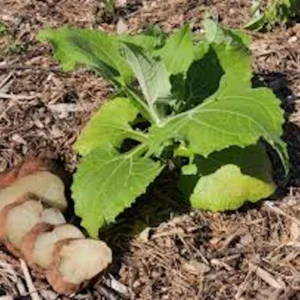
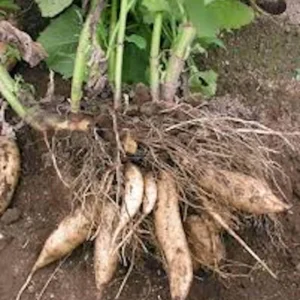
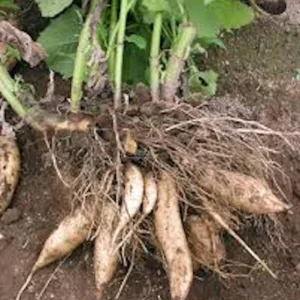
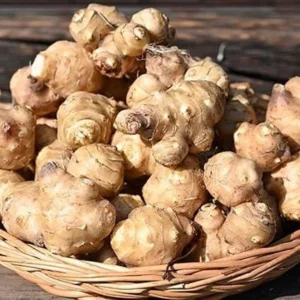
Discover the joy of growing your own crosnes tubers, also known as chinese artichoke tubers or Stachys affinis. These fascinating and delicious edible rhizomes are a gourmet delight that are rarely found in commercial markets, making them a true treasure for the home gardener. With a unique segmented appearance, these small tubers, typically two to three inches (5 to 7.5 cm) in length, boast a crisp texture and a delicate, slightly nutty flavor profile, reminiscent of radish, turnip, and walnut. All parts of the Stachys affinis plant are edible, offering versatility in the kitchen. If you’re looking to expand your culinary garden with something truly special, learning how to grow crosnes is a rewarding endeavor. These tubers are not only delicious but also relatively easy to cultivate, providing a fresh, crunchy addition to your meals throughout the fall and winter seasons.
The chinese artichoke tubers are a fantastic choice for those who appreciate unique vegetables and wish to enjoy them at their freshest. Unlike many root vegetables, crosnes do not store well, emphasizing the advantage of growing them yourself for immediate harvest and consumption. Whether you’re an experienced gardener or just starting out, introducing these delightful tubers to your garden will provide a distinctive and flavorful experience.
Key Benefits
Adding crosnes tubers to your garden offers a range of unique benefits, from their distinct culinary appeal to their ease of cultivation. These tubers are a must-have for any adventurous cook or gardener.
- Exceptional Culinary Versatility: The chinese artichoke tubers can be enjoyed raw, cooked, or pickled. Their crisp texture and mild, nutty flavor make them an excellent addition to salads, stir-fries, or as a unique snack. They are also popular in fermentation, enhancing their flavor and digestibility.
- Rare Gourmet Vegetable: Crosnes are seldom found in grocery stores due to their poor storage qualities, making them a prized ingredient for the home gardener. Growing your own ensures access to this gourmet ingredient fresh from the soil.
- Easy to Grow: Despite their exotic appeal, stachys affinis are surprisingly easy to cultivate. They require consistent moisture and full sun but are otherwise low-maintenance, making them suitable for gardeners of all skill levels.
- Healthy and Nutritious: As a fresh vegetable, crosnes are a healthy addition to any diet. Their unique flavor and texture can encourage more diverse and enjoyable eating habits.
- Adaptable to Various Climates: Hardy down to USDA zone 6, these tubers can survive shallow freezing, allowing for fresh harvest well into colder months in many regions. This extends the season for fresh, homegrown produce.
- Unique Garden Addition: Beyond their edible qualities, the plant offers an interesting growth habit, making it a conversation starter in any garden. Learning to grow crosnes adds a unique element to your horticultural repertoire.
Plant Care & Growing Tips
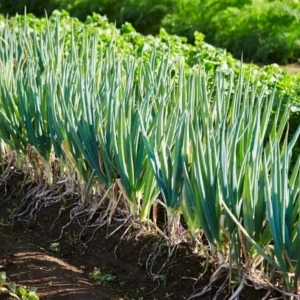
Successfully growing crosnes tubers requires attention to a few key environmental factors, primarily consistent moisture and adequate sunlight. These plants thrive when their specific needs are met, rewarding you with abundant harvests of delicious tubers. For optimal yield and quality, ensure your planting site receives full sun. While tuberous mints can tolerate some shade, they won’t produce as many tubers without ample sunlight, which provides the energy needed for robust growth.
Watering is crucial for stachys affinis. A consistent supply of water is necessary to produce good yields; if the soil is allowed to dry out too frequently, tuber development will suffer. Aim for consistently moist, but not waterlogged, soil. Well-draining soil is essential to prevent rot, especially in areas with heavy rainfall. These tubers are hardy down to USDA zone 6, meaning they can withstand temperatures into the lower 20s F (less than -4 C) as long as they are planted deep enough to be protected from shallow freezing. The foliage will die back with colder temperatures, but the tubers remain viable underground.
When planting your chinese artichoke tubers, consider row spacing of nine to fifteen inches (22.5 to 37.5 cm) apart. Tighter spacing can be used if water is abundant, but a wider spacing, such as fifteen inches, often encourages the development of larger tubers. A thirty-inch (75 cm) row spacing will also provide a comfortable walkway between rows, facilitating easier harvesting and maintenance. Fertilization can be done with a balanced organic fertilizer at planting and again mid-season to support vigorous growth and tuber formation.
Size & Details
The crosnes tubers provided are ideal for planting and establishing your own patch of this unique vegetable. Each tuber is generally small, ranging from two to three inches (5 to 7.5 cm) in length and approximately half an inch (1.2 cm) wide, characteristic of healthy Stachys affinis. These tubers are shipped dormant, ready to be planted upon arrival to ensure the best start for your future harvest. When mature, the plants will typically reach a modest height, with the primary focus being on the underground tuber production.
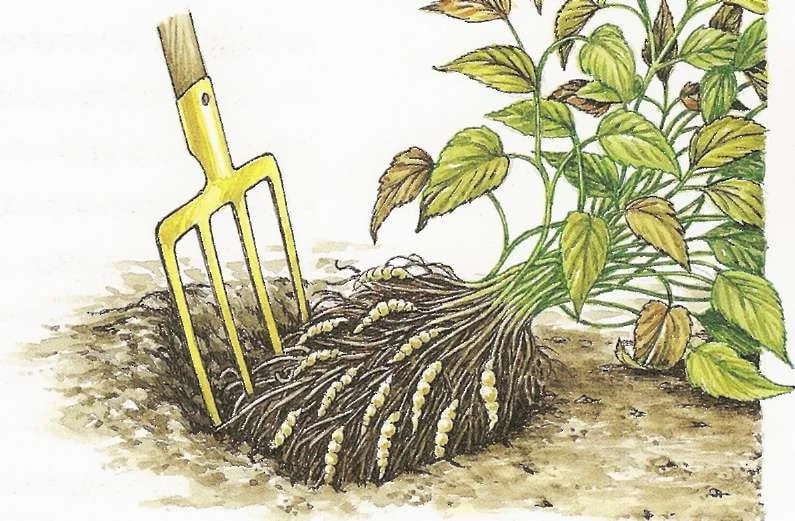
Expect your chinese artichoke tubers to begin producing edible rhizomes in the fall and winter following spring planting. The plant’s foliage will die back as temperatures drop, indicating the tubers are ready for harvest. With proper care and ideal conditions, you can anticipate a generous yield of these crisp, nutty delights, perfect for fresh consumption or various culinary preparations. These are living plant material, so prompt planting is recommended to ensure successful establishment and growth of your edible tubers.
Frequently Asked Questions
- Q: How big do these crosnes tubers get? A: The individual crosnes tubers are typically small, measuring about two to three inches (5 to 7.5 cm) in length and no more than half an inch (1.2 cm) wide. The plant itself is low-growing, with the focus on underground tuber development.
- Q: Is this an indoor or outdoor plant? A: Stachys affinis is primarily an outdoor plant, grown for its edible tubers. It thrives in garden beds and requires full sun exposure to produce a good yield. It is not typically grown as an indoor houseplant.
- Q: How much sunlight does it need? A: Crosnes require full sun for optimal tuber production. While they can tolerate some shade, ample sunlight provides the energy necessary for the plant to form lots of tubers, so aim for at least 6-8 hours of direct sun daily.
- Q: Is this plant easy to care for? A: Yes, crosnes tubers are considered relatively easy to grow. Their main requirements are consistent moisture and full sun. They are quite hardy and generally low-maintenance once established, making them suitable for beginner gardeners.
- Q: What condition will the tubers arrive in? A: The chinese artichoke tubers will arrive dormant, ready for planting. They are carefully packaged to ensure they reach you in good condition, prepared to sprout and establish in your garden.
- Q: Can I eat the tubers raw? A: Absolutely! The edible tubers are famously crisp and delicious when eaten raw. They make an excellent addition to salads, offering a unique texture and a mild, nutty flavor. They can also be cooked or pickled.
- Q: Will it survive winter in my zone? A: Yes, these tubers are hardy down to USDA zone 6. The foliage will die back in colder temperatures, but the tubers are set fairly deep and can survive shallow freezing, allowing for winter harvesting in suitable climates.
- Q: When is the best time to plant crosnes? A: The best time to plant crosnes tubers is in the spring, after the last danger of frost has passed. This allows them to establish and grow throughout the warmer months, with tubers ready for harvest from fall through winter.
- Q: What kind of soil do crosnes prefer? A: Crosnes prefer well-draining soil that retains moisture. A rich, loamy soil amended with organic matter is ideal to support healthy tuber development and consistent moisture levels.
- Q: Why should I grow crosnes myself? A: Grow crosnes yourself because they are rarely available in markets and do not store well. Growing them ensures you have access to fresh, crisp tubers for culinary use exactly when you want them, providing a truly unique gourmet experience.
| How many tubers? | 1 Tuber, 10 Tubers, 20 Tubers, 3 Tubers, 5 Tubers |
|---|
Related products
-20%
Original price was: $36.00.$28.80Current price is: $28.80.
-20%
Original price was: $28.00.$22.40Current price is: $22.40.
-22%
Original price was: $160.99.$125.99Current price is: $125.99.
-50%
Original price was: $37.99.$18.99Current price is: $18.99.
-20%
Original price was: $70.00.$56.00Current price is: $56.00.
-54%
From Original price was: $20.99.$10.49Current price is: $10.49.
-20%
Original price was: $100.00.$80.00Current price is: $80.00.
-78%
Original price was: $39.99.$8.99Current price is: $8.99.
PLANTING & CARE

The Comprehensive Guide to Growing Bay Leaf Plants for a Flavorful Garden
Imagine stepping into your garden, greeted by the earthy aroma of fresh bay leaves, their
09
Feb
Feb

How to Make Comfrey Tea: The Ultimate Organic Plant Food
Growing an organic garden can be surprisingly expensive, especially when most store-bought fertilizers come in
02
Feb
Feb

True Comfrey: 7 Essential Tips Before You Plant This Herb
A staple in permaculture practices across the US, True Comfrey easily earns its reputation as
27
Jan
Jan

7 Heart-Shaped Plants for a Lasting Valentine’s Gift
If you’ve ever bought a bouquet of roses for Valentine’s Day, you know they are
26
Jan
Jan

Best Types of Ivy Plant for Houses: How to Choose the Perfect Ones for Your Home
Are you a garden lover looking to introduce some greenery into your home? Maybe you’ve
14
Nov
Nov

When to Harvest Garlic (Especially Fall-Planted Garlic)
TIMING IS EVERYTHING, they say – and for garlic, that truth hits with surprising accuracy.
13
Nov
Nov

11 of the Best Sweet Potato Varieties to Grow for Your Garden
If you’ve ever tried growing sweet potatoes, you know that picking the right variety can
12
Nov
Nov
Pruning Bougainvillea for Winter
Bougainvillea vines are known for their dazzling display of magenta, orange, and fuchsia bracts that
05
Nov
Nov