15 Jicama Seeds – Mexican Yam Bean Root Vegetable Seeds for Planting Outdoor Garden
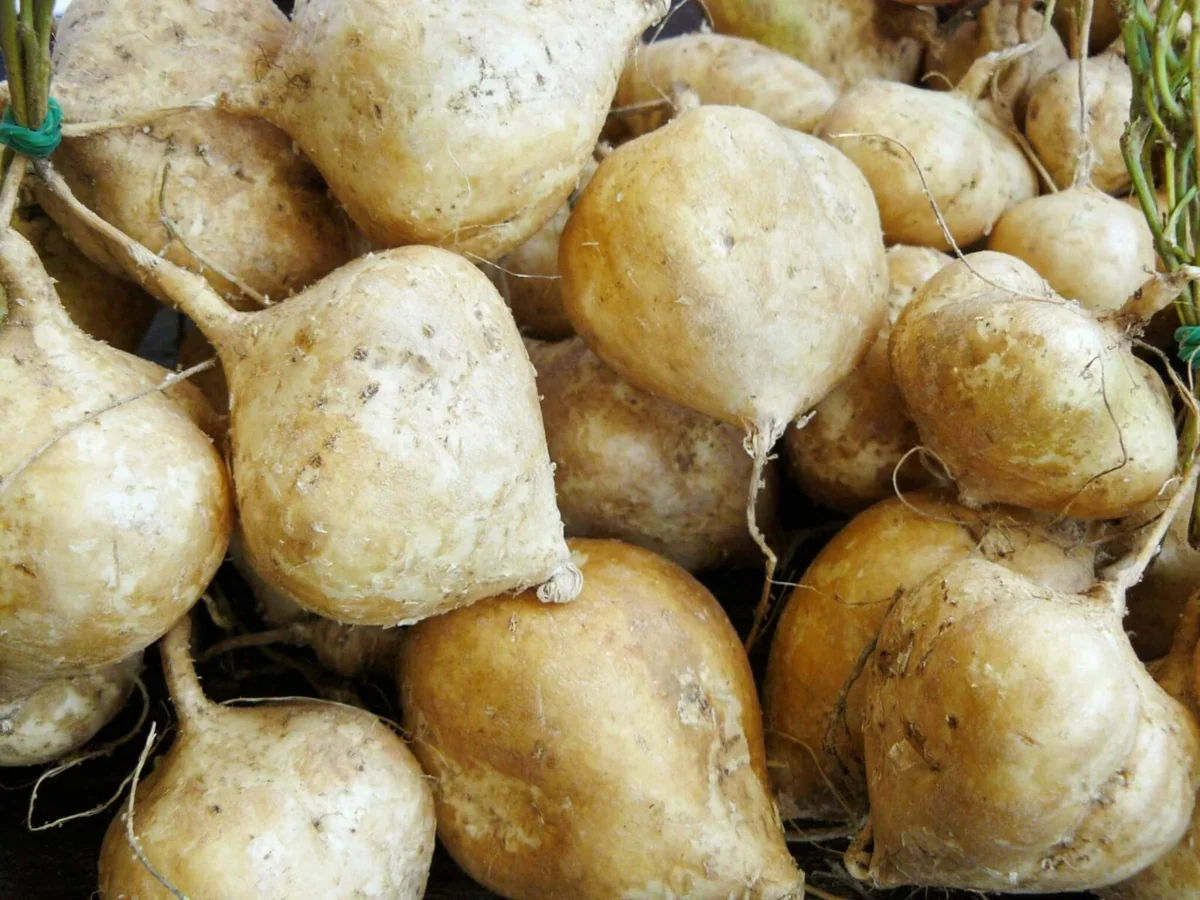
15 Jicama Seeds – Mexican Yam Bean Root Vegetable Seeds for Planting Outdoor Garden
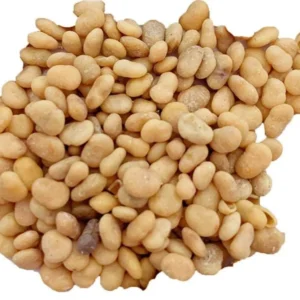
Cultivate your own delicious and crisp jicama seeds with ease. This packet contains 15 fresh, organic, non-GMO seeds, perfect for growing the unique mexican yam bean root in your outdoor garden. Enjoy the sweet, nutty flavor of home-grown jicama, a versatile vegetable for various culinary uses.
$5.98

With our Alive & Thrive Guarantee, we’ve got your back for the first 30 days! If you have any concerns about your plants, just reach out to us. Our team is here to help answer your questions and guide you in selecting the best plants for your garden, climate, and unique preferences. We're excited to help you create the garden of your dreams!
Estimated arrival
Mar 31
Apr 05 - Apr 07
Apr 10 - Apr 14


Product Details
-
USDA Hardiness Zone
Tropical Wet, Tropical Wet & Dry (USDA zones 9-11 for outdoor growth) -
Soil type
Well-draining, loose, fertile soil -
Sunlight Exposure
Full Sun -
Expected Planting Period
Spring to early summer
Overview
Embark on a rewarding gardening journey with our premium jicama seeds. This packet contains 15 high-quality, fresh, organic, and non-GMO seeds, ready to bring the unique flavor and texture of jicama to your home garden. Also known as Mexican Yam Bean or Mexican Turnip, jicama (Pachyrhizus erosus) is a fascinating root vegetable renowned for its crisp, juicy, and slightly sweet flesh. Originating from Mexico and Central America, this versatile vegetable is gaining popularity worldwide for its refreshing taste and nutritional benefits. Growing jicama vegetable seeds allows you to experience the satisfaction of harvesting your own healthy produce, free from synthetic pesticides and chemicals. These seeds promise a bountiful harvest, transforming your garden into a source of delicious and exotic ingredients.
Jicama is a tropical vine plant, typically grown for its large, edible tuberous root. The plant itself is quite vigorous, producing beautiful purple or white flowers before developing the underground tubers. Our organic jicama seeds are carefully selected to ensure high germination rates, giving you the best possible start for a successful crop. Whether you’re an experienced gardener or just starting, these seeds offer an exciting opportunity to cultivate a unique and healthy addition to your culinary repertoire. Discover the joy of growing this incredible root vegetable from seed to harvest.
Key Benefits
Growing jicama seeds offers a multitude of benefits, from enhancing your garden’s diversity to enriching your diet with a healthy and delicious vegetable. Here are some of the key advantages:
- Nutrient-Rich Harvest: Jicama is a powerhouse of nutrition, packed with fiber, Vitamin C, and antioxidants. Growing your own ensures a fresh supply of this healthy root vegetable, perfect for vibrant salads, stir-fries, or as a crunchy snack.
- Unique Culinary Experience: The crisp, juicy texture and subtly sweet, nutty flavor of jicama make it a versatile ingredient. It can be enjoyed raw, cooked, or pickled, adding an exotic touch to various dishes. Learn how to grow jicama and unlock new flavor profiles in your kitchen.
- Rewarding Gardening Project: Cultivating jicama from seed is a fulfilling experience. Watching the vigorous vines grow and then unearthing the large, edible tubers provides immense satisfaction for any gardener.
- Organic and Non-GMO Assurance: Our mexican yam bean seeds are certified organic and non-GMO, guaranteeing that you are growing pure, natural produce without harmful chemicals or genetically modified organisms. This commitment to quality supports both your health and sustainable gardening practices.
- Adaptable Growth: While preferring warmer climates, jicama can be grown in various regions with proper care and timing. It’s an excellent choice for gardeners looking to expand their range of homegrown vegetables.
- Long Storage Life: Once harvested, jicama roots can be stored for several weeks in a cool, dry place, allowing you to enjoy your harvest over an extended period.
- Garden Aesthetics: Beyond its edible root, the jicama plant itself is an attractive vine with lush foliage, adding a touch of tropical beauty to your garden space.
Plant Care & Growing Tips
Successful cultivation of jicama seeds requires attention to specific environmental conditions and care practices. Jicama thrives in warm climates, needing a long growing season to produce sizable tubers. The ideal time for planting is in the spring, once all danger of frost has passed and soil temperatures have warmed consistently. For best results, sow seeds directly into your garden bed, approximately 1 inch deep and 6-8 inches apart. Once seedlings emerge and are strong enough, thin them to about 10-12 inches apart to allow ample space for root development. Providing a trellis or support structure for the vigorous vines is highly recommended, as this helps to keep the plants tidy and healthier by improving air circulation.
Sunlight requirements for jicama are quite specific; it performs best in full sun, meaning at least 6-8 hours of direct sunlight per day. Adequate sunlight is crucial for the plant’s energy production and the development of large, flavorful roots. When it comes to watering, jicama prefers consistent moisture, especially during its active growth phase and tuber development. The soil should be kept evenly moist but never waterlogged. Overwatering can lead to root rot, while underwatering can stunt growth. A good rule of thumb is to water deeply when the top inch of soil feels dry to the touch. The ideal soil type for jicama is well-draining, loose, and fertile, with a slightly acidic to neutral pH (6.0-7.0). Amending heavy clay soils with organic matter like compost can significantly improve drainage and fertility, creating a favorable environment for the tubers to expand. Jicama is primarily an outdoor plant and is not typically grown indoors for its root. For optimal growth, consider the jicama vegetable seeds as a warm-season crop, best suited for tropical and subtropical climates, generally USDA Zones 9-11. In cooler regions with shorter growing seasons, starting seeds indoors 4-6 weeks before the last frost can give them a head start. Fertilize your jicama plants every 3-4 weeks with a balanced organic fertilizer to support healthy vine and root growth. Pruning the flowers as they appear can redirect the plant’s energy towards tuber formation, leading to larger harvests. Be aware that all parts of the jicama plant above ground, including leaves, stems, and seeds, are toxic and should not be consumed.
Size & Details
This offering includes 15 jicama seeds, providing a generous quantity for your gardening endeavors. Each seed is carefully selected to ensure viability and germination. Jicama plants are vigorous growers, with vines that can reach lengths of 10-20 feet if left unsupported. The edible roots, which are the primary harvest, typically mature to a size of 4-6 inches in diameter, though some can grow significantly larger under ideal conditions, weighing several pounds. The roots are round to oblong with thin, yellowish-brown skin and crisp, white flesh. Days to germination are typically 10-15 days, and the plants require a long growing season, with days to harvest averaging around 150 days from planting. This means you can expect your harvest in late summer to early fall if planted in spring. The seeds are suitable for outdoor planting and are best started in the spring for a new season’s crop. We provide fresh organic jicama seeds, ensuring you receive quality material for a successful harvest. The germination rate is approximately 85% when proper conditions are met, allowing for a high probability of success in your garden. The variety offered is true jicama, promising authentic flavor and growth characteristics.
Frequently Asked Questions
- Q: How big does a jicama root typically get? A: Jicama roots generally mature to about 4-6 inches in diameter, but with excellent growing conditions and a long season, they can grow much larger, sometimes weighing several pounds. The size can vary based on care, climate, and length of the growing season.
- Q: Is jicama an indoor or outdoor plant? A: Jicama is primarily an outdoor plant. It’s a tropical vine that requires a long, warm growing season to produce its edible roots. While you can start mexican yam bean seeds indoors in cooler climates to extend the growing season, the plant needs to be transplanted outdoors to fully develop.
- Q: How much sunlight does jicama need? A: Jicama thrives in full sun, requiring at least 6 to 8 hours of direct sunlight per day for optimal growth and tuber development. Adequate sunlight is crucial for a successful harvest of these jicama vegetable seeds.
- Q: Is this plant easy to care for? A: Jicama is relatively easy to care for once established, provided it has the right conditions. Its main requirements are warmth, consistent moisture, full sun, and well-draining soil. Providing a trellis for the vines simplifies management.
- Q: What condition will the seeds arrive in? A: Your jicama seeds will arrive fresh, organic, and non-GMO, carefully packaged to ensure their viability. We strive to provide high-quality seeds for your gardening success.
- Q: How long until I can harvest jicama? A: Jicama roots typically take about 150 days from planting to reach maturity and be ready for harvest. This long growing period means they are generally harvested in the late summer or early fall.
- Q: What’s the best climate for growing jicama? A: Jicama prefers tropical and subtropical climates, ideally in USDA Zones 9-11, where it can enjoy a long, warm, frost-free growing season. It thrives in conditions with consistent warmth and humidity.
- Q: Can I eat other parts of the jicama plant? A: No, only the tuberous root of the jicama plant is edible. All other parts of the plant, including the leaves, stems, pods, and seeds, contain rotenone, a toxic compound, and should not be consumed.
- Q: What kind of soil is best for jicama? A: Jicama prefers loose, fertile, well-draining soil with a slightly acidic to neutral pH (6.0-7.0). Amending the soil with organic compost can greatly improve its structure and nutrient content, which is beneficial for root crops.
- Q: When is the best time to plant jicama seeds? A: The best time to plant jicama seeds is in the spring, after all danger of frost has passed and the soil has warmed up. In regions with shorter growing seasons, starting seeds indoors 4-6 weeks before the last frost can give them a head start.
Related products
-50%

Original price was: $39.96.$19.98Current price is: $19.98.
-50%
Original price was: $51.96.$25.98Current price is: $25.98.
-48%
Original price was: $28.99.$14.99Current price is: $14.99.
-50%
Original price was: $15.00.$7.50Current price is: $7.50.
-50%
Original price was: $181.98.$90.99Current price is: $90.99.
-50%
Original price was: $19.00.$9.50Current price is: $9.50.
-50%

Original price was: $11.00.$5.50Current price is: $5.50.
PLANTING & CARE

Growing Glencoe Raspberry: A Complete Guide for Gardeners
If you’re looking to add something unique to your garden, look no further than the
31
Mar
Mar

The Comprehensive Guide to Growing Bay Leaf Plants for a Flavorful Garden
Imagine stepping into your garden, greeted by the earthy aroma of fresh bay leaves, their
09
Feb
Feb

How to Make Comfrey Tea: The Ultimate Organic Plant Food
Growing an organic garden can be surprisingly expensive, especially when most store-bought fertilizers come in
02
Feb
Feb

True Comfrey: 7 Essential Tips Before You Plant This Herb
A staple in permaculture practices across the US, True Comfrey easily earns its reputation as
27
Jan
Jan

7 Heart-Shaped Plants for a Lasting Valentine’s Gift
If you’ve ever bought a bouquet of roses for Valentine’s Day, you know they are
26
Jan
Jan

Best Types of Ivy Plant for Houses: How to Choose the Perfect Ones for Your Home
Are you a garden lover looking to introduce some greenery into your home? Maybe you’ve
14
Nov
Nov

When to Harvest Garlic (Especially Fall-Planted Garlic)
TIMING IS EVERYTHING, they say – and for garlic, that truth hits with surprising accuracy.
13
Nov
Nov

11 of the Best Sweet Potato Varieties to Grow for Your Garden
If you’ve ever tried growing sweet potatoes, you know that picking the right variety can
12
Nov
Nov