4 Bac Ha Doc Mung Edible Vietnamese Taro Elephant Ear Live Plants – Indoor/Outdoor
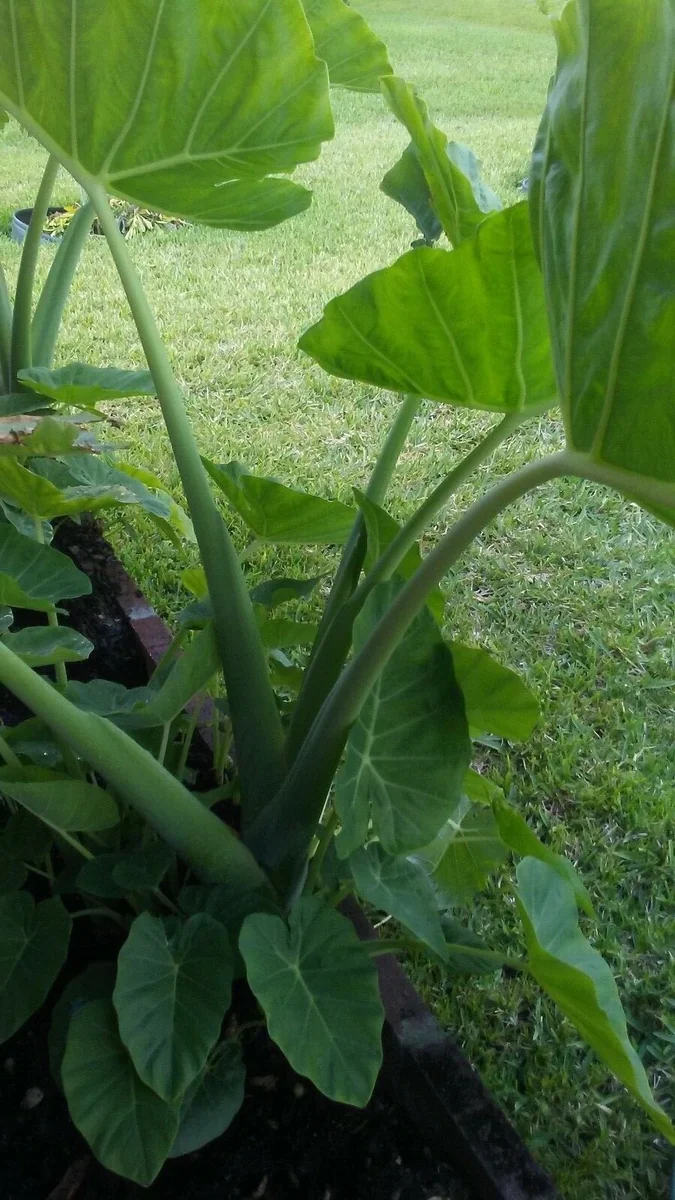
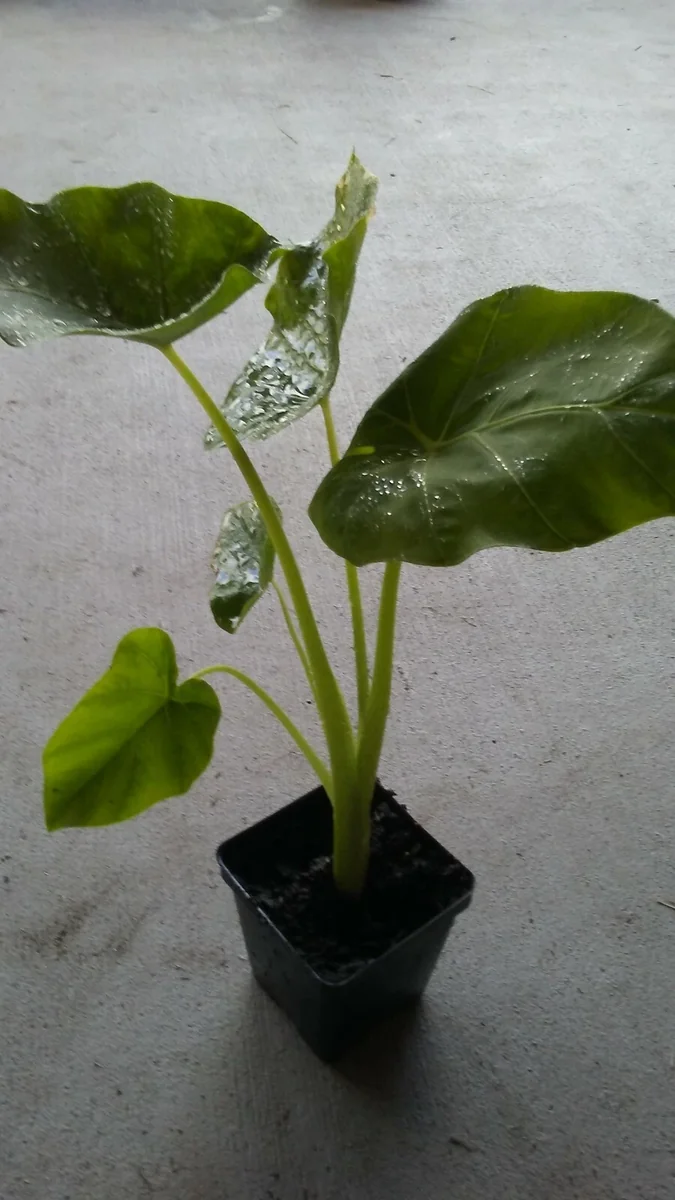
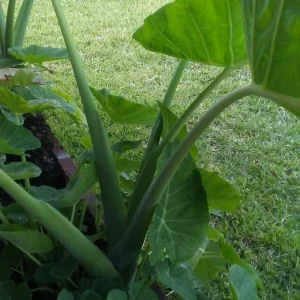
4 Bac Ha Doc Mung Edible Vietnamese Taro Elephant Ear Live Plants – Indoor/Outdoor
Cultivate your own supply of Bac Ha Doc Mung live plants. This offering includes 4 vibrant edible taro plant specimens, known for their large, striking leaves and culinary versatility. Ideal for both indoor and outdoor settings, these plants bring a touch of tropical flair and fresh produce to your home or garden.
$39.98

With our Alive & Thrive Guarantee, we’ve got your back for the first 30 days! If you have any concerns about your plants, just reach out to us. Our team is here to help answer your questions and guide you in selecting the best plants for your garden, climate, and unique preferences. We're excited to help you create the garden of your dreams!
Estimated arrival
Mar 31
Apr 05 - Apr 07
Apr 10 - Apr 14
Product Details
-
USDA Hardiness Zone
10 (30 to 40 °F) -
Soil type
Well-draining soil rich in organic matter -
Sunlight Exposure
Partial Shade, Medium Sun -
Expected Planting Period
Spring to Summer (year-round indoors)
Overview
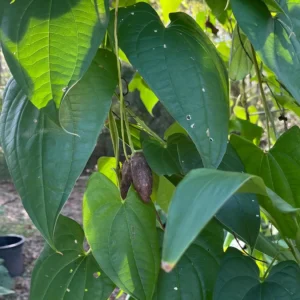
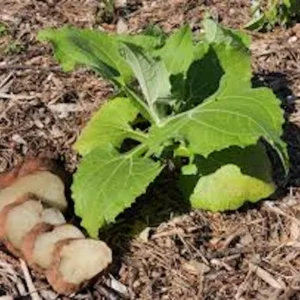
Discover the joy of growing your own Bac Ha Doc Mung live plants, also known as Vietnamese Taro or Elephant Ear. This exquisite plant, botanically identified as Colocasia gigantea, is not only a stunning ornamental with its large, lush green leaves but also a highly prized edible vegetable in Southeast Asian cuisine. Our offering provides 4 healthy, live plants, ready to thrive in your garden or a spacious container indoors. The edible taro plant is renowned for its tender stalks and leaves, which are a staple in many traditional dishes, offering a unique texture and mild flavor. These vibrant plants are an excellent addition for both culinary enthusiasts and those seeking a tropical aesthetic.
The Vietnamese elephant ear is a fast-growing, evergreen perennial that can reach impressive sizes, making a dramatic statement in any landscape. Its robust nature and adaptability allow it to flourish in various environments, provided its basic needs for warmth and moisture are met. Whether you’re aiming to harvest fresh ingredients for your kitchen or simply enhance your outdoor living space with exotic foliage, these Colocasia Gigantea plant specimens are an ideal choice.
Key Benefits
These Bac Ha Doc Mung live plants offer a multitude of benefits, from their striking visual appeal to their practical culinary uses. They are a versatile addition to any plant collection, providing both beauty and bounty.
- Culinary Delight: The stalks and young leaves of this edible taro plant are widely used in Vietnamese and Thai cooking, particularly in soups and stir-fries, adding a distinct flavor and texture.
- Tropical Aesthetics: With their large, heart-shaped leaves, these Vietnamese elephant ear plants create an instant tropical ambiance, perfect for enhancing patios, garden beds, or bright indoor spaces.
- Fast Growing: These plants exhibit a vigorous growth habit, quickly establishing themselves and producing abundant foliage, providing a satisfying gardening experience.
- Versatile Planting: Suitable for both indoor and outdoor cultivation, allowing you to enjoy fresh produce or ornamental beauty year-round, depending on your climate and growing conditions.
- Evergreen Foliage: In warmer climates or indoors, the Colocasia Gigantea plant maintains its lush green leaves throughout the year, offering continuous visual interest.
- Easy to Grow: Known for their resilience, these plants are relatively low-maintenance once established, making them suitable for gardeners of various skill levels.
- Air Purifying: Like many large-leaved plants, the elephant ear care plant contributes to improving air quality by absorbing pollutants and releasing oxygen.
Plant Care & Growing Tips
Caring for your Bac Ha Doc Mung live plants is straightforward, ensuring a healthy and productive specimen. These plants thrive in conditions that mimic their tropical origins, requiring consistent moisture and warmth. For optimal growth, they prefer a location with partial shade to medium sun. While they can tolerate some direct morning sun, intense afternoon sun can scorch their large leaves, especially in hotter climates. If growing indoors, place them near a window with bright, indirect light.
Watering is crucial for this edible taro plant; they are thirsty plants and prefer consistently moist soil, but not waterlogged. Ensure the soil remains damp, especially during warm growing seasons. During cooler months or when grown indoors, reduce watering slightly but never let the soil dry out completely. A well-draining soil mix rich in organic matter is ideal. You can amend your garden soil with compost or use a high-quality potting mix for container growing. The plant thrives in USDA Hardiness Zone 10 and above, preferring humid subtropical to tropical climates. If you live in a cooler zone, these plants can be grown as annuals or brought indoors during winter. Fertilize every 2-4 weeks during the growing season with a balanced liquid fertilizer to support vigorous growth and healthy foliage. Watch for common pests like spider mites or aphids, and treat with organic insecticidal soap if necessary to maintain healthy Vietnamese elephant ear plants.
Size & Details
This offering includes 4 individual Bac Ha Doc Mung live plants, each ready to be transplanted into your garden or a larger pot. These plants are shipped as live specimens, ensuring a strong start for your cultivation efforts. While exact sizes may vary slightly upon arrival due to natural growth and shipping, they are typically robust starter plants. When mature, the Colocasia Gigantea plant can reach impressive heights of 3 to 6 feet, with individual leaves spanning 2 to 3 feet across, creating a truly magnificent display. The growth rate is generally fast, and with proper elephant ear care, you can expect significant development within a single growing season. These plants are perfect for adding vertical interest and a lush, green canopy to your landscape or indoor jungle.
Frequently Asked Questions
- Q: How big do these Bac Ha Doc Mung live plants get? A: When mature, these plants can reach impressive heights of 3 to 6 feet with leaves up to 2 to 3 feet wide, creating a dramatic tropical presence.
- Q: Is this an indoor or outdoor plant? A: The edible taro plant is versatile and can be grown both indoors in bright, indirect light or outdoors in partial shade to medium sun, especially in warmer climates.
- Q: How much sunlight does the Vietnamese elephant ear need? A: It thrives in partial shade to medium sun. While it can tolerate some direct morning sun, it’s best to protect it from intense afternoon sun to prevent leaf scorching.
- Q: Is this plant easy to care for? A: Yes, the Colocasia Gigantea plant is relatively low-maintenance once established, requiring consistent moisture and warmth. It’s a great choice for gardeners looking for an impactful yet manageable plant.
- Q: What condition will the plants arrive in? A: Your 4 Bac Ha Doc Mung live plants will arrive as healthy, live starter specimens, carefully packaged to ensure their safe journey to your home.
- Q: Can I use this plant in cooking? A: Absolutely! The stalks and young leaves of this edible elephant ear are popular ingredients in Vietnamese and Thai cuisine, known for their unique texture and ability to absorb flavors.
- Q: What is the ideal watering schedule for these plants? A: These plants prefer consistently moist soil. Water regularly, ensuring the soil doesn’t dry out completely, especially during warmer growing periods.
- Q: What USDA Hardiness Zone is suitable for outdoor growth? A: This plant thrives outdoors in USDA Hardiness Zone 10 and above. In cooler zones, it can be grown as an annual or overwintered indoors.
- Q: What kind of soil does the elephant ear prefer? A: A rich, well-draining soil mix that retains moisture is ideal. Amending with compost or using a high-quality potting mix will ensure healthy growth.
- Q: How often should I fertilize my Bac Ha Doc Mung live plants? A: During the active growing season (spring through fall), fertilize every 2-4 weeks with a balanced liquid fertilizer to support lush foliage and robust growth.
Related products
-20%
Original price was: $36.00.$28.80Current price is: $28.80.
-30%
Original price was: $59.98.$41.98Current price is: $41.98.
-78%
Original price was: $39.99.$8.99Current price is: $8.99.
-50%
Original price was: $37.99.$18.99Current price is: $18.99.
-25%
Original price was: $39.99.$29.90Current price is: $29.90.
-20%
Original price was: $28.00.$22.40Current price is: $22.40.
-20%
Original price was: $84.00.$67.20Current price is: $67.20.
PLANTING & CARE

The Comprehensive Guide to Growing Bay Leaf Plants for a Flavorful Garden
Imagine stepping into your garden, greeted by the earthy aroma of fresh bay leaves, their
09
Feb
Feb

How to Make Comfrey Tea: The Ultimate Organic Plant Food
Growing an organic garden can be surprisingly expensive, especially when most store-bought fertilizers come in
02
Feb
Feb

True Comfrey: 7 Essential Tips Before You Plant This Herb
A staple in permaculture practices across the US, True Comfrey easily earns its reputation as
27
Jan
Jan

7 Heart-Shaped Plants for a Lasting Valentine’s Gift
If you’ve ever bought a bouquet of roses for Valentine’s Day, you know they are
26
Jan
Jan

Best Types of Ivy Plant for Houses: How to Choose the Perfect Ones for Your Home
Are you a garden lover looking to introduce some greenery into your home? Maybe you’ve
14
Nov
Nov

When to Harvest Garlic (Especially Fall-Planted Garlic)
TIMING IS EVERYTHING, they say – and for garlic, that truth hits with surprising accuracy.
13
Nov
Nov

11 of the Best Sweet Potato Varieties to Grow for Your Garden
If you’ve ever tried growing sweet potatoes, you know that picking the right variety can
12
Nov
Nov
Pruning Bougainvillea for Winter
Bougainvillea vines are known for their dazzling display of magenta, orange, and fuchsia bracts that
05
Nov
Nov