Winged Bean Seeds – Asparagus Pea, Four Angled Bean, Dau Rong – 20 to 100 Seeds for Outdoor Gardening

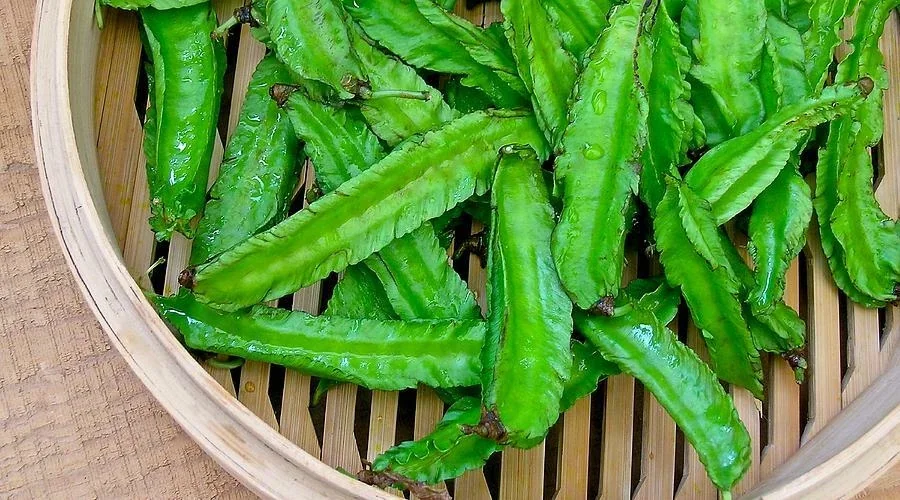
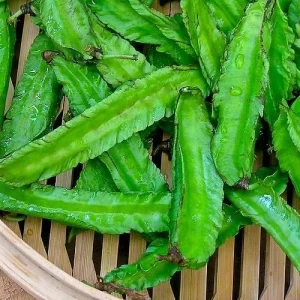
Winged Bean Seeds – Asparagus Pea, Four Angled Bean, Dau Rong – 20 to 100 Seeds for Outdoor Gardening
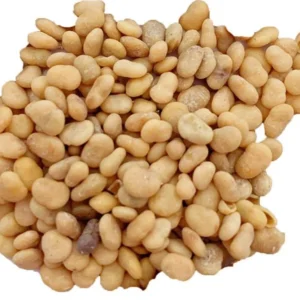
Cultivate delicious and nutritious winged bean seeds in your home garden. Also known as asparagus pea seeds, these versatile legumes are easy to grow and offer a unique flavor. Perfect for adding to stir-fries or salads, these seeds promise a bountiful harvest.
From $23.96

With our Alive & Thrive Guarantee, we’ve got your back for the first 30 days! If you have any concerns about your plants, just reach out to us. Our team is here to help answer your questions and guide you in selecting the best plants for your garden, climate, and unique preferences. We're excited to help you create the garden of your dreams!
Estimated arrival
Mar 31
Apr 05 - Apr 07
Apr 10 - Apr 14



Product Details
-
USDA Hardiness Zone
USDA zones 9-11 (as annuals in cooler zones) -
Soil type
Well-draining, rich in organic matter -
Sunlight Exposure
Full Sun -
Expected Planting Period
Late spring to early summer
Overview
Embark on a rewarding gardening journey with our premium winged bean seeds, also widely recognized as asparagus pea seeds. These remarkable legumes, scientifically known as Psophocarpus tetragonolobus, are a true gem for any home garden, offering both beauty and nutritional value. Originating from tropical regions, the winged bean is celebrated for its edible pods, leaves, flowers, and even tubers, making it an incredibly versatile crop. Our selection provides you with the opportunity to grow these fascinating plants, bringing a taste of the tropics and a wealth of health benefits to your backyard or patio. Whether you’re an experienced gardener or just starting, growing winged bean seeds is a fulfilling experience that yields delicious results. These seeds are ready for planting to ensure a vibrant and productive season.
The winged bean, often called the four angled bean due to its distinctive pod shape, is a climbing plant that thrives in warm climates. Its rapid growth and high yield make it a popular choice for sustainable gardening and culinary enthusiasts alike. Beyond its common names, it’s also known as Manila Dau Rong, Goa bean, and dragon bean, reflecting its global appeal and diverse uses. Prepare to enjoy fresh, crisp pods that can be harvested young for a tender texture or allowed to mature for their protein-rich seeds. Adding these dau rong seeds to your garden means embracing a plant that is as ornamental as it is edible, with beautiful pale blue flowers preceding its unique pods.
Key Benefits
Growing winged bean seeds offers a multitude of advantages for both your garden and your diet. These plants are not only prolific producers but also contribute to soil health and provide a nutrient-dense food source.
- Nutrient-Rich Harvest: The pods, leaves, flowers, and seeds of the winged bean are all edible and packed with protein, vitamins (A, C), and minerals, making them a superfood for healthy eating.
- Soil Enrichment: As a legume, the winged bean seeds plant fixes nitrogen in the soil, naturally improving fertility and reducing the need for chemical fertilizers in your garden.
- Versatile Culinary Use: Enjoy the tender young pods raw or lightly cooked, add the leaves to salads, and use the mature seeds as a protein source in various dishes. Discover how to grow winged beans and integrate them into diverse recipes.
- Fast-Growing & High Yield: These plants mature quickly and produce abundant harvests throughout the growing season, providing a continuous supply of fresh vegetables.
- Ornamental Appeal: Beyond its edible qualities, the winged bean vine produces attractive pale blue or purple flowers, adding a touch of beauty to your garden landscape.
- Adaptable to Warm Climates: Thriving in tropical and subtropical conditions, these seeds are ideal for gardeners in warmer regions or those with suitable greenhouse environments.
- Sustainable Gardening: A great choice for organic gardening practices due to its natural nitrogen-fixing abilities and minimal need for external inputs.
Plant Care & Growing Tips
Successful cultivation of winged bean seeds begins with proper planting and attentive care. These heat-loving plants prefer full sun exposure, ideally receiving at least 6-8 hours of direct sunlight daily. Choose a location in your garden that offers ample warmth and protection from strong winds. The soil should be well-draining, rich in organic matter, and have a pH between 6.0 and 7.0. Before planting, amend heavy clay soils with compost or well-rotted manure to improve drainage and fertility. For those wondering how to grow winged beans, starting with good soil is paramount.
Watering is crucial, especially during dry spells and when the plants are flowering and fruiting. Aim for consistently moist, but not waterlogged, soil. Deep watering encourages a strong root system. While the plant itself contributes nitrogen to the soil, a balanced organic fertilizer can be applied early in the growing season to support robust growth. Provide a sturdy trellis or support structure for the vines to climb, as they can reach considerable lengths. Pests are generally not a major issue, but keep an eye out for common garden pests and address them with organic solutions if necessary. The four angled bean is relatively low-maintenance once established, making it a joy to grow.
Size & Details
Our winged bean seeds are supplied in quantities ranging from 20 to 100 seeds, allowing you to select the perfect amount for your gardening needs. Each seed holds the potential for a vigorous climbing vine that can reach heights of 10-15 feet (3-4.5 meters) with adequate support. The distinctive four-angled pods typically grow to about 6-9 inches (15-23 cm) long, featuring a unique frilly edge. These fast-growing plants can begin producing pods within 2-3 months from planting, offering a continuous harvest throughout the warm season. For optimal flavor and tenderness, harvest the pods when they are young and crisp. If left to mature, the seeds inside the pods can be shelled and used like soybeans. These asparagus pea seeds are perfect for gardeners seeking a productive and visually interesting crop.
Frequently Asked Questions
- Q: How many winged bean seeds should I plant? A: The number of seeds depends on your garden size and desired yield. Our packs range from 20 to 100 seeds, allowing you to choose based on your needs. For a small family, 20-30 seeds can provide a good harvest.
- Q: Is this an indoor or outdoor plant? A: The winged bean seeds are primarily for outdoor cultivation. They thrive in warm, sunny conditions and require space to climb. They can be grown in large containers outdoors in suitable climates.
- Q: How much sunlight do winged beans need? A: Winged beans require full sun, meaning at least 6-8 hours of direct sunlight per day, to produce a bountiful harvest. Adequate sunlight is key to successfully grow winged beans.
- Q: Is this plant easy to care for? A: Yes, winged beans are relatively easy to care for once established. They require consistent watering, a good support structure for climbing, and warm temperatures. They are a great choice for gardeners looking for a productive and low-maintenance vegetable.
- Q: What condition will the seeds arrive in? A: Your dau rong seeds will arrive as fresh, viable seeds, ready for planting. We ensure they are packaged securely to maintain their quality during transit.
- Q: When is the best time to plant winged bean seeds? A: The best time to plant winged bean seeds is after all danger of frost has passed and soil temperatures have warmed, typically in late spring or early summer. They prefer warm soil for germination and growth.
- Q: What is the USDA hardiness zone for winged beans? A: Winged beans are tropical plants and are best suited for USDA zones 9-11 as perennials, or grown as annuals in zones with shorter warm seasons. They are sensitive to frost.
- Q: Can I use winged beans in cooking? A: Absolutely! All parts of the winged bean are edible. The young pods are delicious in stir-fries, salads, or steamed. The leaves can be used like spinach, and the flowers add color to dishes. The mature seeds can be cooked like other beans.
- Q: How long until the winged bean plants produce pods? A: Under ideal conditions, you can expect to see pods forming on your winged bean plants within 60-90 days after planting the four angled bean seeds.
- Q: What kind of soil is best for winged beans? A: Winged beans prefer well-draining, fertile soil rich in organic matter. A slightly acidic to neutral pH (6.0-7.0) is ideal for optimal growth.
| Climate | 100 Seeds, 20 Seeds, 50 Seeds |
|---|
Related products
-48%
Original price was: $28.99.$14.99Current price is: $14.99.
-50%
Original price was: $15.96.$7.98Current price is: $7.98.
-48%
Original price was: $28.99.$14.99Current price is: $14.99.
-50%

Original price was: $11.00.$5.50Current price is: $5.50.
-48%
Original price was: $28.99.$14.99Current price is: $14.99.
-50%
Original price was: $51.96.$25.98Current price is: $25.98.
-50%
Original price was: $15.96.$7.98Current price is: $7.98.
PLANTING & CARE
Growing Glencoe Raspberry: A Complete Guide for Gardeners
If you’re looking to add something unique to your garden, look no further than the
31
Mar
Mar

The Comprehensive Guide to Growing Bay Leaf Plants for a Flavorful Garden
Imagine stepping into your garden, greeted by the earthy aroma of fresh bay leaves, their
09
Feb
Feb

How to Make Comfrey Tea: The Ultimate Organic Plant Food
Growing an organic garden can be surprisingly expensive, especially when most store-bought fertilizers come in
02
Feb
Feb

True Comfrey: 7 Essential Tips Before You Plant This Herb
A staple in permaculture practices across the US, True Comfrey easily earns its reputation as
27
Jan
Jan

7 Heart-Shaped Plants for a Lasting Valentine’s Gift
If you’ve ever bought a bouquet of roses for Valentine’s Day, you know they are
26
Jan
Jan

Best Types of Ivy Plant for Houses: How to Choose the Perfect Ones for Your Home
Are you a garden lover looking to introduce some greenery into your home? Maybe you’ve
14
Nov
Nov

When to Harvest Garlic (Especially Fall-Planted Garlic)
TIMING IS EVERYTHING, they say – and for garlic, that truth hits with surprising accuracy.
13
Nov
Nov

11 of the Best Sweet Potato Varieties to Grow for Your Garden
If you’ve ever tried growing sweet potatoes, you know that picking the right variety can
12
Nov
Nov