Yellow Scotch Bonnet Hot Pepper Seeds – 20-50 Seeds – Spicy Caribbean – Outdoor
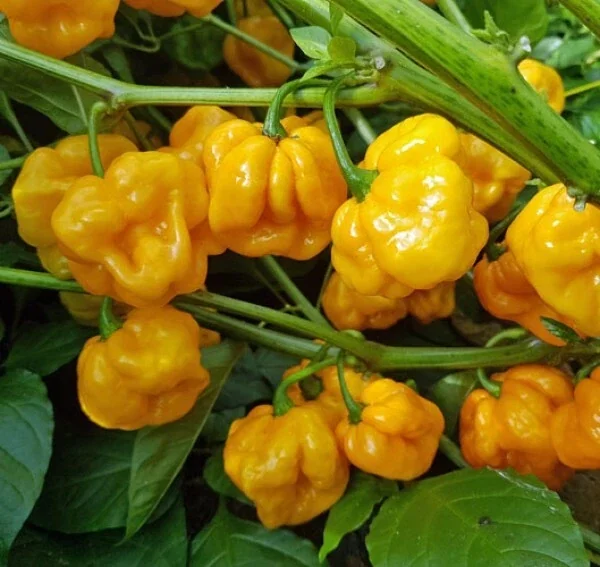
Yellow Scotch Bonnet Hot Pepper Seeds – 20-50 Seeds – Spicy Caribbean – Outdoor
Cultivate delicious and spicy Caribbean flavors with these yellow scotch bonnet hot pepper seeds. Each packet contains 20-50 organic, non-GMO seeds for a bountiful harvest of vibrant, fiery peppers. Ideal for outdoor gardens and culinary enthusiasts.
From $19.96

With our Alive & Thrive Guarantee, we’ve got your back for the first 30 days! If you have any concerns about your plants, just reach out to us. Our team is here to help answer your questions and guide you in selecting the best plants for your garden, climate, and unique preferences. We're excited to help you create the garden of your dreams!
Estimated arrival
Mar 31
Apr 05 - Apr 07
Apr 10 - Apr 14
Product Details
-
USDA Hardiness Zone
USDA zones 9-11 (as annuals in most zones) -
Soil type
Well-draining, rich in organic matter -
Sunlight Exposure
Full sun (6-8 hours direct light) -
Expected Planting Period
Spring to early summer (after last frost)
Overview
Ignite your garden and your taste buds with our premium yellow scotch bonnet hot pepper seeds. These highly sought-after seeds offer the authentic taste of the Caribbean, known for their distinctive fruity flavor profile coupled with intense heat. Perfect for gardeners looking to add a vibrant and spicy kick to their culinary creations, these peppers are a staple in many traditional dishes. Our seeds are organic and non-GMO, ensuring you grow healthy, robust plants that produce an abundant yield of these iconic yellow peppers. Whether you’re a seasoned chilihead or an adventurous cook, growing your own scotch bonnet pepper seeds is a rewarding experience that brings fresh, potent flavor directly to your kitchen.
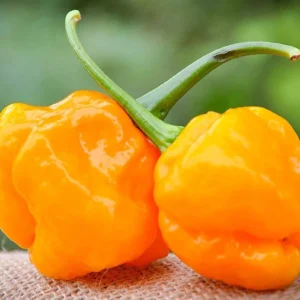
The Scotch Bonnet (Capsicum chinense) is closely related to the Habanero but often boasts a slightly sweeter, more complex flavor in addition to its formidable spice. These particular caribbean pepper seeds will mature into beautiful yellow peppers, adding a splash of sunshine to your garden and a burst of flavor to your meals. They are an excellent choice for making hot sauces, marinades, or simply adding a fiery zest to any dish.
Key Benefits
Growing your own yellow scotch bonnet hot pepper seeds offers numerous advantages, from fresh ingredients to the satisfaction of a homegrown harvest. These benefits extend beyond just the kitchen, enriching your gardening experience.
- Authentic Caribbean Flavor: Enjoy the true, signature taste of the Caribbean with peppers known for their unique fruity undertones and intense heat, making them perfect for traditional dishes.
- High Yield Potential: Each packet of scotch bonnet pepper seeds is selected for strong germination rates, promising a generous harvest of peppers from well-tended plants.
- Vibrant Culinary Addition: The bright yellow color of these peppers adds visual appeal to your garden and culinary dishes, making them a standout ingredient in any recipe.
- Organic & Non-GMO: Cultivate with confidence knowing you’re planting high-quality, organic, and non-genetically modified seeds, promoting healthier gardening practices.
- Versatile Ingredient: Use these peppers in a wide range of applications, from creating your own fiery hot sauces and salsas to infusing oils or simply adding a fresh, spicy element to stews and marinades.
- Rewarding Gardening Experience: From seed to harvest, growing your own capsicum chinense seeds provides a fulfilling and educational journey for gardeners of all skill levels.
- Supports Healthy Eating: Freshly grown peppers retain more nutrients and flavor than store-bought alternatives, contributing to a healthier and more flavorful diet.
Plant Care & Growing Tips
Successfully growing yellow scotch bonnet hot pepper seeds requires attention to specific environmental conditions to ensure optimal growth and fruit production. Start by sowing your seeds indoors 8-10 weeks before the last expected frost date. Use a good quality seed-starting mix and maintain a consistent soil temperature of 75-85°F (24-29°C) for best germination. Once seedlings emerge, provide plenty of light, either through a sunny south-facing window or with grow lights, to prevent them from becoming leggy.
When transplanting outdoors, choose a location that receives full sun, ideally 6-8 hours of direct sunlight per day. The soil should be well-draining, rich in organic matter, and have a pH between 6.0 and 6.8. Space plants 18-24 inches apart. Peppers are heavy feeders, so incorporate compost or a balanced slow-release fertilizer into the soil at planting time. Water regularly, especially during dry spells and when fruits are developing, aiming for consistently moist but not waterlogged soil. Avoid overhead watering to minimize leaf diseases. For vigorous growth and a plentiful harvest of caribbean pepper seeds, consider providing support with stakes or cages as the plants mature and become laden with fruit. Protect young plants from pests and be vigilant about weeding.
These peppers thrive in warm conditions, so ensure they are protected from cold snaps. In cooler climates, growing them in containers allows for easy relocation indoors if temperatures drop. Regular fertilization throughout the growing season will support continuous fruit production. Harvest peppers when they reach their full yellow color, indicating peak ripeness and flavor. This consistent care will help you achieve a bountiful yield from your non-GMO pepper seeds.
Size & Details
This offering includes a packet of yellow scotch bonnet hot pepper seeds, providing you with 20 to 50 viable seeds, depending on the selected quantity, to start your pepper garden. Each seed is carefully selected to ensure high germination rates, setting you up for success. Mature plants typically grow to a height of 2-3 feet and can spread about 1.5-2 feet wide, forming bushy, productive plants. The peppers themselves are small, usually about 1.5-2 inches in diameter, and have a unique flattened, bonnet-like shape. They transition from green to a vibrant yellow when ripe.
These seeds are annuals, meaning they complete their life cycle within one growing season, producing fruit until the first frost. They are best suited for outdoor cultivation in climates with warm summers, but can also be grown in large containers on patios or balconies. Expect peppers to be ready for harvest approximately 80-100 days after transplanting the seedlings. The exact yield will vary based on growing conditions and care, but diligent gardeners can anticipate a plentiful supply of these flavorful peppers. Our capsicum chinense seeds are packaged for freshness, ready for planting upon arrival.
Frequently Asked Questions
- Q: How big does this plant get? A: Yellow Scotch Bonnet Hot Pepper plants typically grow to a height of 2 to 3 feet and can spread about 1.5 to 2 feet wide, forming a compact, bushy plant. Proper spacing and care can influence their mature size.
- Q: What size pot does it come in? A: This product is for yellow scotch bonnet hot pepper seeds, not a live plant. You will receive a packet of seeds to start your own plants. When growing, we recommend transplanting seedlings into pots at least 3-5 gallons in size for optimal root development and yield.
- Q: Is this an indoor or outdoor plant? A: While you can start the scotch bonnet pepper seeds indoors, these plants thrive outdoors in full sun and warm temperatures. They can also be grown in large containers on a patio or balcony, allowing them to be moved indoors if temperatures drop.
- Q: How much sunlight does it need? A: For best results, Yellow Scotch Bonnet Hot Pepper plants require full sun, meaning at least 6-8 hours of direct sunlight per day. Adequate sunlight is crucial for fruit production and flavor development.
- Q: Is this plant easy to care for? A: Growing these peppers is considered moderately difficult. They require consistent warmth, regular watering, and well-draining soil. With proper attention to their needs, even novice gardeners can achieve a successful harvest of these flavorful caribbean pepper seeds.
- Q: What condition will it arrive in? A: You will receive dormant non-GMO pepper seeds in a protective packet, ready for planting. We ensure the seeds are fresh and viable upon shipment, ready to begin their growth journey.
- Q: Can I use yellow scotch bonnet peppers in cooking? A: Absolutely! These peppers are highly prized for their unique fruity flavor and intense heat, making them perfect for hot sauces, marinades, salsas, and adding a spicy kick to a variety of Caribbean and international dishes.
- Q: How long until it produces peppers? A: You can expect the first peppers to be ready for harvest approximately 80-100 days after transplanting the seedlings outdoors. The plants will continue to produce until the first frost.
- Q: When is the best time to plant these seeds? A: It’s best to start your capsicum chinense seeds indoors 8-10 weeks before your region’s last expected frost date. Once all danger of frost has passed and soil temperatures are consistently warm, you can transplant the seedlings outdoors.
- Q: Will it survive winter in my zone? A: Yellow Scotch Bonnet Hot Peppers are annuals and generally do not survive winter in most temperate climates. In frost-free tropical or subtropical regions (USDA zones 9-11), they can sometimes be grown as perennials.
- Q: What’s the minimum temperature these plants can tolerate? A: These plants are sensitive to cold. They prefer temperatures above 60°F (15°C) and can be damaged or killed by frost. It’s crucial to protect them from cold weather.
| Climate | 20+ Seeds, 50+ Seeds |
|---|
Related products
-48%
Original price was: $28.99.$14.99Current price is: $14.99.
-50%
Original price was: $15.00.$7.50Current price is: $7.50.
-48%
Original price was: $28.99.$14.99Current price is: $14.99.
-48%
Original price was: $28.99.$14.99Current price is: $14.99.
-50%
Original price was: $15.96.$7.98Current price is: $7.98.
-48%
Original price was: $28.99.$14.99Current price is: $14.99.
-50%

Original price was: $19.96.$9.98Current price is: $9.98.
-50%

Original price was: $59.96.$29.98Current price is: $29.98.
PLANTING & CARE

Growing Glencoe Raspberry: A Complete Guide for Gardeners
If you’re looking to add something unique to your garden, look no further than the
31
Mar
Mar

The Comprehensive Guide to Growing Bay Leaf Plants for a Flavorful Garden
Imagine stepping into your garden, greeted by the earthy aroma of fresh bay leaves, their
09
Feb
Feb

How to Make Comfrey Tea: The Ultimate Organic Plant Food
Growing an organic garden can be surprisingly expensive, especially when most store-bought fertilizers come in
02
Feb
Feb

True Comfrey: 7 Essential Tips Before You Plant This Herb
A staple in permaculture practices across the US, True Comfrey easily earns its reputation as
27
Jan
Jan

7 Heart-Shaped Plants for a Lasting Valentine’s Gift
If you’ve ever bought a bouquet of roses for Valentine’s Day, you know they are
26
Jan
Jan

Best Types of Ivy Plant for Houses: How to Choose the Perfect Ones for Your Home
Are you a garden lover looking to introduce some greenery into your home? Maybe you’ve
14
Nov
Nov

When to Harvest Garlic (Especially Fall-Planted Garlic)
TIMING IS EVERYTHING, they say – and for garlic, that truth hits with surprising accuracy.
13
Nov
Nov

11 of the Best Sweet Potato Varieties to Grow for Your Garden
If you’ve ever tried growing sweet potatoes, you know that picking the right variety can
12
Nov
Nov