Organic Mung Bean Seeds – Non-GMO Sprouting & Garden Vegetable Seeds

Organic Mung Bean Seeds – Non-GMO Sprouting & Garden Vegetable Seeds
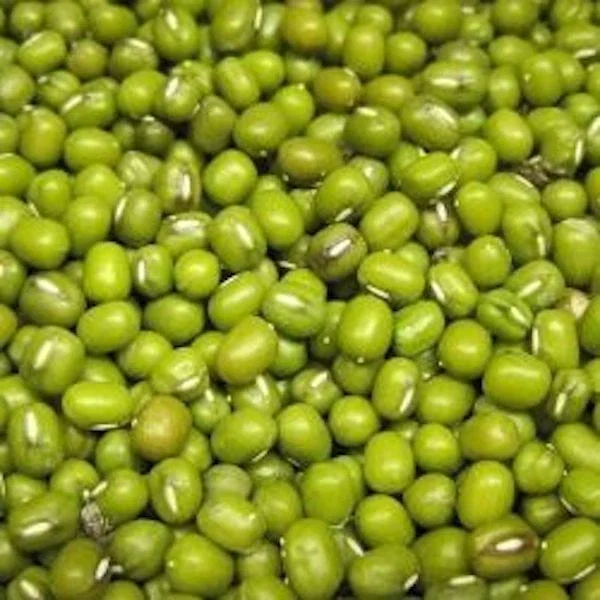
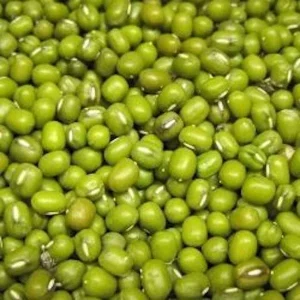
Discover the versatility of organic mung bean seeds, ideal for both culinary sprouting and garden cultivation. These non-gmo mung beans offer a fresh, healthy addition to your diet as microgreens or mature plants. Easy to grow and packed with nutrients.
From $19.96

With our Alive & Thrive Guarantee, we’ve got your back for the first 30 days! If you have any concerns about your plants, just reach out to us. Our team is here to help answer your questions and guide you in selecting the best plants for your garden, climate, and unique preferences. We're excited to help you create the garden of your dreams!
Estimated arrival
Mar 31
Apr 05 - Apr 07
Apr 10 - Apr 14


Product Details
-
USDA Hardiness Zone
USDA zones 8-11 (for outdoor perennial growth, otherwise annual) -
Soil type
Well-draining loamy soil -
Sunlight Exposure
Full sun (for garden plants), indirect light (for sprouts) -
Expected Planting Period
Spring to early summer (outdoors), year-round (sprouting indoors)
Overview
Cultivate your own wholesome food source with these premium organic mung bean seeds. Sourced from the latest harvest, these seeds are perfect for anyone looking to enjoy fresh, nutritious sprouts or grow robust mung bean plants in their garden. Mung beans (Vigna radiata) are a versatile legume, celebrated for their rapid germination and high nutritional value. Whether you’re a seasoned gardener or a beginner, these mung bean sprouting seeds provide an easy and rewarding growing experience. They are certified organic and entirely non-GMO, ensuring you’re planting only the best for your health and garden.
Mung beans are highly adaptable, making them suitable for various climates and growing conditions. They are a fantastic choice for those interested in sustainable gardening and healthy eating. These seeds promise a bountiful harvest, whether you prefer the delicate flavor of fresh sprouts or the hearty yield of mature beans. Start your journey towards self-sufficiency and vibrant health with these exceptional organic mung bean seeds.
Key Benefits
These organic mung bean seeds offer a multitude of benefits, from their nutritional profile to their ease of cultivation. They are an excellent choice for health-conscious individuals and home gardeners alike, providing both culinary delight and gardening satisfaction. Enjoy the numerous advantages of integrating these versatile seeds into your lifestyle.
- Nutrient-Rich Sprouts: Mung bean sprouts are a powerhouse of vitamins, minerals, and enzymes, significantly boosting their nutritional content compared to dry beans. They are an excellent source of protein, dietary fiber, and antioxidants, contributing to overall well-being.
- Versatile Culinary Use: Perfect for a wide array of dishes, from crisp salads and stir-fries to soups and stews. The sprouts add a fresh, crunchy texture, while the mature beans can be used in traditional Asian cuisine or as a healthy alternative in various recipes.
- Rapid Growth Cycle: Experience quick results with these fast-growing seeds. Mung bean sprouts can be ready for harvest in just 3-5 days, making them an ideal choice for continuous fresh produce. Garden plants also mature relatively quickly, offering a timely harvest.
- Easy to Grow: Whether for sprouting indoors or planting outdoors, these non-gmo mung beans are incredibly forgiving and simple to cultivate. They require minimal effort and are suitable for gardeners of all experience levels, making gardening accessible and enjoyable.
- Soil Improvement: As legumes, mung beans contribute to soil health by fixing nitrogen, which enriches the soil and benefits subsequent plantings. This makes them a valuable component in crop rotation and organic gardening practices.
- Sustainable Food Source: Growing your own mung beans reduces reliance on store-bought produce, promotes sustainable living, and ensures a fresh, organic supply of this nutritious legume right at your fingertips.
- Certified Organic & Non-GMO: Rest assured that these seeds are free from synthetic pesticides, herbicides, and genetically modified organisms, providing a pure and natural product for your garden and table.
Plant Care & Growing Tips
Cultivating organic mung bean seeds is a straightforward process, whether you’re aiming for sprouts or garden plants. For sprouting, simply soak the seeds overnight, then rinse them twice daily in a jar or sprouting tray until they reach your desired length, typically 3-5 days. Ensure good air circulation to prevent mold. For garden cultivation, choose a location that receives full sun, meaning at least 6-8 hours of direct sunlight per day. Mung beans thrive in warm conditions, making spring and summer the ideal seasons for planting. The soil should be well-draining and moderately fertile. A loamy soil with a pH between 6.0 and 7.0 is optimal for the best growth of your mung bean plant care.
Sow the non-gmo mung beans directly into the garden after the last frost, when soil temperatures have warmed to at least 65°F (18°C). Plant seeds about 1 inch deep and 3-4 inches apart, in rows spaced 18-24 inches apart. Consistent watering is crucial during germination and early growth; keep the soil evenly moist but not waterlogged. Once established, mung beans are relatively drought-tolerant, but regular watering, especially during flowering and pod development, will result in a healthier and more abundant harvest. Fertilization is generally not heavily required due to their nitrogen-fixing capabilities, but a balanced organic fertilizer can be applied if soil fertility is low. Monitor for common garden pests, though mung beans are generally resilient. Harvest pods when they are plump and green for fresh shelling, or allow them to dry on the plant for dried beans.
Size & Details
These organic mung bean seeds are offered in various quantities to suit your gardening needs, ranging from 4 oz to 16 oz. Each batch is from the new season, ensuring optimal germination rates and freshness. For reference, 4 oz contains approximately 1480 seeds, 1/2 lb (8 oz) contains about 2960 seeds, and 1 lb (16 oz) contains approximately 5920 seeds. These quantities provide ample opportunity for successive plantings or a substantial single crop, catering to both small-scale home growers and those with larger gardens. The seeds are suitable for both indoor sprouting and outdoor garden planting.
Mung bean plants typically grow 12-18 inches tall and produce slender pods containing edible beans. The growth rate is relatively fast, with sprouts ready in days and garden plants yielding mature beans within 75-90 days from planting. The seeds are packaged to maintain viability and are ready for planting upon arrival. These seeds are perfect for starting your own supply of fresh non-gmo mung beans, whether for delicious sprouts or robust garden plants.
Frequently Asked Questions
- Q: How big does this plant get? A: Mung bean plants typically reach a height of 12-18 inches (30-45 cm) when grown in a garden. They have a bushy growth habit and do not require staking.
- Q: What is the best way to sprout these organic mung bean seeds? A: To sprout, soak the seeds in water for 8-12 hours. Then, place them in a sprouting jar or tray, rinsing them twice daily with fresh water until sprouts reach your desired length, usually 3-5 days.
- Q: Is this an indoor or outdoor plant? A: These organic mung bean seeds are versatile. They can be sprouted indoors year-round for microgreens, or grown outdoors in a garden as a vegetable plant during the warm spring and summer months.
- Q: How much sunlight do mung bean plants need? A: For optimal growth in the garden, mung bean plants require full sun, meaning at least 6-8 hours of direct sunlight per day. When sprouting indoors, indirect light is sufficient.
- Q: Is this plant easy to care for? A: Yes, mung beans are considered very easy to grow, both for sprouting and as garden plants. They are relatively low-maintenance and forgiving, making them ideal for beginner gardeners.
- Q: When is the best time to plant mung bean seeds outdoors? A: The best time to plant non-gmo mung beans outdoors is in late spring or early summer, after all danger of frost has passed and soil temperatures consistently reach at least 65°F (18°C).
- Q: What kind of soil do mung beans prefer? A: Mung beans thrive in well-draining, moderately fertile soil. A loamy soil with a neutral to slightly acidic pH (6.0-7.0) is ideal for healthy plant development.
- Q: How long until I can harvest mature mung beans? A: If grown as garden plants, you can expect to harvest mature mung bean pods containing dry beans approximately 75-90 days after planting. Green pods for fresh shelling can be harvested earlier.
- Q: Are these mung bean seeds suitable for a microgreen setup? A: Absolutely! These organic mung bean seeds are excellent for growing microgreens. Their quick germination and robust growth make them a popular choice for nutrient-dense microgreen trays.
- Q: Will these mung beans grow well in hot climates? A: Mung beans are native to warm regions and thrive in hot, humid conditions. They are well-suited for climates with long, warm growing seasons, making them perfect for many southern US states.
| Vegetable Type | 1 Lb = 5920 Seeds, 1/2 Lb = 2960 Seeds, 4 Oz = 1480 Seeds |
|---|
Related products
-48%
Original price was: $28.99.$14.99Current price is: $14.99.
-48%
Original price was: $28.99.$14.99Current price is: $14.99.
-48%
Original price was: $28.99.$14.99Current price is: $14.99.
-50%
Original price was: $15.96.$7.98Current price is: $7.98.
-50%

Original price was: $15.00.$7.50Current price is: $7.50.
-50%
Original price was: $15.00.$7.50Current price is: $7.50.
-50%
Original price was: $51.96.$25.98Current price is: $25.98.
PLANTING & CARE

Growing Glencoe Raspberry: A Complete Guide for Gardeners
If you’re looking to add something unique to your garden, look no further than the
31
Mar
Mar

The Comprehensive Guide to Growing Bay Leaf Plants for a Flavorful Garden
Imagine stepping into your garden, greeted by the earthy aroma of fresh bay leaves, their
09
Feb
Feb

How to Make Comfrey Tea: The Ultimate Organic Plant Food
Growing an organic garden can be surprisingly expensive, especially when most store-bought fertilizers come in
02
Feb
Feb

True Comfrey: 7 Essential Tips Before You Plant This Herb
A staple in permaculture practices across the US, True Comfrey easily earns its reputation as
27
Jan
Jan

7 Heart-Shaped Plants for a Lasting Valentine’s Gift
If you’ve ever bought a bouquet of roses for Valentine’s Day, you know they are
26
Jan
Jan

Best Types of Ivy Plant for Houses: How to Choose the Perfect Ones for Your Home
Are you a garden lover looking to introduce some greenery into your home? Maybe you’ve
14
Nov
Nov

When to Harvest Garlic (Especially Fall-Planted Garlic)
TIMING IS EVERYTHING, they say – and for garlic, that truth hits with surprising accuracy.
13
Nov
Nov

11 of the Best Sweet Potato Varieties to Grow for Your Garden
If you’ve ever tried growing sweet potatoes, you know that picking the right variety can
12
Nov
Nov