Culantro Seeds (Eryngium Foetidum) – 200 to 1000+ Seeds – Grow Ngo Gai Herb


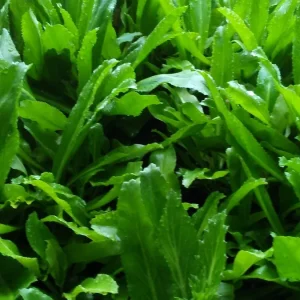


Culantro Seeds (Eryngium Foetidum) – 200 to 1000+ Seeds – Grow Ngo Gai Herb
Cultivate your own flavorful culantro seeds (Eryngium Foetidum), also known as ngo gai seeds or Vietnamese coriander. These herb seeds are perfect for gardeners looking to grow this essential ingredient for culinary dishes. Enjoy fresh, aromatic leaves right from your garden with these easy-to-grow seeds.
From $11.96

With our Alive & Thrive Guarantee, we’ve got your back for the first 30 days! If you have any concerns about your plants, just reach out to us. Our team is here to help answer your questions and guide you in selecting the best plants for your garden, climate, and unique preferences. We're excited to help you create the garden of your dreams!
Estimated arrival
Mar 31
Apr 05 - Apr 07
Apr 10 - Apr 14
Product Details
-
USDA Hardiness Zone
10-11 (as perennial), annual elsewhere -
Soil type
Loam, Peat, Sand; well-draining -
Sunlight Exposure
Partial Shade, Full Sun, Medium Sun (climate dependent) -
Expected Planting Period
Year-round indoors, spring to early summer outdoors
Overview
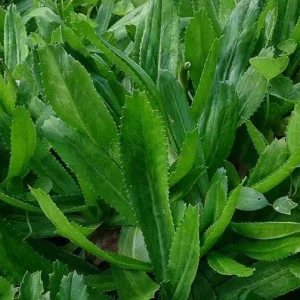
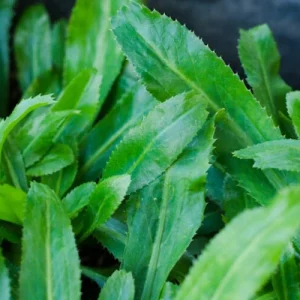
Discover the joy of growing your own aromatic herbs with our premium culantro seeds. Also known by its botanical name Eryngium foetidum, and common names like Ngo Gai, Mexican coriander, or long coriander, this herb is a culinary staple in many Caribbean, Latin American, and Southeast Asian cuisines. Unlike its cousin cilantro, culantro offers a stronger, more pungent aroma and flavor that holds up well during cooking, making it an indispensable ingredient for stews, soups, and marinades. These fresh seeds allow you to cultivate this unique herb in your own garden, providing a continuous supply of its distinct, saw-toothed leaves. Growing eryngium foetidum seeds is a rewarding experience for both novice and experienced gardeners, bringing an exotic touch to your herb collection.
Our culantro seeds are carefully selected for freshness, ensuring a high germination rate and vigorous growth. Whether you’re looking to expand your culinary horizons or simply enjoy the satisfaction of growing your own food, these seeds are an excellent choice. Culantro thrives in warm, humid conditions and can be grown in various settings, from garden beds to containers. Its robust flavor profile makes it a fantastic addition to a wide array of dishes, offering a depth of taste that fresh cilantro cannot always match. Start your culinary herb garden today with these exceptional seeds.
Key Benefits
Growing culantro seeds offers numerous advantages, from enhancing your cooking to providing a fresh, accessible herb supply. This versatile plant is more than just a flavor enhancer; it’s a valuable addition to any home garden. Enjoy the convenience and satisfaction of harvesting your own fresh culantro whenever you need it.
- Distinctive Culinary Flavor: Culantro provides a unique, potent flavor that is often described as a more intense version of cilantro. Its robust taste makes it ideal for dishes that require prolonged cooking, as its flavor doesn’t dissipate easily. Perfect for authentic Caribbean, Latin, and Asian recipes.
- Fresh Supply for Cooking: Having fresh ngo gai seeds means you can always have this essential herb on hand. No more last-minute trips to the grocery store or settling for dried alternatives that lack the vibrant taste and aroma.
- Easy to Grow: Despite its exotic nature, culantro is relatively easy to grow from seed, especially in warmer climates or as an annual in cooler regions. It’s a rewarding plant for gardeners of all skill levels, from beginners to seasoned enthusiasts.
- Medicinal Properties: Beyond its culinary uses, culantro herb seeds are known for traditional medicinal properties in various cultures. It’s often used for its anti-inflammatory and digestive benefits, adding a health dimension to your garden.
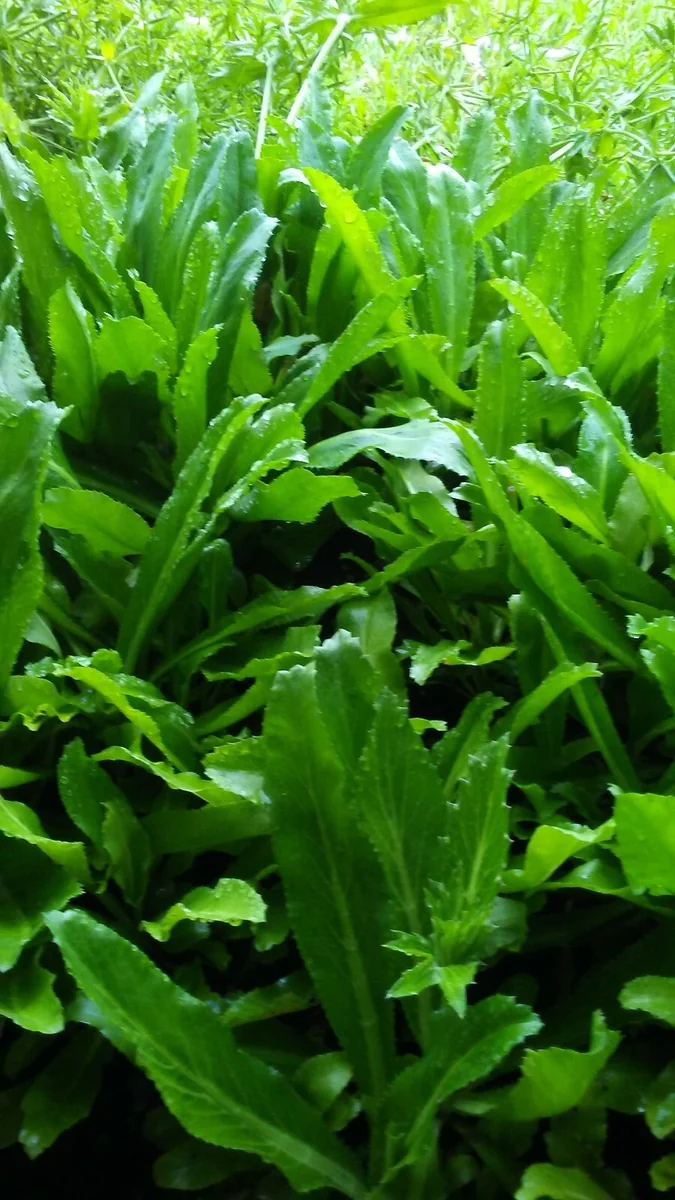
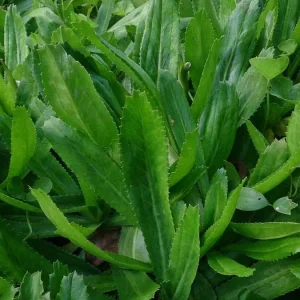
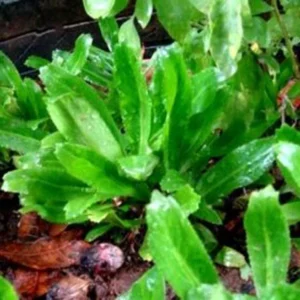
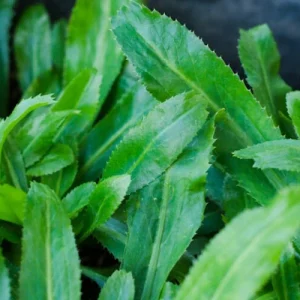
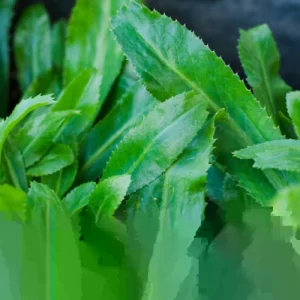
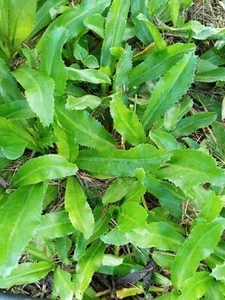
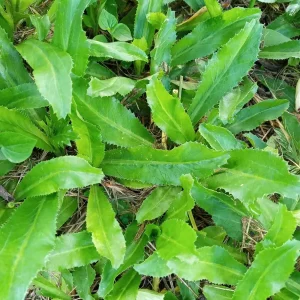
- Aromatic Garden Addition: The plant itself is quite attractive with its long, serrated leaves, making it a unique and visually interesting addition to your herb garden or container arrangements. Its strong aroma also serves as a natural deterrent for some garden pests.
- Adaptable Growth: While it prefers partial shade and moist soil, culantro can adapt to various growing conditions, including containers, making it suitable for small spaces or urban gardening. This adaptability makes it a versatile choice for many gardeners looking to grow culantro.
Plant Care & Growing Tips
To successfully grow culantro seeds and ensure a bountiful harvest, understanding its preferred growing conditions is key. Culantro (Eryngium foetidum) thrives in warm, humid environments, mimicking its native tropical habitats. For best results, sow seeds indoors 6-8 weeks before the last frost date, or directly outdoors once soil temperatures consistently reach above 70°F (21°C). Lightly cover the seeds with soil, as they require some light for germination. Keep the soil consistently moist during the germination period, which can sometimes be slow, ranging from 2-4 weeks.
Once established, culantro prefers partial shade, especially in hot climates, to prevent scorching of its delicate leaves. In cooler regions, it can tolerate more sun. The ideal soil type for eryngium foetidum seeds is a rich, well-draining loam with a pH between 6.0 and 7.5. Amend heavy clay soils with organic matter to improve drainage and aeration. Consistent moisture is crucial; do not let the soil dry out completely between waterings. However, avoid waterlogging, which can lead to root rot. A layer of mulch can help retain soil moisture and regulate soil temperature.
Culantro is a relatively low-maintenance herb. Fertilize sparingly with a balanced liquid fertilizer every 4-6 weeks during the growing season. Protect plants from frost, as they are not cold-hardy. In USDA Hardiness Zone 10 and above, it can be grown as a perennial; in colder zones, it is typically grown as an annual. Watch out for common pests like aphids, which can be managed with organic insecticidal soap. Providing adequate humidity, especially indoors, will encourage healthy growth of your ngo gai seeds.
Size & Details
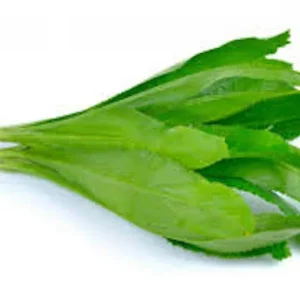
Our culantro seeds are offered in quantities ranging from 200 to over 1000 seeds per packet, allowing you to choose the perfect amount for your gardening needs, whether you’re starting a small herb patch or a larger culinary garden. Each seed is fresh, collected every two weeks, ensuring optimal viability and germination rates for your culantro herb seeds. Culantro plants typically grow to a height of 6 to 12 inches (15-30 cm) with a similar spread, forming a rosette of leaves at the base. They produce small, inconspicuous flowers on stalks that can reach up to 2 feet (60 cm) tall. The leaves are generally 4 to 8 inches (10-20 cm) long and about 1 inch (2.5 cm) wide, characterized by their prominent serrated edges.
These seeds will arrive in a protective packet, ready for immediate planting. The growth rate is moderate, with plants typically ready for initial harvest within 60-90 days after germination. For continuous harvesting, pick outer leaves as needed, allowing the inner leaves to continue growing. This method encourages the plant to produce more foliage. Culantro is an excellent choice for container gardening, raised beds, or in-ground cultivation, provided the soil and light requirements are met. Expect a consistent supply of fresh culantro throughout the growing season from these high-quality seeds, helping you to grow culantro successfully.
Frequently Asked Questions
- Q: How big does culantro get? A: Culantro plants typically grow to about 6-12 inches tall and wide, forming a compact rosette of leaves. Flower stalks can extend up to 2 feet in height.
- Q: Is this an indoor or outdoor plant? A: Culantro can be grown both indoors and outdoors. Outdoors, it thrives in warm, humid conditions and partial shade. Indoors, ensure it receives bright, indirect light and consistent moisture.
- Q: How much sunlight does culantro need? A: Culantro prefers partial shade, especially in hot climates, which helps prevent leaf scorching. In cooler regions, it can tolerate more direct sunlight.
- Q: Is this plant easy to care for? A: Yes, culantro seeds are relatively easy to grow and maintain, provided they receive consistent moisture, well-draining soil, and adequate warmth. It’s a great choice for beginners.
- Q: What condition will it arrive in? A: These are fresh eryngium foetidum seeds, collected every two weeks, and will arrive in a protective packet ready for planting.
- Q: Can I use culantro in cooking? A: Absolutely! Culantro is renowned for its strong, distinctive flavor and is a key ingredient in many Caribbean, Latin American, and Southeast Asian dishes. It’s often used in stews, soups, and marinades.
- Q: How long until culantro sprouts? A: Germination for ngo gai seeds can take anywhere from 2 to 4 weeks, sometimes longer. Patience and consistent moisture are important during this period.
- Q: When is the best time to plant culantro seeds? A: The best time to plant culantro seeds is in spring after the last frost, or indoors 6-8 weeks before the last frost, to transplant later.
- Q: What’s the ideal USDA hardiness zone for culantro? A: Culantro is best grown as a perennial in USDA Zones 10 and higher. In colder zones, it is typically cultivated as an annual.
- Q: What kind of soil does culantro prefer? A: Culantro thrives in rich, well-draining loamy soil with a slightly acidic to neutral pH (6.0-7.5).
| Style | 1000, 200 |
|---|
Related products

-50%
Original price was: $32.00.$16.00Current price is: $16.00.

-50%
From Original price was: $64.00.$32.00Current price is: $32.00.
-50%
Original price was: $32.00.$16.00Current price is: $16.00.
PLANTING & CARE

Growing Glencoe Raspberry: A Complete Guide for Gardeners
If you’re looking to add something unique to your garden, look no further than the
31
Mar
Mar

The Comprehensive Guide to Growing Bay Leaf Plants for a Flavorful Garden
Imagine stepping into your garden, greeted by the earthy aroma of fresh bay leaves, their
09
Feb
Feb

How to Make Comfrey Tea: The Ultimate Organic Plant Food
Growing an organic garden can be surprisingly expensive, especially when most store-bought fertilizers come in
02
Feb
Feb

True Comfrey: 7 Essential Tips Before You Plant This Herb
A staple in permaculture practices across the US, True Comfrey easily earns its reputation as
27
Jan
Jan

7 Heart-Shaped Plants for a Lasting Valentine’s Gift
If you’ve ever bought a bouquet of roses for Valentine’s Day, you know they are
26
Jan
Jan

Best Types of Ivy Plant for Houses: How to Choose the Perfect Ones for Your Home
Are you a garden lover looking to introduce some greenery into your home? Maybe you’ve
14
Nov
Nov

When to Harvest Garlic (Especially Fall-Planted Garlic)
TIMING IS EVERYTHING, they say – and for garlic, that truth hits with surprising accuracy.
13
Nov
Nov

11 of the Best Sweet Potato Varieties to Grow for Your Garden
If you’ve ever tried growing sweet potatoes, you know that picking the right variety can
12
Nov
Nov