Culantro Seeds – Mexican Coriander (Eryngium foetidum) Herb Seeds for Indoor/Outdoor Planting

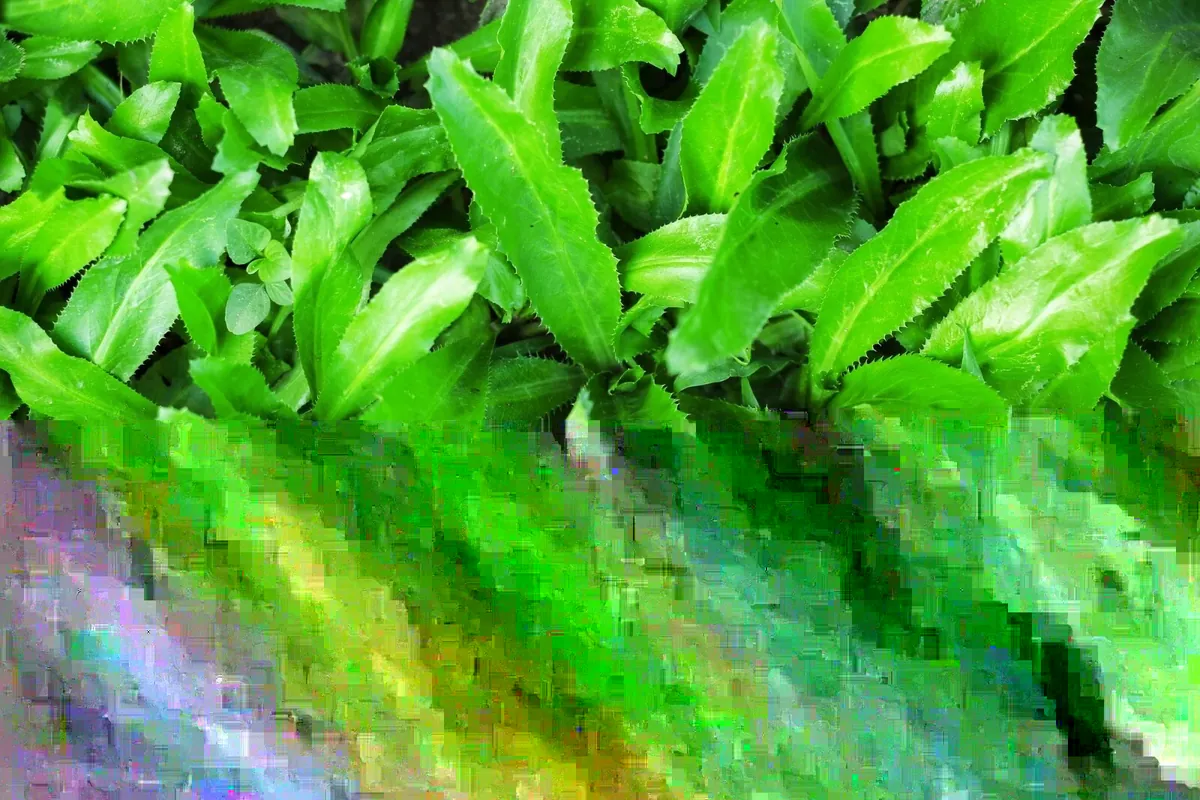
Culantro Seeds – Mexican Coriander (Eryngium foetidum) Herb Seeds for Indoor/Outdoor Planting
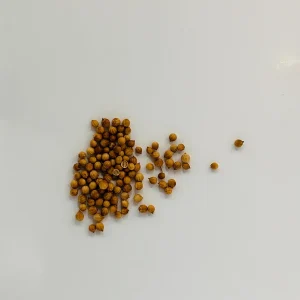
Cultivate your own flavorful culantro seeds, also known as Mexican Coriander seeds or Ngo Gai. These high-quality, organic, and non-GMO seeds are perfect for growing this essential herb both indoors and outdoors. Enjoy its distinctive, robust flavor in a variety of culinary dishes.
From $15.56

With our Alive & Thrive Guarantee, we’ve got your back for the first 30 days! If you have any concerns about your plants, just reach out to us. Our team is here to help answer your questions and guide you in selecting the best plants for your garden, climate, and unique preferences. We're excited to help you create the garden of your dreams!
Estimated arrival
Jan 29
Feb 03 - Feb 05
Feb 08 - Feb 12

Product Details
-
USDA Hardiness Zone
Annual (USDA zones 9-11 for extended growth) -
Soil type
Rich, well-draining soil -
Sunlight Exposure
Partial shade to full sun (morning sun preferred) -
Expected Planting Period
Spring to early summer (after last frost) or year-round indoors
Overview
Embark on a culinary journey by growing your own culantro seeds, the foundation for the distinctive herb known as Mexican Coriander. Often called Ngo Gai, Recao, or Long Coriander, Eryngium foetidum offers a more intense and robust flavor profile than its cousin, cilantro. These organic, non-GMO seeds provide an excellent opportunity for home gardeners to cultivate this versatile annual herb. Whether you’re an experienced gardener or just starting, these seeds promise a rewarding growing experience, yielding fresh leaves perfect for a wide array of dishes.
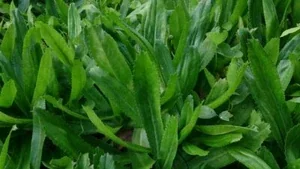
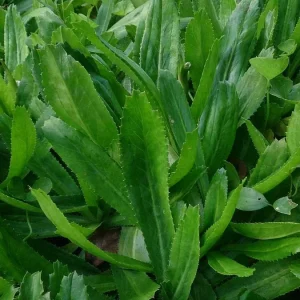
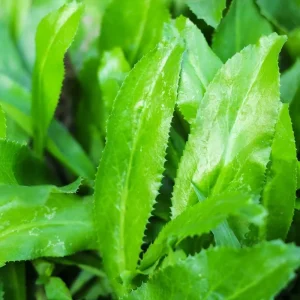
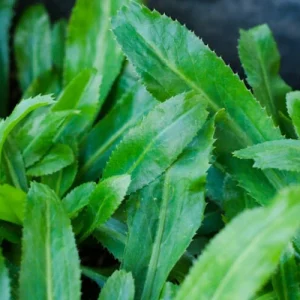
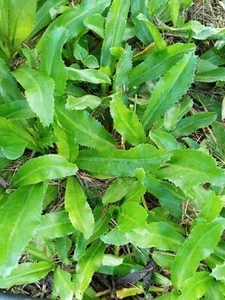
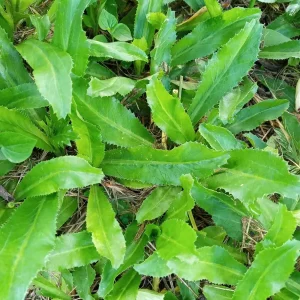
Culantro seeds are ideal for those looking to add an authentic touch to Latin American, Caribbean, and Asian cuisines. The plant produces long, serrated leaves that are a staple in many traditional recipes, holding their flavor well even after cooking. Unlike cilantro, which can bolt quickly in warm weather, culantro is known for its heat tolerance, making it a reliable choice for gardens in diverse climates. Cultivating eryngium foetidum seeds allows you to have a continuous supply of this aromatic herb right at your fingertips.
Each packet contains fresh, viable seeds, ensuring a high germination rate when planted under optimal conditions. The ease of cultivation makes growing long coriander seeds a delightful project for anyone passionate about fresh, homegrown ingredients. Experience the rich aroma and potent flavor that only freshly harvested culantro can provide, elevating your cooking to new heights.
Key Benefits
Growing culantro seeds offers numerous advantages, from enhancing your culinary creations to enriching your gardening experience. This robust herb is a must-have for any enthusiast of flavorful cooking.
- Authentic Flavor Enhancement: Culantro, also known as mexican coriander seeds, delivers a stronger, more pungent flavor than traditional cilantro, making it perfect for bold dishes like sofrito, curries, and stews. Its unique taste adds depth and authenticity to many international cuisines.
- Organic & Non-GMO Quality: Our seeds are organic and non-GMO, ensuring you grow healthy, natural plants free from genetic modification. This commitment to quality supports sustainable gardening practices and provides you with pure, wholesome herbs.
- Heat Tolerant & Long-Lasting: Unlike cilantro, culantro thrives in warmer climates and is less prone to bolting (going to seed) in the heat. This means a longer harvest season and a more consistent supply of fresh leaves, making ngo gai seeds a reliable choice for summer gardening.
- Versatile Culinary Use: The leaves are excellent for both fresh consumption and cooked applications. Their flavor holds up well under heat, making them suitable for slow-cooked dishes, marinades, and garnishes.
- Easy to Grow: These eryngium foetidum seeds are relatively easy to germinate and grow, requiring minimal specialized care. They are suitable for both beginner and experienced gardeners, making fresh culantro accessible to everyone.
- Indoor & Outdoor Cultivation: Culantro can be successfully grown in garden beds, raised beds, or containers, both indoors and outdoors. This flexibility allows you to enjoy fresh culantro regardless of your living situation or climate.
- Nutritional Value: Beyond its flavor, culantro is a good source of vitamins and minerals, adding a healthy boost to your meals. Incorporating long coriander seeds into your garden not only provides flavor but also nutritional benefits.
Plant Care & Growing Tips
Successful cultivation of culantro seeds begins with proper planting and attentive care. These annual herbs thrive in specific conditions, but with a little guidance, you can enjoy a bountiful harvest of fresh leaves.
Sunlight Requirements: Culantro prefers partial shade, especially in hotter climates. While it can tolerate full sun in cooler regions, direct, intense afternoon sun can cause the leaves to scorch or the plant to bolt prematurely. Aim for 4-6 hours of morning sun or dappled light throughout the day. If growing indoors, place your culantro in a spot with bright, indirect light, perhaps near an east-facing window or a few feet away from a south-facing one. Adequate light is crucial for producing flavorful mexican coriander seeds.
Watering Schedule and Soil Moisture: Culantro requires consistently moist soil, but not waterlogged. Water regularly, especially during dry spells, ensuring the top inch of soil remains damp. Avoid letting the soil dry out completely, as this can stress the plant and affect leaf production. Good drainage is key to prevent root rot. Check the soil moisture daily, particularly for container-grown plants, and water when the surface starts to feel dry to the touch. Proper watering is essential for vigorous growth of ngo gai seeds.
Soil Type and Drainage: Plant your culantro seeds in rich, well-draining soil. A loamy soil with a good amount of organic matter is ideal. The soil pH should be slightly acidic to neutral (6.0-7.0). If you have heavy clay soil, amend it with compost, peat moss, or sand to improve drainage and aeration. For container gardening, use a high-quality potting mix that retains moisture but drains well. Adequate soil conditions will foster strong root development for your eryngium foetidum seeds.
Temperature Range and USDA Hardiness Zone: Culantro is a tropical plant, thriving in warm, humid conditions. It is typically grown as an annual. Ideal temperatures range between 70-85°F (21-29°C). It is not frost-tolerant and will die back with the first freeze. In cooler climates, start seeds indoors 6-8 weeks before the last frost and transplant outdoors after all danger of frost has passed. For year-round supply, consider growing it indoors during colder months. While primarily an annual, its heat tolerance makes it a good choice for USDA zones 9-11 where it can sometimes self-seed or be grown for longer periods. If you’re looking to cultivate long coriander seeds, these temperature guidelines are crucial.
Fertilization Schedule and Type: Culantro is not a heavy feeder. Amend the soil with compost or a balanced slow-release organic fertilizer at planting time. During the growing season, a light application of a balanced liquid fertilizer (e.g., 5-5-5) every 4-6 weeks can encourage lush leaf growth. Avoid over-fertilizing, especially with high-nitrogen fertilizers, as this can lead to excessive foliage but may compromise flavor. A healthy feeding regimen will support the vibrant growth of your culantro.
Common Problems and Solutions: Keep an eye out for common garden pests like aphids, spider mites, or whiteflies. These can often be controlled with organic insecticidal soap or neem oil. Ensure good air circulation to prevent fungal diseases, especially in humid environments. Yellowing leaves can indicate overwatering or nutrient deficiency. Adjust your watering schedule and consider a light feeding. Bolting, or premature flowering, can occur due to excessive heat or inconsistent watering; providing partial shade and consistent moisture can help delay this. Regularly harvesting leaves also encourages new growth and delays bolting.
Size & Details
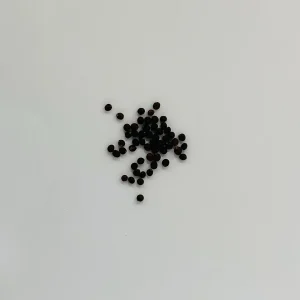
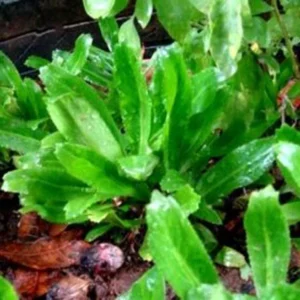
Each packet of culantro seeds typically contains 200+ viable seeds, providing ample opportunity to establish a thriving herb patch. The exact count may vary slightly based on the selected option, ranging from 200+ to 1000 seeds. These seeds are carefully selected for freshness and vigor, ensuring a high germination rate under optimal conditions. Plants typically grow to a height of 8 to 12 inches (20-30 cm) with a spread of 6 to 10 inches (15-25 cm), forming a compact, leafy rosette. The leaves themselves can reach lengths of 6-10 inches, providing a substantial harvest.
The seeds are shipped in a protective packet, ready for immediate planting. Germination usually occurs within 7-21 days, depending on environmental factors like temperature and moisture. From seed to a harvestable plant, you can expect a growth period of approximately 60-90 days. These mexican coriander seeds are designed for easy home cultivation, whether you’re starting them in seed trays, directly in your garden bed, or in containers. They are suitable for both indoor and outdoor growing, adapting well to various garden settings. The plant’s annual life cycle means it will complete its growth and produce seeds within one growing season, though it can often self-seed in favorable climates. With ngo gai seeds, you’ll have a continuous supply of this essential herb.
Frequently Asked Questions
- Q: How many culantro seeds should I plant at once? A: For a continuous harvest, it’s best to sow a small batch of culantro seeds every 2-3 weeks. This succession planting ensures you always have fresh leaves available. If you’re looking for a larger initial yield, you can plant 10-20 seeds together.
- Q: Is this an indoor or outdoor plant? How much sunlight does it need? A: Culantro can be grown both indoors and outdoors. Outdoors, it thrives in partial shade, especially in hot climates, receiving 4-6 hours of morning sun. Indoors, place it in a spot with bright, indirect light.
- Q: Is this plant easy to care for? Is it good for beginners? A: Yes, culantro is considered relatively easy to grow and is an excellent choice for beginners. Its main requirements are consistent moisture, well-draining soil, and protection from intense afternoon sun, making eryngium foetidum seeds a rewarding project.
- Q: What condition will the seeds arrive in? Is it shipped in soil? A: The culantro seeds will arrive as fresh, dry seeds in a protective packet. They are not shipped in soil, but are ready for you to plant in your preferred growing medium.
- Q: Can I use culantro in cooking, and what is it commonly used for? A: Absolutely! Culantro is a culinary powerhouse, essential in many Latin American, Caribbean, and Asian dishes. It’s often used in sofrito, stews, soups, and curries, and its flavor holds up well to cooking, unlike cilantro. It’s perfect for adding authentic flavor to your meals.
- Q: How long until the culantro plants are ready for harvest? A: You can typically begin harvesting the outer leaves of your culantro plants within 60-90 days after sowing the long coriander seeds. Regular harvesting encourages the plant to produce more leaves.
- Q: What USDA zones will culantro survive in? What’s the minimum temperature it can tolerate? A: Culantro is a tropical annual and is not frost-tolerant. It will die back with the first freeze. It thrives in warm temperatures above 70°F (21°C). In USDA zones 9-11, it can sometimes self-seed or grow for extended periods, but in most areas, it’s grown as an annual.
| MPN | 1000 Seeds, 200+ Seeds, 500+ Seeds |
|---|
Related products
-50%
Original price was: $32.00.$16.00Current price is: $16.00.
-50%
Original price was: $32.00.$16.00Current price is: $16.00.
-50%
Original price was: $32.00.$16.00Current price is: $16.00.

PLANTING & CARE

True Comfrey: 7 Essential Tips Before You Plant This Herb
A staple in permaculture practices across the US, True Comfrey easily earns its reputation as
27
Jan
Jan

7 Heart-Shaped Plants for a Lasting Valentine’s Gift
If you’ve ever bought a bouquet of roses for Valentine’s Day, you know they are
26
Jan
Jan

Best Types of Ivy Plant for Houses: How to Choose the Perfect Ones for Your Home
Are you a garden lover looking to introduce some greenery into your home? Maybe you’ve
14
Nov
Nov

When to Harvest Garlic (Especially Fall-Planted Garlic)
TIMING IS EVERYTHING, they say – and for garlic, that truth hits with surprising accuracy.
13
Nov
Nov

11 of the Best Sweet Potato Varieties to Grow for Your Garden
If you’ve ever tried growing sweet potatoes, you know that picking the right variety can
12
Nov
Nov

The Comprehensive Guide to Growing Bay Leaf Plants for a Flavorful Garden
Imagine stepping into your garden, greeted by the earthy aroma of fresh bay leaves, their
10
Nov
Nov
Pruning Bougainvillea for Winter
Bougainvillea vines are known for their dazzling display of magenta, orange, and fuchsia bracts that
05
Nov
Nov
The Comprehensive Guide to Growing Clerodendrum Wallichii for a Stunning Garden
Imagine walking into a garden where delicate white flowers hang from graceful branches, their petals
03
Nov
Nov