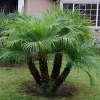
Pygmy Date Palm Seeds – Phoenix Roebelenii Fresh Seeds – Perennial Palm



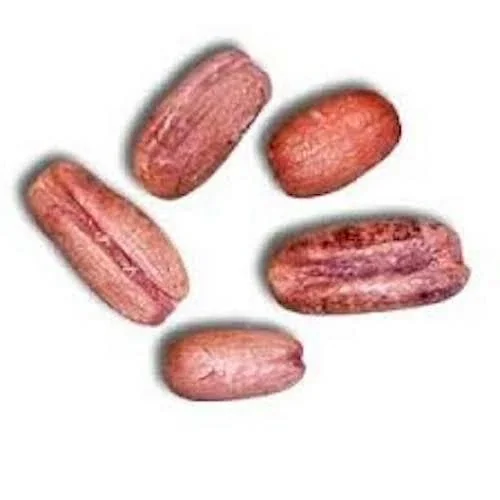



Pygmy Date Palm Seeds – Phoenix Roebelenii Fresh Seeds – Perennial Palm
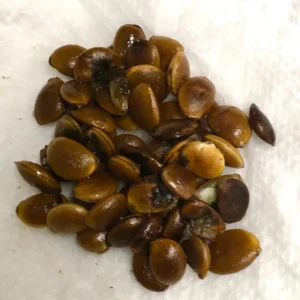
Cultivate a beautiful pygmy date palm with these fresh Phoenix Roebelenii seeds. Ideal for creating a tropical oasis, these perennial palm seeds are perfect for both indoor and outdoor growing in suitable climates.
From $15.96

With our Alive & Thrive Guarantee, we’ve got your back for the first 30 days! If you have any concerns about your plants, just reach out to us. Our team is here to help answer your questions and guide you in selecting the best plants for your garden, climate, and unique preferences. We're excited to help you create the garden of your dreams!
Estimated arrival
Mar 22
Mar 27 - Mar 29
Apr 01 - Apr 05
Product Details
-
USDA Hardiness Zone
USDA zones 10-11 -
Soil type
Loam, Sand, well-draining -
Sunlight Exposure
Full Sun, Medium Sun (Indoors: Bright Indirect) -
Expected Planting Period
Year-round indoors, Spring-Summer outdoors
Overview
Embark on a rewarding gardening journey by growing your very own pygmy date palm seeds. These fresh Phoenix Roebelenii seeds offer the exciting opportunity to cultivate one of the most popular and elegant dwarf palm trees. Known for its graceful, feathery fronds and compact size, the Pygmy Date Palm, or Phoenix roebelenii, is a highly sought-after plant for both tropical gardens and as an exquisite potted specimen. Originating from Southeast Asia, this resilient perennial palm adds a touch of exotic charm to any landscape or interior space. Starting from fresh seeds ensures a robust and healthy plant, allowing you to witness its growth from the very beginning. Whether you’re an experienced gardener or a budding enthusiast, these phoenix roebelenii seeds provide a fantastic and fulfilling project.
The Pygmy Date Palm is celebrated for its slender trunk, which is often adorned with old leaf bases, and its dense crown of delicate, arching, dark green leaves. While it produces small, inedible dates, its primary appeal lies in its ornamental value. These date palm seeds are harvested fresh, increasing their viability and giving you the best chance for successful germination. Imagine transforming your patio, living room, or garden into a lush, tropical retreat with these stunning palms. They are relatively slow-growing, allowing you to enjoy their various stages of development. For those looking to grow pygmy date palm, starting with high-quality seeds is the first step towards achieving a beautiful and long-lasting botanical display.
Key Benefits
Growing Pygmy Date Palms from seed offers numerous benefits, from enhancing your living space to the satisfaction of nurturing a plant from its earliest stage. These fresh seeds are your gateway to a stunning botanical addition.
- Elegant Ornamental Value: The pygmy date palm seeds will grow into a graceful palm known for its slender trunk and fine-textured, arching fronds, providing an exotic and sophisticated touch to any setting. Its compact size makes it versatile for various landscape designs or as a striking container plant.
- Adaptable Growth: While thriving in tropical and subtropical climates, this palm can also be successfully grown indoors in cooler regions, making it a flexible choice for many gardeners. It adapts well to different light conditions, from full sun to partial shade.
- Low Maintenance Appeal: Once established, the Pygmy Date Palm is relatively low-maintenance, requiring moderate watering and occasional feeding. This makes it an excellent choice for those seeking beauty without excessive upkeep.
- Air Purification: Like many palms, the Pygmy Date Palm contributes to improving indoor air quality by filtering out common pollutants, creating a healthier and more refreshing environment.
- Unique Project: Starting from Phoenix Roebelenii seeds provides a unique and rewarding gardening project, allowing you to observe the entire growth cycle and foster a deeper connection with your plants.
- Evergreen Beauty: As an evergreen, the Pygmy Date Palm maintains its vibrant green foliage throughout the year, offering consistent beauty regardless of the season.
- Versatile Landscaping: Perfect for accent planting, creating focal points, or adding tropical flair around pools and patios. Indoors, it serves as a magnificent statement plant.
Plant Care & Growing Tips
Successfully cultivating pygmy date palm seeds requires attention to specific environmental factors to ensure strong germination and healthy growth. These palms thrive in warm conditions and well-draining soil. For germination, soak the Phoenix Roebelenii seeds in warm water for 24-48 hours, changing the water every 12 hours. Plant seeds about half an inch deep in a sterile seed-starting mix, ideally a blend of peat and perlite or sand. Maintain a consistent soil temperature of 85-95°F (29-35°C), which can be achieved using a heat mat. High humidity is also beneficial during germination, which can be created by covering the pot with a plastic dome or wrap. Germination can be slow and sporadic, sometimes taking anywhere from a few weeks to several months, so patience is key when you grow pygmy date palm.
Once seedlings emerge, provide them with plenty of bright, indirect light. As the palms mature, they prefer full sun to partial shade outdoors, ideally receiving at least 6 hours of direct sunlight. Indoors, place them near a bright window with good air circulation. The Pygmy Date Palm prefers consistently moist, but not waterlogged, soil. Water thoroughly when the top inch or two of soil feels dry to the touch. Ensure excellent drainage to prevent root rot. These palms are moderately heavy feeders; fertilize every 2-3 months during the growing season (spring and summer) with a balanced, slow-release palm fertilizer. They are generally hardy in USDA zones 10-11, but can tolerate brief dips to 20°F (-6°C) once established. Protect from frost in cooler zones. Regularly check for pests and diseases, and remove any yellowing or damaged fronds to maintain plant health and appearance. Understanding how to care for these date palm seeds will lead to a thriving, beautiful specimen.
Size & Details
These fresh pygmy date palm seeds are ready for planting upon arrival. The Pygmy Date Palm (Phoenix roebelenii) is a dwarf palm that typically grows to a height of 6-12 feet, though it can reach up to 20 feet in ideal outdoor conditions over many years. Its spread is generally about 5-10 feet, creating a compact yet full appearance. When grown in containers, its size is often more constrained, making it an excellent indoor plant. The seeds are collected fresh to ensure optimal viability, though germination times vary significantly. Expect to see the first true fronds emerge several months after planting.
Each seed has the potential to develop into a beautiful, single-trunked palm, though they are often planted in groups of three to create a fuller, multi-stemmed effect. The plant form from these seeds will be a perennial, offering long-lasting beauty. The fronds are pinnate, with narrow leaflets, giving the palm a delicate and airy texture. While it is evergreen, it does best with consistent moisture and warmth, making it ideal for sub-tropical and humid sub-tropical climates. These tropical palm seeds will eventually produce a plant with a medium watering requirement, and it thrives in a well-draining soil mix that can be loam or sand-based.
Frequently Asked Questions
- Q: How long does it take for pygmy date palm seeds to germinate? A: Germination can be quite variable, ranging from a few weeks to several months, or even up to a year. Patience, consistent warmth (85-95°F), and moisture are key factors for success.
- Q: Is the Pygmy Date Palm an indoor or outdoor plant? A: It can be both! In USDA zones 10-11, it thrives outdoors. In cooler climates, it makes an excellent, elegant indoor houseplant, provided it receives adequate light.
- Q: How much sunlight does a Phoenix Roebelenii palm need? A: Outdoors, it prefers full sun to partial shade. Indoors, place it in a location with bright, indirect light, such as near a south or west-facing window.
- Q: What kind of soil is best for growing date palm seeds? A: A well-draining soil mix is crucial. A blend of peat, sand, and perlite or a good quality potting mix designed for palms is ideal to prevent waterlogging.
- Q: How often should I water my Pygmy Date Palm? A: Water thoroughly when the top 1-2 inches of soil feel dry. Ensure good drainage and avoid overwatering, as this can lead to root rot.
- Q: Is this palm considered easy to care for? A: Once established, Pygmy Date Palms are relatively low-maintenance. The initial germination and seedling stages require more attention, but mature plants are quite resilient.
- Q: What is the mature size of a pygmy date palm? A: Outdoors, it typically grows 6-12 feet tall, with some reaching 20 feet. When grown in containers, it usually stays smaller, making it suitable for indoor spaces.
- Q: Can I grow this palm in a humid climate? A: Yes, the Pygmy Date Palm thrives in humid subtropical and tropical wet climates, making it well-suited for regions with high humidity.
- Q: When is the best season to plant tropical palm seeds? A: While you can start seeds indoors year-round with controlled conditions, spring and summer are generally ideal as they provide the natural warmth needed for germination.
- Q: Will the Pygmy Date Palm produce edible dates? A: The Pygmy Date Palm does produce small dates, but they are not typically considered edible for humans. Its main value is ornamental.
| MPN | 10 Seeds, 100 Seeds, 50 Seeds |
|---|
Related products
-50%
Original price was: $75.96.$37.98Current price is: $37.98.
-20%
Original price was: $26.00.$20.80Current price is: $20.80.
-20%
Original price was: $30.00.$24.00Current price is: $24.00.
-50%
Original price was: $107.96.$53.98Current price is: $53.98.
-20%
Original price was: $19.98.$15.98Current price is: $15.98.
-20%
Original price was: $38.00.$30.40Current price is: $30.40.
-50%

Original price was: $19.96.$9.98Current price is: $9.98.
-20%
Original price was: $20.00.$16.00Current price is: $16.00.
PLANTING & CARE

The Comprehensive Guide to Growing Bay Leaf Plants for a Flavorful Garden
Imagine stepping into your garden, greeted by the earthy aroma of fresh bay leaves, their
09
Feb
Feb

How to Make Comfrey Tea: The Ultimate Organic Plant Food
Growing an organic garden can be surprisingly expensive, especially when most store-bought fertilizers come in
02
Feb
Feb

True Comfrey: 7 Essential Tips Before You Plant This Herb
A staple in permaculture practices across the US, True Comfrey easily earns its reputation as
27
Jan
Jan

7 Heart-Shaped Plants for a Lasting Valentine’s Gift
If you’ve ever bought a bouquet of roses for Valentine’s Day, you know they are
26
Jan
Jan

Best Types of Ivy Plant for Houses: How to Choose the Perfect Ones for Your Home
Are you a garden lover looking to introduce some greenery into your home? Maybe you’ve
14
Nov
Nov

When to Harvest Garlic (Especially Fall-Planted Garlic)
TIMING IS EVERYTHING, they say – and for garlic, that truth hits with surprising accuracy.
13
Nov
Nov

11 of the Best Sweet Potato Varieties to Grow for Your Garden
If you’ve ever tried growing sweet potatoes, you know that picking the right variety can
12
Nov
Nov
Pruning Bougainvillea for Winter
Bougainvillea vines are known for their dazzling display of magenta, orange, and fuchsia bracts that
05
Nov
Nov