Silver Squill Live Plant 6 inch Pot – Ledebouria Socialis Indoor Houseplant
-50%
Silver Squill Live Plant 6 inch Pot – Ledebouria Socialis Indoor Houseplant
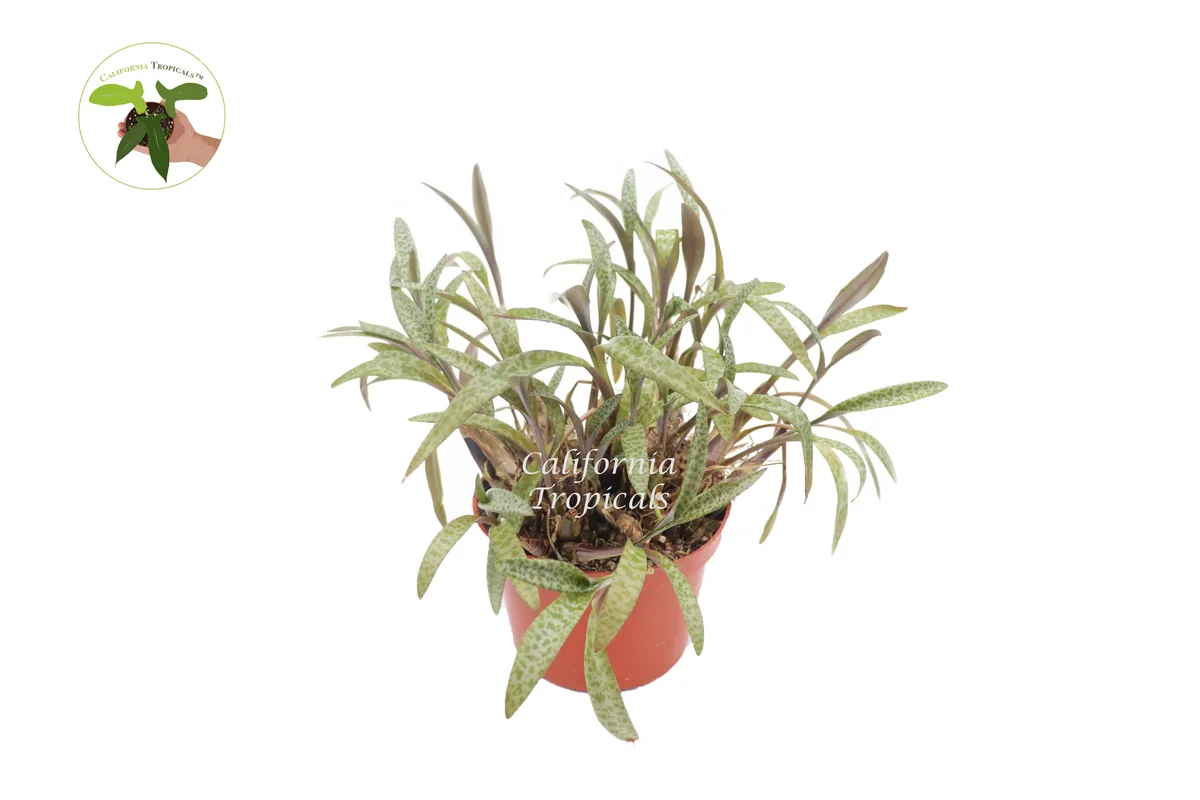
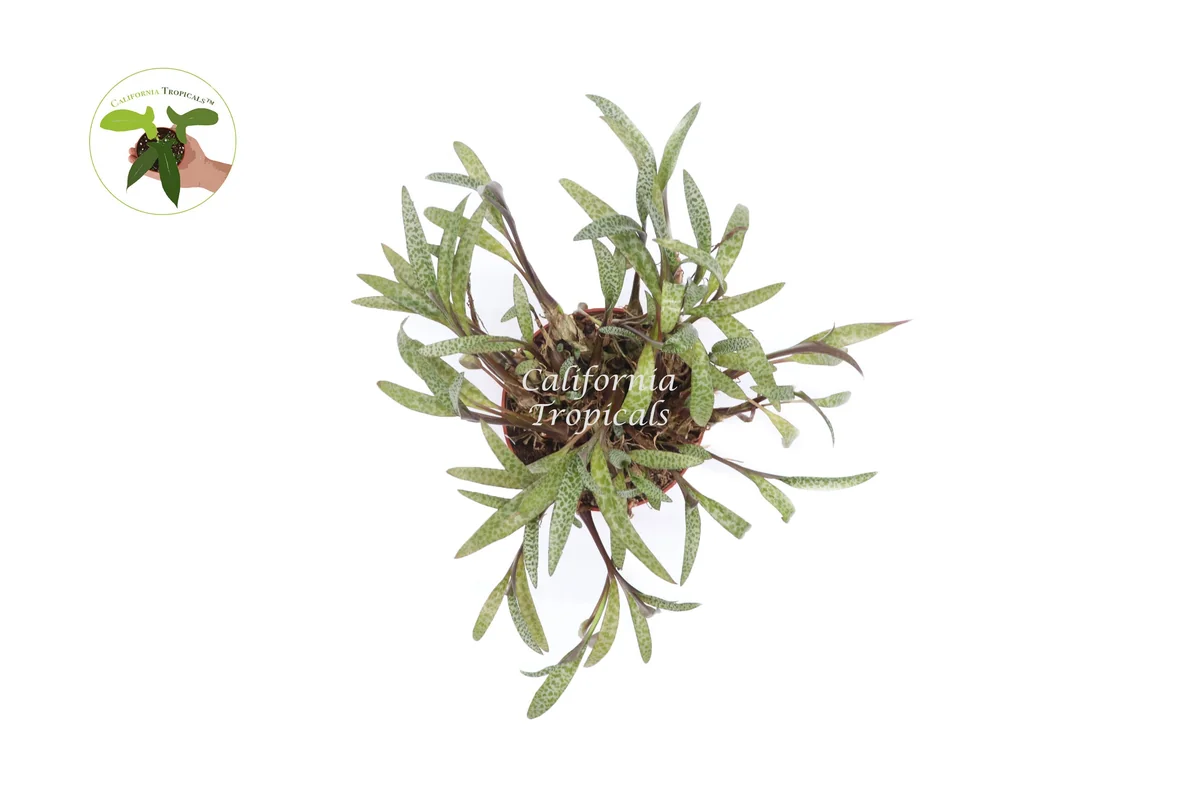
Bring home a captivating silver squill live plant (Ledebouria Socialis) for an exotic touch to your indoor garden. This silver squill houseplant is renowned for its distinctive silver-spotted leaves and ease of care, making it an ideal choice for both novice and experienced plant enthusiasts looking for a unique succulent plant.
Original price was: $83.96.$41.98Current price is: $41.98.

With our Alive & Thrive Guarantee, we’ve got your back for the first 30 days! If you have any concerns about your plants, just reach out to us. Our team is here to help answer your questions and guide you in selecting the best plants for your garden, climate, and unique preferences. We're excited to help you create the garden of your dreams!
Estimated arrival
Mar 31
Apr 05 - Apr 07
Apr 10 - Apr 14

Product Details
-
USDA Hardiness Zone
USDA zones 10-11 (outdoors) or year-round indoors -
Soil type
Well-draining succulent/cactus potting mix -
Sunlight Exposure
Bright indirect light -
Expected Planting Period
Year-round indoors
Overview
Introduce a touch of exotic beauty to your home with the silver squill live plant, scientifically known as Ledebouria Socialis. This fascinating succulent, also commonly referred to as Leopard Lily or Squill, is celebrated for its striking foliage. Each leaf boasts a unique pattern of silver-green with dark green spots, creating a mesmerizing display that instantly draws the eye. The compact growth habit of this silver squill houseplant makes it a perfect addition to shelves, desks, or windowsills, adding a splash of vibrant texture without occupying too much space. Originating from South Africa, the Ledebouria Socialis is a resilient and relatively low-maintenance plant, making it an excellent choice for those new to gardening or seeking an easy care indoor plant. Enjoy the subtle charm and distinctive appearance of this botanical gem.
The silver squill live plant is not just a pretty face; it’s also known for its hardiness and adaptability. Its bulbous base stores water, allowing it to tolerate periods of drought, which is a major advantage for busy plant parents. This makes it an ideal unique succulent plant for a variety of indoor environments. When purchasing a silver squill live plant, you are investing in a long-lasting and visually rewarding addition to your plant collection. Its unique appearance ensures it stands out amongst other common houseplants, providing a conversation starter and a source of natural beauty.
Key Benefits
The silver squill live plant offers numerous advantages beyond its aesthetic appeal, making it a highly desirable choice for indoor gardeners. Its unique characteristics contribute to a pleasant and low-stress plant ownership experience.
- Striking Ornamental Value: The distinctive silver and green spotted leaves provide year-round visual interest, adding a unique texture and color contrast to any indoor setting. It’s a true collector’s item among unique succulent plant varieties.
- Low Maintenance: This plant is incredibly forgiving, thriving on minimal attention. It’s perfect for beginners or those with busy schedules, solidifying its reputation as an easy care indoor plant.
- Drought Tolerant: Due to its succulent nature and bulb, the Silver Squill can withstand periods of neglect, requiring infrequent watering, which prevents common overwatering issues. This makes ledebouria socialis care straightforward.
- Compact Size: Its modest growth habit makes it suitable for small spaces, apartments, or office desks, allowing you to enjoy lush greenery without clutter.
- Air Purifying Qualities: Like many houseplants, the silver squill houseplant contributes to improved indoor air quality by filtering out common toxins.
- Pet-Friendly: While general caution is always advised with houseplants around pets, Ledebouria Socialis is generally considered non-toxic to cats and dogs, unlike many other common houseplants.
- Easy Propagation: This plant readily produces offsets, allowing you to easily propagate new plants and share them with friends, expanding your love for the silver squill live plant.
Plant Care & Growing Tips
Proper ledebouria socialis care is straightforward, ensuring your silver squill live plant thrives and continues to display its beautiful foliage. This easy care indoor plant requires attention to a few key environmental factors to reach its full potential. For optimal growth, provide bright, indirect light. A south or west-facing window with some sheer curtain protection would be ideal, as direct, harsh sunlight can scorch its delicate leaves. In lower light conditions, the vibrant silver markings may become less pronounced. Rotate your plant occasionally to ensure even growth and exposure to light on all sides.
When it comes to watering, less is often more for your silver squill houseplant. Allow the top inch or two of soil to dry out completely between waterings. Overwatering is the most common cause of issues for succulents, leading to root rot. During winter months, when the plant’s growth slows, reduce watering frequency significantly. The soil should be a well-draining potting mix, ideally formulated for succulents or cacti, to prevent waterlogging. A mix containing perlite or coarse sand will ensure excellent drainage. Repotting is generally needed only when the plant outgrows its container, typically every 2-3 years, or when you notice roots emerging from the drainage holes. Ensure the new pot is only slightly larger than the old one.
The silver squill live plant prefers average room temperatures, ideally between 60-80°F (15-27°C). It is not tolerant of frost, so ensure it is kept away from cold drafts or open windows in winter. Humidity requirements are low, making it well-suited for most indoor environments. Fertilize sparingly during the growing season (spring and summer) with a diluted balanced liquid fertilizer, about once a month. Avoid fertilizing in fall and winter. Pests are rarely an issue for this resilient plant, but occasionally mealybugs or spider mites may appear. Treat with neem oil or insecticidal soap if necessary. By following these simple ledebouria socialis care guidelines, you can enjoy a healthy and thriving silver squill live plant for many years.
Size & Details
This offering is for one silver squill live plant, Ledebouria Socialis, carefully cultivated and ready for its new home. The plant is shipped in a 6-inch nursery pot, providing a well-established root system and immediate ornamental appeal. The exact height and spread of each plant will vary naturally, but it typically reaches a mature height of 6-12 inches with a similar spread, creating a beautiful, compact clump. This silver squill houseplant is known for its moderate growth rate, gradually filling its pot with its unique foliage and developing small, bulbous bases that add to its charm. It will arrive as a healthy, thriving specimen, representative of the plant pictured, ensuring you receive a high-quality unique succulent plant.
Upon arrival, your silver squill live plant will be securely packaged to minimize stress during transit. It is shipped in its pot with soil, not bare-rooted, to ensure a smooth transition to your home. You can expect the plant to quickly acclimate to its new environment. The 6-inch pot size makes it an excellent starter plant, suitable for placement on a desk, shelf, or as part of a larger succulent arrangement. This size also provides ample room for initial growth before needing to be repotted. Enjoy the ease and beauty of adding this easy care indoor plant to your collection.
Frequently Asked Questions
- Q: How big does this silver squill live plant get? A: The silver squill live plant typically grows to a compact size, reaching about 6 to 12 inches in height and spread. Its modest dimensions make it perfect for smaller spaces and tabletops.
- Q: Is this an indoor or outdoor plant? A: While it can tolerate outdoor conditions in very warm climates (USDA zones 10-11), the silver squill houseplant is primarily grown as an indoor plant in most regions due to its sensitivity to cold temperatures.
- Q: How much sunlight does my silver squill need? A: The silver squill live plant thrives in bright, indirect light. Avoid direct, harsh afternoon sun, which can scorch its leaves. A spot near an east or north-facing window is often ideal.
- Q: Is this plant easy to care for? A: Yes, Ledebouria Socialis is considered an easy care indoor plant. Its succulent nature means it tolerates some neglect, making ledebouria socialis care simple for beginners and busy individuals.
- Q: What condition will the plant arrive in? A: Your silver squill live plant will arrive as a healthy, established plant in its 6-inch nursery pot, carefully packaged to ensure freshness and minimize shipping stress.
- Q: How often should I water my silver squill? A: Water thoroughly when the top inch or two of the soil feels dry to the touch. Reduce watering significantly during the cooler, dormant months to prevent root rot, which is crucial for this unique succulent plant.
- Q: Is the silver squill pet-safe? A: The silver squill live plant is generally considered non-toxic to cats and dogs, making it a safer choice for pet owners compared to many other houseplants. However, always monitor pets around new plants.
- Q: What kind of soil is best for ledebouria socialis care? A: A well-draining potting mix is essential for the silver squill live plant. A succulent or cactus mix, often containing perlite or sand, provides the drainage it needs.
- Q: Does this plant flower? A: Yes, the silver squill houseplant produces small, delicate green flowers on tall stalks, adding an extra layer of charm, typically in spring or summer.
- Q: How often should I fertilize my silver squill? A: Fertilize sparingly during the active growing season (spring and summer) with a diluted, balanced liquid fertilizer about once a month. Avoid fertilizing in fall and winter.
Related products
-25%
Original price was: $33.90.$25.42Current price is: $25.42.
-35%
Original price was: $29.80.$19.36Current price is: $19.36.
-25%
Original price was: $30.00.$22.50Current price is: $22.50.
-25%
Original price was: $23.00.$17.24Current price is: $17.24.
PLANTING & CARE

The Comprehensive Guide to Growing Bay Leaf Plants for a Flavorful Garden
Imagine stepping into your garden, greeted by the earthy aroma of fresh bay leaves, their
09
Feb
Feb

How to Make Comfrey Tea: The Ultimate Organic Plant Food
Growing an organic garden can be surprisingly expensive, especially when most store-bought fertilizers come in
02
Feb
Feb

True Comfrey: 7 Essential Tips Before You Plant This Herb
A staple in permaculture practices across the US, True Comfrey easily earns its reputation as
27
Jan
Jan

7 Heart-Shaped Plants for a Lasting Valentine’s Gift
If you’ve ever bought a bouquet of roses for Valentine’s Day, you know they are
26
Jan
Jan

Best Types of Ivy Plant for Houses: How to Choose the Perfect Ones for Your Home
Are you a garden lover looking to introduce some greenery into your home? Maybe you’ve
14
Nov
Nov

When to Harvest Garlic (Especially Fall-Planted Garlic)
TIMING IS EVERYTHING, they say – and for garlic, that truth hits with surprising accuracy.
13
Nov
Nov

11 of the Best Sweet Potato Varieties to Grow for Your Garden
If you’ve ever tried growing sweet potatoes, you know that picking the right variety can
12
Nov
Nov
Pruning Bougainvillea for Winter
Bougainvillea vines are known for their dazzling display of magenta, orange, and fuchsia bracts that
05
Nov
Nov