Staghorn Fern Live Plant – 2 inch Pot – Unique Indoor Houseplant
-50%
Staghorn Fern Live Plant – 2 inch Pot – Unique Indoor Houseplant
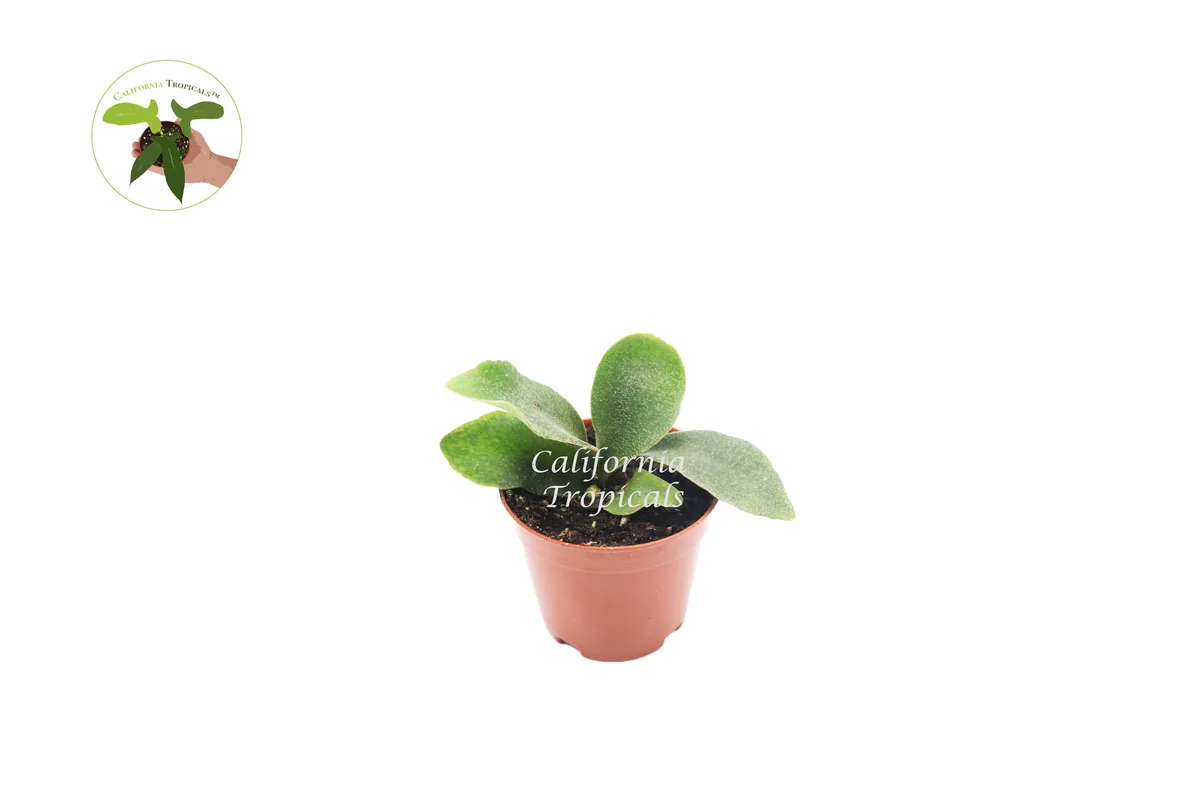
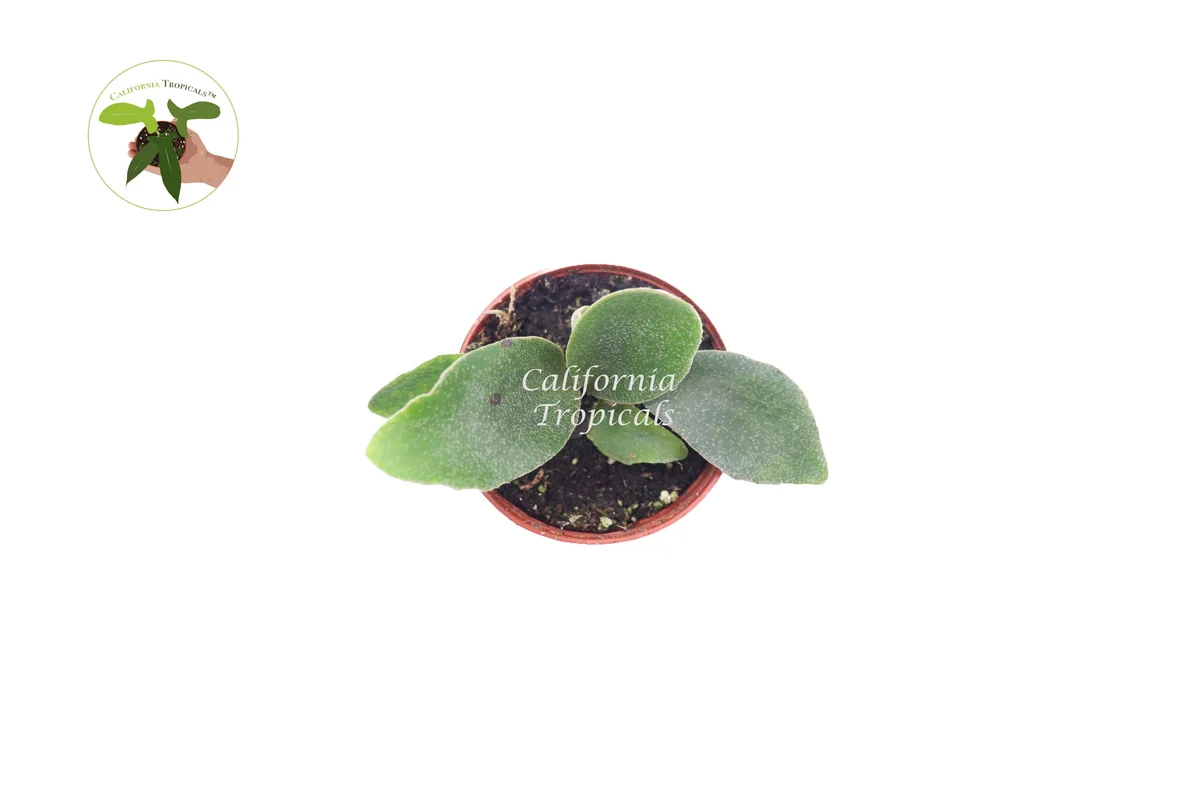
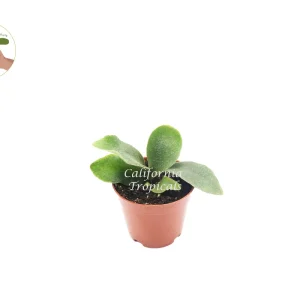
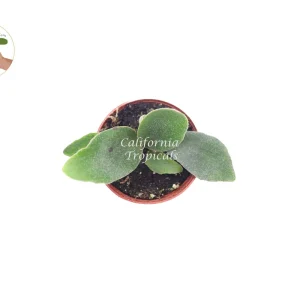
Bring exotic flair to your home with this beautiful staghorn fern live plant. Arriving in a 2-inch pot, this unique houseplant is known for its striking, antler-like fronds and air-purifying qualities. Easy to care for and perfect for adding a touch of nature indoors.
Original price was: $51.96.$25.98Current price is: $25.98.

With our Alive & Thrive Guarantee, we’ve got your back for the first 30 days! If you have any concerns about your plants, just reach out to us. Our team is here to help answer your questions and guide you in selecting the best plants for your garden, climate, and unique preferences. We're excited to help you create the garden of your dreams!
Estimated arrival
Mar 31
Apr 05 - Apr 07
Apr 10 - Apr 14
Product Details
-
USDA Hardiness Zone
USDA zones 9-11 (outdoors), typically grown indoors -
Soil type
Well-draining, airy potting mix (e.g., orchid mix) if potted; otherwise epiphytic -
Sunlight Exposure
Bright indirect light -
Expected Planting Period
Year-round indoors
Overview
Introduce a touch of the exotic to your indoor plant collection with the magnificent staghorn fern live plant. This unique botanical specimen, scientifically known as Platycerium bifurcatum, is celebrated for its distinctive fronds that resemble deer or elk antlers, giving it its common name. Our staghorn fern live plant arrives ready to thrive in a convenient 2-inch pot, making it an ideal choice for enthusiasts looking to add a captivating focal point to their home or office. Unlike many traditional ferns, the staghorn fern develops two types of fronds: sterile basal fronds that flatten against its mounting surface and fertile foliar fronds that grow outwards, displaying the iconic antler shape. This fascinating growth habit makes it a truly special addition to any collection of unique houseplants.
Originating from tropical and subtropical regions, the staghorn fern live plant is an epiphytic species, meaning it naturally grows on other plants or trees, absorbing nutrients and moisture from the air and rain. While it can be cultivated in pots, many choose to mount them on plaques or in hanging baskets to mimic their natural growth patterns. This particular specimen is a young, vigorous plant, perfect for growing into a stunning display. Its architectural form and lush green foliage create a dramatic visual impact, effortlessly enhancing interior decor. Whether you’re a seasoned plant collector or a beginner seeking an intriguing new green companion, the staghorn fern indoor plant offers both beauty and a rewarding growing experience.
Key Benefits
The staghorn fern live plant offers a multitude of benefits beyond its captivating appearance, making it a highly desirable addition to any indoor environment. Its unique form and growth habit contribute to a vibrant and dynamic living space.
- Striking Visual Appeal: The distinctive, antler-shaped fronds of the staghorn fern live plant create an immediate focal point, adding an artistic and natural element to any room. It’s a living piece of art that continuously evolves.
- Air Purification: Like many houseplants, the staghorn fern contributes to improved indoor air quality by absorbing common airborne toxins and releasing oxygen, promoting a healthier living environment.
- Low Maintenance: Despite its exotic appearance, the staghorn fern care requirements are relatively straightforward, making it suitable for both experienced gardeners and those new to houseplants.
- Versatile Display Options: This plant can be grown in pots, mounted on walls, or placed in hanging baskets, offering creative ways to integrate it into your home decor and showcase its unique form.
- Unique Conversation Starter: Its unusual appearance ensures it will be a talking point, inviting questions and admiration from guests and enhancing your reputation as a plant connoisseur.
- Tropical Ambiance: Instantly transforms any space into a tranquil, tropical oasis, creating a calming and refreshing atmosphere within your home.
- Adaptable Growth: While it prefers specific conditions, the platycerium bifurcatum is a resilient plant that, with proper attention, can adapt to various indoor settings.
Plant Care & Growing Tips
Proper staghorn fern care is essential to ensure your plant thrives and develops its impressive fronds. As an epiphytic plant, its needs differ slightly from terrestrial plants. It primarily absorbs moisture and nutrients through its fronds, so regular misting and occasional soaking are key. Provide your staghorn fern live plant with bright, indirect light. Direct sunlight can scorch its delicate fronds, while too little light can lead to stunted growth. An east or north-facing window is often ideal, or a spot a few feet away from a south or west-facing window. Rotate the plant periodically to ensure even growth and exposure to light.
When it comes to watering, rather than traditional soil watering, the most effective method for a staghorn fern indoor plant mounted on a plaque is to soak the entire root ball and basal fronds in a basin of water for 10-20 minutes every 1-2 weeks. If potted, water thoroughly when the top inch of potting mix feels dry. Allow excess water to drain completely to prevent root rot. High humidity is crucial for these tropical plants; daily misting or placing the plant near a humidifier will greatly benefit its health. The ideal temperature range is between 60-80°F (15-27°C). Avoid exposing your plant to temperatures below 50°F (10°C) or sudden cold drafts. Fertilize sparingly during the growing season (spring and summer) with a diluted liquid fertilizer, applying it to the fronds and root ball. Look for signs of yellowing fronds, which can indicate overwatering or nutrient deficiency, or browning tips, often a sign of low humidity.
For soil, if potting, use a very well-draining, airy mix, such as an orchid mix or a blend of peat moss, perlite, and bark. This prevents the roots from sitting in soggy conditions. The basal fronds, which are sterile and appear shield-like, should not be removed as they protect the root ball and collect debris for nutrients. These fronds naturally turn brown and dry with age, which is normal. The platycerium bifurcatum generally doesn’t require frequent repotting; instead, it can be mounted as it grows larger. Keep an eye out for pests like mealybugs or scale, which can be treated with insecticidal soap.
Size & Details
This offering is for a vibrant staghorn fern live plant, currently housed in a 2-inch nursery pot. At this young stage, the plant is compact and perfect for establishing in your desired display. The fronds will continue to grow and develop their characteristic antler shape, reaching lengths of up to 2-3 feet in ideal conditions over several years. The plant will be shipped in its pot, ensuring minimal disturbance to its root system and a smooth transition to its new home. Expect a moderate growth rate, with new fronds emerging throughout the growing season. This size is ideal for mounting onto a small plaque or placing in a decorative cachepot on a desk or shelf, allowing you to appreciate its development as it matures into a magnificent specimen. It represents a fantastic starting point for growing your own impressive unique houseplants.
Frequently Asked Questions
- Q: How big does this staghorn fern live plant get? A: This 2-inch potted plant is young, but with proper care, a mature staghorn fern live plant can develop fronds that reach lengths of 2-3 feet, creating a striking visual presence.
- Q: Is this an indoor or outdoor plant? A: The staghorn fern indoor plant is primarily grown indoors in most climates due to its tropical nature. It can be moved outdoors in warm, humid conditions during summer but must be brought inside before temperatures drop.
- Q: How much sunlight does a staghorn fern need? A: Staghorn ferns thrive in bright, indirect light. Avoid direct sunlight, which can burn the fronds. A location near an east or north-facing window is usually ideal.
- Q: Is this plant easy to care for? A: Yes, staghorn fern care is relatively straightforward once you understand its epiphytic nature. Consistent humidity and proper watering techniques, such as soaking, are key to its success.
- Q: What condition will it arrive in? A: Your staghorn fern live plant will be shipped in its 2-inch nursery pot, carefully packaged to ensure it arrives healthy and ready to thrive in your home.
- Q: How often should I water my staghorn fern? A: If mounted, soak the root ball and basal fronds for 10-20 minutes every 1-2 weeks. If potted, water when the top inch of the soil mix feels dry, ensuring proper drainage. Humidity is also very important.
- Q: Is the Platycerium bifurcatum pet-safe? A: The platycerium bifurcatum, or staghorn fern, is generally considered non-toxic to pets, making it a safe choice for homes with cats and dogs.
- Q: Can I mount this staghorn fern? A: Absolutely! While currently in a pot, this young staghorn fern live plant is an excellent candidate for mounting onto a wooden plaque or cork board as it grows, mimicking its natural habitat.
- Q: What kind of soil does a staghorn fern need? A: If you choose to keep it potted, a very well-draining, airy mix like an orchid potting mix or a blend of peat moss, perlite, and bark is ideal for the staghorn fern indoor plant.
- Q: Why are some fronds brown and dry? A: The basal fronds, which are large, shield-like fronds, naturally turn brown and dry with age. This is a normal part of the plant’s growth cycle and these should not be removed as they protect the root ball.
Related products
-30%
Original price was: $25.98.$18.18Current price is: $18.18.
-25%
Original price was: $20.90.$15.68Current price is: $15.68.
PLANTING & CARE

The Comprehensive Guide to Growing Bay Leaf Plants for a Flavorful Garden
Imagine stepping into your garden, greeted by the earthy aroma of fresh bay leaves, their
09
Feb
Feb

How to Make Comfrey Tea: The Ultimate Organic Plant Food
Growing an organic garden can be surprisingly expensive, especially when most store-bought fertilizers come in
02
Feb
Feb

True Comfrey: 7 Essential Tips Before You Plant This Herb
A staple in permaculture practices across the US, True Comfrey easily earns its reputation as
27
Jan
Jan

7 Heart-Shaped Plants for a Lasting Valentine’s Gift
If you’ve ever bought a bouquet of roses for Valentine’s Day, you know they are
26
Jan
Jan

Best Types of Ivy Plant for Houses: How to Choose the Perfect Ones for Your Home
Are you a garden lover looking to introduce some greenery into your home? Maybe you’ve
14
Nov
Nov

When to Harvest Garlic (Especially Fall-Planted Garlic)
TIMING IS EVERYTHING, they say – and for garlic, that truth hits with surprising accuracy.
13
Nov
Nov

11 of the Best Sweet Potato Varieties to Grow for Your Garden
If you’ve ever tried growing sweet potatoes, you know that picking the right variety can
12
Nov
Nov
Pruning Bougainvillea for Winter
Bougainvillea vines are known for their dazzling display of magenta, orange, and fuchsia bracts that
05
Nov
Nov