Aspidistra Elatior ‘Milky Way’ Live Plant – 2 inch Pot – Indoor
-50%
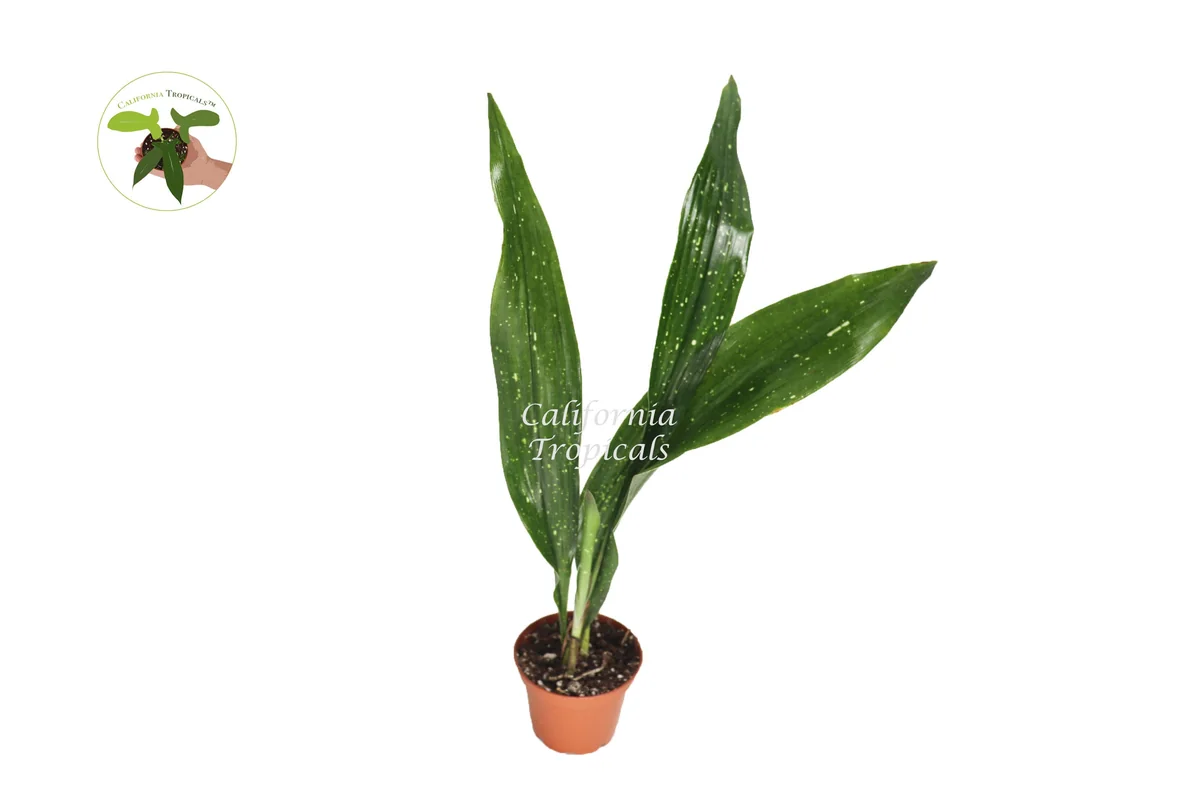
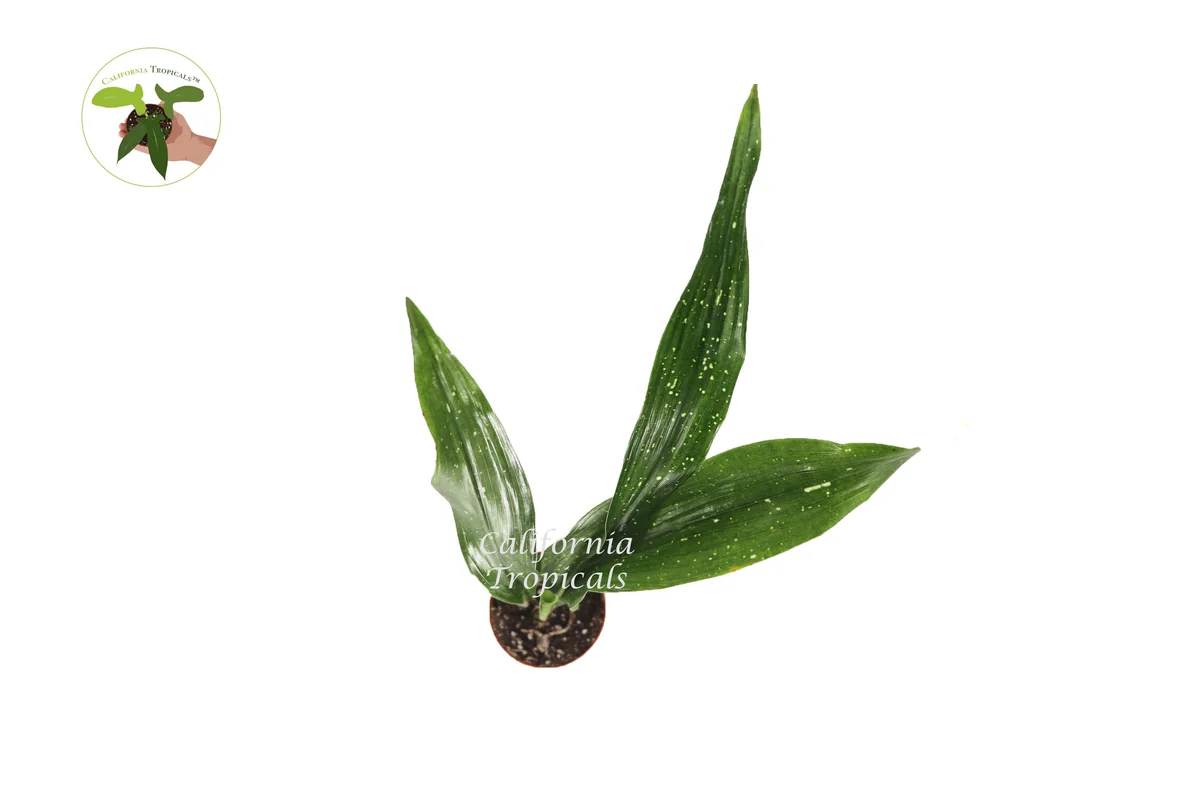
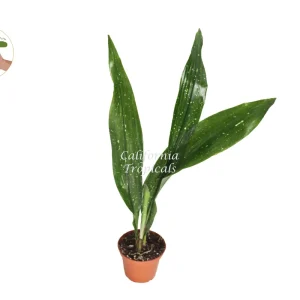
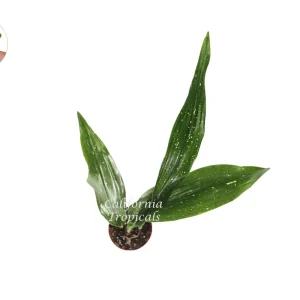
Aspidistra Elatior ‘Milky Way’ Live Plant – 2 inch Pot – Indoor
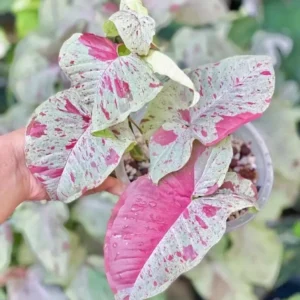
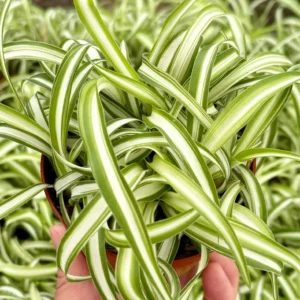
Introduce the captivating Aspidistra Elatior Milky Way to your home. This low light indoor plant is celebrated for its unique, star-like speckled foliage, offering a touch of natural elegance to any space. Known for its resilience, it’s an ideal choice for beginners and busy plant enthusiasts.
Original price was: $63.96.$31.98Current price is: $31.98.

With our Alive & Thrive Guarantee, we’ve got your back for the first 30 days! If you have any concerns about your plants, just reach out to us. Our team is here to help answer your questions and guide you in selecting the best plants for your garden, climate, and unique preferences. We're excited to help you create the garden of your dreams!
Estimated arrival
Mar 31
Apr 05 - Apr 07
Apr 10 - Apr 14

Product Details
-
USDA Hardiness Zone
USDA zones 7-11 (outdoors) or year-round indoors -
Soil type
Well-draining potting mix -
Sunlight Exposure
Low to medium indirect light -
Expected Planting Period
Year-round indoors
Overview
The Aspidistra Elatior Milky Way is a truly unique and robust houseplant, often referred to as the ‘Cast Iron Plant’ due to its incredible resilience and ability to thrive in less-than-ideal conditions. This particular variety, ‘Milky Way’, stands out with its striking dark green leaves heavily speckled with creamy white to yellow spots, resembling a starry night sky. Originating from the shaded forest floors of Asia, the Aspidistra Elatior Milky Way is perfectly adapted to low-light environments, making it an excellent choice for dimly lit rooms or offices where other plants might struggle. This live plant arrives ready to bring an exotic, yet understated, beauty to your indoor space, requiring minimal fuss for maximum impact. Its architectural form and distinctive pattern provide a sophisticated aesthetic that complements a wide range of interior designs.
Key Benefits
The Aspidistra Elatior Milky Way offers a multitude of benefits, making it a highly desirable addition to any plant collection. Its hardiness and striking appearance are just the beginning of its appeal:
- Exceptional Low-Light Tolerance: Unlike many houseplants that demand bright, indirect light, the Aspidistra Elatior Milky Way thrives in dimly lit corners, making it perfect for areas of your home or office that lack ample natural light. This resilience is a key benefit for those with challenging lighting conditions.
- Air Purification: Like many green plants, the ‘Milky Way’ contributes to a healthier indoor environment by naturally filtering airborne toxins, improving air quality in your living or working space.
- Low Maintenance: Often called the ‘Cast Iron Plant’ for a reason, this plant is incredibly forgiving. It tolerates infrequent watering and can bounce back from neglect, making it an ideal choice for busy individuals or novice plant parents. Learning effective cast iron plant care is surprisingly easy.
- Unique Aesthetic Appeal: The distinctive white speckles on its dark green leaves give it a sophisticated and eye-catching appearance, providing a unique texture and visual interest that can elevate any decor. This speckled foliage plant is a conversation starter.
- Long Lifespan: With proper, albeit minimal, care, the Aspidistra Elatior Milky Way can live for many years, becoming a long-term fixture in your indoor garden.
- Pest Resistant: This plant is generally less susceptible to common houseplant pests, reducing the need for constant monitoring and treatment.
- Versatile Placement: Its ability to adapt to various light levels and its compact growth habit make it suitable for a wide range of placements, from floor pots to tabletops, enhancing any room. Explore various Aspidistra Elatior varieties to find your perfect match.
Plant Care & Growing Tips
Caring for your Aspidistra Elatior Milky Way is straightforward, reinforcing its reputation as an easy-care houseplant. Understanding its basic needs will ensure it thrives and continues to display its beautiful speckled foliage plant characteristics.
Sunlight Requirements
This low light indoor plant prefers low to medium indirect light. Direct sunlight can scorch its leaves, causing unsightly brown spots. An east-facing window with filtered light or a north-facing window is ideal. It can even tolerate fluorescent lighting, making it suitable for offices or rooms without natural light. Too much light can fade the distinctive speckles, while too little light over a prolonged period might slow growth, but it will generally survive.
Watering Schedule and Soil Moisture Preferences
The ‘Milky Way’ is quite drought-tolerant. Allow the top 1-2 inches of soil to dry out completely between waterings. Overwatering is a common cause of issues, leading to root rot. During winter months, reduce watering frequency significantly. When you do water, water thoroughly until it drains from the bottom of the pot. Ensure the pot has good drainage holes.
Soil Type and Drainage Requirements
A well-draining potting mix is crucial for the health of your Aspidistra Elatior Milky Way. A standard indoor potting mix amended with perlite or coarse sand to improve drainage works well. The soil should be able to retain some moisture but never become waterlogged. Good drainage prevents root rot and supports healthy growth.
Temperature Range and USDA Hardiness Zone
This plant prefers average room temperatures between 60-75°F (15-24°C). Avoid sudden temperature fluctuations and cold drafts. While primarily an indoor plant, it can be grown outdoors in USDA hardiness zones 7-11, where it can tolerate temperatures down to about 10°F (-12°C) if protected. For outdoor cultivation, ensure it’s in a shaded area. Understanding cast iron plant care in different climates is key.
Fertilization Schedule and Type
The ‘Milky Way’ is not a heavy feeder. Fertilize sparingly during the growing season (spring and summer) with a balanced liquid houseplant fertilizer diluted to half strength. Avoid fertilizing in fall and winter when the plant’s growth slows down. Over-fertilization can lead to salt buildup in the soil, which can harm the plant.
Common Problems and Solutions
Yellowing leaves often indicate overwatering or poor drainage. Ensure the soil dries out between waterings. Brown leaf tips can be a sign of low humidity or underwatering. Increase humidity by misting or using a pebble tray. Pests are rare, but if they appear (like spider mites or mealybugs), treat with insecticidal soap. The robustness of Aspidistra Elatior varieties makes them quite resistant to many common issues.
Size & Details
This offering is for a vibrant Aspidistra Elatior Milky Way live plant, typically shipped in a 2-inch nursery pot. At this size, the plant is young but well-established, exhibiting its characteristic speckled foliage. It is expected to grow into a robust specimen, reaching heights of 2-3 feet (60-90 cm) over several years, with a similar spread, forming an attractive clump of upright leaves. The growth rate is moderate, allowing it to slowly fill its space without becoming unruly. It is shipped as a potted plant, ensuring minimal transplant shock and immediate readiness for display or repotting into a slightly larger decorative container. The leaves are typically 1-2 feet long (30-60 cm) at maturity. This low light indoor plant is a long-term investment in natural beauty.
Frequently Asked Questions
- Q: How big does this plant get? A: The Aspidistra Elatior Milky Way typically grows to a height of 2-3 feet (60-90 cm) and can spread similarly, forming a dense clump of foliage over several years. Its growth is moderate, making it manageable for indoor spaces.
- Q: What size pot does it come in? A: This particular plant is shipped in a 2-inch nursery pot, perfectly sized for its current stage of growth. You can transplant it into a slightly larger decorative pot upon arrival if desired.
- Q: Is this an indoor or outdoor plant? A: While primarily cherished as an indoor plant due to its preference for low light, the Aspidistra Elatior Milky Way can also thrive outdoors in shaded areas within USDA hardiness zones 7-11. It’s a versatile choice.
- Q: How much sunlight does it need? A: This plant is a true low light indoor plant. It prefers low to medium indirect light and should be protected from direct sunlight, which can scorch its leaves.
- Q: Is this plant easy to care for? A: Yes, the ‘Milky Way’ is renowned for its ease of care, earning it the nickname ‘Cast Iron Plant’. It tolerates neglect better than many other houseplants, making cast iron plant care simple for beginners.
- Q: What condition will it arrive in? A: Your Aspidistra Elatior Milky Way will arrive as a healthy, live plant, carefully packaged in its nursery pot to ensure it reaches you in excellent condition. We take great care in preparing plants for shipment.
- Q: Is it shipped in soil? A: Yes, the plant is shipped securely in its current soil and nursery pot, ensuring it remains hydrated and stable during transit, ready for its new home.
- Q: What’s the minimum temperature it can tolerate? A: Indoors, it prefers temperatures above 60°F (15°C). Outdoors, mature plants can withstand temperatures down to about 10°F (-12°C) in protected, shaded locations, aligning with its hardiness in USDA zones 7-11.
- Q: How often should I water my Aspidistra? A: Water only when the top 1-2 inches of soil have dried out completely. Overwatering is the biggest risk, so it’s better to err on the side of underwatering for this resilient plant.
- Q: What makes this variety unique among Aspidistra Elatior varieties? A: The ‘Milky Way’ variety is distinguished by its stunning dark green leaves heavily speckled with creamy white to yellow dots, giving it a unique, star-like appearance that sets it apart from traditional solid-green Aspidistras.
Related products
-25%
Original price was: $23.00.$17.24Current price is: $17.24.
-25%
Original price was: $30.00.$22.50Current price is: $22.50.
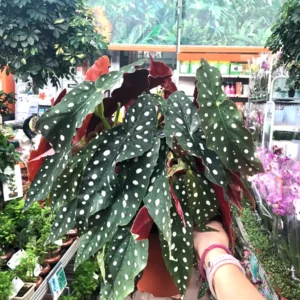
-30%
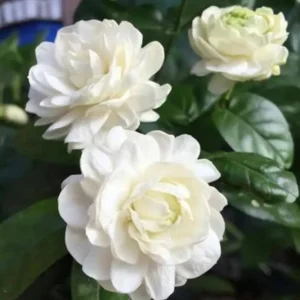
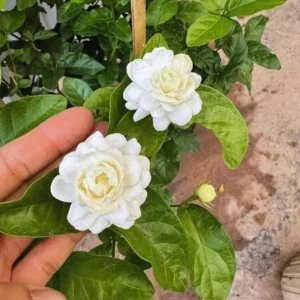
Original price was: $79.98.$55.98Current price is: $55.98.
-30%
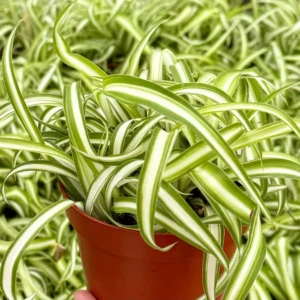
Original price was: $25.98.$18.18Current price is: $18.18.
PLANTING & CARE

Growing Glencoe Raspberry: A Complete Guide for Gardeners
If you’re looking to add something unique to your garden, look no further than the
31
Mar
Mar

The Comprehensive Guide to Growing Bay Leaf Plants for a Flavorful Garden
Imagine stepping into your garden, greeted by the earthy aroma of fresh bay leaves, their
09
Feb
Feb

How to Make Comfrey Tea: The Ultimate Organic Plant Food
Growing an organic garden can be surprisingly expensive, especially when most store-bought fertilizers come in
02
Feb
Feb

True Comfrey: 7 Essential Tips Before You Plant This Herb
A staple in permaculture practices across the US, True Comfrey easily earns its reputation as
27
Jan
Jan

7 Heart-Shaped Plants for a Lasting Valentine’s Gift
If you’ve ever bought a bouquet of roses for Valentine’s Day, you know they are
26
Jan
Jan

Best Types of Ivy Plant for Houses: How to Choose the Perfect Ones for Your Home
Are you a garden lover looking to introduce some greenery into your home? Maybe you’ve
14
Nov
Nov

When to Harvest Garlic (Especially Fall-Planted Garlic)
TIMING IS EVERYTHING, they say – and for garlic, that truth hits with surprising accuracy.
13
Nov
Nov

11 of the Best Sweet Potato Varieties to Grow for Your Garden
If you’ve ever tried growing sweet potatoes, you know that picking the right variety can
12
Nov
Nov