Arabica Coffee Plant – Live Potted Plant, 2 inch Pot, Indoor Coffee Tree
-50%
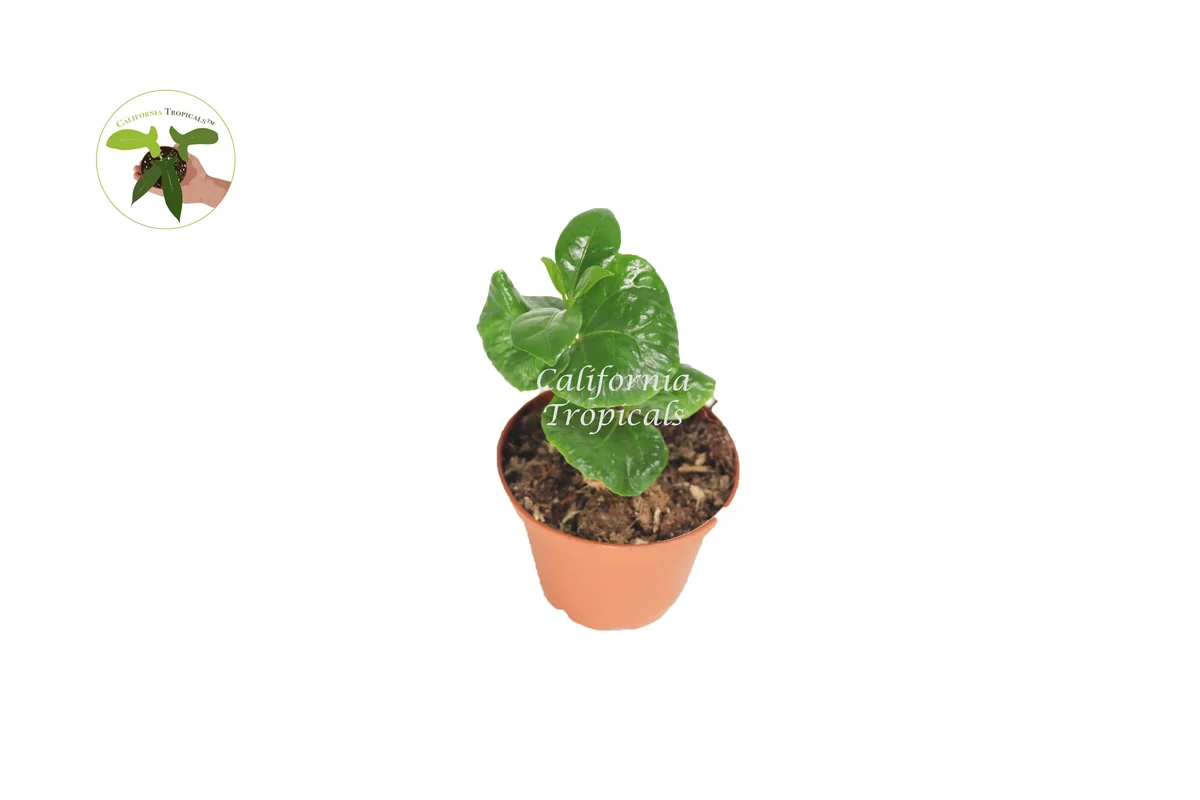
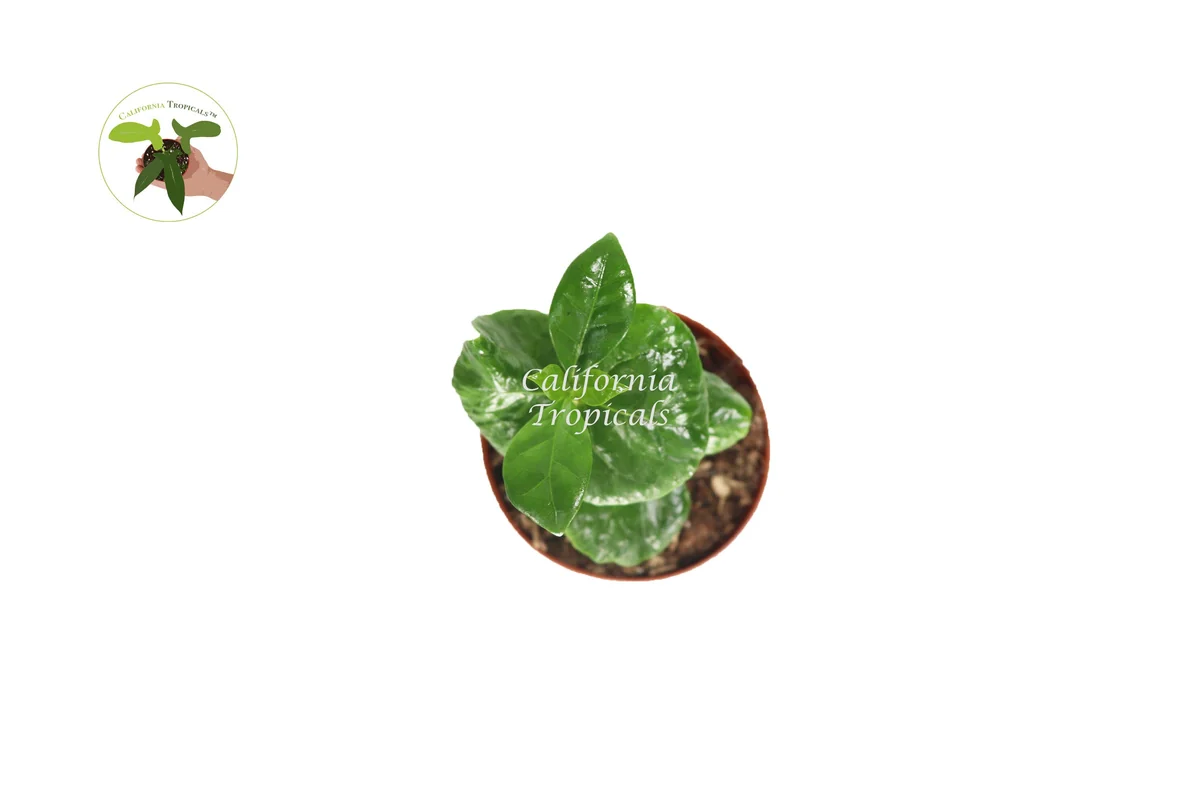
Arabica Coffee Plant – Live Potted Plant, 2 inch Pot, Indoor Coffee Tree
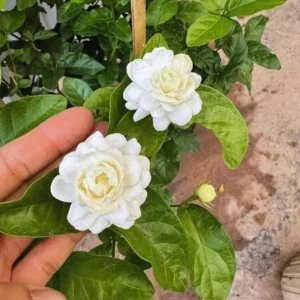
Cultivate your own coffee beans with this beautiful Arabica Coffee Plant. This 2-inch potted live plant is ideal for indoor growing, bringing a touch of the tropics and the potential for fresh coffee to your home. Enjoy lush green foliage and fragrant white flowers.
Original price was: $51.96.$25.98Current price is: $25.98.

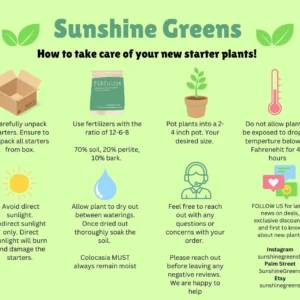
With our Alive & Thrive Guarantee, we’ve got your back for the first 30 days! If you have any concerns about your plants, just reach out to us. Our team is here to help answer your questions and guide you in selecting the best plants for your garden, climate, and unique preferences. We're excited to help you create the garden of your dreams!
Estimated arrival
Mar 31
Apr 05 - Apr 07
Apr 10 - Apr 14
Product Details
-
USDA Hardiness Zone
USDA zones 10-11 (or indoors) -
Soil type
Well-draining, slightly acidic potting mix -
Sunlight Exposure
Bright, indirect light -
Expected Planting Period
Year-round indoors
Overview
Embark on the rewarding journey of growing your own coffee with an Arabica Coffee Plant. This beautiful live plant, approximately 2 inches in pot size, is perfect for indoor cultivation, allowing you to experience the full lifecycle of coffee production right in your home. Originating from the highlands of Ethiopia, the Arabica coffee species (Coffea arabica) is renowned for producing high-quality, aromatic coffee beans, accounting for a significant portion of the world’s coffee supply. Bringing this tropical gem into your living space not only adds a lush, green aesthetic but also offers the unique opportunity to observe its growth, from delicate white blossoms to the eventual development of coffee cherries. It’s a fascinating and educational addition for any plant enthusiast or coffee lover looking to grow your own coffee.
The Arabica Coffee Plant is more than just a decorative houseplant; it’s a conversation starter and a living testament to the origins of your favorite morning brew. Its glossy, dark green leaves and compact growth habit make it an attractive feature in any room. As it matures, it will produce fragrant, star-shaped white flowers, which are self-pollinating and will eventually give way to small green berries that ripen to a vibrant red – these are the coffee cherries, each containing two coffee beans. This particular plant is a young specimen, shipped in its pot, ready for you to nurture and watch flourish. It represents the beginning of a potentially long and fruitful relationship with your own coffee source.
Key Benefits
Owning an Arabica Coffee Plant offers a unique blend of aesthetic appeal, educational value, and the potential for a delicious reward. It’s a truly special addition to any indoor garden.
- Aesthetic Appeal: The glossy, dark green leaves and compact form of the Arabica Coffee Plant make it a stunning decorative element. It adds a vibrant, tropical touch to any indoor space, enhancing your home’s natural ambiance.
- Educational Experience: Observe the complete lifecycle of coffee production from flower to fruit. It’s a fascinating way to learn about where coffee comes from and appreciate the effort involved in its cultivation.
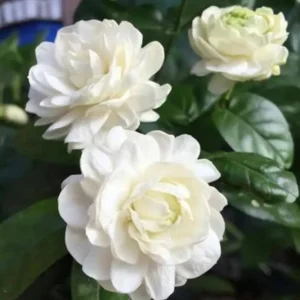
- Fragrant Blooms: While young plants may take some time to flower, mature live coffee plant specimens produce delicate, star-shaped white flowers with a sweet, jasmine-like fragrance that can subtly perfume a room.
- Potential for Homegrown Coffee: With proper care and patience, your plant can produce coffee cherries, allowing you to harvest, process, and roast your very own coffee beans. This is the ultimate reward for any coffee aficionado.
- Air Purification: Like many houseplants, the Arabica Coffee Plant contributes to a healthier indoor environment by naturally filtering airborne toxins and releasing oxygen, improving air quality.
- Unique Gift Idea: This plant makes an extraordinary and thoughtful gift for coffee lovers, gardeners, or anyone who appreciates unique and living decor. It offers an experience as well as a beautiful plant.
- Indoor Gardening Joy: For those who enjoy nurturing plants, this indoor coffee tree provides a fulfilling gardening experience, bringing a piece of the tropics into your home.
Plant Care & Growing Tips
Caring for your Arabica Coffee Plant requires attention to its specific needs, but with the right environment, it can thrive indoors. This tropical plant prefers conditions that mimic its natural rainforest habitat.
Sunlight Requirements: The Arabica Coffee Plant thrives in bright, indirect light. Place it near a window where it can receive plenty of ambient light but is shielded from harsh, direct afternoon sun, which can scorch its leaves. An east-facing window is often ideal, providing gentle morning sun. If natural light is limited, a grow light can supplement its needs, ensuring it gets 6-8 hours of adequate light daily.
Watering Schedule and Soil Moisture: Consistent moisture is key for a healthy live coffee plant. Water thoroughly when the top inch of soil feels dry to the touch. Ensure proper drainage to prevent waterlogging, which can lead to root rot. Do not let the soil dry out completely, but also avoid keeping it constantly soggy. Reduce watering slightly during the cooler, darker winter months. Humidity is also important; mist your plant regularly, especially if your home air is dry, or place it on a pebble tray with water.
Soil Type and Drainage: A well-draining, slightly acidic potting mix is best for your Arabica Coffee Plant. A mix designed for acid-loving plants or a general potting mix amended with perlite, peat moss, or coco coir will provide the necessary drainage and moisture retention. The pot should always have drainage holes to allow excess water to escape. Repotting should be done every 1-2 years, or when the plant becomes root-bound, moving it to a pot only slightly larger than the previous one.
Temperature Range and USDA Hardiness Zone: As a tropical plant, the indoor coffee tree prefers warm temperatures, ideally between 65-80°F (18-27°C). It is not frost-tolerant and should be protected from temperatures below 50°F (10°C). For outdoor growing, it is typically suited for USDA zones 10-11, but it is predominantly grown as an indoor houseplant in most of the US. Keep it away from cold drafts and sudden temperature fluctuations.
Fertilization Schedule and Type: During the growing season (spring and summer), feed your coffee plant care with a balanced liquid fertilizer every 2-4 weeks. Look for a fertilizer formulated for acid-loving plants or a general houseplant fertilizer diluted to half strength. Reduce or stop fertilizing during the fall and winter when the plant’s growth naturally slows down. Yellowing leaves can sometimes indicate a nutrient deficiency.
Common Problems and Solutions: Common issues include yellowing leaves (overwatering, nutrient deficiency), brown leaf tips (low humidity, underwatering, excessive fertilizer), and pests like spider mites or mealybugs. Address pests promptly with insecticidal soap or neem oil. Ensure good air circulation and appropriate humidity levels to prevent fungal issues. Consistent care and observation will help you maintain a healthy Arabica Coffee Plant.
Size & Details
This offering is for a young Arabica Coffee Plant, shipped as a live, potted specimen in a 2-inch nursery pot. At this stage, the plant is typically small, often ranging from 4 to 8 inches in height, with several healthy leaves. It is a starter plant, perfect for nurturing from a young age. While a live coffee plant can eventually grow into a small tree, reaching heights of 6-15 feet in its natural habitat, as an indoor potted plant, its growth will be more constrained, typically reaching 3-6 feet tall over many years with proper pruning. It has a moderate growth rate, gradually developing into a lush, attractive specimen. The plant will arrive in its original pot with soil, ensuring minimal shock during transit and making it ready for you to place in your desired location or repot into a slightly larger decorative container.
Expect to see steady growth with good care, with new leaves emerging regularly during the warmer months. Flowering and fruiting will occur as the plant matures, usually after 3-5 years, depending on growing conditions and care. This allows you ample time to learn coffee plant care and enjoy its ornamental beauty before it begins to produce cherries. The compact size of this 2-inch potted plant makes it ideal for windowsills, desks, or small spaces, allowing you to easily integrate this exotic beauty into your home decor. It’s a fantastic way to begin your journey to grow your own coffee.
Frequently Asked Questions
- Q: How big does this plant get? A: This Arabica Coffee Plant is shipped in a 2-inch pot. Indoors, with proper care, it typically grows to about 3-6 feet tall, though it can be kept smaller with regular pruning.
- Q: Is this an indoor or outdoor plant? A: While it can be grown outdoors in USDA zones 10-11, the Arabica Coffee Plant is primarily cultivated as an indoor houseplant in most climates due to its tropical nature.
- Q: How much sunlight does it need? A: Your live coffee plant prefers bright, indirect light. Avoid direct, harsh afternoon sun, which can burn its leaves. An east-facing window or a spot with filtered light is ideal.
- Q: Is this plant easy to care for? A: The Arabica Coffee Plant requires consistent care, particularly with watering and humidity. It’s considered moderately easy to care for, making it suitable for attentive beginners and experienced plant enthusiasts.
- Q: What condition will it arrive in? A: The plant will arrive as a healthy, live potted specimen in its 2-inch nursery pot, not bare-rooted, to ensure minimal stress during shipping.
- Q: Can I use the coffee beans from this plant? A: Yes, with patience and proper care, your plant can produce coffee cherries containing beans that can be harvested, processed, and roasted to grow your own coffee. This usually takes 3-5 years.
- Q: What’s the minimum temperature this plant can tolerate? A: As a tropical plant, the indoor coffee tree is sensitive to cold and should not be exposed to temperatures below 50°F (10°C). It thrives in warmer, humid conditions.
- Q: When is the best time to repot my coffee plant? A: It’s best to repot your Arabica Coffee Plant in spring or early summer when it’s actively growing. Only move it to a pot that is slightly larger than its current one.
- Q: What kind of soil is best for coffee plants? A: Use a well-draining, slightly acidic potting mix. Amending a standard potting mix with perlite or peat moss can improve drainage and acidity.
- Q: How often should I fertilize my coffee plant? A: During the spring and summer growing season, fertilize every 2-4 weeks with a balanced liquid fertilizer. Reduce or stop fertilizing in fall and winter.
Related products
-25%
Original price was: $23.80.$17.84Current price is: $17.84.
-25%
Original price was: $23.00.$17.24Current price is: $17.24.
-25%
Original price was: $16.80.$12.60Current price is: $12.60.
-25%
Original price was: $20.90.$15.68Current price is: $15.68.
-50%
Original price was: $39.98.$19.98Current price is: $19.98.
-5%
Original price was: $91.98.$87.38Current price is: $87.38.
-25%
Original price was: $20.90.$15.68Current price is: $15.68.
PLANTING & CARE

Growing Glencoe Raspberry: A Complete Guide for Gardeners
If you’re looking to add something unique to your garden, look no further than the
31
Mar
Mar

The Comprehensive Guide to Growing Bay Leaf Plants for a Flavorful Garden
Imagine stepping into your garden, greeted by the earthy aroma of fresh bay leaves, their
09
Feb
Feb

How to Make Comfrey Tea: The Ultimate Organic Plant Food
Growing an organic garden can be surprisingly expensive, especially when most store-bought fertilizers come in
02
Feb
Feb

True Comfrey: 7 Essential Tips Before You Plant This Herb
A staple in permaculture practices across the US, True Comfrey easily earns its reputation as
27
Jan
Jan

7 Heart-Shaped Plants for a Lasting Valentine’s Gift
If you’ve ever bought a bouquet of roses for Valentine’s Day, you know they are
26
Jan
Jan

Best Types of Ivy Plant for Houses: How to Choose the Perfect Ones for Your Home
Are you a garden lover looking to introduce some greenery into your home? Maybe you’ve
14
Nov
Nov

When to Harvest Garlic (Especially Fall-Planted Garlic)
TIMING IS EVERYTHING, they say – and for garlic, that truth hits with surprising accuracy.
13
Nov
Nov

11 of the Best Sweet Potato Varieties to Grow for Your Garden
If you’ve ever tried growing sweet potatoes, you know that picking the right variety can
12
Nov
Nov