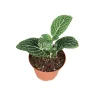
White Nerve Fittonia Live Plant – 2 inch Pot – Indoor Foliage
-50%
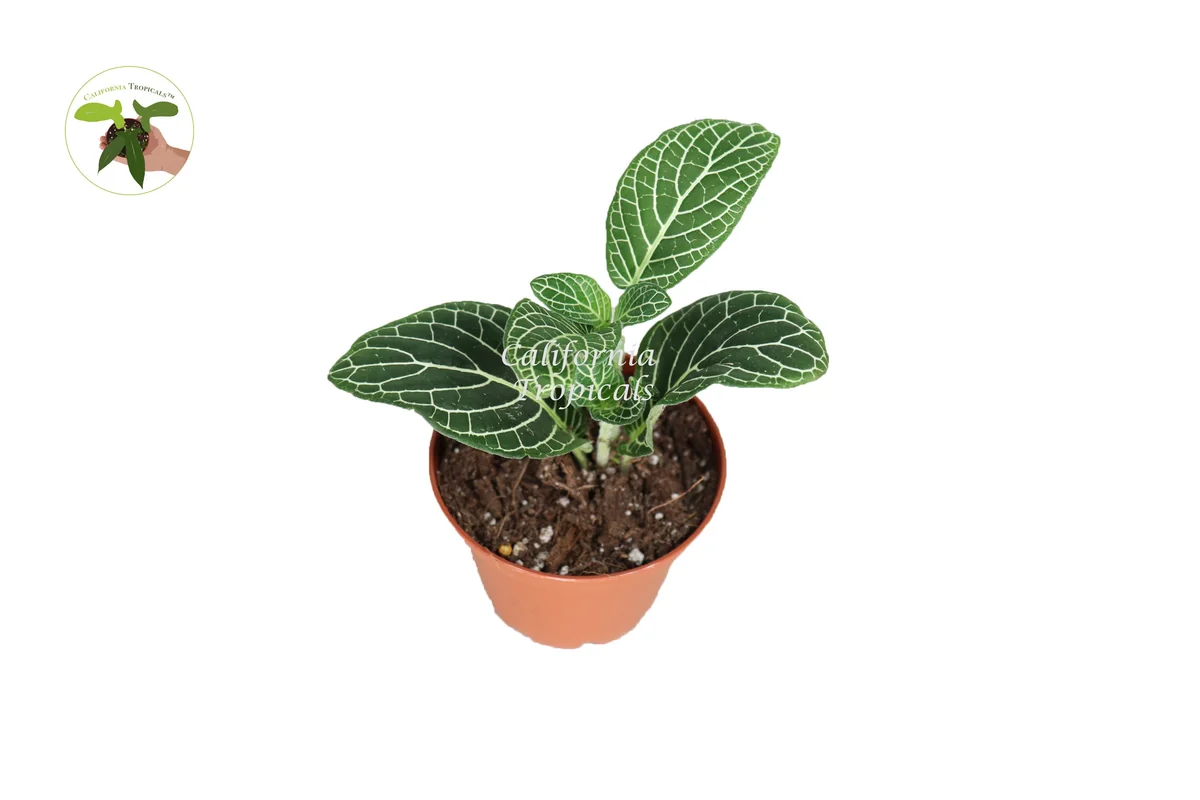
White Nerve Fittonia Live Plant – 2 inch Pot – Indoor Foliage
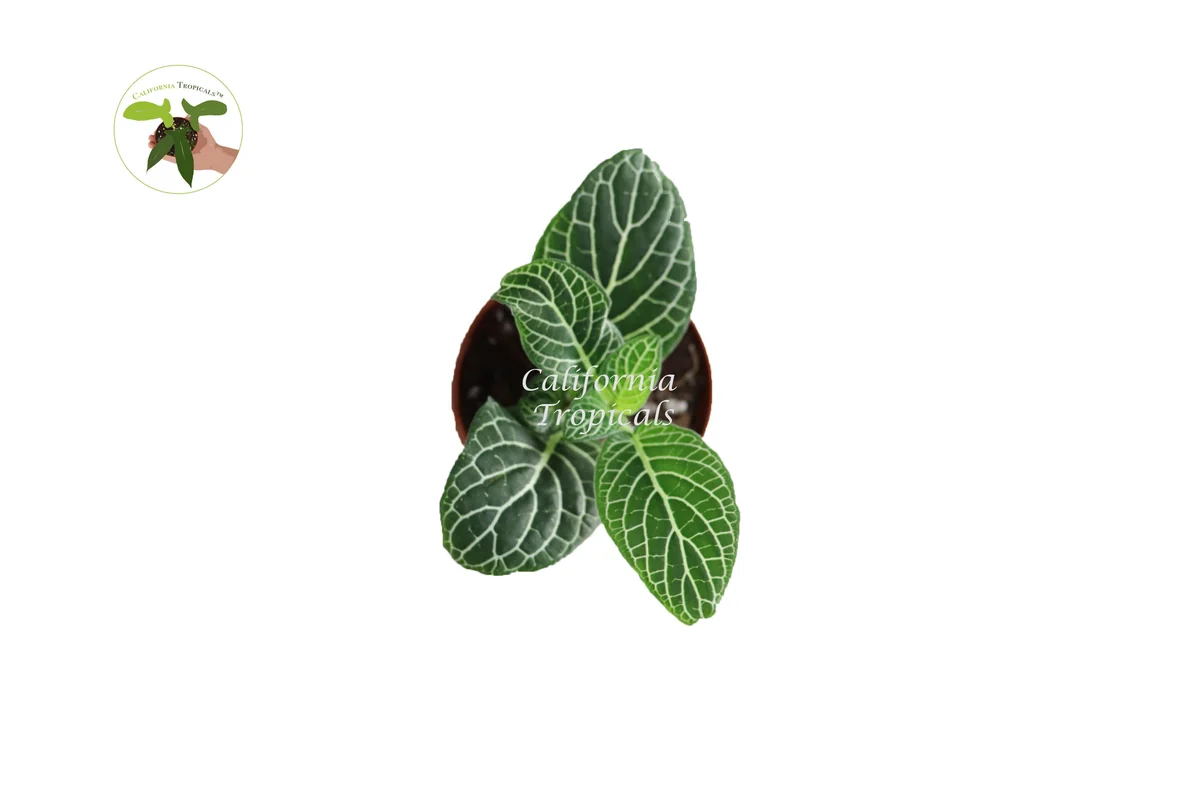
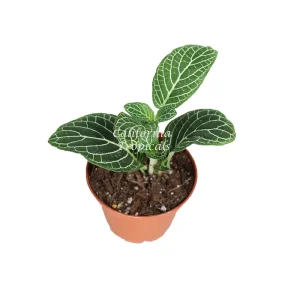
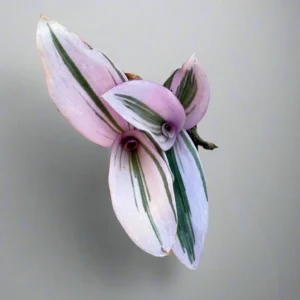
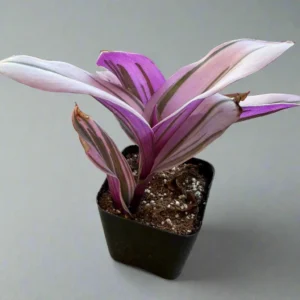
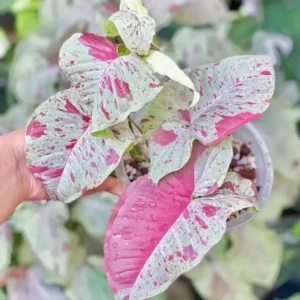
Discover the captivating beauty of the white nerve fittonia live plant, a stunning addition to any indoor plant collection. This 2-inch potted plant features intricate white veins on its vibrant green leaves, creating a striking mosaic effect. Ideal for terrariums or as a charming desk companion, this fittonia albivenis thrives in humid environments.
Original price was: $51.96.$25.98Current price is: $25.98.

With our Alive & Thrive Guarantee, we’ve got your back for the first 30 days! If you have any concerns about your plants, just reach out to us. Our team is here to help answer your questions and guide you in selecting the best plants for your garden, climate, and unique preferences. We're excited to help you create the garden of your dreams!
Estimated arrival
Apr 01
Apr 06 - Apr 08
Apr 11 - Apr 15




Product Details
-
USDA Hardiness Zone
unknown -
Soil type
Well-draining potting mix -
Sunlight Exposure
Bright indirect light -
Expected Planting Period
Year-round indoors
Overview
Introduce a splash of intricate beauty to your indoor space with the exquisite white nerve fittonia live plant. Also known as Fittonia albivenis, Nerve Plant, or Mosaic Plant, this stunning specimen is celebrated for its delicate, deeply veined foliage that creates a captivating pattern. Our 2-inch potted live plant arrives ready to display, bringing immediate cheer and natural elegance to your home or office. The ‘White Nerve’ variety specifically boasts bright white venation against a rich green background, making it a highly sought-after choice for plant enthusiasts. This compact houseplant is perfect for adding a touch of vibrant greenery to smaller spaces, terrariums, or as part of a larger indoor plant arrangement. Its unique appearance and manageable size make it a favorite among both novice and experienced plant parents looking for something truly special. The fittonia albivenis is a tropical plant, native to the rainforests of South America, and it thrives in conditions that mimic its natural habitat.
The charm of the white nerve fittonia live plant lies not only in its striking aesthetics but also in its relatively straightforward care requirements, especially when provided with adequate humidity. Its common name, ‘Nerve Plant,’ perfectly describes the prominent, contrasting veins that are the hallmark of this species. This particular offering is a healthy, established plant in a 2-inch nursery pot, ensuring it has a strong start in its new environment. Whether you’re looking to enhance your living room decor, create a miniature ecosystem in a terrarium, or simply enjoy the calming presence of nature indoors, this white fittonia indoor plant is an excellent choice. Its vibrant color and unique texture provide a fantastic focal point, making it a conversation starter and a source of daily joy.
Key Benefits
The white nerve fittonia live plant offers numerous advantages, making it a fantastic choice for indoor gardening. Its unique appearance and manageable size contribute to its widespread appeal, providing aesthetic and environmental benefits.
- Stunning Visual Appeal: The most prominent benefit is its striking foliage. The intricate white veins crisscrossing the deep green leaves create a beautiful, mosaic-like pattern that adds an exotic and sophisticated touch to any room. It’s a true standout among houseplants.
- Compact Size: Growing to a modest size, this 2-inch potted plant is perfect for small spaces such as desks, shelves, windowsills, or as part of a terrarium. Its compact growth habit means it won’t outgrow its space quickly, making it ideal for urban living.
- Air Purification: Like many houseplants, the fittonia albivenis contributes to a healthier indoor environment by naturally filtering airborne toxins and improving air quality. It helps create a fresher and more pleasant living space.
- Terrarium Favorite: Its love for high humidity and smaller stature make it a prime candidate for enclosed environments like terrariums and cloches. It thrives in these conditions, creating a lush, miniature ecosystem that is both beautiful and easy to maintain.
- Boosts Well-being: Studies show that having plants indoors can reduce stress, improve mood, and increase productivity. Caring for a beautiful nerve plant care plant like the White Nerve Fittonia can be a rewarding and therapeutic experience.
- Unique Gift Idea: Due to its distinctive look and manageable size, this white nerve fittonia makes an excellent and thoughtful gift for plant lovers, beginners, or anyone looking to add a touch of natural elegance to their home or office.
- Versatile Decor: Its vibrant colors and unique texture complement a wide range of interior design styles, from modern minimalist to bohemian. The white fittonia indoor plant effortlessly enhances any decor.
Plant Care & Growing Tips
Caring for your white nerve fittonia live plant involves understanding its tropical origins and providing conditions that mimic its natural rainforest habitat. The most crucial factor for successful nerve plant care is humidity. These plants thrive in high humidity, so regular misting, placing it near a humidifier, or keeping it in a pebble tray with water are excellent ways to keep it happy. Grouping it with other plants can also help create a microclimate with increased humidity. Without sufficient humidity, the leaf edges can become crispy and brown, and the plant may become leggy. Avoid placing it near drafts, heating vents, or air conditioning units, which can dry out the air too quickly.
When it comes to light, the fittonia albivenis prefers bright, indirect light. Direct sunlight can scorch its delicate leaves, causing them to fade or burn. An east-facing window is often ideal, providing gentle morning sun, or a spot a few feet away from a south or west-facing window. If the light is too low, the plant may become leggy, and its vibrant venation might not be as pronounced. Watering is also key; Fittonia plants are known for their dramatic wilting when thirsty, but they perk up quickly after a good soak. Water thoroughly when the top inch of soil feels dry to the touch, ensuring good drainage. Do not let the plant sit in standing water, as this can lead to root rot. Use a well-draining potting mix that retains some moisture, such as a peat-based mix with perlite.
The ideal temperature range for your mosaic plant white is between 65-80°F (18-27°C). Avoid temperatures below 60°F (15°C), as this tropical plant is sensitive to cold. Fertilize your Fittonia every 2-4 weeks during the growing season (spring and summer) with a balanced liquid fertilizer diluted to half strength. Reduce fertilization in fall and winter. Pruning can help maintain a bushy shape and encourage new growth. Simply pinch back leggy stems above a leaf node. Keep an eye out for common houseplant pests like spider mites or mealybugs, especially in dry conditions. Regular inspection and prompt treatment will keep your white fittonia indoor plant healthy and thriving.
Size & Details
This offering is for one healthy white nerve fittonia live plant, meticulously grown and established in a 2-inch nursery pot. The plant’s compact nature means it typically reaches a mature height of 3-6 inches and a spread of 6-12 inches, making it perfectly suited for tabletops, windowsills, and as a groundcover in larger terrariums. The plant will be shipped in its pot, ensuring minimal stress during transit and providing a strong foundation for continued growth in your home. Its growth rate is moderate, allowing you to enjoy its development without it quickly outgrowing its space. Expect to see its distinctive white-veined foliage develop beautifully over time, adding continuous visual interest.
While the exact dimensions of each individual plant may vary slightly, you can expect a robust specimen representative of the Fittonia albivenis ‘White Nerve’ variety. The 2-inch pot size is ideal for direct placement into a decorative planter or for transplanting into a slightly larger container once it has settled into its new environment. With proper nerve plant care, this small plant can become a vibrant and long-lasting feature in your indoor garden, providing lush foliage and a unique texture that stands out among other houseplants. It’s a charming addition that promises to bring a touch of the tropics right into your living space, growing into a beautiful, dense mound of striking leaves.
Frequently Asked Questions
- Q: How big will my 2-inch white nerve fittonia live plant get? A: Your white nerve fittonia live plant typically grows to about 3-6 inches tall and can spread up to 12 inches wide. Its compact size makes it ideal for small spaces and terrariums.
- Q: Is this an indoor or outdoor plant? A: The White Nerve Fittonia is primarily an indoor plant, especially in temperate climates. It thrives in warm, humid indoor environments, mimicking its tropical origins.
- Q: How much sunlight does the white nerve fittonia need? A: This fittonia albivenis prefers bright, indirect light. Direct sunlight can scorch its leaves, while too little light can cause it to become leggy and lose its vibrant coloration.
- Q: Is this plant easy to care for? A: While Fittonia is known for being a bit dramatic (it wilts when thirsty!), it’s relatively easy to care for once you understand its humidity and watering needs. Consistent moisture and high humidity are key to successful nerve plant care.
- Q: What condition will the plant arrive in? A: Your white nerve fittonia live plant will arrive established in its 2-inch nursery pot, carefully packaged to ensure it reaches you in excellent condition and ready for its new home.
- Q: When is the best time to repot this plant? A: It’s best to repot your mosaic plant white when it becomes root-bound, typically every 1-2 years, or when you see roots emerging from the drainage holes. Spring is generally the best time for repotting.
- Q: Can I use the white nerve fittonia in a terrarium? A: Yes, the white fittonia indoor plant is an excellent choice for terrariums due to its love for high humidity and compact growth habit. It will thrive in the enclosed environment.
- Q: What happens if the leaves start to curl or turn brown? A: Curling or browning leaves on your white nerve fittonia live plant usually indicate a lack of humidity or inconsistent watering. Increase humidity and ensure the soil remains consistently moist, but not waterlogged.
- Q: Is this plant pet-safe? A: Fittonia plants are generally considered non-toxic to cats and dogs, making them a safe choice for homes with pets. However, it’s always best to prevent pets from consuming plant material.
- Q: What kind of soil is best for the white nerve fittonia? A: A well-draining, peat-based potting mix is ideal for your fittonia albivenis. This type of soil retains moisture while providing good aeration for the roots.
Related products
-30%
Original price was: $129.98.$90.98Current price is: $90.98.
-50%
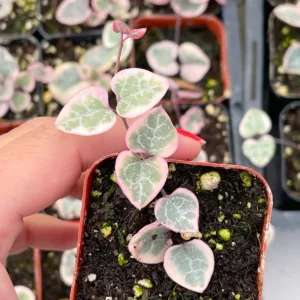
Original price was: $39.98.$19.98Current price is: $19.98.
-25%
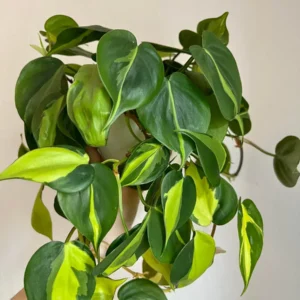
Original price was: $30.00.$22.50Current price is: $22.50.

-25%
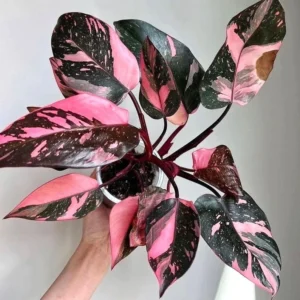
Original price was: $20.90.$15.68Current price is: $15.68.
-30%
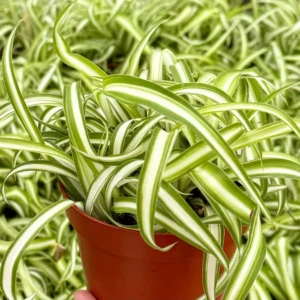
Original price was: $25.98.$18.18Current price is: $18.18.
PLANTING & CARE

Growing Glencoe Raspberry: A Complete Guide for Gardeners
If you’re looking to add something unique to your garden, look no further than the
31
Mar
Mar

The Comprehensive Guide to Growing Bay Leaf Plants for a Flavorful Garden
Imagine stepping into your garden, greeted by the earthy aroma of fresh bay leaves, their
09
Feb
Feb

How to Make Comfrey Tea: The Ultimate Organic Plant Food
Growing an organic garden can be surprisingly expensive, especially when most store-bought fertilizers come in
02
Feb
Feb

True Comfrey: 7 Essential Tips Before You Plant This Herb
A staple in permaculture practices across the US, True Comfrey easily earns its reputation as
27
Jan
Jan

7 Heart-Shaped Plants for a Lasting Valentine’s Gift
If you’ve ever bought a bouquet of roses for Valentine’s Day, you know they are
26
Jan
Jan

Best Types of Ivy Plant for Houses: How to Choose the Perfect Ones for Your Home
Are you a garden lover looking to introduce some greenery into your home? Maybe you’ve
14
Nov
Nov

When to Harvest Garlic (Especially Fall-Planted Garlic)
TIMING IS EVERYTHING, they say – and for garlic, that truth hits with surprising accuracy.
13
Nov
Nov

11 of the Best Sweet Potato Varieties to Grow for Your Garden
If you’ve ever tried growing sweet potatoes, you know that picking the right variety can
12
Nov
Nov