Dwarf Fiddle Leaf Fig Live Plant – 4 inch Pot – Indoor Houseplant
-50%
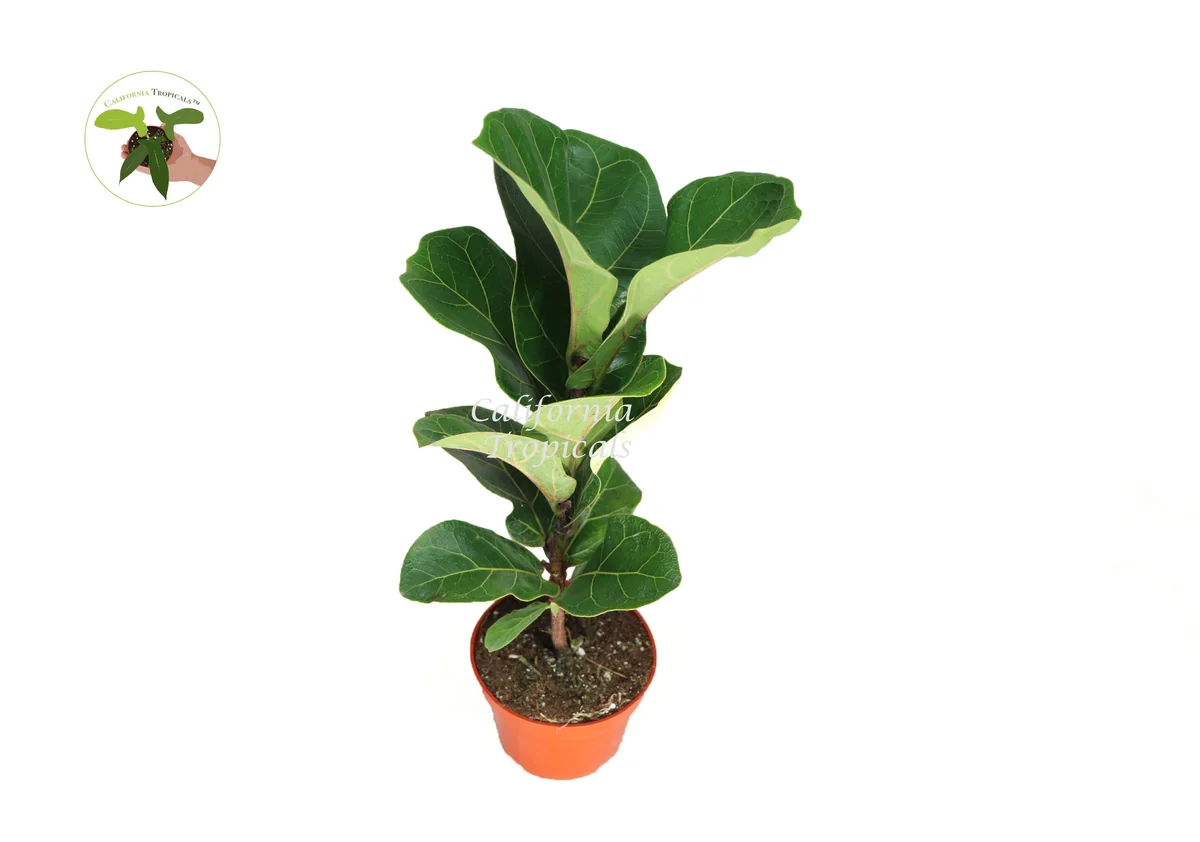
Dwarf Fiddle Leaf Fig Live Plant – 4 inch Pot – Indoor Houseplant
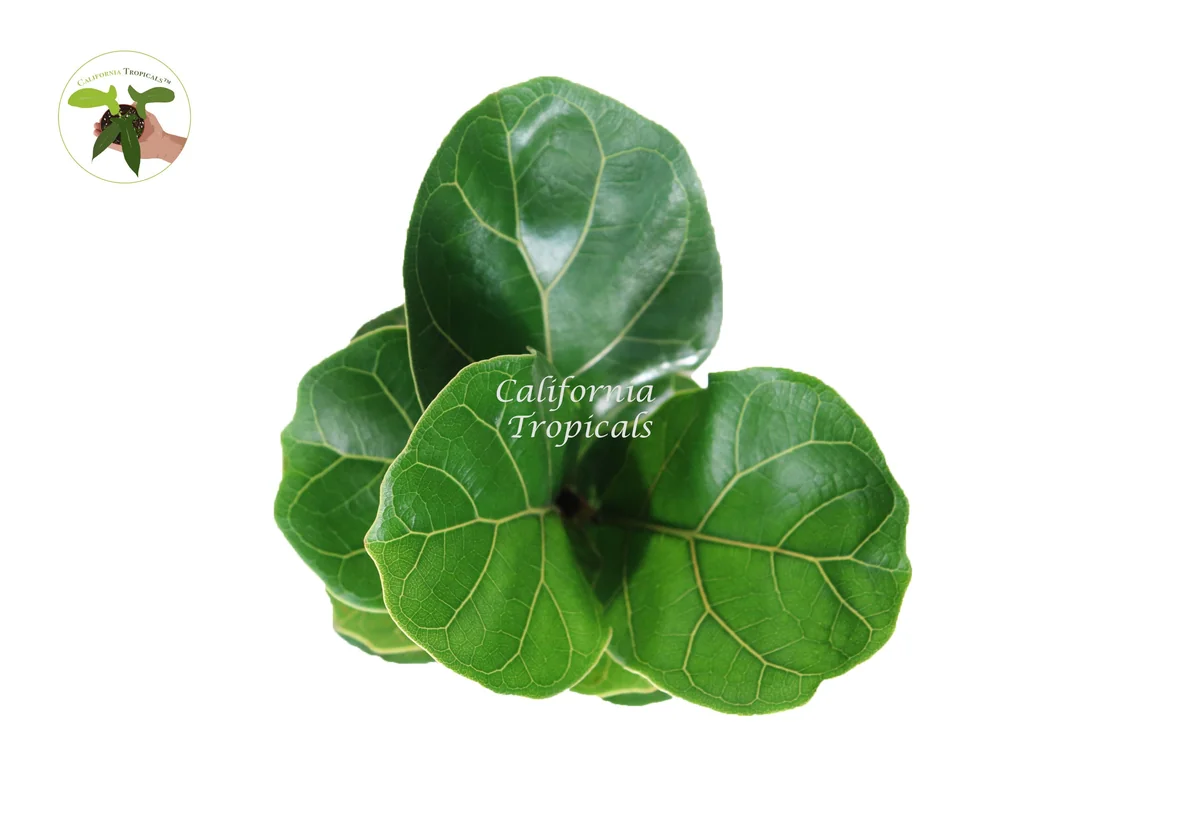
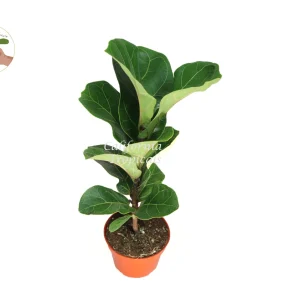
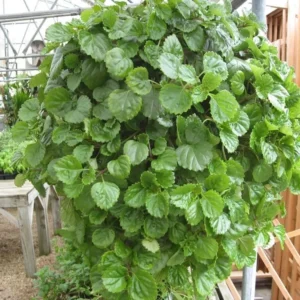
Bring a touch of the tropics indoors with the dwarf fiddle leaf fig, a charming and compact live plant. This 4-inch potted plant is ideal for desks, shelves, or small spaces, offering the classic beauty of its larger counterparts in a manageable size. Perfect for beginners, it adds lush greenery and a sophisticated appeal to any home environment.
Original price was: $75.96.$37.98Current price is: $37.98.

With our Alive & Thrive Guarantee, we’ve got your back for the first 30 days! If you have any concerns about your plants, just reach out to us. Our team is here to help answer your questions and guide you in selecting the best plants for your garden, climate, and unique preferences. We're excited to help you create the garden of your dreams!
Estimated arrival
Mar 26
Mar 31 - Apr 02
Apr 05 - Apr 09
Product Details
-
USDA Hardiness Zone
USDA zones 10-11 (outdoors), suitable for all zones indoors -
Soil type
Well-draining potting mix -
Sunlight Exposure
Bright, indirect light -
Expected Planting Period
Year-round indoors
Overview
Introduce a stylish and vibrant addition to your indoor plant collection with the dwarf fiddle leaf fig. This compact variety of the popular Ficus lyrata brings all the dramatic flair of its larger relatives into a more manageable size, making it perfect for homes and offices with limited space. Known for its distinctive, violin-shaped leaves, the dwarf fiddle leaf fig, often referred to as ‘Ficus lyrata Bambino’, offers a lush, tropical aesthetic without overwhelming your living area. Each plant is a live specimen, ready to thrive in its new environment. This particular offering is a healthy 4-inch potted plant, ideal for immediate display and enjoyment. Its robust foliage and upright growth habit make it a focal point in any room, enhancing decor with natural elegance. Whether you’re a seasoned plant enthusiast or a new green thumb, the dwarf fiddle leaf fig is a rewarding choice that provides continuous beauty.
The Ficus lyrata, commonly known as the Fiddle Leaf Fig, originates from the tropical rainforests of West Africa. The ‘Bambino’ cultivar, specifically, has been bred to retain the iconic leaf shape and texture while maintaining a smaller, bushier growth habit. This makes it an excellent choice for those who admire the grandeur of the traditional Fiddle Leaf Fig but require a more compact indoor tropical plant. This live plant is cultivated to ensure health and vigor, promising a long-lasting and beautiful botanical companion. Embrace the joy of nurturing this exquisite plant and watch it transform your indoor landscape with its unique charm.
Key Benefits
The dwarf fiddle leaf fig offers numerous advantages, making it a sought-after choice for indoor gardening. Its striking appearance and compact nature contribute significantly to its appeal and ease of integration into various decor styles. Cultivating this beautiful plant provides both aesthetic pleasure and a sense of accomplishment for plant lovers.
- Compact & Decorative Size: The ‘Bambino’ variety is specifically bred to remain small, typically growing up to 2-3 feet tall indoors. This makes it perfect for tabletops, shelves, and small apartments, allowing you to enjoy the iconic fiddle leaf shape without needing a large space.
- Air Purification: Like many houseplants, the dwarf fiddle leaf fig contributes to a healthier indoor environment by helping to filter out airborne toxins, promoting cleaner air quality in your home or office.
- Stylish Foliage: Its large, glossy, violin-shaped leaves are a significant decorative asset, adding a bold, architectural element to any interior design. The deep green color provides a rich contrast against lighter walls and furniture.
- Easy to Maintain: Despite its sophisticated look, the fiddle leaf fig care for the dwarf variety is relatively straightforward once its basic needs for light and water are met. It’s a forgiving plant that adapts well to consistent routines.
- Tropical Ambiance: Instantly transforms any room into a serene, tropical oasis, creating a calming and inviting atmosphere. The lush greenery brings a touch of nature indoors, enhancing well-being.
- Versatile Placement: Its moderate size allows for versatile placement options, from a focal point on a side table to an accent plant in a brightly lit corner. This small fiddle leaf fig fits seamlessly into various decor schemes.
- Long Lifespan: With proper care, a dwarf fiddle leaf fig can thrive for many years, becoming a long-term living decor piece that grows and evolves with your home.
Plant Care & Growing Tips
Providing the right environment is crucial for your dwarf fiddle leaf fig to flourish. This ficus lyrata bambino thrives with consistent care and attention to its specific needs regarding light, water, and humidity. Understanding these requirements will help ensure your plant remains healthy and vibrant, displaying its iconic foliage beautifully.
Sunlight Requirements: The dwarf fiddle leaf fig prefers bright, indirect light. Place it near a window where it can receive plenty of light but is shielded from harsh, direct afternoon sun, which can scorch its leaves. An east-facing window is often ideal, providing gentle morning sun. If your home lacks sufficient natural light, a grow light can supplement its needs, ensuring it gets 6-8 hours of adequate brightness daily. Rotate your plant every few weeks to ensure even growth and prevent it from leaning towards the light source.
Watering Schedule and Soil Moisture: Water your dwarf fiddle leaf fig when the top 2-3 inches of soil feel dry to the touch. It’s essential to water thoroughly until water drains from the bottom of the pot, then discard any excess water in the saucer to prevent root rot. Overwatering is a common issue, so always check soil moisture before watering again. During winter months, the plant’s water needs will decrease. Consistent watering is key; avoid letting the soil dry out completely for extended periods or keeping it constantly soggy. The best way to maintain healthy roots is to allow for slight drying between waterings.
Soil Type and Drainage Requirements: This plant thrives in a well-draining potting mix. A good quality indoor potting mix with added perlite or bark will ensure adequate aeration and drainage. The pot must have drainage holes to prevent waterlogging. Good drainage is paramount for the health of your ficus lyrata bambino. Aim for a slightly acidic to neutral soil pH (6.0-7.0).
Temperature Range and Humidity: Maintain consistent room temperatures between 65-75°F (18-24°C). Avoid sudden temperature fluctuations, cold drafts, or placing the plant near heating/cooling vents. As a tropical plant, the dwarf fiddle leaf fig appreciates high humidity. You can increase humidity by misting the leaves regularly, placing the pot on a pebble tray with water, or using a humidifier, especially in drier climates or during winter. This helps prevent crispy leaf edges and promotes overall plant vigor.
Fertilization Schedule and Type: Feed your small fiddle leaf fig with a balanced liquid fertilizer diluted to half strength every 2-4 weeks during the growing season (spring and summer). Reduce or cease fertilization during fall and winter when the plant’s growth slows down. A fertilizer formulated for houseplants or foliage plants is suitable. Always water the plant before fertilizing to prevent root burn.
Common Problems and Solutions: Yellowing leaves can indicate overwatering or nutrient deficiency. Dropping leaves might signal a change in environmental conditions, underwatering, or pest issues. Brown spots often point to insufficient humidity or inconsistent watering. Regularly inspect your plant for pests like spider mites or mealybugs and treat them promptly with insecticidal soap if detected. Providing consistent care and monitoring its environment will help you catch and address problems early, ensuring your dwarf fiddle leaf fig remains a healthy and beautiful indoor tropical plant.
Size & Details
This offering features a healthy dwarf fiddle leaf fig plant, grown in a 4-inch nursery pot. At the time of shipping, the plant typically stands approximately 8-12 inches tall, measured from the base of the pot to the top of the foliage. Its compact nature makes it an excellent choice for smaller spaces, with an expected mature indoor height of 2-3 feet, and a spread of about 1-2 feet, making it a true small fiddle leaf fig. The plant is shipped in its pot with soil, ensuring minimal transplant shock upon arrival. Its growth rate is moderate, allowing you to enjoy its development over time. With good fiddle leaf fig care, you can expect steady production of its iconic, large leaves, adding a lush, green presence to your indoor environment for many years. This plant is a perfect specimen for those looking to add a significant botanical statement without the commitment to a larger, more demanding plant.
Frequently Asked Questions
- Q: How big will my dwarf fiddle leaf fig get? A: Your dwarf fiddle leaf fig, also known as ‘Bambino’, is bred to stay compact. Indoors, it typically reaches a mature height of 2-3 feet and a spread of 1-2 feet, making it an ideal small fiddle leaf fig for various spaces.
- Q: Is this an indoor or outdoor plant? A: The dwarf fiddle leaf fig is primarily an indoor tropical plant in most climates. It can be moved outdoors in warm, humid conditions during summer but must be brought inside before temperatures drop below 50°F (10°C).
- Q: How much sunlight does it need? A: This plant thrives in bright, indirect light. Place it near an east-facing window or a few feet away from a south or west-facing window. Avoid direct, harsh afternoon sun, which can burn its leaves.
- Q: Is this plant easy to care for? A: While it has a reputation for being finicky, the dwarf fiddle leaf fig is relatively easy to care for once you understand its basic needs for consistent light, proper watering, and humidity. Consistency is key to successful fiddle leaf fig care.
- Q: What condition will it arrive in? A: Your plant will arrive as a healthy, live specimen, shipped in its 4-inch nursery pot with soil. We ensure careful packaging to protect it during transit, so it arrives ready to be enjoyed in your home.
- Q: How often should I water my ficus lyrata bambino? A: Water your ficus lyrata bambino when the top 2-3 inches of soil feel dry to the touch. Water thoroughly until it drains from the bottom, then empty any excess water from the saucer. Avoid overwatering.
- Q: Is the dwarf fiddle leaf fig pet-safe? A: No, like many Ficus species, the dwarf fiddle leaf fig is considered toxic to pets if ingested. The sap can cause irritation, so it’s best to keep it out of reach of curious animals.
- Q: What’s the best soil for this plant? A: A well-draining potting mix is essential. Look for a mix formulated for houseplants, often containing perlite or bark to ensure good aeration and prevent root rot.
- Q: How can I increase humidity for my dwarf fiddle leaf fig? A: You can increase humidity by misting the leaves regularly, placing the pot on a pebble tray filled with water (ensuring the pot doesn’t sit in the water), or using a room humidifier, especially during dry months.
- Q: When is the best time to fertilize? A: Fertilize your dwarf fiddle leaf fig during its active growing season, which is typically spring and summer. Use a balanced liquid fertilizer diluted to half strength every 2-4 weeks. Reduce or stop fertilizing in fall and winter.
Related products
-25%
Original price was: $30.00.$22.50Current price is: $22.50.


-30%
Original price was: $13.98.$9.78Current price is: $9.78.
-25%
Original price was: $33.90.$25.42Current price is: $25.42.
-30%
Original price was: $79.98.$55.98Current price is: $55.98.
-5%
Original price was: $91.98.$87.38Current price is: $87.38.
-25%
Original price was: $20.90.$15.68Current price is: $15.68.
PLANTING & CARE

The Comprehensive Guide to Growing Bay Leaf Plants for a Flavorful Garden
Imagine stepping into your garden, greeted by the earthy aroma of fresh bay leaves, their
09
Feb
Feb

How to Make Comfrey Tea: The Ultimate Organic Plant Food
Growing an organic garden can be surprisingly expensive, especially when most store-bought fertilizers come in
02
Feb
Feb

True Comfrey: 7 Essential Tips Before You Plant This Herb
A staple in permaculture practices across the US, True Comfrey easily earns its reputation as
27
Jan
Jan

7 Heart-Shaped Plants for a Lasting Valentine’s Gift
If you’ve ever bought a bouquet of roses for Valentine’s Day, you know they are
26
Jan
Jan

Best Types of Ivy Plant for Houses: How to Choose the Perfect Ones for Your Home
Are you a garden lover looking to introduce some greenery into your home? Maybe you’ve
14
Nov
Nov

When to Harvest Garlic (Especially Fall-Planted Garlic)
TIMING IS EVERYTHING, they say – and for garlic, that truth hits with surprising accuracy.
13
Nov
Nov

11 of the Best Sweet Potato Varieties to Grow for Your Garden
If you’ve ever tried growing sweet potatoes, you know that picking the right variety can
12
Nov
Nov
Pruning Bougainvillea for Winter
Bougainvillea vines are known for their dazzling display of magenta, orange, and fuchsia bracts that
05
Nov
Nov