Philodendron Red Back Live Plant – 6 inch Pot – Indoor Houseplant
-50%
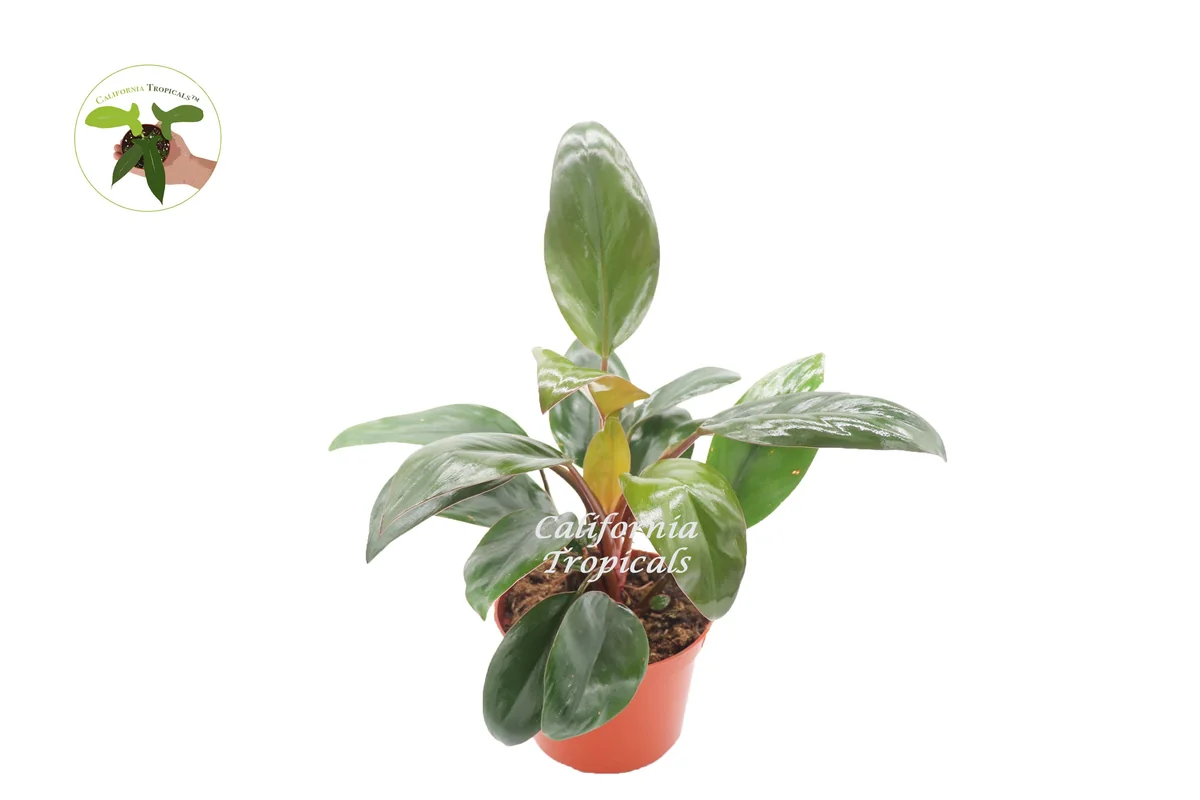
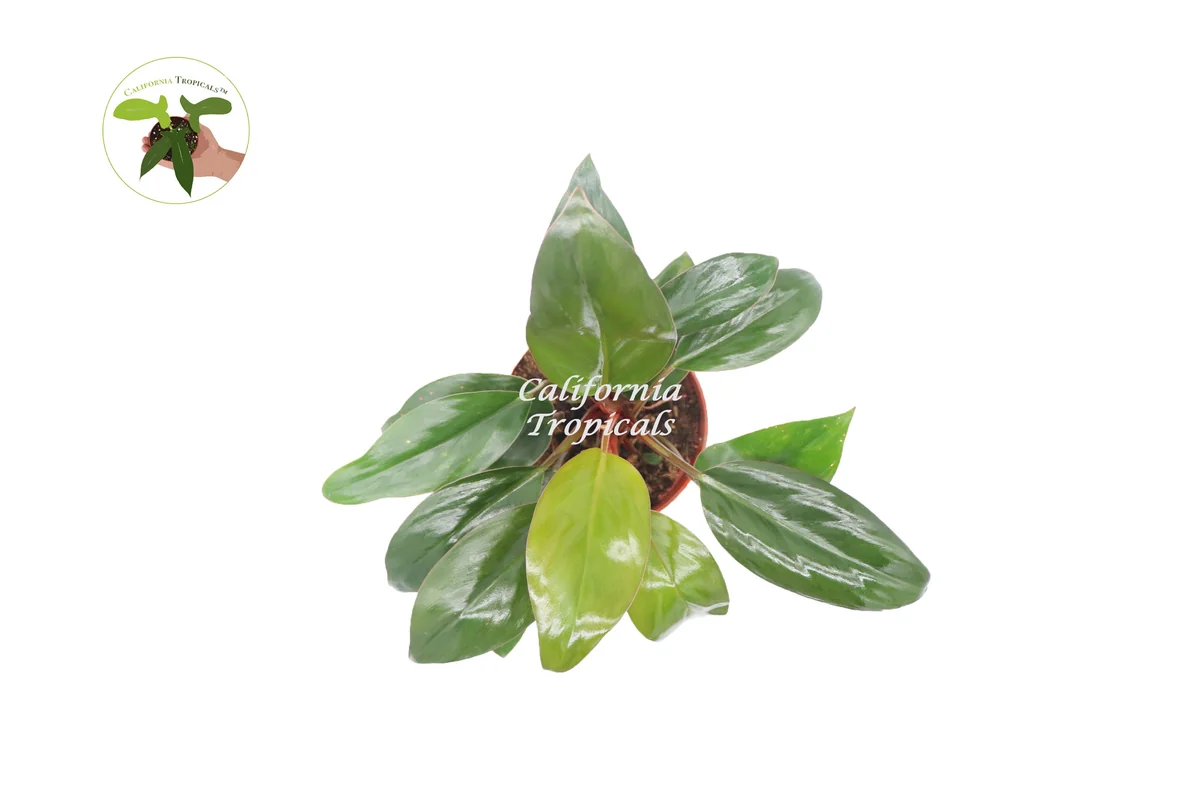
Philodendron Red Back Live Plant – 6 inch Pot – Indoor Houseplant
Bring home a beautiful philodendron red back live plant in a 6-inch pot. This striking red back philodendron indoor plant is known for its vibrant foliage and easy-care nature, making it an ideal choice for both new and experienced plant enthusiasts. Enhance your living space with this tropical philodendron red back houseplant.
Original price was: $83.96.$41.98Current price is: $41.98.

With our Alive & Thrive Guarantee, we’ve got your back for the first 30 days! If you have any concerns about your plants, just reach out to us. Our team is here to help answer your questions and guide you in selecting the best plants for your garden, climate, and unique preferences. We're excited to help you create the garden of your dreams!
Estimated arrival
Mar 31
Apr 05 - Apr 07
Apr 10 - Apr 14


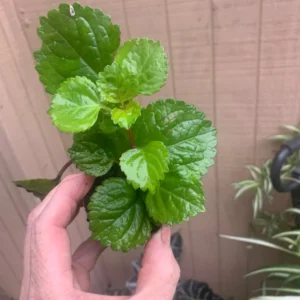
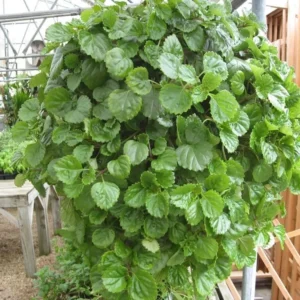
Product Details
-
USDA Hardiness Zone
USDA zones 10-11 (if grown outdoors) -
Soil type
Well-draining, airy potting mix -
Sunlight Exposure
Bright indirect light -
Expected Planting Period
Year-round indoors
Overview
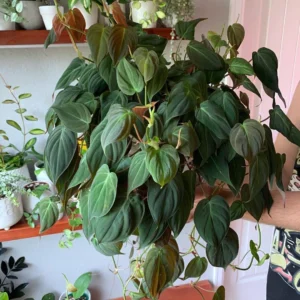
Elevate your indoor garden with the captivating philodendron red back live plant. This exquisite tropical foliage plant, often simply called the Red Back Philodendron, is celebrated for its stunning deep green leaves with a contrasting reddish-bronze or burgundy underside, offering a unique visual appeal. Originating from the rainforests, this variety of Philodendron brings a touch of exotic beauty and lushness to any room. Our philodendron red back live plant is carefully cultivated and delivered in a 6-inch nursery pot, ready to thrive in its new home. It’s a fantastic choice for anyone looking to add vibrant color and texture to their collection, providing an instant refresh to any interior design.
The Philodendron genus is vast and diverse, with many species prized for their ornamental value and relative ease of care. The red back philodendron indoor variant stands out for its distinctive coloration and elegant growth habit. It’s a vining type of philodendron, which means it can be allowed to trail gracefully from shelves or hanging baskets, or it can be trained to climb a moss pole for a more upright display. This adaptability makes it a versatile addition to various decor styles, from modern minimalist to bohemian jungle. When you buy philodendron red back, you’re investing in a plant that promises enduring beauty and a calming presence in your home environment.
Key Benefits
The philodendron red back live plant offers more than just aesthetic appeal; it brings several benefits to your home. Its vibrant foliage and unique coloring make it a focal point in any room, while its natural air-purifying qualities contribute to a healthier indoor environment. This plant is relatively low-maintenance, making it suitable for busy individuals or those new to plant care. The visual interest provided by the contrasting leaf colors ensures it stands out from other common houseplants.
- Stunning Foliage: The primary draw of the philodendron red back live plant is its rich green leaves with striking reddish-bronze undersides, providing a dynamic visual contrast that catches the eye. This unique coloration adds depth and character to your indoor plant collection.
- Air Purification: Like many philodendrons, this plant contributes to cleaner indoor air by absorbing common household toxins, promoting a fresher and healthier living space.
- Low Maintenance: The philodendron red back care routine is straightforward, requiring consistent watering and bright indirect light, making it an excellent choice for beginners and experienced plant parents alike.
- Versatile Decor: Its vining habit allows for flexible display options, whether as a trailing plant from a shelf, a hanging basket specimen, or trained to climb, adapting to various interior designs.
- Tropical Ambiance: Instantly creates a lush, tropical feel in any room, transforming ordinary spaces into vibrant, serene sanctuaries.
- Moderate Growth: This plant offers steady, manageable growth, allowing you to enjoy its development without it quickly outgrowing its designated space.
Plant Care & Growing Tips
Proper philodendron red back care is essential for maintaining its vibrant foliage and healthy growth. This tropical plant thrives in conditions that mimic its natural habitat. For optimal growth, provide bright, indirect light. Direct sunlight can scorch its leaves, leading to discoloration, while too little light can cause leggy growth and dull color. An east or north-facing window is often ideal, or a few feet away from a south or west-facing window with sheer curtains. Keep the plant away from cold drafts and sudden temperature fluctuations, as these can stress the plant and inhibit its growth.
Watering is a crucial aspect of caring for your red back philodendron indoor plant. Allow the top inch or two of the soil to dry out completely between waterings. Overwatering is a common mistake that can lead to root rot, so it’s better to slightly under-water than over-water. When you do water, water thoroughly until it drains from the bottom of the pot. Ensure your pot has drainage holes. During the growing season (spring and summer), fertilize every 2-4 weeks with a balanced liquid fertilizer diluted to half strength. Reduce feeding during the dormant winter months. The ideal temperature range for this philodendron red back houseplant is between 65-80°F (18-27°C). It also appreciates higher humidity, so consider misting regularly, especially in dry environments, or placing it near a humidifier.
The best soil for a philodendron red back live plant is a well-draining, airy potting mix. A mixture of peat moss, perlite, and pine bark is often recommended to ensure good drainage and aeration, preventing waterlogging. Repot your philodendron every 1-2 years, or when it becomes root-bound, moving it up to a pot that is only one size larger. Regularly inspect your plant for common pests like spider mites, mealybugs, and aphids, and treat them promptly with insecticidal soap or neem oil if found. Wiping the leaves gently with a damp cloth can help keep them clean and free of dust, allowing for better light absorption and photosynthesis.
Size & Details
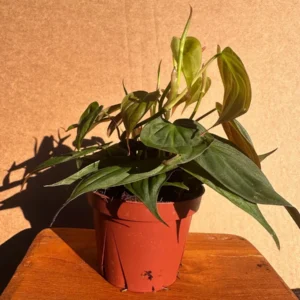
This philodendron red back live plant is delivered in a 6-inch nursery pot, providing a well-established root system and healthy foliage. At the time of shipment, the plant typically stands approximately 8-12 inches tall from the base of the pot, with a spread of about 6-10 inches, depending on individual growth. As a vining philodendron, its growth rate is moderate, and it can eventually produce vines several feet long if given proper support and conditions. It will arrive in its pot, ensuring minimal transplant shock and immediate integration into your home or office. This size is perfect for placement on shelves, desks, or as a vibrant addition to a plant stand, offering instant decorative appeal. Expect continuous growth with proper philodendron red back care, developing more leaves and extending its vining tendrils over time.
Frequently Asked Questions
- Q: How big does this philodendron red back live plant get? A: In ideal indoor conditions, the vines of this philodendron can grow several feet long. You can prune it to maintain a desired size and shape, or provide a moss pole for vertical growth.
- Q: What size pot does it come in? A: Each philodendron red back live plant is shipped in a standard 6-inch nursery pot, ready for you to place in your decorative planter or repot if desired.
- Q: Is this an indoor or outdoor plant? A: The red back philodendron indoor plant is primarily cultivated as an indoor houseplant in most climates due to its tropical nature. It can be moved outdoors in warm, humid conditions during summer, but must be brought inside before temperatures drop.
- Q: How much sunlight does it need? A: This plant thrives in bright, indirect light. Avoid direct sun exposure, which can burn its leaves, and ensure it’s not in a dimly lit area, which can hinder its vibrant coloration.
- Q: Is this plant easy to care for? A: Yes, the philodendron red back care requirements are considered moderate to easy. It’s a good choice for beginners as long as its basic needs for light, water, and humidity are met.
- Q: How often should I water my philodendron red back houseplant? A: Water when the top 1-2 inches of soil feel dry to the touch. This usually translates to once a week, but can vary based on humidity, light, and ambient temperature.
- Q: What kind of soil is best for it? A: A well-draining, airy potting mix is ideal, such as one containing peat moss, perlite, and pine bark. This helps prevent root rot and ensures good aeration.
- Q: Is the philodendron red back live plant pet-safe? A: No, like most philodendrons, this plant is toxic if ingested by pets or humans. Keep it out of reach of children and animals.
- Q: When is the best time to repot this plant? A: Repotting is best done in spring or early summer when the plant is actively growing. Repot every 1-2 years or when you notice roots growing out of the drainage holes.
- Q: Does it require high humidity? A: As a tropical plant, it appreciates higher humidity. You can increase humidity by misting, using a pebble tray, or placing it near a humidifier.
Related products
-25%
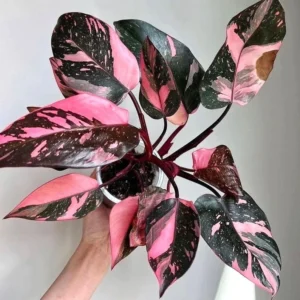
Original price was: $20.90.$15.68Current price is: $15.68.
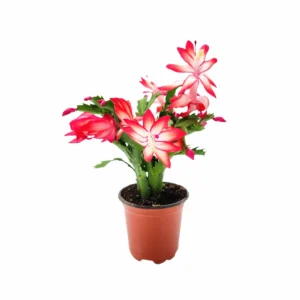
-25%
Original price was: $20.90.$15.68Current price is: $15.68.
-50%
Original price was: $39.98.$19.98Current price is: $19.98.
-35%
Original price was: $37.24.$24.20Current price is: $24.20.
PLANTING & CARE

The Comprehensive Guide to Growing Bay Leaf Plants for a Flavorful Garden
Imagine stepping into your garden, greeted by the earthy aroma of fresh bay leaves, their
09
Feb
Feb

How to Make Comfrey Tea: The Ultimate Organic Plant Food
Growing an organic garden can be surprisingly expensive, especially when most store-bought fertilizers come in
02
Feb
Feb

True Comfrey: 7 Essential Tips Before You Plant This Herb
A staple in permaculture practices across the US, True Comfrey easily earns its reputation as
27
Jan
Jan

7 Heart-Shaped Plants for a Lasting Valentine’s Gift
If you’ve ever bought a bouquet of roses for Valentine’s Day, you know they are
26
Jan
Jan

Best Types of Ivy Plant for Houses: How to Choose the Perfect Ones for Your Home
Are you a garden lover looking to introduce some greenery into your home? Maybe you’ve
14
Nov
Nov

When to Harvest Garlic (Especially Fall-Planted Garlic)
TIMING IS EVERYTHING, they say – and for garlic, that truth hits with surprising accuracy.
13
Nov
Nov

11 of the Best Sweet Potato Varieties to Grow for Your Garden
If you’ve ever tried growing sweet potatoes, you know that picking the right variety can
12
Nov
Nov
Pruning Bougainvillea for Winter
Bougainvillea vines are known for their dazzling display of magenta, orange, and fuchsia bracts that
05
Nov
Nov