Arabica Coffee Plant – 4 inch Potted Live Plant – Indoor Houseplant
-50%
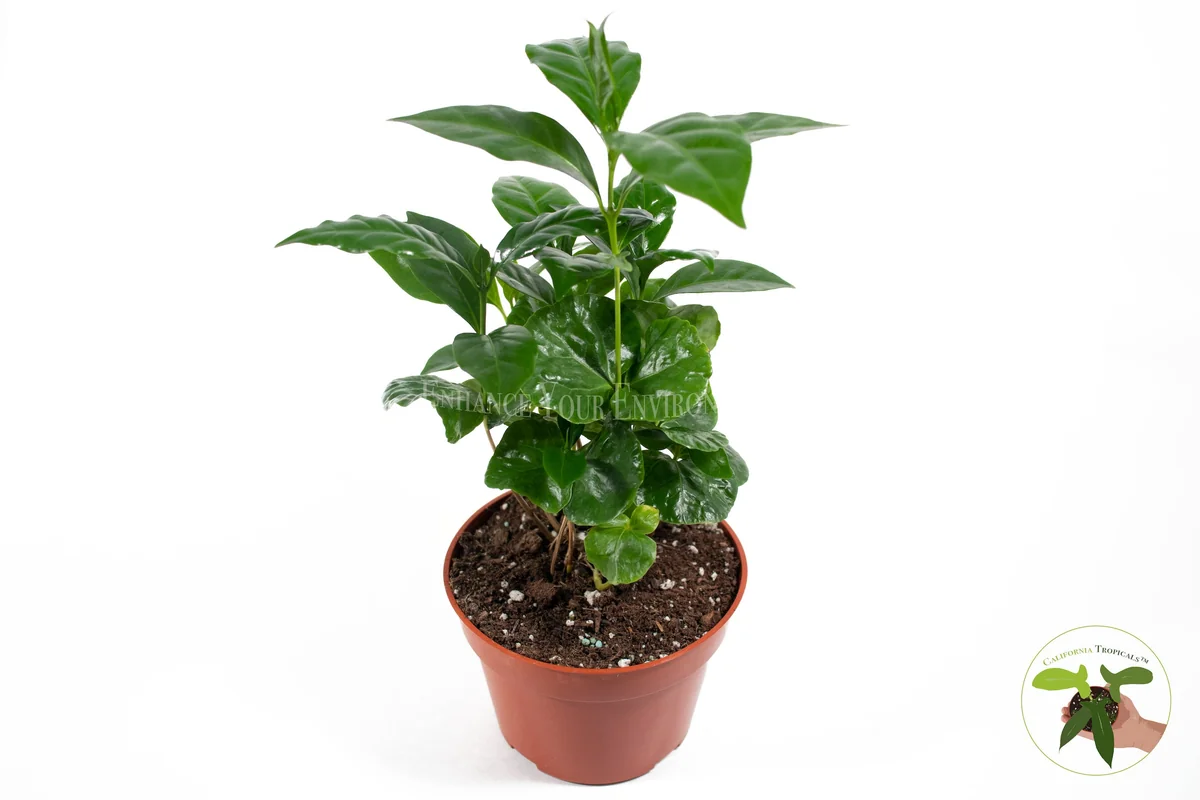
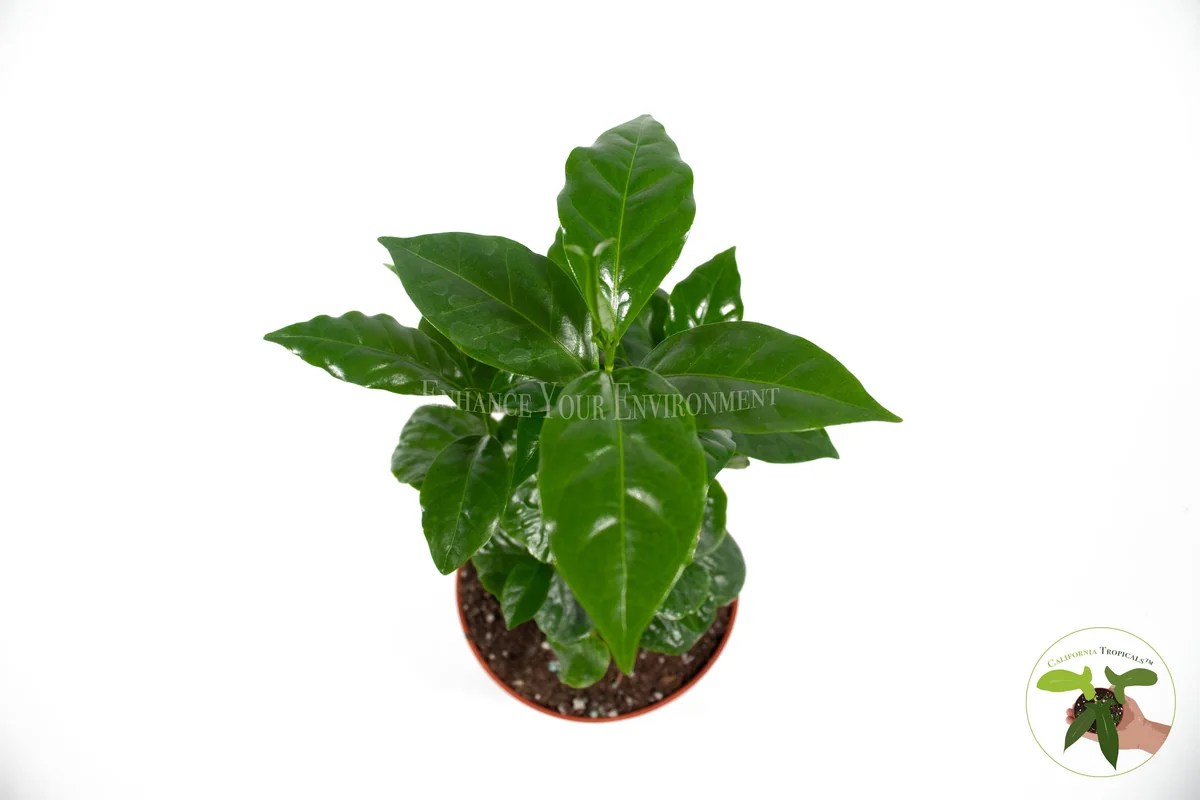
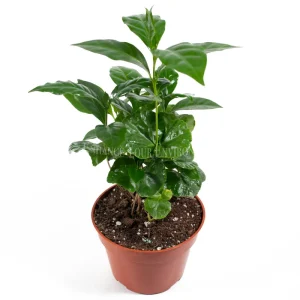
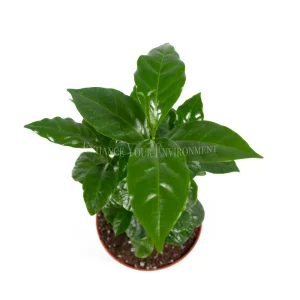
Arabica Coffee Plant – 4 inch Potted Live Plant – Indoor Houseplant
Cultivate your own coffee beans with this vibrant arabica coffee plant, a beautiful and rewarding 4-inch live houseplant. Perfect for adding a touch of tropical elegance to any indoor setting, thriving with proper care.
Original price was: $67.96.$33.98Current price is: $33.98.

With our Alive & Thrive Guarantee, we’ve got your back for the first 30 days! If you have any concerns about your plants, just reach out to us. Our team is here to help answer your questions and guide you in selecting the best plants for your garden, climate, and unique preferences. We're excited to help you create the garden of your dreams!
Estimated arrival
Mar 31
Apr 05 - Apr 07
Apr 10 - Apr 14
Product Details
-
USDA Hardiness Zone
USDA zones 10-11 (indoors elsewhere) -
Soil type
Well-draining, slightly acidic potting mix -
Sunlight Exposure
Bright, indirect light -
Expected Planting Period
Year-round indoors
Overview
Bring the exotic beauty of the tropics into your home with a stunning arabica coffee plant. This particular offering is a healthy, established 4-inch live plant, ready to thrive in your indoor environment. Known scientifically as Coffea arabica, this species is responsible for over 60% of the world’s coffee production, making it a truly unique and fascinating addition to any plant collection. Beyond its potential to produce coffee beans, the arabica coffee plant is prized for its glossy, dark green leaves and attractive compact growth habit. It makes an excellent conversation piece and a beautiful decorative element for desks, shelves, or windowsills. Growing your own coffee plant offers a rewarding experience, connecting you to the source of one of the world’s most beloved beverages.
Originating from the highlands of Ethiopia, the arabica coffee plant has adapted well to indoor conditions, provided it receives consistent care. It’s a relatively easy-to-grow houseplant that can bring a touch of the rainforest to even the most urban settings. Watching the plant mature, develop fragrant white flowers, and eventually produce small green berries that ripen into red ‘cherries’ is an incredibly satisfying journey for any plant enthusiast. This live plant comes potted, ensuring a smooth transition into its new home.
Key Benefits
Owning an arabica coffee plant offers a multitude of benefits, from aesthetic appeal to the joy of growing your own produce. It’s an engaging plant that provides both visual pleasure and the potential for a unique harvest.
- Decorative Appeal: With its lush, dark green foliage and compact size, the arabica coffee plant adds a sophisticated and natural touch to any interior decor, enhancing the ambiance of your living space or office.
- Air Purification: Like many houseplants, the coffee plant helps to improve indoor air quality by absorbing common airborne toxins and releasing fresh oxygen, contributing to a healthier environment.
- Potential for Homegrown Coffee: Given the right conditions and maturity, your plant can produce its own coffee cherries, allowing you the unique experience of harvesting and processing your own coffee beans.
- Engaging Growth Cycle: Observe the fascinating life cycle of the plant, from its vibrant green leaves to its delicate white flowers and the eventual development of coffee cherries. It’s a truly rewarding experience for plant lovers.
- Educational Value: Perfect for children and adults alike, growing an indoor coffee tree provides a hands-on lesson in botany, horticulture, and the journey of coffee from plant to cup.
- Stress Reduction: Tending to plants is a well-known method for reducing stress and promoting well-being, and caring for a beautiful coffee plant can be a calming and mindful activity.
- Compact Size: The 4-inch potted plant is ideally sized for windowsills, desks, or small tables, making it suitable for apartments or homes with limited space.
Plant Care & Growing Tips
To ensure your arabica coffee plant thrives, understanding its specific care requirements is crucial. These plants prefer conditions that mimic their native tropical highland environment. Providing consistent care will lead to a healthy and productive plant, and help you learn how to grow coffee successfully indoors.
For sunlight, the arabica coffee plant prefers bright, indirect light. An east-facing window is often ideal, providing morning sun without the harshness of direct afternoon rays. Too much direct sun can scorch the leaves, while too little light can hinder growth and fruit production. Rotate your plant periodically to ensure even growth. When it comes to watering, keep the soil consistently moist but never waterlogged. Allow the top inch of soil to dry out slightly between waterings, then water thoroughly until water drains from the bottom. Reduce watering slightly in winter. High humidity is also beneficial, so consider misting the leaves regularly or placing the pot on a pebble tray filled with water.
The ideal soil for an arabica coffee plant is a well-draining, slightly acidic potting mix rich in organic matter. A mix designed for acid-loving plants or a general houseplant mix amended with peat moss or perlite works well. Maintain consistent room temperatures, ideally between 65-75°F (18-24°C), and avoid sudden temperature fluctuations or cold drafts. These plants are typically suited for USDA zones 10-11 if grown outdoors, but thrive as houseplants in cooler climates. Fertilize every 2-4 weeks during the growing season (spring and summer) with a balanced liquid fertilizer diluted to half strength. Common issues include yellowing leaves (overwatering or nutrient deficiency), brown leaf tips (low humidity), and pests like spider mites, which can be managed with neem oil or insecticidal soap. Learning coffee plant care is straightforward with these guidelines.
Size & Details
This offering is for one healthy arabica coffee plant, potted in a 4-inch nursery container. At this stage, the plant typically measures approximately 6-10 inches tall from the base of the pot, with a compact and bushy growth habit. While initially small, with proper care, these plants can grow into attractive indoor shrubs, potentially reaching heights of 4-6 feet indoors over several years. The growth rate is moderate, allowing you to enjoy its development over time. Your plant will be shipped in its pot, ensuring minimal transplant shock and a smooth transition to your home. Expect glossy green leaves and a robust root system ready for continued growth. This size is perfect for starting your journey in learning how to grow coffee at home.
Frequently Asked Questions
- Q: How big does this arabica coffee plant get? A: This 4-inch potted plant is typically 6-10 inches tall upon arrival. With optimal indoor care, it can eventually grow into a small shrub, reaching heights of 4-6 feet over several years, though it can be pruned to maintain a desired size.
- Q: Is this an indoor or outdoor plant? A: While arabica coffee plants can grow outdoors in tropical climates (USDA zones 10-11), they are primarily grown as indoor houseplants in most regions of the US due to their sensitivity to cold temperatures.
- Q: How much sunlight does my coffee plant for home need? A: Your coffee plant thrives in bright, indirect light. Avoid direct, harsh afternoon sun which can scorch its leaves. An east-facing window or a spot a few feet away from a south or west-facing window is usually ideal.
- Q: Is this plant easy to care for? A: The arabica coffee plant is considered moderately easy to care for. It requires consistent watering, high humidity, and bright, indirect light, but is generally forgiving for new plant parents.
- Q: What condition will it arrive in? A: Your arabica coffee plant will arrive as a live, healthy plant, securely packaged in its 4-inch nursery pot with soil, ready to be placed in your home.
- Q: How long until it blooms or produces coffee cherries? A: Coffee plants typically begin to bloom and produce fruit when they are 3-5 years old. With good coffee plant care, you can look forward to fragrant white flowers and eventually coffee cherries.
- Q: What’s the minimum temperature this plant can tolerate? A: The arabica coffee plant is sensitive to cold. It prefers temperatures above 60°F (15°C) and should be protected from temperatures below 50°F (10°C) to prevent damage.
- Q: Is this coffee plant pet-safe? A: The coffee plant contains caffeine, which can be toxic to pets if ingested in large quantities. It’s best to keep the plant out of reach of curious pets.
- Q: What kind of soil is best for an indoor coffee tree? A: A well-draining, slightly acidic potting mix is ideal. You can use a standard houseplant mix amended with peat moss or perlite to improve drainage and acidity.
- Q: How do I ensure high humidity for my coffee plant? A: You can increase humidity by misting the leaves daily, using a pebble tray with water beneath the pot, or placing the plant near a humidifier. This is key to successful how to grow coffee indoors.
Related products
-30%
Original price was: $79.98.$55.98Current price is: $55.98.
-25%
Original price was: $30.00.$22.50Current price is: $22.50.
-30%
Original price was: $25.98.$18.18Current price is: $18.18.
PLANTING & CARE

The Comprehensive Guide to Growing Bay Leaf Plants for a Flavorful Garden
Imagine stepping into your garden, greeted by the earthy aroma of fresh bay leaves, their
09
Feb
Feb

How to Make Comfrey Tea: The Ultimate Organic Plant Food
Growing an organic garden can be surprisingly expensive, especially when most store-bought fertilizers come in
02
Feb
Feb

True Comfrey: 7 Essential Tips Before You Plant This Herb
A staple in permaculture practices across the US, True Comfrey easily earns its reputation as
27
Jan
Jan

7 Heart-Shaped Plants for a Lasting Valentine’s Gift
If you’ve ever bought a bouquet of roses for Valentine’s Day, you know they are
26
Jan
Jan

Best Types of Ivy Plant for Houses: How to Choose the Perfect Ones for Your Home
Are you a garden lover looking to introduce some greenery into your home? Maybe you’ve
14
Nov
Nov

When to Harvest Garlic (Especially Fall-Planted Garlic)
TIMING IS EVERYTHING, they say – and for garlic, that truth hits with surprising accuracy.
13
Nov
Nov

11 of the Best Sweet Potato Varieties to Grow for Your Garden
If you’ve ever tried growing sweet potatoes, you know that picking the right variety can
12
Nov
Nov
Pruning Bougainvillea for Winter
Bougainvillea vines are known for their dazzling display of magenta, orange, and fuchsia bracts that
05
Nov
Nov