Holy Basil Live Plant – Rama Tulasi (Ocimum tenuiflorum) – 6-10 inch tall
-20%
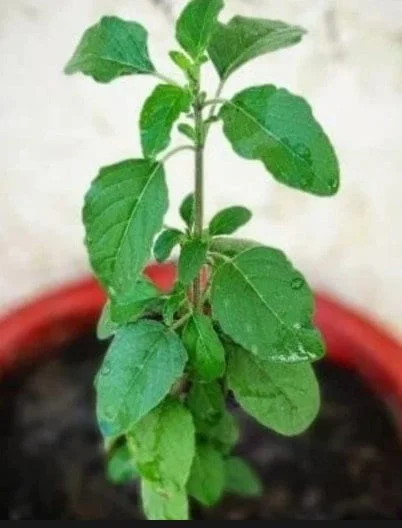
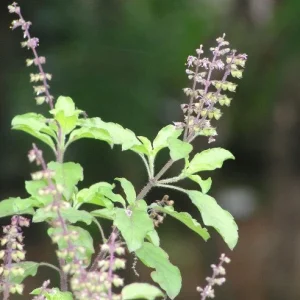
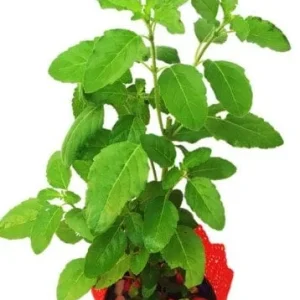
Holy Basil Live Plant – Rama Tulasi (Ocimum tenuiflorum) – 6-10 inch tall
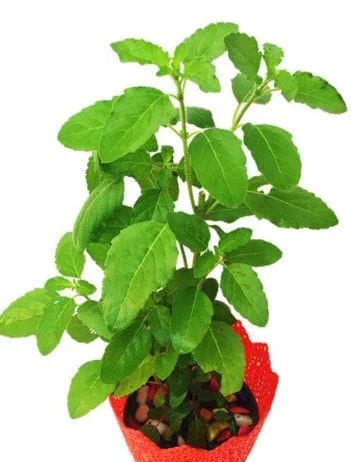
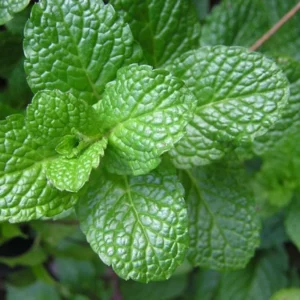
Bring the revered holy basil live plant, or Rama Tulasi, into your home or garden. This vibrant green herb, Ocimum tenuiflorum, is cherished for its aromatic leaves and numerous traditional uses. Standing 6-10 inches tall, it’s ready to thrive with proper care.
Original price was: $55.99.$44.99Current price is: $44.99.

With our Alive & Thrive Guarantee, we’ve got your back for the first 30 days! If you have any concerns about your plants, just reach out to us. Our team is here to help answer your questions and guide you in selecting the best plants for your garden, climate, and unique preferences. We're excited to help you create the garden of your dreams!
Estimated arrival
Mar 31
Apr 05 - Apr 07
Apr 10 - Apr 14
Product Details
-
USDA Hardiness Zone
USDA zones 9-11 (perennial), otherwise grow as annual or indoor plant -
Soil type
Well-draining potting mix, rich in organic matter -
Sunlight Exposure
Full sun to partial sun (4-6 hours direct sun daily) -
Expected Planting Period
Year-round indoors; spring to early summer outdoors after last frost
Overview
Introduce the sacred and aromatic holy basil live plant, also known as Rama Tulasi, to your home or garden. This revered herb, scientifically known as Ocimum tenuiflorum, is celebrated not only for its distinct fragrance and culinary versatility but also for its profound cultural significance. Our vibrant green Tulasi plant arrives at a healthy height of 6-10 inches, ready to flourish under your care. Often referred to as ‘The Queen of Herbs,’ Rama Tulasi is a staple in many traditional practices and an excellent addition to any herb collection, whether you’re an experienced gardener or just starting your green journey. Its lush foliage and pleasant aroma make it a delightful and beneficial presence in any living space.
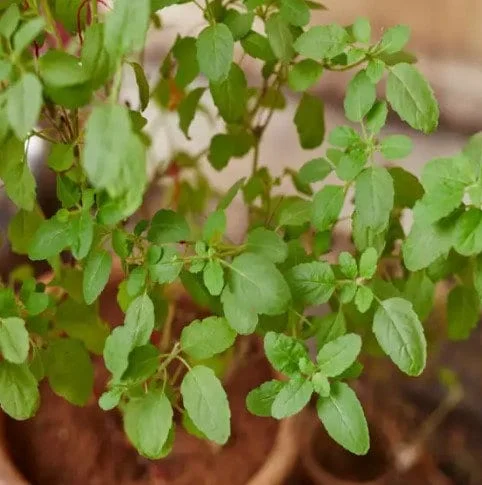
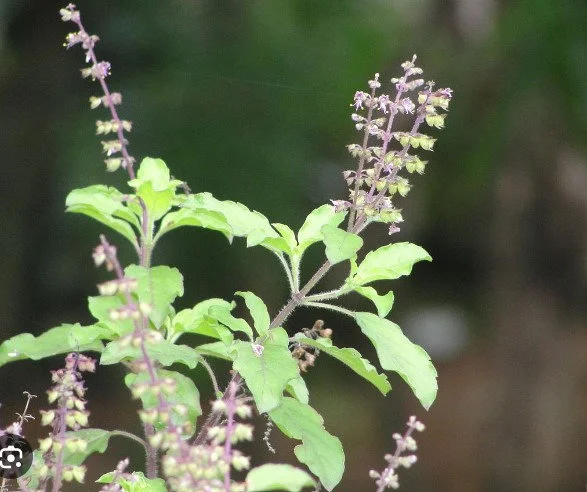
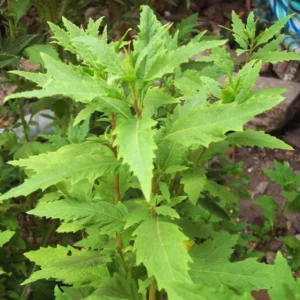
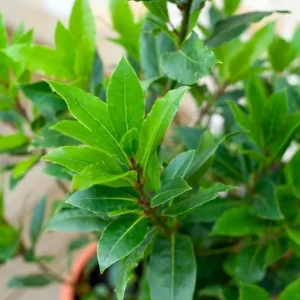
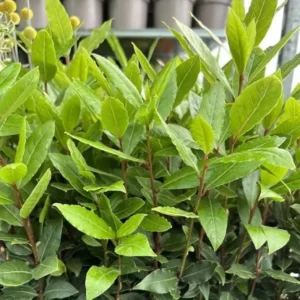
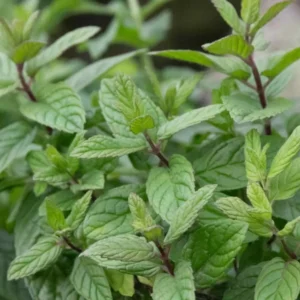
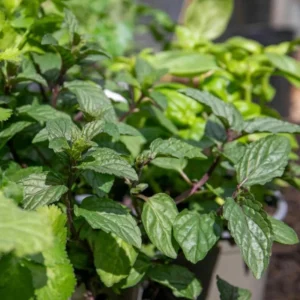
The holy basil live plant is characterized by its bright green leaves and upright growth habit. It’s a relatively easy-to-grow specimen that adapts well to various environments, making it suitable for both indoor cultivation in pots or outdoor planting in warmer climates. Beyond its aesthetic appeal, the plant is known for its strong, distinctive scent that can help freshen up your surroundings. This particular variety, Rama Tulasi, is one of the most common and beloved types of Holy Basil, recognized for its slightly less pungent flavor compared to its Krishna Tulasi counterpart.
Key Benefits
Cultivating a holy basil live plant offers a multitude of advantages, enriching both your environment and your well-being. Its presence is often associated with positive energy and a calming atmosphere, making it more than just a simple herb.
- Aromatic Ambiance: The leaves of the holy basil live plant release a distinctive, refreshing aroma that can naturally purify the air and create a serene environment in your home or garden. This natural fragrance is a pleasant alternative to artificial air fresheners.
- Culinary Versatility: Fresh Rama Tulasi leaves can be used to add a unique, peppery, and slightly clove-like flavor to teas, stir-fries, and other dishes, enhancing your culinary creations with an authentic touch. It’s a wonderful herb to experiment with in the kitchen.
- Traditional Significance: Revered in many cultures, the holy basil live plant holds a special place in traditional practices, often grown for its spiritual importance and believed to bring good fortune and protection. Having a tulasi plant is a connection to ancient traditions.
- Easy to Grow: This resilient plant is relatively low-maintenance, making it an excellent choice for beginner gardeners. With basic care, your rama tulasi plant care will be simple, and it will thrive and provide fresh leaves for months.
- Natural Repellent: The strong scent of Ocimum tenuiflorum is known to naturally deter certain common garden pests, contributing to a healthier and more enjoyable outdoor or indoor space.
- Year-Round Freshness: When grown indoors, you can enjoy fresh holy basil leaves throughout the year, ensuring a continuous supply for your culinary or traditional needs. This means you can always have fresh herbs at your fingertips.
- Compact Growth: Our 6-10 inch plants are perfectly sized for windowsills, patios, or garden beds, allowing them to fit comfortably in various living situations without taking up too much space.
Plant Care & Growing Tips
Proper rama tulasi plant care is essential for its healthy growth and robust fragrance. This plant thrives with consistent attention, but it is generally forgiving. For sunlight, the holy basil live plant prefers at least 4-6 hours of direct sunlight daily. If growing indoors, place it in a south-facing window or under a grow light to ensure it receives adequate light. Outdoors, choose a spot that gets full to partial sun. Insufficient light can lead to leggy growth and fewer leaves. When it comes to watering, Holy Basil likes consistently moist but not waterlogged soil. Water thoroughly when the top inch of soil feels dry to the touch, typically every 2-3 days in warmer weather or less frequently indoors. Good drainage is crucial to prevent root rot, so ensure your pot has drainage holes.
For optimal growth, use a well-draining potting mix that is rich in organic matter. A standard all-purpose potting mix with some added compost works well. The ideal temperature range for Tulasi is between 65-85°F (18-29°C). It is sensitive to cold and should be protected from frost; if you live in a region with cold winters (USDA zones below 9), it’s best to grow it in a pot and bring it indoors during the colder months. Fertilize your holy basil live plant every 4-6 weeks during the growing season (spring and summer) with a balanced liquid fertilizer diluted to half strength. Pruning is also important to encourage bushier growth and prevent the plant from flowering too early, which can reduce leaf production. Pinch off flower buds as they appear to redirect the plant’s energy into leaf growth.
Common problems include yellowing leaves, which often indicate overwatering or nutrient deficiency. Ensure proper watering and consider a balanced fertilizer. Pests like aphids or spider mites can sometimes affect the plant; address these with organic insecticidal soap if necessary. Understanding grow tulasi indoors conditions is important if you plan to keep your plant inside year-round. Provide good air circulation and monitor humidity levels, especially during dry indoor heating seasons. With these simple care practices, your green tulasi plant will flourish and provide you with an abundance of fragrant leaves.
Size & Details
This holy basil live plant, the beloved Rama Tulasi variety, arrives in a healthy, established state, typically measuring 6-10 inches in height from the base of the soil to the tip of its tallest leaf. It is shipped in a nursery pot, ensuring its roots are protected and well-hydrated during transit. The plant is ready to be transplanted into a larger container or directly into your garden bed upon arrival, depending on your climate and preference. With adequate care and optimal growing conditions, this plant has a moderate growth rate and can reach a mature height of 1-3 feet tall and equally wide, forming a beautiful, bushy specimen. It’s an excellent candidate for continuous harvesting of its aromatic leaves.
The holy basil live plant is a perennial in warmer climates (USDA Zones 9-11) and can be grown as an annual or overwintered indoors in cooler regions. Expect it to begin producing leaves suitable for harvest within a few weeks of settling into its new environment. The plant will develop small, delicate flowers if allowed to, but pinching these off will encourage more vigorous leaf production. Its compact size makes it ideal for container gardening on patios, balconies, or sunny windowsills, allowing you to easily manage its growth and bring it indoors when temperatures drop.
Frequently Asked Questions
- Q: How big does this plant get? A: This holy basil live plant typically arrives 6-10 inches tall. With proper care, it can grow to a mature height of 1-3 feet tall and become equally bushy, especially if pruned regularly.
- Q: What size pot does it come in? A: The plant is shipped in a standard nursery pot, appropriately sized for its current 6-10 inch height, providing a secure environment for its roots during transit.
- Q: Is this an indoor or outdoor plant? A: The holy basil live plant can thrive both indoors and outdoors. It’s a perennial in warmer climates (USDA Zones 9-11) and can be grown as an annual or brought indoors for winter in cooler regions.
- Q: How much sunlight does it need? A: Holy Basil prefers at least 4-6 hours of direct sunlight daily. Indoors, place it in a bright, south-facing window. Outdoors, choose a location with full to partial sun.
- Q: Is this plant easy to care for? A: Yes, rama tulasi plant care is relatively straightforward. It’s considered low-maintenance, making it suitable for both novice and experienced gardeners. Consistent watering and adequate sunlight are key.
- Q: What condition will it arrive in? A: Your holy basil live plant will arrive well-packaged, healthy, and hydrated in its nursery pot, ready for transplanting. We take great care to ensure its safe journey.
- Q: Can I use holy basil in cooking? A: Absolutely! The leaves of this green tulasi plant are widely used in culinary applications, adding a unique, peppery, and clove-like flavor to teas, curries, stir-fries, and other dishes.
- Q: When is the best time to plant? A: For outdoor planting, spring to early summer after the last frost is ideal. If growing indoors, you can plant or transplant it any time of year, ensuring consistent warm temperatures.
- Q: Will it survive winter in my zone? A: The holy basil live plant is hardy in USDA Zones 9-11. In colder zones, it should be grown as an annual or brought indoors before temperatures drop below 50°F (10°C).
- Q: What are the main Ocimum tenuiflorum benefits? A: Beyond its aromatic and culinary uses, ocimum tenuiflorum benefits include its traditional significance, natural pest-repellent properties, and its ability to create a calming atmosphere.
Related products
-10%
Original price was: $75.00.$67.50Current price is: $67.50.
-30%
Original price was: $59.98.$41.98Current price is: $41.98.
-58%
Original price was: $39.99.$16.99Current price is: $16.99.
-50%
Original price was: $47.96.$23.98Current price is: $23.98.
-67%
Original price was: $75.72.$25.24Current price is: $25.24.
-50%
Original price was: $107.96.$53.98Current price is: $53.98.
-10%
Original price was: $23.99.$21.59Current price is: $21.59.
-30%
Original price was: $57.98.$40.58Current price is: $40.58.
PLANTING & CARE

Growing Glencoe Raspberry: A Complete Guide for Gardeners
If you’re looking to add something unique to your garden, look no further than the
31
Mar
Mar

The Comprehensive Guide to Growing Bay Leaf Plants for a Flavorful Garden
Imagine stepping into your garden, greeted by the earthy aroma of fresh bay leaves, their
09
Feb
Feb

How to Make Comfrey Tea: The Ultimate Organic Plant Food
Growing an organic garden can be surprisingly expensive, especially when most store-bought fertilizers come in
02
Feb
Feb

True Comfrey: 7 Essential Tips Before You Plant This Herb
A staple in permaculture practices across the US, True Comfrey easily earns its reputation as
27
Jan
Jan

7 Heart-Shaped Plants for a Lasting Valentine’s Gift
If you’ve ever bought a bouquet of roses for Valentine’s Day, you know they are
26
Jan
Jan

Best Types of Ivy Plant for Houses: How to Choose the Perfect Ones for Your Home
Are you a garden lover looking to introduce some greenery into your home? Maybe you’ve
14
Nov
Nov

When to Harvest Garlic (Especially Fall-Planted Garlic)
TIMING IS EVERYTHING, they say – and for garlic, that truth hits with surprising accuracy.
13
Nov
Nov

11 of the Best Sweet Potato Varieties to Grow for Your Garden
If you’ve ever tried growing sweet potatoes, you know that picking the right variety can
12
Nov
Nov