Organic Arabica Coffee Plant – Live Tropical Houseplant – 0.5 Gallon Pot – Indoor/Outdoor
Organic Arabica Coffee Plant – Live Tropical Houseplant – 0.5 Gallon Pot – Indoor/Outdoor
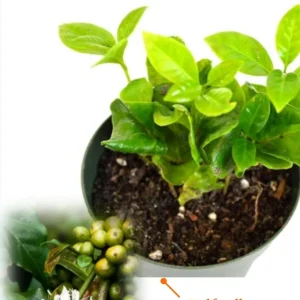
Bring the exotic beauty of a organic arabica coffee plant into your home. This live coffee plant, supplied in a 0.5 gallon pot, is ideal for indoor cultivation, offering lush green foliage and the promise of fresh coffee beans. A perfect tropical houseplant for beginners and enthusiasts alike.
$45.96

With our Alive & Thrive Guarantee, we’ve got your back for the first 30 days! If you have any concerns about your plants, just reach out to us. Our team is here to help answer your questions and guide you in selecting the best plants for your garden, climate, and unique preferences. We're excited to help you create the garden of your dreams!
Estimated arrival
Mar 31
Apr 05 - Apr 07
Apr 10 - Apr 14
Product Details
-
USDA Hardiness Zone
USDA zones 10-11 (outdoors); commonly grown indoors -
Soil type
Well-draining, slightly acidic potting mix rich in organic matter -
Sunlight Exposure
Bright indirect light -
Expected Planting Period
Year-round indoors
Overview
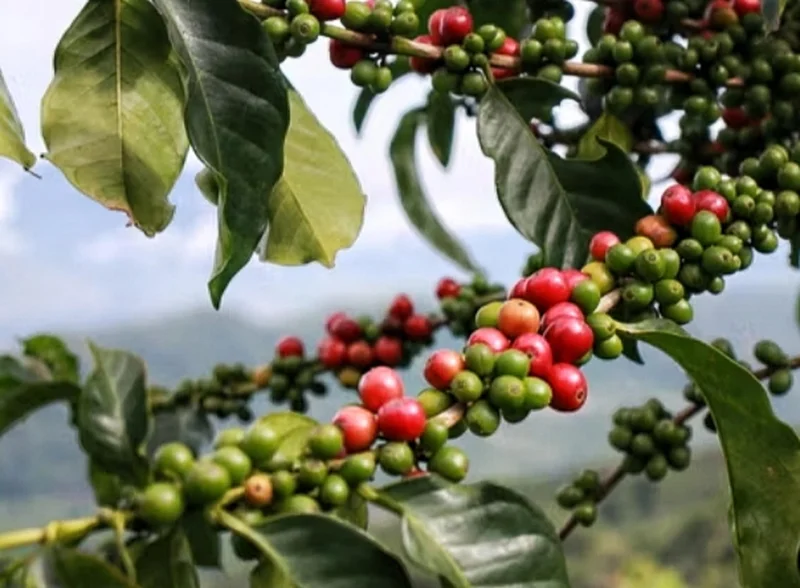
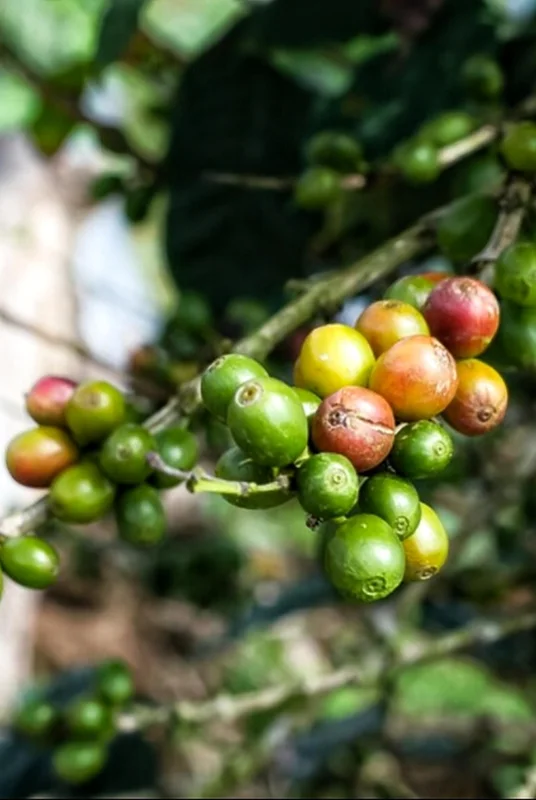
Introduce a touch of the tropics to your living space with this beautiful organic arabica coffee plant. Known botanically as Coffea arabica, this live specimen arrives ready to thrive in its new environment. The Arabica coffee plant is celebrated for its glossy, dark green leaves and, with proper care, can produce fragrant white flowers followed by vibrant red coffee cherries. This particular plant is organically grown, ensuring a healthy start for your home coffee journey. Ideal for both seasoned plant parents and those new to gardening, this live coffee plant offers not just aesthetic appeal but also the unique experience of cultivating your own coffee beans.
Cultivating an organic arabica coffee plant is a rewarding experience, transforming your home into a miniature coffee plantation. Originating from the high-altitude forests of Ethiopia, Arabica coffee is the most popular coffee species globally, accounting for over 60% of world production. Growing your own allows you to connect with nature and understand the process behind your morning brew. This tropical houseplant is not just a conversation starter but also contributes to a healthier indoor environment, making it a perfect addition to any home or office.
Key Benefits
The organic arabica coffee plant offers a multitude of benefits, from its stunning visual appeal to its potential for producing delicious coffee. It’s more than just a plant; it’s an experience.
- Aesthetic Appeal: Features lush, dark green, glossy leaves that add a vibrant touch of tropical elegance to any indoor setting. Its dense foliage creates a serene and inviting atmosphere.
- Homegrown Coffee: With patience and proper conditions, your live coffee plant can produce its own coffee cherries, allowing you to harvest and roast your very own organic coffee beans for a truly unique experience.
- Air Purification: Like many houseplants, the organic arabica coffee plant helps improve indoor air quality by absorbing common household toxins and releasing oxygen, contributing to a fresher home environment.
- Engaging Hobby: Growing coffee indoors provides an engaging and educational hobby. Learning about the plant’s life cycle, from flower to bean, is a fascinating journey for all ages.
- Unique Gift Idea: A distinctive and thoughtful gift for coffee lovers, gardeners, or anyone who appreciates the beauty of tropical plants. It’s a gift that keeps on giving, year after year.
- Compact Growth: While it can grow quite large in its native habitat, as a tropical houseplant, it typically remains a manageable size, making it suitable for various indoor spaces, including apartments and offices.
- Low Maintenance (Relative): Once established and its environmental needs are met, the arabica coffee tree is relatively easy to care for, requiring consistent watering and appropriate light.
Plant Care & Growing Tips
Caring for your organic arabica coffee plant involves understanding its tropical origins and replicating those conditions as best as possible indoors. It thrives in environments that mimic its native high-altitude forest setting.
Sunlight Requirements: Provide bright, indirect light. An east-facing window is often ideal, offering morning sun without the harsh intensity of direct afternoon sunlight, which can scorch the leaves. If direct sun is unavoidable, filter it with a sheer curtain. Insufficient light can lead to leggy growth and fewer flowers. Conversely, too much direct sun can cause leaf burn. Rotate the plant regularly to ensure even growth and light exposure on all sides.
Watering Schedule and Soil Moisture: Keep the soil consistently moist but never waterlogged. Water thoroughly when the top inch of soil feels dry to the touch. Allow excess water to drain completely from the bottom of the pot. Overwatering can lead to root rot, while underwatering can cause leaves to droop and turn brown. Reduce watering slightly in winter when growth slows. Using filtered or distilled water is preferable, as coffee plants can be sensitive to chemicals found in tap water. Proper hydration is key for a healthy live coffee plant.
Soil Type and Drainage: The organic arabica coffee plant prefers slightly acidic, well-draining soil rich in organic matter. A good quality potting mix designed for houseplants, amended with perlite or orchid bark for improved drainage, is recommended. Ensure the pot has drainage holes to prevent water from accumulating at the bottom. A pH between 6.0 and 6.5 is ideal for optimal nutrient absorption. This specialized soil environment is crucial for the overall health of your arabica coffee tree.
Temperature and Humidity: Maintain consistent temperatures between 65-80°F (18-27°C). Avoid sudden temperature fluctuations and cold drafts. As a tropical plant, it also requires high humidity (around 50% or higher). You can increase humidity by misting the leaves regularly, placing the pot on a pebble tray filled with water, or using a humidifier. Grouping plants together can also create a microclimate with higher humidity. The USDA hardiness zone for outdoor cultivation is typically 10-11, but it is primarily grown as an indoor plant in most of the US.
Fertilization: During the growing season (spring and summer), feed your organic arabica coffee plant every 2-4 weeks with a balanced liquid fertilizer diluted to half strength. Look for a fertilizer formulated for acid-loving plants. Reduce or stop fertilizing during fall and winter. Over-fertilization can lead to nutrient burn, so always follow product instructions carefully.
Pruning: Prune to maintain desired size and shape, and to encourage bushier growth. Remove any dead, damaged, or yellowing leaves. Pruning can also stimulate branching, which can lead to more flower and fruit production. For the best results when growing coffee indoors, strategic pruning can make a big difference.
Size & Details
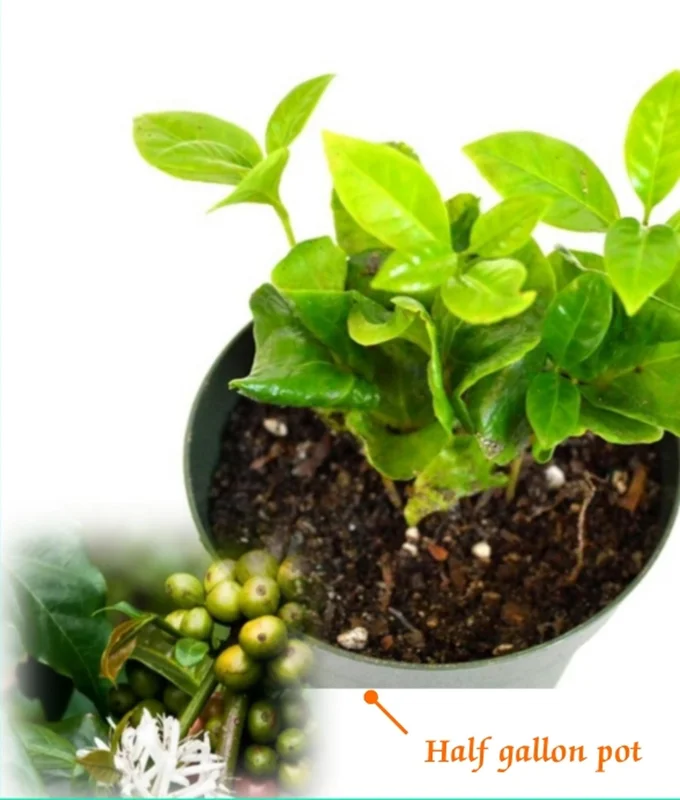
This organic arabica coffee plant is supplied in a convenient 0.5 gallon pot, providing a healthy root system and a sturdy base for growth. At the time of shipment, the plant typically stands approximately 8-12 inches tall from the top of the soil, making it a perfect size for immediate display on a desk, shelf, or windowsill. It is a young, vigorous specimen, ready to adapt to its new home and begin its journey towards maturity. The plant will be carefully packaged to ensure its safe arrival. With proper care, it can grow to a height of 3-6 feet indoors, developing a bushy form ideal for a tropical houseplant. Expect a moderate growth rate, with leaves unfurling regularly during the growing season. The first appearance of flowers and potential coffee cherries can take 3-5 years from planting, adding to the anticipation and reward of growing coffee indoors.
Frequently Asked Questions
- Q: How big does this plant get? A: As an indoor plant, the organic arabica coffee plant typically reaches a height of 3-6 feet, though it can be kept smaller with regular pruning. Its width will be proportional, forming a dense, bushy appearance.
- Q: What size pot does it come in? A: This live coffee plant is shipped in a 0.5 gallon nursery pot, providing ample space for its initial growth. We recommend repotting into a slightly larger pot after a year or when it outgrows its current container.
- Q: Is this an indoor or outdoor plant? A: While it can be grown outdoors in USDA Zones 10-11, this organic arabica coffee plant is primarily cultivated as a tropical houseplant in most climates due to its sensitivity to cold temperatures. It can be moved outdoors to a shaded spot during warm summer months.
- Q: How much sunlight does it need? A: The arabica coffee tree thrives in bright, indirect light. Avoid direct afternoon sun, which can scorch its leaves. A location near an east-facing window or a few feet from a south- or west-facing window is often ideal.
- Q: Is this plant easy to care for? A: With consistent watering, proper humidity, and bright indirect light, the organic arabica coffee plant is considered moderately easy to care for. It’s a great choice for those looking for an engaging yet manageable tropical plant.
- Q: What condition will it arrive in? A: Your live coffee plant will arrive carefully packaged, healthy, and ready to be placed in its new home. We take great care to ensure the plant withstands transit and reaches you in excellent condition.
- Q: Can I use the coffee beans from this plant? A: Yes, with patience and proper care, your organic arabica coffee plant can produce coffee cherries containing beans. You can harvest, process, roast, and brew your own coffee for a truly unique experience.
- Q: Is it pet-safe? A: Coffee plants (Coffea arabica) contain caffeine and other alkaloids which can be toxic to pets if ingested in large quantities. It is best to keep the plant out of reach of curious pets.
- Q: How long until it produces coffee? A: Typically, an arabica coffee tree grown from a young plant can take 3-5 years to mature sufficiently to produce its first flowers and subsequent coffee cherries.
- Q: What’s the best time for repotting? A: The best time to repot your organic arabica coffee plant is in the spring or early summer, when the plant is actively growing. Choose a pot that is only slightly larger than the current one.
Related products
-35%
Original price was: $37.24.$24.20Current price is: $24.20.
-30%
Original price was: $129.98.$90.98Current price is: $90.98.
-25%
Original price was: $30.00.$22.50Current price is: $22.50.
-25%
Original price was: $23.00.$17.24Current price is: $17.24.
-30%
Original price was: $79.98.$55.98Current price is: $55.98.
PLANTING & CARE

Growing Glencoe Raspberry: A Complete Guide for Gardeners
If you’re looking to add something unique to your garden, look no further than the
31
Mar
Mar

The Comprehensive Guide to Growing Bay Leaf Plants for a Flavorful Garden
Imagine stepping into your garden, greeted by the earthy aroma of fresh bay leaves, their
09
Feb
Feb

How to Make Comfrey Tea: The Ultimate Organic Plant Food
Growing an organic garden can be surprisingly expensive, especially when most store-bought fertilizers come in
02
Feb
Feb

True Comfrey: 7 Essential Tips Before You Plant This Herb
A staple in permaculture practices across the US, True Comfrey easily earns its reputation as
27
Jan
Jan

7 Heart-Shaped Plants for a Lasting Valentine’s Gift
If you’ve ever bought a bouquet of roses for Valentine’s Day, you know they are
26
Jan
Jan

Best Types of Ivy Plant for Houses: How to Choose the Perfect Ones for Your Home
Are you a garden lover looking to introduce some greenery into your home? Maybe you’ve
14
Nov
Nov

When to Harvest Garlic (Especially Fall-Planted Garlic)
TIMING IS EVERYTHING, they say – and for garlic, that truth hits with surprising accuracy.
13
Nov
Nov

11 of the Best Sweet Potato Varieties to Grow for Your Garden
If you’ve ever tried growing sweet potatoes, you know that picking the right variety can
12
Nov
Nov