Purple Malabar Spinach Live Plant – 4 Inch Pot – Edible Climbing Vine
-18%
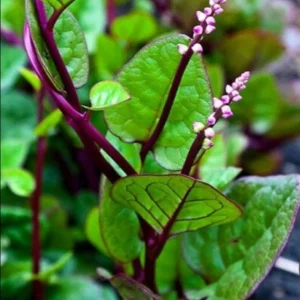
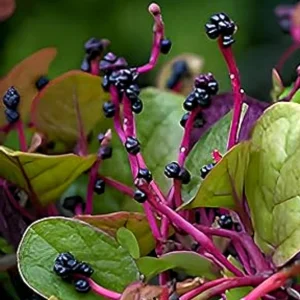
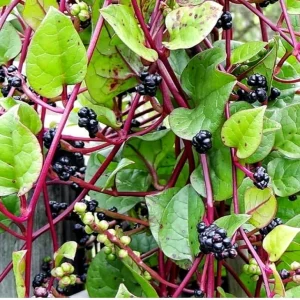
Purple Malabar Spinach Live Plant – 4 Inch Pot – Edible Climbing Vine
Bring home a vibrant purple malabar spinach live plant, an attractive and edible climbing vine. Perfect for warm climates, this 4-inch potted plant offers fresh, nutritious leaves for culinary use. Enjoy its fast growth and beautiful foliage in your garden or a spacious container.
Original price was: $27.96.$22.99Current price is: $22.99.

With our Alive & Thrive Guarantee, we’ve got your back for the first 30 days! If you have any concerns about your plants, just reach out to us. Our team is here to help answer your questions and guide you in selecting the best plants for your garden, climate, and unique preferences. We're excited to help you create the garden of your dreams!
Estimated arrival
Mar 31
Apr 05 - Apr 07
Apr 10 - Apr 14
Product Details
-
USDA Hardiness Zone
USDA zones 9–11 (perennial), annual elsewhere -
Soil type
Rich, well-draining soil -
Sunlight Exposure
Full sun to partial shade -
Expected Planting Period
Spring to early summer
Overview
Introduce a unique and nutritious addition to your garden with our purple malabar spinach live plant. This beautiful and robust climbing vine, scientifically known as Basella alba, is a fantastic choice for gardeners seeking an edible plant that also offers ornamental appeal. Unlike traditional spinach, Malabar spinach thrives in warm, humid conditions, making it an excellent heat-tolerant alternative for summer harvests when other greens might bolt. Its thick, succulent leaves and stems have a mild, slightly peppery flavor, perfect for salads, stir-fries, or as a vibrant green in various dishes. This 4-inch potted plant arrives ready to be transplanted, providing a head start to growing your own fresh, organic greens. Cultivating an edible climbing vine like this allows you to maximize vertical space while enjoying continuous harvests throughout the growing season.
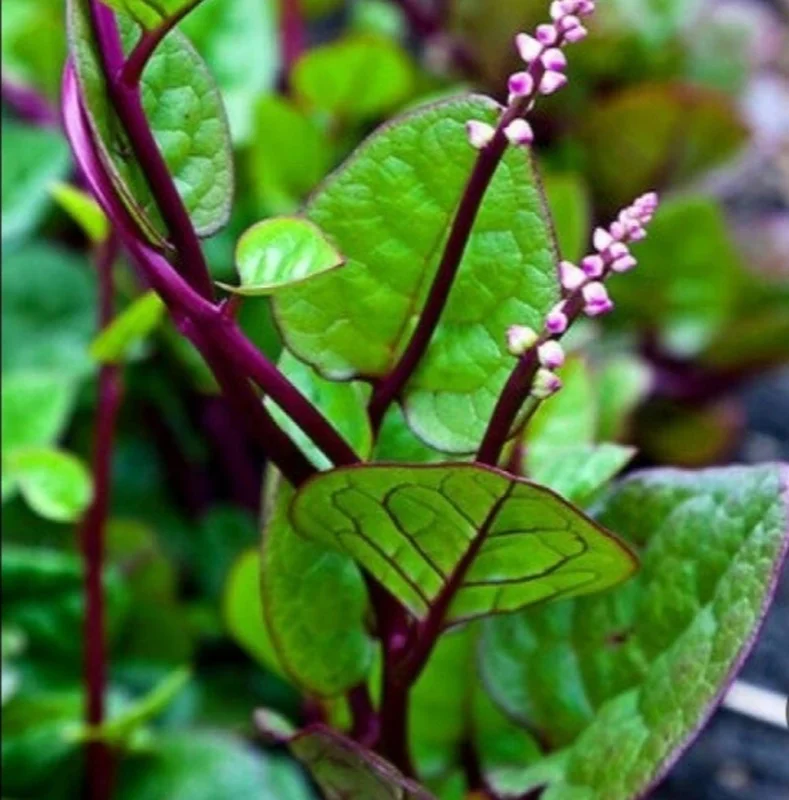
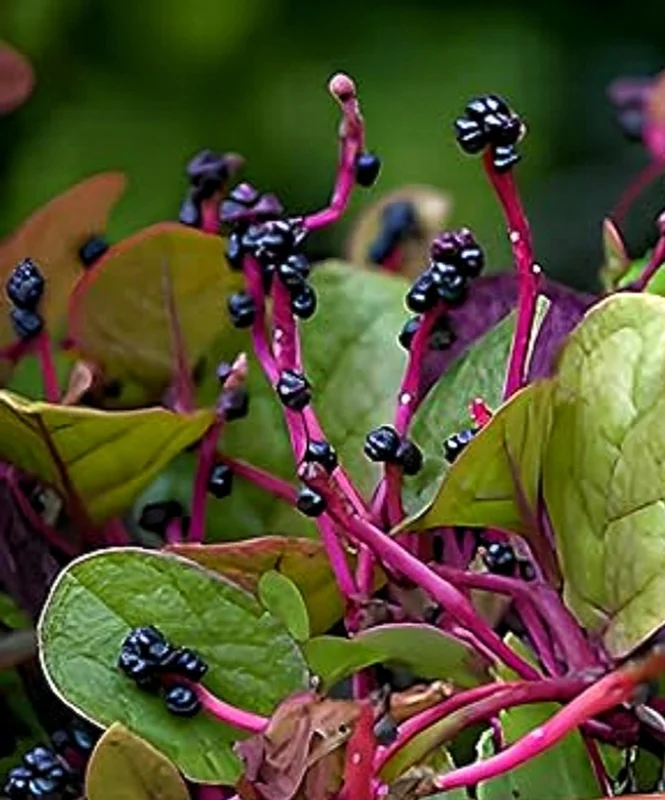
The purple malabar spinach live plant is known for its rapid growth and ability to produce abundant foliage. The striking purple stems provide a beautiful contrast to its deep green leaves, adding visual interest to arbors, trellises, or fences. Whether you’re an experienced gardener or just starting, this resilient plant is relatively easy to care for and offers a rewarding harvest. Enjoy the satisfaction of picking fresh, vitamin-rich greens directly from your garden, enhancing your meals with homegrown goodness.
Key Benefits
Our purple malabar spinach live plant offers a multitude of benefits for both your garden and your plate. It’s a versatile and productive plant that delivers on both aesthetics and nutrition:
- Heat-Tolerant, Continuous Harvests: Unlike common spinach that wilts in summer heat, Malabar spinach thrives in warm temperatures, providing a steady supply of fresh, nutritious greens throughout the summer and early fall. This makes it an ideal spinach substitute for warm climate gardening.
- Nutrient-Rich Edible Leaves: The succulent leaves are packed with vitamins A and C, iron, and calcium. They have a mild, slightly tangy flavor and a pleasant, mucilaginous texture, perfect for adding to smoothies, soups, stir-fries, and salads.
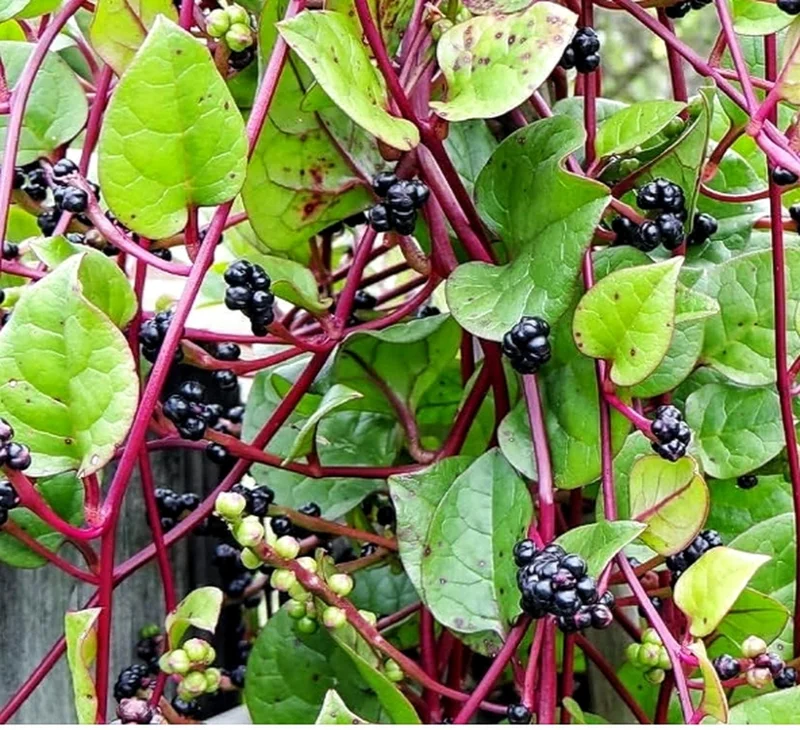
- Beautiful Ornamental Vine: With its vibrant purple stems and lush green foliage, this plant is not just edible but also highly decorative. It can elegantly climb trellises, fences, or pergolas, adding a tropical touch and vertical interest to your garden space.
- Easy to Grow and Low Maintenance: This resilient plant is known for its vigor and requires minimal fuss once established. It’s an excellent choice for beginner gardeners or those looking for a productive yet easy-care crop.
- Versatile Culinary Uses: From fresh salads to cooked dishes, the leaves and young stems can be used in a variety of culinary applications. It holds up well to cooking and can be blanched, steamed, or sautéed.
- Supports Vertical Gardening: As an edible climbing vine, it is perfect for small spaces, urban gardens, or anyone wanting to maximize their growing area by training plants upwards.
- Adds Biodiversity to Your Garden: Introducing unique and uncommon edibles like the basella alba plant can diversify your garden’s ecosystem and expand your culinary horizons.
Plant Care & Growing Tips
Caring for your purple malabar spinach live plant is straightforward, ensuring a bountiful harvest. This tropical vine thrives in warm conditions and requires adequate support for its climbing habit. For optimal growth, provide a location that receives at least 6 hours of full sun per day. While it can tolerate some partial shade, especially in the hottest afternoon hours, more sun generally leads to more vigorous growth and higher yields. Ensure the soil is consistently moist but well-draining. Malabar spinach is not tolerant of drought, so regular watering is crucial, especially during dry spells. Avoid waterlogging, which can lead to root rot.
This malabar spinach plant care guide suggests planting in rich, fertile soil with a pH between 6.5 and 6.8. Amending the soil with compost or other organic matter before planting will provide essential nutrients and improve drainage. Once established, the vine will quickly begin to climb, so provide a sturdy trellis, fence, or stakes for support. Fertilize every 4-6 weeks with a balanced organic fertilizer to encourage lush foliage growth. In cooler climates, it can be grown as an annual, while in warmer regions (USDA zones 9-11), it can be a perennial. Protect from frost, as it is very sensitive to cold temperatures. Pests are generally not a major issue, but keep an eye out for common garden pests like aphids or spider mites, treating them with organic pest control methods if necessary. Pruning regularly by harvesting leaves and young stems will encourage bushier growth and prevent the plant from becoming too leggy.
Size & Details
This offering is for one purple malabar spinach live plant, supplied in a 4-inch nursery pot. The plant is well-rooted and actively growing, ready for transplanting into your garden or a larger container. As an edible climbing vine, Malabar spinach can grow quite rapidly, reaching lengths of 6-10 feet or more with proper support. The leaves are typically 2-4 inches long, heart-shaped, and succulent. While growth rate can vary based on growing conditions, you can expect vigorous development once established in a warm environment. It ships as a healthy, young plant, carefully packaged to ensure its safe arrival. This plant is best suited for outdoor cultivation during warm seasons or can be grown indoors in a bright, warm location with adequate support.
Frequently Asked Questions
- Q: How big does this plant get? A: The purple malabar spinach live plant is a vigorous climber and can reach lengths of 6 to 10 feet or more when provided with a trellis or support structure. Its spread is typically dependent on how it’s trained.
- Q: What size pot does it come in? A: This Malabar spinach plant comes in a 4-inch nursery pot, providing a healthy root system ready for transplanting into a larger container or directly into your garden.
- Q: Is this an indoor or outdoor plant? A: While primarily an outdoor plant for warm seasons, the basella alba plant can be grown indoors in a bright, sunny location with sufficient humidity and a climbing support, especially in regions with cold winters.
- Q: How much sunlight does it need? A: For best growth and leaf production, your purple malabar spinach live plant requires at least 6 hours of full sun per day. It can tolerate some partial shade, especially in very hot climates.
- Q: Is this plant easy to care for? Is it good for beginners? A: Yes, Malabar spinach is considered relatively easy to care for due to its vigorous nature and tolerance for heat. It’s an excellent choice for beginner gardeners looking for a productive and resilient edible plant.
- Q: What condition will it arrive in? A: Your plant will arrive healthy and actively growing, carefully packaged to minimize stress during transit. We recommend unpacking and watering it promptly upon arrival.
- Q: Can I use Malabar spinach in cooking? Is it a good spinach substitute? A: Absolutely! The leaves and young stems are entirely edible and delicious. They have a mild flavor and mucilaginous texture, making them a great spinach substitute in salads, stir-fries, soups, and curries, especially in hot weather.
- Q: How long until it’s ready to harvest? A: You can typically begin harvesting leaves from your malabar spinach plant care within a few weeks after transplanting, once the plant has established and started to produce new growth. Regular harvesting encourages more production.
- Q: Will it survive winter in my zone? A: Malabar spinach is frost-sensitive. In USDA Zones 9-11, it can be grown as a perennial. In colder zones, it is typically grown as an annual or can be brought indoors for winter protection.
- Q: What’s the best way to support this edible climbing vine? A: Provide a sturdy trellis, arbor, fence, or stakes for the vine to climb. Guide the young shoots initially, and the plant will naturally twine around the support as it grows.
Related products
-20%
Original price was: $35.00.$28.00Current price is: $28.00.
-58%
Original price was: $39.99.$16.99Current price is: $16.99.
-30%
Original price was: $57.98.$40.58Current price is: $40.58.
-20%
From Original price was: $22.00.$17.60Current price is: $17.60.
-67%
From Original price was: $35.22.$11.74Current price is: $11.74.
-10%
Original price was: $65.00.$58.50Current price is: $58.50.
-50%
Original price was: $59.96.$29.98Current price is: $29.98.
-50%
Original price was: $15.96.$7.98Current price is: $7.98.
PLANTING & CARE

Growing Glencoe Raspberry: A Complete Guide for Gardeners
If you’re looking to add something unique to your garden, look no further than the
31
Mar
Mar

The Comprehensive Guide to Growing Bay Leaf Plants for a Flavorful Garden
Imagine stepping into your garden, greeted by the earthy aroma of fresh bay leaves, their
09
Feb
Feb

How to Make Comfrey Tea: The Ultimate Organic Plant Food
Growing an organic garden can be surprisingly expensive, especially when most store-bought fertilizers come in
02
Feb
Feb

True Comfrey: 7 Essential Tips Before You Plant This Herb
A staple in permaculture practices across the US, True Comfrey easily earns its reputation as
27
Jan
Jan

7 Heart-Shaped Plants for a Lasting Valentine’s Gift
If you’ve ever bought a bouquet of roses for Valentine’s Day, you know they are
26
Jan
Jan

Best Types of Ivy Plant for Houses: How to Choose the Perfect Ones for Your Home
Are you a garden lover looking to introduce some greenery into your home? Maybe you’ve
14
Nov
Nov

When to Harvest Garlic (Especially Fall-Planted Garlic)
TIMING IS EVERYTHING, they say – and for garlic, that truth hits with surprising accuracy.
13
Nov
Nov

11 of the Best Sweet Potato Varieties to Grow for Your Garden
If you’ve ever tried growing sweet potatoes, you know that picking the right variety can
12
Nov
Nov