Henna Live Plant – Mehndi Plant for Dye & Garden – Bush Form


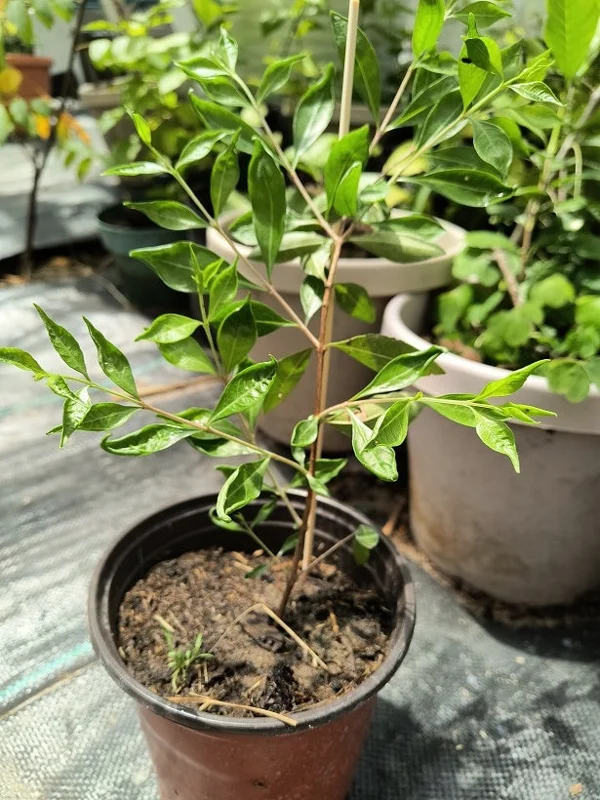
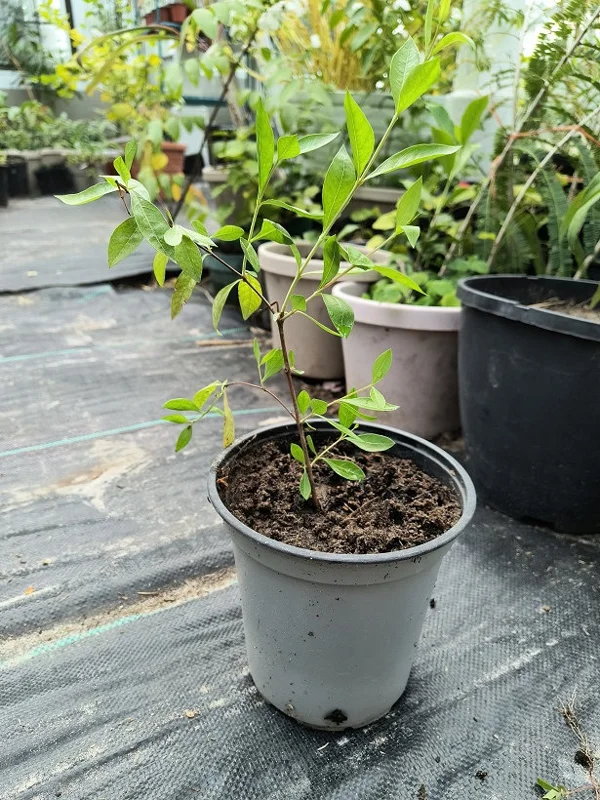


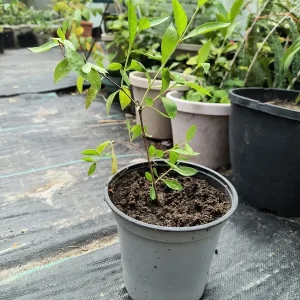
Henna Live Plant – Mehndi Plant for Dye & Garden – Bush Form
Cultivate your own henna live plant, famously known as Mehndi, a versatile shrub prized for its leaves used in natural dye and its attractive foliage. This bush-like plant thrives in warm conditions, making it an excellent addition to your garden or as a potted specimen. Discover the beauty and utility of lawsonia inermis with ease.
$49.96

With our Alive & Thrive Guarantee, we’ve got your back for the first 30 days! If you have any concerns about your plants, just reach out to us. Our team is here to help answer your questions and guide you in selecting the best plants for your garden, climate, and unique preferences. We're excited to help you create the garden of your dreams!
Estimated arrival
Mar 31
Apr 05 - Apr 07
Apr 10 - Apr 14
Product Details
-
USDA Hardiness Zone
USDA Zones 9-11 (outdoors), adaptable indoors -
Soil type
Well-draining, fertile soil -
Sunlight Exposure
Full sun (6-8+ hours direct light) -
Expected Planting Period
Spring to early summer (outdoors), year-round indoors
Overview
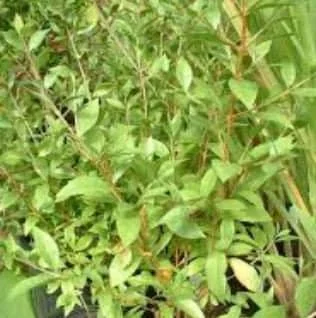
Experience the joy of growing your very own henna live plant, also widely recognized as Mehndi. This remarkable shrub, scientifically known as Lawsonia inermis, is celebrated globally for its leaves, which are the source of the rich, reddish-brown dye used in traditional body art and hair coloring. Beyond its practical applications, the henna live plant is a beautiful ornamental specimen, featuring dense, bush-like growth and delicate, fragrant flowers that add an exotic touch to any landscape or indoor setting. Our plants are carefully cultivated to ensure healthy growth and vigorous leaf production, ready for you to nurture and enjoy. Whether you’re a seasoned gardener or a curious beginner, this plant offers a unique and rewarding growing experience.
This particular offering is for a healthy, established henna live plant, not seeds or cuttings, ensuring a head start in your gardening journey. Its robust nature makes it relatively easy to care for, thriving in conditions that mimic its native tropical and subtropical environments. The bush-like form makes it ideal for creating natural hedges, container gardening, or as a striking focal point in a sunny border. Learn how to grow henna and unlock its full potential.
Key Benefits
The henna live plant offers a multitude of benefits, from its aesthetic appeal to its cultural significance and practical uses. Growing this plant provides a unique connection to nature and a sustainable source for various applications.
- Natural Dye Source: The primary benefit is the ability to harvest your own fresh henna leaves to create natural, chemical-free dye for hair, skin, and fabric. This offers a safe and traditional alternative to synthetic dyes.
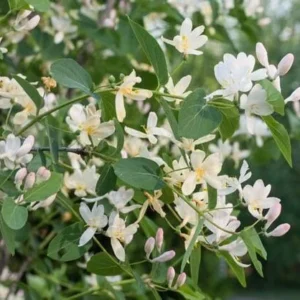
- Ornamental Beauty: With its lush green foliage and clusters of small, fragrant white or pinkish flowers, the henna live plant makes an attractive addition to any garden or patio. It can be pruned into various shapes, including a dense bush or a small tree.
- Cultural Significance: Mehndi, derived from the henna plant, holds deep cultural importance in many traditions, particularly in South Asia, the Middle East, and Africa, where it’s used for celebrations and rituals.
- Air Purification: Like many plants, henna contributes to a healthier environment by absorbing carbon dioxide and releasing oxygen, improving air quality around your home.
- Low Maintenance: Once established, the mehndi plant care requirements are relatively straightforward, making it suitable for gardeners of varying experience levels. It’s quite resilient to adverse conditions.
- Aromatic Flowers: The small, delicate flowers of Lawsonia inermis emit a sweet, pleasant fragrance, especially noticeable in the evening, enhancing the sensory experience of your garden.
- Attracts Pollinators: The fragrant flowers can attract beneficial pollinators like bees and butterflies to your garden, contributing to local biodiversity.
Plant Care & Growing Tips
To ensure your henna live plant thrives, understanding its specific care requirements is crucial. This tropical to subtropical native prefers warm conditions and ample sunlight to produce the best foliage for dye production and overall health. Proper watering and soil composition are also key factors in its successful growth.
For optimal growth, the henna live plant requires abundant sunlight, ideally at least 6-8 hours of direct sun per day. In very hot climates, some afternoon shade can be beneficial to prevent leaf scorch. If growing indoors, place it near a south-facing window or use supplemental grow lights to meet its light needs. Consistent watering is important, especially during warmer months and while the plant is establishing. The soil should be kept consistently moist but never waterlogged. Allow the top inch or two of soil to dry out slightly between waterings. Reduce watering frequency in cooler months or if the plant is dormant.
The ideal soil for your henna live plant is a well-draining, fertile mix. A good quality potting mix amended with some compost or organic matter works well for container plants. For garden planting, ensure the soil has good drainage to prevent root rot. Henna prefers a slightly acidic to neutral pH (6.0-7.0). Fertilize during the growing season (spring and summer) every 4-6 weeks with a balanced liquid fertilizer. Pruning can be done to maintain a desired shape and encourage bushier growth, as well as to harvest leaves. Young plants should be protected from temperatures below 50°F (10°C). Understanding how to grow henna successfully involves attention to these environmental factors.
Size & Details
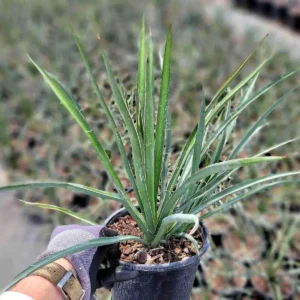
This offering is for a vibrant henna live plant, typically shipped in a nursery pot, ready for transplanting into your garden or a larger container. The exact size will vary based on availability but is usually a well-rooted specimen, approximately 6-12 inches tall at the time of shipment, ensuring a robust start. With proper care, these bush-like plants can grow to a mature height of 6-10 feet outdoors, forming a dense shrub. When grown in containers, their size can be managed through regular pruning, often reaching 3-5 feet tall. The growth rate is moderate, allowing you to see significant development within the first growing season. You can expect to begin harvesting leaves for dye production once the plant is well-established, typically after 6-12 months of growth. The form is naturally bushy, perfect for creating a lush green display.
Frequently Asked Questions
- Q: How big does this plant get? A: When grown outdoors in ideal conditions, the henna live plant can reach heights of 6-10 feet, forming a dense, bush-like shrub. In containers, its size can be controlled through pruning, typically staying within 3-5 feet.
- Q: Is this an indoor or outdoor plant? A: The henna live plant thrives outdoors in warm, frost-free climates (USDA Zones 9-11). It can also be successfully grown indoors as a potted plant in cooler regions, provided it receives sufficient light and warmth.
- Q: How much sunlight does it need? A: Henna requires ample sunlight, ideally 6-8 hours of direct sun per day for best growth and leaf production. If grown indoors, a bright, south-facing window is recommended.
- Q: Is this plant easy to care for? A: Yes, once established, the henna live plant is considered relatively low-maintenance. Consistent watering and adequate sunlight are its primary requirements, making mehndi plant care manageable for most gardeners.
- Q: What condition will it arrive in? A: Your henna live plant will arrive as a healthy, well-rooted specimen, typically in a nursery pot, carefully packaged to ensure its safe journey. It will be ready for immediate transplanting.
- Q: Can I use the leaves for natural dye? A: Absolutely! The primary appeal of the henna live plant is its leaves, which can be harvested, dried, and powdered to create natural dye for hair, skin (as mehndi), and textiles.
- Q: What’s the best time to plant? A: The best time to plant or transplant your henna live plant is in the spring or early summer, after the last risk of frost, allowing it ample time to establish before cooler weather.
- Q: Is it pet-safe? A: While henna is used as a dye for humans, it’s generally considered non-toxic to pets. However, it’s always best to prevent pets from consuming large quantities of any plant material.
- Q: How long until it flowers? A: Henna plants typically begin to flower once they are mature enough, often within 1-2 years of planting, especially during warmer months. The flowers are small, white, and fragrant.
- Q: What type of soil does it prefer? A: The henna live plant prefers well-draining, fertile soil with a slightly acidic to neutral pH. A good quality potting mix amended with compost is ideal for container growing.
Related products
-20%
Original price was: $66.00.$52.80Current price is: $52.80.
-20%
Original price was: $20.00.$16.00Current price is: $16.00.
-10%
Original price was: $23.99.$21.59Current price is: $21.59.
PLANTING & CARE

The Comprehensive Guide to Growing Bay Leaf Plants for a Flavorful Garden
Imagine stepping into your garden, greeted by the earthy aroma of fresh bay leaves, their
09
Feb
Feb

How to Make Comfrey Tea: The Ultimate Organic Plant Food
Growing an organic garden can be surprisingly expensive, especially when most store-bought fertilizers come in
02
Feb
Feb

True Comfrey: 7 Essential Tips Before You Plant This Herb
A staple in permaculture practices across the US, True Comfrey easily earns its reputation as
27
Jan
Jan

7 Heart-Shaped Plants for a Lasting Valentine’s Gift
If you’ve ever bought a bouquet of roses for Valentine’s Day, you know they are
26
Jan
Jan

Best Types of Ivy Plant for Houses: How to Choose the Perfect Ones for Your Home
Are you a garden lover looking to introduce some greenery into your home? Maybe you’ve
14
Nov
Nov

When to Harvest Garlic (Especially Fall-Planted Garlic)
TIMING IS EVERYTHING, they say – and for garlic, that truth hits with surprising accuracy.
13
Nov
Nov

11 of the Best Sweet Potato Varieties to Grow for Your Garden
If you’ve ever tried growing sweet potatoes, you know that picking the right variety can
12
Nov
Nov
Pruning Bougainvillea for Winter
Bougainvillea vines are known for their dazzling display of magenta, orange, and fuchsia bracts that
05
Nov
Nov