Arabic Jasmine Live Bush Plant – Fragrant Shrub in 0.5 Gallon Pot, Outdoor
-20%
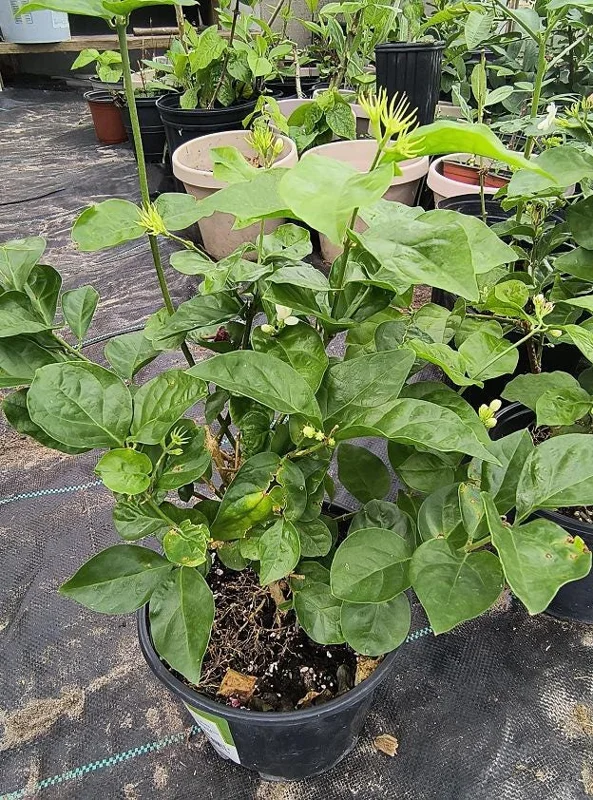
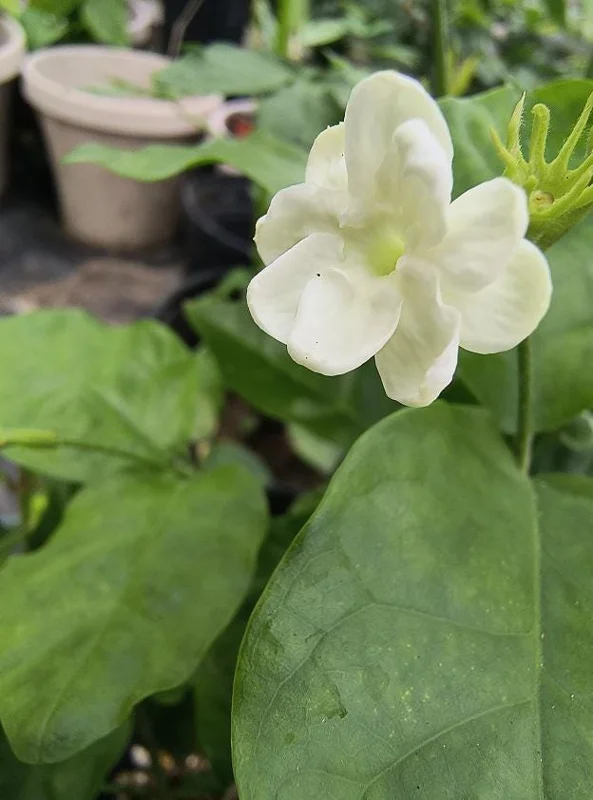
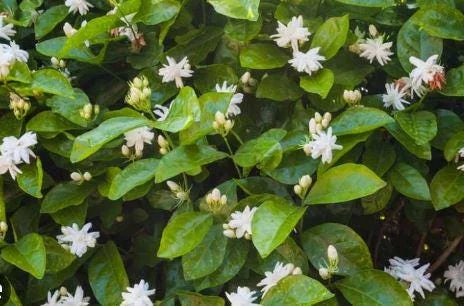
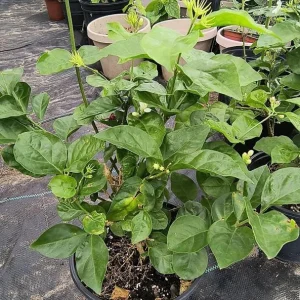
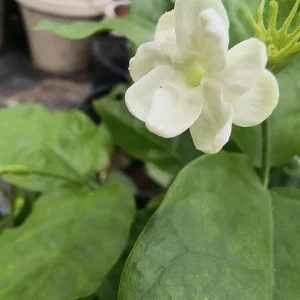
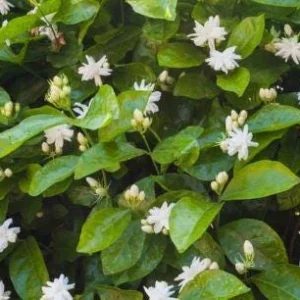
Arabic Jasmine Live Bush Plant – Fragrant Shrub in 0.5 Gallon Pot, Outdoor
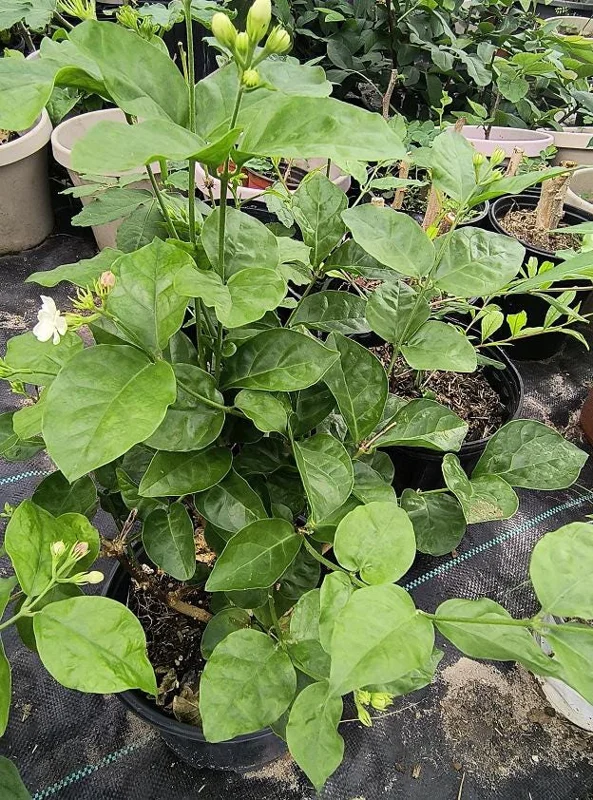
Bring the intoxicating scent of the tropics to your home with this beautiful Arabic Jasmine live plant. Arriving in a 0.5 gallon pot, this fragrant bush is ideal for outdoor gardens, patios, or as a lovely potted specimen. Enjoy its continuous blooms and delightful aroma.
Original price was: $55.99.$44.99Current price is: $44.99.

With our Alive & Thrive Guarantee, we’ve got your back for the first 30 days! If you have any concerns about your plants, just reach out to us. Our team is here to help answer your questions and guide you in selecting the best plants for your garden, climate, and unique preferences. We're excited to help you create the garden of your dreams!
Estimated arrival
Mar 30
Apr 04 - Apr 06
Apr 09 - Apr 13


Product Details
-
USDA Hardiness Zone
USDA zones 9-11 (outdoor) or indoor in colder zones -
Soil type
Well-draining, fertile potting mix -
Sunlight Exposure
Full sun to partial shade -
Expected Planting Period
Year-round indoors; spring to early summer outdoors
Overview
Immerse your senses in the captivating fragrance of the Arabic Jasmine live plant. This exquisite live bush, also known as Arabian Jasmine (Jasminum sambac), is renowned for its intensely sweet-smelling white flowers that bloom almost continuously throughout warmer months. Originating from tropical and subtropical regions, this plant brings an exotic touch to any garden or patio. Our Arabic Jasmine live plant arrives healthy and ready to thrive, carefully packaged in a 0.5 gallon pot, making it easy to transplant into your desired location. Whether you’re an experienced gardener or just starting, this beautiful plant offers a rewarding growing experience with its stunning blooms and delightful aroma.
The Arabian Jasmine bush is a versatile plant, often grown as an ornamental shrub, a climbing vine with support, or even as a houseplant in cooler climates. Its glossy green leaves provide an attractive backdrop to the pristine white flowers, which are often used in perfumes, teas, and traditional ceremonies. This particular specimen is perfect for creating a fragrant focal point in your outdoor living spaces or adding a touch of elegance to your landscape. With proper care, your fragrant jasmine plant will reward you with an abundance of blooms and an irresistible scent that will fill the air.
Key Benefits
The Arabic Jasmine live plant offers a multitude of benefits, making it a cherished addition to any plant collection. Its beauty and fragrance are just the beginning of what this wonderful plant provides.
- Exquisite Fragrance: The primary allure of the Arabic Jasmine live plant is its incredibly sweet and intoxicating scent. The small, white flowers release their strongest perfume in the evening, creating a serene and romantic atmosphere in your garden or on your patio. This natural aromatherapy can help reduce stress and enhance relaxation.
- Continuous Blooms: Unlike many flowering plants, the Arabian Jasmine bush offers a prolonged blooming season, often producing flowers from spring through fall, and even year-round in warm, tropical climates. This ensures a consistent display of beauty and fragrance.
- Versatile Growth Habit: This plant can be grown as a compact bush, trained as a small climbing vine, or even kept as a potted specimen. Its adaptability makes it suitable for various garden designs, from formal landscapes to informal cottage gardens, or even as an indoor plant.
- Attracts Pollinators: The fragrant flowers are a magnet for beneficial pollinators such as bees and butterflies, contributing to the biodiversity and health of your garden ecosystem. This makes your garden a lively and vibrant space.
- Low Maintenance: Once established, the Jasminum sambac plant is relatively easy to care for, requiring moderate watering and occasional feeding. It’s a resilient plant that can tolerate a range of conditions, making it suitable for both novice and experienced gardeners seeking a rewarding plant without excessive fuss.
- Cultural Significance: In many cultures, jasmine flowers hold deep symbolic meaning, representing love, purity, and beauty. Growing an Arabic Jasmine live plant can connect you to these rich traditions and add a layer of cultural depth to your garden.
- Aesthetic Appeal: Beyond its fragrance, the glossy, deep green foliage and delicate white flowers provide a beautiful contrast, adding a touch of elegance and sophistication to any setting. It’s a visually appealing plant even when not in bloom.
Plant Care & Growing Tips
Caring for your Arabic Jasmine live plant is a rewarding experience, and with a few key considerations, you can ensure it thrives and produces an abundance of its fragrant blooms. This plant prefers warm, humid conditions, mimicking its native tropical environment. Providing the right amount of sunlight, water, and proper soil will be crucial for its health and vigorous growth.
Sunlight Requirements: The Arabic Jasmine live plant flourishes in full sun to partial shade. In hotter climates, some afternoon shade can protect the foliage from scorching. Aim for at least 6 hours of direct sunlight per day for optimal flowering. If growing indoors, place it near a bright, south-facing window or under grow lights to ensure it receives adequate light. Insufficient light can lead to sparse flowering and leggy growth. Rotate the plant regularly to encourage even growth.
Watering Schedule & Soil Moisture: This plant prefers consistently moist soil but dislikes being waterlogged. Water thoroughly when the top inch of soil feels dry to the touch. During active growth and flowering, it may require more frequent watering. Reduce watering slightly during cooler months. Ensure your pot has good drainage to prevent root rot, which is a common issue for overwatered plants. The Arabian Jasmine bush will show signs of wilting if it’s too dry, but it usually recovers quickly after watering.
Soil Type & Drainage: A well-draining, fertile soil mix is ideal for the Jasminum sambac plant. A good quality potting mix amended with some organic matter like compost or peat moss will provide the necessary nutrients and drainage. The soil pH should be slightly acidic to neutral (6.0-7.0). Good drainage is paramount; ensure that your pot has drainage holes and that the soil doesn’t compact too much over time. Repotting every 1-2 years can refresh the soil and provide more room for root growth.
Temperature Range & USDA Hardiness Zone: Arabic Jasmine live plant is best suited for USDA Hardiness Zones 9-11 when grown outdoors year-round. It enjoys warm temperatures, ideally between 60-80°F (15-27°C). It is not frost-tolerant, so if you live in a colder zone, it’s best to grow it in a container that can be moved indoors during winter. Protect it from temperatures below 40°F (4°C). Indoors, maintain consistent temperatures and avoid cold drafts from windows or doors.
Fertilization: During the growing season (spring through fall), feed your fragrant jasmine plant with a balanced liquid fertilizer every 2-4 weeks. A fertilizer higher in phosphorus can encourage more blooms. Reduce or stop fertilization during the dormant winter months. Always follow the product instructions for dilution rates to avoid over-fertilizing, which can burn the roots.
Common Problems & Solutions: Watch out for common pests like spider mites, aphids, and whiteflies, especially in dry indoor environments. Treat infestations with insecticidal soap or neem oil. Yellowing leaves can indicate overwatering, underwatering, or nutrient deficiency. Adjust your watering schedule and fertilization as needed. Lack of flowering is often due to insufficient light or nutrients. Ensure your plant is getting enough sun and is being fed regularly.
Size & Details
This offering is for a vibrant Arabic Jasmine live plant, carefully cultivated and shipped in a 0.5 gallon nursery pot. At the time of shipping, the plant typically stands about 6-12 inches tall, measured from the base of the pot. The half gallon jasmine pot size provides ample space for the root system to establish before transplanting. This size is perfect for immediate planting in a larger container or directly into your garden landscape, offering a head start on growth. The plant is well-rooted and established, ensuring a smooth transition to its new home.
The Jasminum sambac plant is a moderately fast grower and, with proper care, can quickly establish itself. When mature, it can reach heights of 3-5 feet as a bush, and even taller if trained as a vine, with a spread of 2-4 feet. Expect the first fragrant blooms to appear within the first growing season after planting, especially under ideal conditions. This plant is shipped as a healthy, actively growing specimen, ready to bring its beauty and fragrance to your space. The 0.5 gallon pot ensures the plant has a robust root ball, minimizing transplant shock and promoting vigorous future growth for your Arabic Jasmine live plant.
Frequently Asked Questions
- Q: How big does this Arabic Jasmine live plant get? A: This Arabic Jasmine live plant typically grows into a bush 3-5 feet tall and 2-4 feet wide. If provided with support, it can be trained to climb even taller, acting more like a vine.
- Q: What size pot does the Arabic Jasmine come in? A: The fragrant jasmine plant is shipped in a 0.5 gallon nursery pot. This size is ideal for transplanting into a larger container or directly into your garden.
- Q: Is this an indoor or outdoor plant? A: While the Arabian Jasmine bush thrives outdoors in USDA Zones 9-11, it can also be grown as a beautiful and fragrant houseplant in cooler climates, provided it receives ample sunlight.
- Q: How much sunlight does the Arabic Jasmine need? A: This plant prefers full sun to partial shade, ideally receiving at least 6 hours of direct sunlight daily for the best flowering. In very hot climates, some afternoon shade is beneficial.
- Q: Is this plant easy to care for? Is it good for beginners? A: Yes, the Jasminum sambac plant is considered relatively easy to care for once established. It’s a good choice for beginners who can provide consistent watering and sufficient light.
- Q: What condition will the Arabic Jasmine live plant arrive in? A: Your Arabic Jasmine live plant will arrive healthy, well-rooted, and actively growing, securely packaged to minimize stress during transit. It will be in its 0.5 gallon pot with soil.
- Q: How long until it blooms? A: With proper care and adequate sunlight, your half gallon jasmine should begin to produce its fragrant white flowers within its first growing season after planting.
- Q: What’s the best time to plant Arabic Jasmine? A: The best time to plant your Arabic Jasmine live plant is in the spring or early summer after the danger of frost has passed, allowing it ample time to establish before cooler weather.
- Q: Can I use the flowers from this plant? A: Yes, the highly fragrant flowers of Jasminum sambac plant are often used to make traditional jasmine tea, essential oils, and are popular in fresh floral arrangements or leis.
- Q: Is this plant pet-safe? A: While true jasmine (Jasminum species) is generally considered non-toxic to pets, it’s always best to prevent pets from ingesting large quantities of any plant material. Consult with your veterinarian for specific concerns.
Related products
-50%
Original price was: $49.98.$24.99Current price is: $24.99.
-50%
Original price was: $63.00.$31.50Current price is: $31.50.
-20%
Original price was: $76.00.$60.80Current price is: $60.80.
-30%
Original price was: $73.98.$51.78Current price is: $51.78.
PLANTING & CARE

The Comprehensive Guide to Growing Bay Leaf Plants for a Flavorful Garden
Imagine stepping into your garden, greeted by the earthy aroma of fresh bay leaves, their
09
Feb
Feb

How to Make Comfrey Tea: The Ultimate Organic Plant Food
Growing an organic garden can be surprisingly expensive, especially when most store-bought fertilizers come in
02
Feb
Feb

True Comfrey: 7 Essential Tips Before You Plant This Herb
A staple in permaculture practices across the US, True Comfrey easily earns its reputation as
27
Jan
Jan

7 Heart-Shaped Plants for a Lasting Valentine’s Gift
If you’ve ever bought a bouquet of roses for Valentine’s Day, you know they are
26
Jan
Jan

Best Types of Ivy Plant for Houses: How to Choose the Perfect Ones for Your Home
Are you a garden lover looking to introduce some greenery into your home? Maybe you’ve
14
Nov
Nov

When to Harvest Garlic (Especially Fall-Planted Garlic)
TIMING IS EVERYTHING, they say – and for garlic, that truth hits with surprising accuracy.
13
Nov
Nov

11 of the Best Sweet Potato Varieties to Grow for Your Garden
If you’ve ever tried growing sweet potatoes, you know that picking the right variety can
12
Nov
Nov
Pruning Bougainvillea for Winter
Bougainvillea vines are known for their dazzling display of magenta, orange, and fuchsia bracts that
05
Nov
Nov