Sugar Apple Live Plant – 1 Gallon – 14-16 Inches Tall – Tropical Fruit Tree
Sugar Apple Live Plant – 1 Gallon – 14-16 Inches Tall – Tropical Fruit Tree
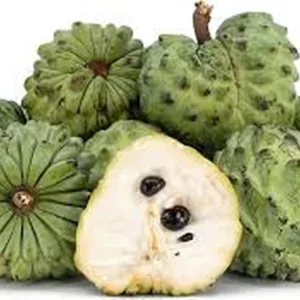
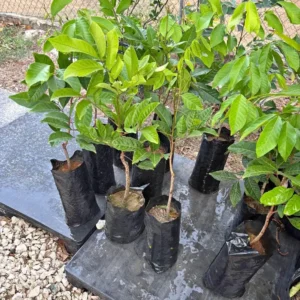
Cultivate your own exotic fruits with this vibrant sugar apple live plant. Arriving in a 1-gallon pot and standing 14–16 inches tall, this tropical fruit tree for home is ready to thrive in your garden or patio, promising delicious, custard-like fruit.
$73.96

With our Alive & Thrive Guarantee, we’ve got your back for the first 30 days! If you have any concerns about your plants, just reach out to us. Our team is here to help answer your questions and guide you in selecting the best plants for your garden, climate, and unique preferences. We're excited to help you create the garden of your dreams!
Estimated arrival
Mar 31
Apr 05 - Apr 07
Apr 10 - Apr 14
Product Details
-
USDA Hardiness Zone
USDA Zones 9-11 -
Soil type
Well-draining, fertile loam -
Sunlight Exposure
Full sun (6-8 hours daily) -
Expected Planting Period
Spring to early summer
Overview
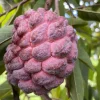
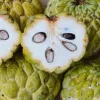
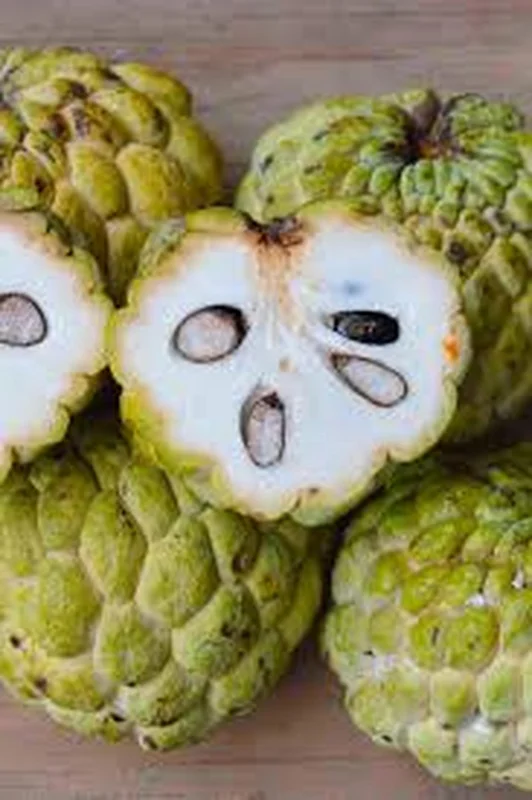
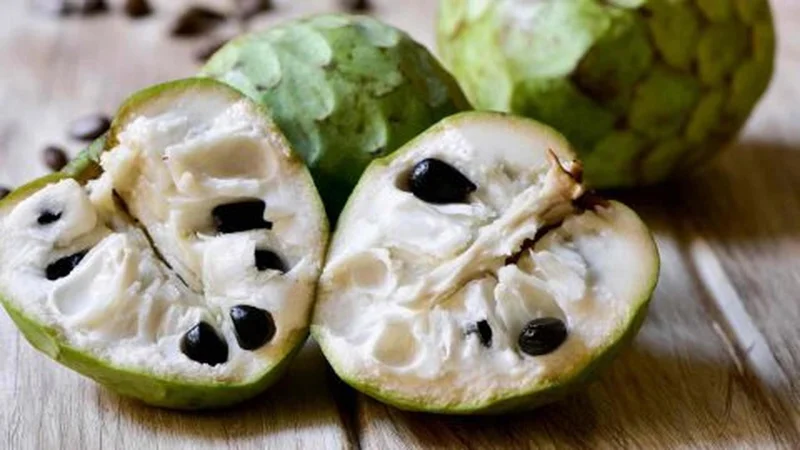
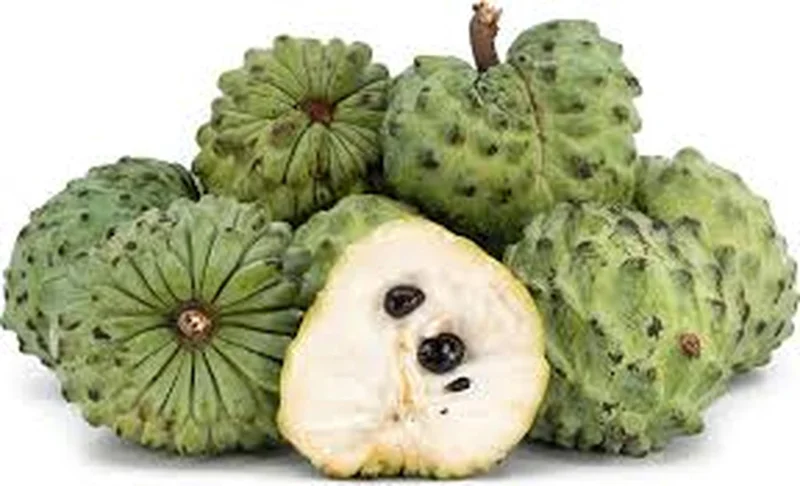
Bring the taste of the tropics to your home with a thriving sugar apple live plant. This vibrant specimen arrives in a 1-gallon nursery pot, standing approximately 14–16 inches tall, ready to be nurtured into a fruit-bearing tree. Known scientifically as Annona squamosa, the sugar apple, also called custard apple or sweetsop, is renowned for its uniquely segmented, sweet, and creamy fruit that boasts a delightful custardy texture. Originating from the American tropics, this resilient plant is a fantastic addition for gardeners looking to cultivate exotic fruits. It’s a relatively fast-growing small tree, making it an exciting project for both novice and experienced gardeners eager to enjoy fresh, homegrown tropical produce. The distinctive flavor and aroma of the fruit make it a sought-after delicacy, and growing your own ensures you have access to the freshest possible harvest.
Our sugar apple live plant is carefully selected to ensure health and vigor, providing you with a strong foundation for a productive tree. It is perfectly sized for transplanting into a larger container or directly into your garden, depending on your climate. With proper care, this tropical gem will reward you with its delicious and nutritious fruits, often within a few years of planting. Imagine plucking ripe, sweet sugar apples directly from your own backyard!
Key Benefits
Owning a sugar apple live plant offers a multitude of advantages, from the joy of growing your own food to enhancing your garden’s aesthetic and biodiversity. Here are some of the standout benefits:
- Delicious, Unique Fruit: Enjoy the incredibly sweet, creamy, and aromatic fruit often described as having notes of custard, pineapple, and banana. Homegrown sugar apples are far superior in flavor to those found in stores, as they can be picked at peak ripeness.
- Ornamental Appeal: Beyond its fruit, the sugar apple tree features attractive, light green foliage and fragrant flowers, adding a tropical flair to your landscape or patio. Its relatively compact size makes it suitable for various garden designs.
- Nutritional Value: Sugar apples are rich in vitamins C and B, potassium, and dietary fiber, contributing to a healthy diet. Growing your own ensures a fresh and organic source of these essential nutrients.
- Adaptable Growth: While a tropical plant, the anona squamosa plant shows a good degree of adaptability, thriving in warm climates and capable of being grown in containers in cooler regions, allowing you to move it indoors during cold spells.
- Rewarding Gardening Experience: There’s immense satisfaction in watching your own fruit tree grow from a young plant to a productive specimen. Harvesting your own sweet sugar apples is a truly fulfilling experience.
- Supports Local Ecosystems: Planting fruit trees can attract pollinators and beneficial insects, contributing positively to the local ecosystem and promoting biodiversity in your garden space.
- Freshness and Quality Control: By growing your own, you control the growing conditions, ensuring your fruit is free from unwanted pesticides and chemicals, offering peace of mind about what you consume.
Plant Care & Growing Tips
Caring for your sugar apple live plant is straightforward, especially when you understand its basic needs. This tropical beauty thrives in warm environments and requires specific conditions to produce its best fruit. For optimal growth, provide plenty of sunlight. Sugar apple trees prefer at least 6-8 hours of direct sunlight per day. In very hot climates, some afternoon shade can be beneficial to prevent leaf scorch, but generally, the more sun, the better for fruit production. If growing in a container indoors, place it near a south-facing window or use supplemental grow lights to ensure it receives adequate light.
Watering is crucial, especially for young plants. Keep the soil consistently moist but never waterlogged. Allow the top inch or two of soil to dry out slightly between waterings. Overwatering can lead to root rot, which is detrimental to the plant’s health. During dry periods or when the plant is actively fruiting, it may require more frequent watering. Ensure your pot has excellent drainage if growing in a container. The ideal soil type for a sugar apple tree care regimen is well-draining, fertile loam with a slightly acidic to neutral pH (6.0-7.0). Incorporating organic matter like compost can significantly improve soil structure and nutrient retention. For container planting, use a high-quality potting mix designed for fruit trees or tropical plants.
Sugar apples are tropical plants and are sensitive to cold. They thrive in USDA Hardiness Zones 9-11. Temperatures below 30°F (-1°C) can cause damage or even kill the plant. If you live in a cooler zone, growing your anona squamosa plant in a container is recommended so it can be moved indoors during winter. Fertilize your sugar apple tree regularly during the growing season (spring through fall) with a balanced fertilizer, or one slightly higher in phosphorus and potassium to encourage flowering and fruiting. Follow the product’s instructions for application rates. Pruning should be done to maintain shape, remove dead or diseased branches, and encourage a strong framework for fruit production. Light pruning after harvest is generally sufficient. Watch out for common pests like aphids, mealybugs, and scale, and treat them with organic insecticidal soap if necessary. Proper air circulation also helps prevent fungal diseases.
Size & Details
Your sugar apple live plant arrives as a healthy, actively growing specimen, carefully packaged to ensure its safe journey to your home. It is currently housed in a 1-gallon nursery pot, providing a good root system for transplanting. The plant stands approximately 14–16 inches tall from the base of the pot to the tip of its tallest leaf. This size is ideal for establishing quickly in its new environment, whether you choose to plant it directly into the ground or re-pot it into a larger container. The sugar apple tree is a relatively fast grower, and you can expect it to reach a mature height of 10–20 feet in ideal conditions, though it can be kept smaller with pruning, especially when grown in containers.
The growth rate can vary based on climate, soil quality, and care, but with good conditions, you may see your plant begin to flower and fruit within 2-3 years. The fruit itself typically matures late summer to fall, offering a delightful harvest. This plant is shipped as a potted, rooted specimen, ensuring minimal transplant shock and a strong start in your garden. The leaves are typically a vibrant green, indicating a healthy and robust plant ready to flourish. The compact nature of this young tree makes it perfectly suited for a wide range of garden sizes, including small urban spaces or patios.
Frequently Asked Questions
- Q: How big does this plant get? A: This sugar apple live plant arrives at 14–16 inches tall in a 1-gallon pot. In ideal conditions, a mature sugar apple tree can reach heights of 10–20 feet, though it can be maintained at a smaller size with regular pruning, especially when grown in containers.
- Q: Is this an indoor or outdoor plant? A: The sugar apple is a tropical plant best suited for outdoor growing in USDA Zones 9-11. In cooler climates, it can be grown outdoors during warm months and brought indoors as a container plant when temperatures drop, making it a versatile tropical fruit tree for home.
- Q: How much sunlight does it need? A: Sugar apple trees thrive in full sun, requiring at least 6-8 hours of direct sunlight daily for optimal growth and fruit production. If grown indoors, place it in the brightest possible location.
- Q: Is this plant easy to care for? A: With consistent watering, adequate sunlight, and protection from cold, the sugar apple tree care routine is relatively straightforward. It’s a rewarding plant for those willing to meet its basic tropical needs.
- Q: What condition will it arrive in? A: Your anona squamosa plant will arrive as a healthy, live specimen in its 1-gallon nursery pot, carefully packaged to minimize stress during transit. It will be rooted and ready for transplanting.
- Q: When is the best time to plant a sugar apple? A: The best time to plant a sugar apple is in the spring or early summer, after the last threat of frost has passed, allowing it ample time to establish before cooler weather.
- Q: Can I grow this plant from seed? A: While sugar apples can be grown from seed, buying a live plant like this one offers a significant head start, allowing you to enjoy fruit much sooner. Growing from seed can take longer and may not produce fruit true to the parent plant.
- Q: How long until it produces fruit? A: With good care, your sugar apple live plant may begin to flower and produce fruit within 2-3 years of planting, offering a relatively quick turnaround for homegrown tropical delights.
- Q: What type of soil does it prefer? A: Sugar apple trees prefer well-draining, fertile soil with a slightly acidic to neutral pH. A good quality potting mix with added organic matter is ideal for container growing.
- Q: Is this plant pet-safe? A: While the fruit is edible for humans, the seeds and other parts of the Annona squamosa plant contain annonacin, which can be toxic to pets if ingested in large quantities. It’s best to keep pets from chewing on the plant.
Related products
-20%
Original price was: $32.00.$25.60Current price is: $25.60.
-20%
Original price was: $80.00.$64.00Current price is: $64.00.
-20%
Original price was: $60.00.$48.00Current price is: $48.00.
-20%
Original price was: $36.00.$28.80Current price is: $28.80.
-20%
Original price was: $50.00.$40.00Current price is: $40.00.
-10%
Original price was: $23.99.$21.59Current price is: $21.59.
-20%
Original price was: $34.00.$27.20Current price is: $27.20.
-10%
Original price was: $158.00.$142.20Current price is: $142.20.
PLANTING & CARE
Growing Glencoe Raspberry: A Complete Guide for Gardeners
If you’re looking to add something unique to your garden, look no further than the
31
Mar
Mar

The Comprehensive Guide to Growing Bay Leaf Plants for a Flavorful Garden
Imagine stepping into your garden, greeted by the earthy aroma of fresh bay leaves, their
09
Feb
Feb

How to Make Comfrey Tea: The Ultimate Organic Plant Food
Growing an organic garden can be surprisingly expensive, especially when most store-bought fertilizers come in
02
Feb
Feb

True Comfrey: 7 Essential Tips Before You Plant This Herb
A staple in permaculture practices across the US, True Comfrey easily earns its reputation as
27
Jan
Jan

7 Heart-Shaped Plants for a Lasting Valentine’s Gift
If you’ve ever bought a bouquet of roses for Valentine’s Day, you know they are
26
Jan
Jan

Best Types of Ivy Plant for Houses: How to Choose the Perfect Ones for Your Home
Are you a garden lover looking to introduce some greenery into your home? Maybe you’ve
14
Nov
Nov

When to Harvest Garlic (Especially Fall-Planted Garlic)
TIMING IS EVERYTHING, they say – and for garlic, that truth hits with surprising accuracy.
13
Nov
Nov

11 of the Best Sweet Potato Varieties to Grow for Your Garden
If you’ve ever tried growing sweet potatoes, you know that picking the right variety can
12
Nov
Nov