Malabar Spinach Live Plant – Organic, Edible (Bachali, Pui Saag) 8-10 Inch
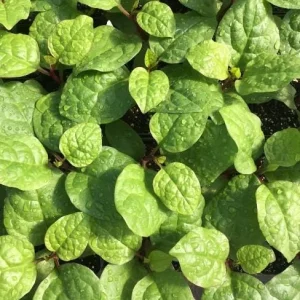
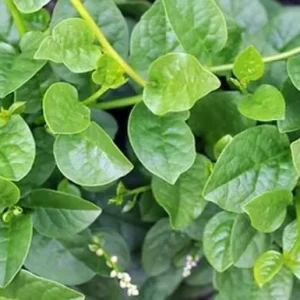
Malabar Spinach Live Plant – Organic, Edible (Bachali, Pui Saag) 8-10 Inch
Cultivate your own fresh, organic malabar spinach live plant, also known as Bachali or Pui Saag. This vibrant, edible leafy green is an excellent addition to any garden or container, offering a continuous harvest of nutritious leaves. Perfect for warm climates, it’s a fast-growing vine that adds a unique texture and flavor to your culinary creations.
$29.96

With our Alive & Thrive Guarantee, we’ve got your back for the first 30 days! If you have any concerns about your plants, just reach out to us. Our team is here to help answer your questions and guide you in selecting the best plants for your garden, climate, and unique preferences. We're excited to help you create the garden of your dreams!
Estimated arrival
Mar 31
Apr 05 - Apr 07
Apr 10 - Apr 14

Product Details
-
USDA Hardiness Zone
USDA zones 9-11 (as perennial), otherwise annual -
Soil type
Rich, well-draining soil -
Sunlight Exposure
Full sun to partial shade -
Expected Planting Period
Spring to early summer (after last frost)
Overview
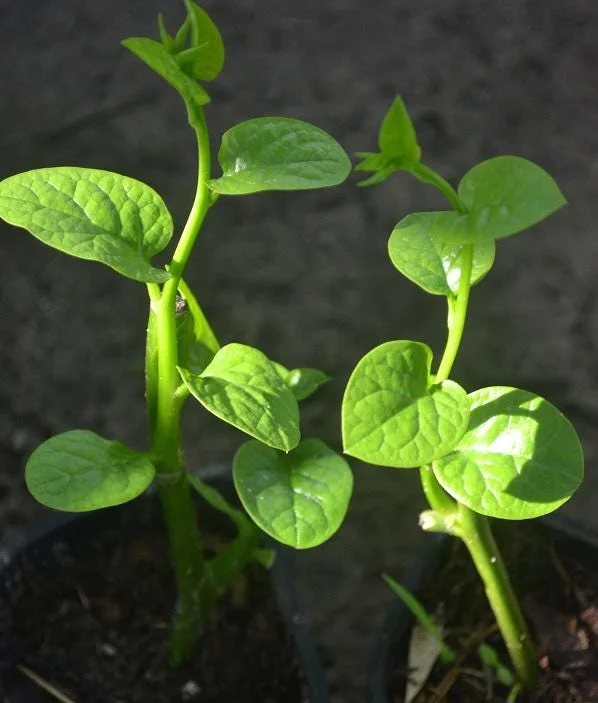
Introduce a delightful and nutritious addition to your garden with our malabar spinach live plant. Often called Bachali, Pui Saag, or Pui green leaf, this isn’t a true spinach but a heat-loving vine that thrives in conditions where traditional spinach bolts. Our organic Malabar Spinach comes as a robust 8-10 inch live plant, ready to be transplanted and begin its vigorous growth. Known botanically as Basella alba (green-stemmed) or Basella rubra (red-stemmed), this plant is celebrated for its succulent, slightly mucilaginous leaves and stems, which are packed with vitamins and minerals. It’s an excellent choice for gardeners looking for an easy-to-grow, highly productive, and visually appealing edible plant, especially in warmer regions of the US. Discover how simple it is to grow malabar spinach right in your backyard or on your patio.
This vining plant offers a continuous supply of fresh, tender leaves throughout the summer and fall, making it a sustainable choice for home gardeners. Unlike regular spinach, Malabar Spinach loves the heat and humidity, making it a reliable performer in many US climates. Its lush, glossy leaves make it not only a culinary asset but also an attractive ornamental vine. Whether you’re an experienced gardener or just starting, this plant provides a rewarding growing experience and a healthy harvest.
Key Benefits
Our malabar spinach live plant offers a multitude of benefits, from its nutritional value to its ease of cultivation. It’s a versatile green that can elevate your cooking and enhance your garden’s biodiversity.
- Nutrient-Rich Edible Green: Malabar Spinach is a powerhouse of nutrition, rich in vitamins A and C, iron, and calcium. Its succulent leaves offer a mild, slightly peppery flavor, making them a healthy and delicious addition to salads, stir-fries, and soups. Enjoy the satisfaction of harvesting your own fresh, organic greens.
- Heat-Tolerant & Vigorous Growth: Unlike traditional spinach, this plant thrives in hot, humid conditions, making it an ideal choice for summer gardens where other greens struggle. It’s a fast-growing vine that can quickly cover trellises or fences, providing abundant yields.
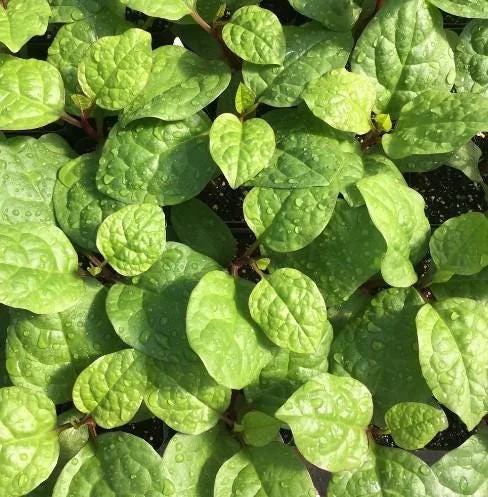
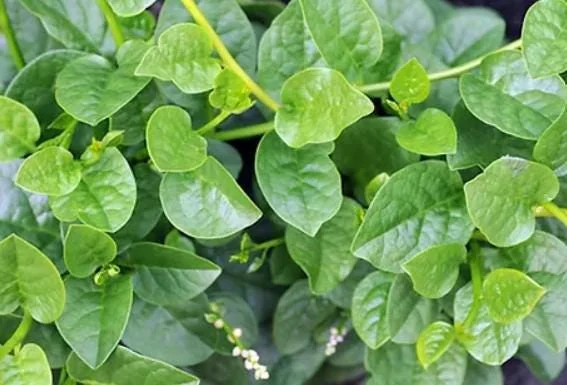
- Ornamental Appeal: With its glossy, heart-shaped leaves and vining habit, the bachali plant is not just edible but also highly decorative. It can be used to create beautiful green screens or add vertical interest to your garden space, combining beauty with utility.
- Low Maintenance: Malabar Spinach is relatively easy to care for once established. It requires consistent watering but is generally pest-resistant and doesn’t demand extensive pruning, making it suitable for busy gardeners.
- Continuous Harvest: By regularly picking the leaves and young shoots, you encourage more growth, ensuring a steady supply of fresh greens throughout the growing season. This makes it a highly productive plant for home consumption.
- Versatile Culinary Use: The leaves and tender stems of the pui saag plant can be used in a variety of dishes, from fresh salads and sandwiches to cooked preparations like curries, stir-fries, and even smoothies. Its slightly mucilaginous texture can also act as a natural thickener in soups.
- Supports Healthy Lifestyle: Growing your own organic produce like edible leafy greens ensures you have access to fresh, chemical-free ingredients, contributing to a healthier diet and sustainable living practices.
Plant Care & Growing Tips
Caring for your malabar spinach live plant is relatively straightforward, especially once it’s established. This heat-loving vine thrives with proper attention to its basic needs, ensuring a bountiful harvest. For optimal growth, choose a location that receives full sun to partial shade. In hotter climates, some afternoon shade can prevent leaf scorching, but at least 6 hours of direct sunlight daily is ideal for robust growth and maximum yield. This plant is a climbing vine, so providing a trellis, stakes, or a fence for support is crucial as it begins to grow. Without support, it will sprawl along the ground.
Watering is key for Malabar Spinach. It prefers consistently moist, but not waterlogged, soil. During hot, dry periods, you may need to water daily. Check the soil moisture by feeling the top inch – if it feels dry, it’s time to water thoroughly. Well-draining soil is essential to prevent root rot. A rich, loamy soil with a pH between 6.5 and 6.8 is ideal. Amend your garden soil with compost or well-rotted manure before planting to improve fertility and drainage. Fertilize monthly with a balanced liquid fertilizer or a slow-release organic granular fertilizer to support its vigorous growth and leaf production. The bachali plant is quite resilient but benefits from regular feeding.
Malabar Spinach is a warm-season crop and is not frost-tolerant. It thrives in temperatures above 70°F (21°C) and can tolerate extreme heat and humidity. It is typically grown as an annual in most of the US, though it can be a perennial in USDA Zones 9-11. Pests are generally not a major issue, but keep an eye out for aphids or spider mites, especially in dry conditions. A strong spray of water can often dislodge these pests, or use organic insecticidal soap if necessary. Regular harvesting of the leaves and young shoots will encourage more branching and a continuous supply of tender greens. Don’t be afraid to harvest frequently to enjoy your fresh pui saag plant!
Size & Details
This offering includes one healthy malabar spinach live plant, measuring approximately 8-10 inches in height from the top of the soil. It comes pre-potted in a nursery container, ensuring its roots are well-established and ready for transplanting into your garden or a larger pot upon arrival. The plant exhibits a vigorous vining growth habit, capable of reaching lengths of 6-10 feet or more when provided with adequate support. Its lush, green, heart-shaped leaves will quickly develop, providing a continuous harvest throughout the warm season.
The plant is shipped in a manner that protects its delicate foliage and root system, ensuring it arrives healthy and ready to thrive. Expect continuous growth and leaf production throughout the summer and fall, with a rapid growth rate once established in warm conditions. This plant is perfect for growing on trellises, fences, or in large containers, offering both an abundant food source and an attractive ornamental feature. You’ll be able to enjoy your own fresh, organic edible leafy greens within weeks of planting.
Frequently Asked Questions
- Q: How big does this Malabar Spinach plant get? A: This Malabar Spinach live plant typically arrives at 8-10 inches tall. As a vining plant, it can grow quite long, often reaching 6 to 10 feet in length or more when given proper support like a trellis or fence.
- Q: Is this an indoor or outdoor plant? A: While it can be grown indoors in a bright, sunny spot, the malabar spinach live plant thrives best outdoors in warm climates. It is a heat-loving plant and performs exceptionally well in garden beds or large containers on patios during the summer months.
- Q: How much sunlight does it need? A: Malabar Spinach requires at least 6 hours of direct sunlight per day for optimal growth and production. In areas with intense summer heat, some afternoon shade can be beneficial to prevent leaf scorching.
- Q: Is this plant easy to care for? A: Yes, Malabar Spinach is considered an easy-to-care-for plant, especially for beginners. It’s tolerant of heat and humidity, relatively pest-resistant, and mainly requires consistent watering and a support structure to climb. Learning to grow malabar spinach is a rewarding experience.
- Q: What condition will it arrive in? A: Your bachali plant will arrive as a healthy, live plant in a nursery pot, carefully packaged to ensure its safety during transit. It will be ready for immediate transplanting into its permanent location.
- Q: Can I use Malabar Spinach in cooking? A: Absolutely! Malabar Spinach is a popular culinary green. Its leaves and tender stems can be used raw in salads, cooked in stir-fries, curries, soups, or even blended into smoothies. It has a mild flavor with a slightly mucilaginous texture.
- Q: What’s the best time to plant Malabar Spinach? A: The best time to plant your pui saag plant is after all danger of frost has passed in spring, once soil temperatures have warmed up. It thrives in warm weather and will continue to produce until the first frost in autumn.
- Q: What kind of soil does it prefer? A: Malabar Spinach prefers rich, well-draining soil with a slightly acidic to neutral pH (6.5-6.8). Amending your soil with compost before planting will provide essential nutrients and improve drainage.
- Q: Is this plant suitable for container gardening? A: Yes, Malabar Spinach is an excellent choice for container gardening, provided the container is large enough (at least 5-gallon capacity) to accommodate its vigorous root system and you offer it a trellis or stake to climb.
- Q: How often should I harvest the leaves? A: You can begin harvesting leaves once the plant is well-established. Regular harvesting of the outer leaves and young shoots will encourage the plant to produce more foliage, ensuring a continuous supply of fresh edible leafy greens throughout the growing season.
Related products
-25%
Original price was: $39.99.$29.90Current price is: $29.90.
-20%
Original price was: $100.00.$80.00Current price is: $80.00.
-30%
Original price was: $59.98.$41.98Current price is: $41.98.
-10%
Original price was: $29.99.$26.99Current price is: $26.99.
-20%
Original price was: $36.00.$28.80Current price is: $28.80.

-20%
Original price was: $28.00.$22.40Current price is: $22.40.
-20%
Original price was: $48.00.$38.40Current price is: $38.40.
PLANTING & CARE
Growing Glencoe Raspberry: A Complete Guide for Gardeners
If you’re looking to add something unique to your garden, look no further than the
31
Mar
Mar

The Comprehensive Guide to Growing Bay Leaf Plants for a Flavorful Garden
Imagine stepping into your garden, greeted by the earthy aroma of fresh bay leaves, their
09
Feb
Feb

How to Make Comfrey Tea: The Ultimate Organic Plant Food
Growing an organic garden can be surprisingly expensive, especially when most store-bought fertilizers come in
02
Feb
Feb

True Comfrey: 7 Essential Tips Before You Plant This Herb
A staple in permaculture practices across the US, True Comfrey easily earns its reputation as
27
Jan
Jan

7 Heart-Shaped Plants for a Lasting Valentine’s Gift
If you’ve ever bought a bouquet of roses for Valentine’s Day, you know they are
26
Jan
Jan

Best Types of Ivy Plant for Houses: How to Choose the Perfect Ones for Your Home
Are you a garden lover looking to introduce some greenery into your home? Maybe you’ve
14
Nov
Nov

When to Harvest Garlic (Especially Fall-Planted Garlic)
TIMING IS EVERYTHING, they say – and for garlic, that truth hits with surprising accuracy.
13
Nov
Nov

11 of the Best Sweet Potato Varieties to Grow for Your Garden
If you’ve ever tried growing sweet potatoes, you know that picking the right variety can
12
Nov
Nov