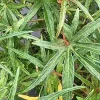
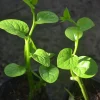
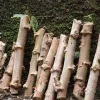
Cassava Plant – Live Yuca Plant – 4 Inch Pot – Edible Root Crop
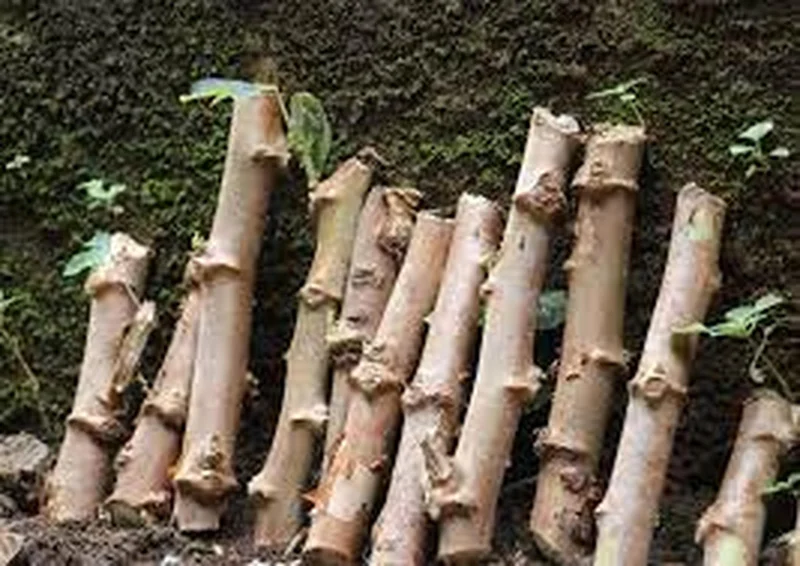
Cassava Plant – Live Yuca Plant – 4 Inch Pot – Edible Root Crop
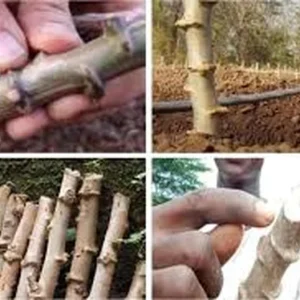
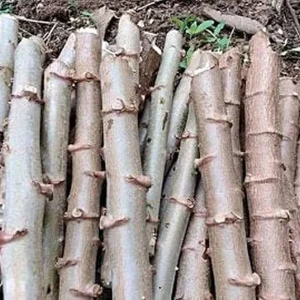
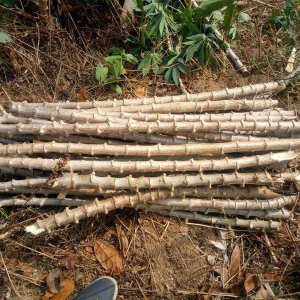
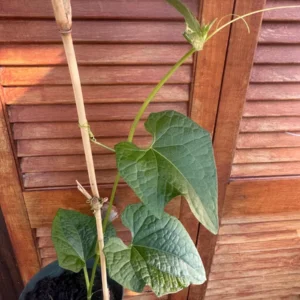
Cultivate your own food source with this cassava plant, also known as yuca plant. Arriving in a 4-inch pot, this live specimen is ready to thrive in your garden or a large container, offering both ornamental appeal and delicious, starchy roots. Ideal for those looking to grow cassava at home.
$49.99

With our Alive & Thrive Guarantee, we’ve got your back for the first 30 days! If you have any concerns about your plants, just reach out to us. Our team is here to help answer your questions and guide you in selecting the best plants for your garden, climate, and unique preferences. We're excited to help you create the garden of your dreams!
Estimated arrival
Mar 31
Apr 05 - Apr 07
Apr 10 - Apr 14

Product Details
-
USDA Hardiness Zone
USDA zones 9-11 (as perennial); can be grown as annual in cooler zones -
Soil type
Well-draining, sandy loam -
Sunlight Exposure
Full sun (6-8 hours direct light) -
Expected Planting Period
Spring to early summer (after last frost)
Overview
Bring the tropics to your home garden with this vibrant cassava plant, delivered to you in a healthy 4-inch pot. Also widely known as yuca plant, manioc, or tapioca, Manihot esculenta is a versatile and resilient tropical perennial shrub cultivated primarily for its starchy, tuberous roots. These roots are a significant staple food in many parts of the world, providing a rich source of carbohydrates. Beyond its culinary value, the cassava plant boasts attractive palmate leaves that add an exotic touch to any landscape or large container garden. This particular specimen is a live, ready-to-plant starter, perfect for gardeners eager to embark on the rewarding journey of growing their own edible root crops. Its robust nature makes it a fascinating addition, whether you’re an experienced gardener or just starting to explore unique edible plants.
The cassava plant is celebrated not only for its edible roots but also for its adaptability and relatively low maintenance requirements in suitable climates. It’s an excellent choice for those interested in food gardening, permaculture, or simply adding a distinctive, productive plant to their collection. With proper care, your yuca plant will develop into a substantial shrub, yielding nutritious roots that can be boiled, fried, or processed into flour. Begin your adventure in growing this fascinating and beneficial tropical edible plant today.
Key Benefits
The cassava plant offers a multitude of benefits, making it an excellent choice for diverse gardeners. From its significant food production to its aesthetic appeal, this plant is a true garden asset:
- Edible Root Production: The primary benefit of growing a cassava plant is the harvest of its starchy, nutritious roots, also known as yuca. These versatile tubers can be used in a wide array of culinary dishes, providing a substantial and healthy food source for your household. You can boil, fry, bake, or mash them, and they are naturally gluten-free.
- Ornamental Appeal: With its distinctively lobed, palmate leaves, the yuca plant provides a lush, tropical aesthetic to your garden or patio. Its unique foliage creates an ideal focal point or a backdrop for other plants, enhancing the visual appeal of your outdoor spaces.
- Drought Tolerance: Once established, cassava plants are remarkably drought-tolerant, making them a sustainable choice for gardens in warmer climates or areas with less consistent rainfall. This resilience reduces the need for frequent watering, saving time and resources.
- Versatile Culinary Use: The roots of this edible root plant are incredibly versatile in the kitchen. They can be prepared in numerous ways, from traditional Latin American and African dishes to modern culinary experiments. This offers a unique ingredient for healthy and diverse meals.
- Easy to Grow from Starter: This cassava plant arrives as a healthy starter in a 4-inch pot, significantly simplifying the initial growing process compared to starting from cuttings. It provides a head start, allowing you to establish a robust plant more quickly.
- Sustainable Food Source: Growing your own cassava contributes to food independence and sustainable living. It’s a high-yielding crop that can provide a reliable source of carbohydrates, reducing reliance on store-bought alternatives and offering fresh, organic produce.
- Adaptable to Various Conditions: While thriving in tropical conditions, the tropical edible plant can adapt to a range of soil types and can even be grown in large containers in cooler climates, provided it receives sufficient warmth and sunlight during its growing season.
Plant Care & Growing Tips
Caring for your cassava plant ensures a bountiful harvest and healthy growth. Originating from tropical regions, cassava thrives in warm, humid conditions but can be successfully grown in many subtropical areas and even as an annual in temperate zones if protected from frost. The key to successful cultivation lies in providing adequate sunlight, well-draining soil, and consistent moisture during its active growth phase.
For sunlight, the yuca plant requires full sun, meaning at least 6-8 hours of direct sunlight per day to produce strong roots. In extremely hot climates, some afternoon shade can be beneficial to prevent leaf scorch. When it comes to watering, keep the soil consistently moist but never waterlogged, especially during dry spells. Once established, it shows good drought tolerance, but regular watering promotes better root development. The ideal soil for growing cassava is well-draining, sandy loam with a pH between 5.5 and 6.5. Amend heavy clay soils with organic matter like compost and sand to improve drainage. For container growing, use a large pot (at least 15-20 gallons) with good drainage holes and a high-quality potting mix.
Cassava is a heat-loving plant, ideally suited for USDA zones 9-11 as a perennial. In cooler zones, it can be grown as an annual, planted after all danger of frost has passed. Fertilize every 4-6 weeks during the growing season with a balanced, all-purpose fertilizer or one slightly higher in potassium to encourage root development. Monitor for common pests like spider mites or whiteflies, especially in dry conditions, and treat with organic insecticidal soap if necessary. Ensure good air circulation to prevent fungal diseases. Harvesting typically occurs 8-12 months after planting, when the roots have fully matured. Dig carefully around the base of the plant to extract the tubers. This edible root plant is generally robust, but consistent warmth and moisture are crucial for optimal yield.
Size & Details
This offering is for one live cassava plant, carefully nurtured and shipped in a 4-inch nursery pot. At the time of shipping, the plant will typically stand between 6 to 12 inches tall, depending on growth stage and variety, with established roots ready for transplanting. Cassava is a fast-growing plant that, under ideal conditions, can reach heights of 6 to 10 feet with a similar spread. The roots, which are the primary harvest, can grow quite large, often 1 to 3 feet long and several inches in diameter at maturity. Expect the plant to begin producing harvestable roots within 8 to 12 months after planting, though some varieties may take longer.
The plant will arrive with healthy foliage, securely packaged to ensure its safe journey. It is a vigorous grower, and with adequate space and care, it will quickly establish itself. When planting, choose a location or container that can accommodate its mature size. This tropical edible plant is a long-term investment, providing both a striking ornamental presence and a sustainable food source for many months to come. Plant in spring or early summer for best results, allowing ample time for root development before any potential cool weather.
Frequently Asked Questions
- Q: How big does this plant get? A: This cassava plant is shipped in a 4-inch pot, typically 6-12 inches tall. When mature, it can grow 6 to 10 feet tall and wide, producing substantial edible roots.
- Q: Is this an indoor or outdoor plant? A: While primarily an outdoor plant in warm climates (USDA zones 9-11), the yuca plant can be grown in large containers and brought indoors during colder months in temperate regions, or grown as an annual.
- Q: How much sunlight does it need? A: To thrive and produce good roots, the cassava plant requires full sun, meaning at least 6-8 hours of direct sunlight per day. In very hot climates, some afternoon shade can be beneficial.
- Q: Is this plant easy to care for? A: Yes, once established, the edible root plant is relatively low-maintenance. It prefers consistent warmth, well-draining soil, and regular watering during its active growth period, and is quite drought-tolerant.
- Q: What condition will it arrive in? A: Your tropical edible plant will arrive as a healthy, rooted starter in a 4-inch nursery pot, carefully packaged to minimize stress during transit.
- Q: Can I use the leaves for cooking? A: While the roots are the primary edible part, young cassava leaves are also consumed in some cuisines, but they must be properly prepared (boiled extensively) to remove naturally occurring cyanogenic compounds. Always research proper preparation methods.
- Q: How long until I can harvest the roots? A: Typically, the roots of your cassava plant are ready for harvest 8 to 12 months after planting. Some varieties may take up to 18 months to fully mature.
- Q: What kind of soil is best for growing cassava? A: The best soil for growing cassava is well-draining, sandy loam with a slightly acidic to neutral pH (5.5-6.5). Good drainage is crucial to prevent root rot.
- Q: Is this plant suitable for beginners? A: Yes, with attention to its light and warmth requirements, the yuca plant can be a rewarding choice for beginner gardeners looking to grow something unique and edible.
- Q: What is the minimum temperature this plant can tolerate? A: Cassava is very sensitive to cold. It will suffer damage or die if temperatures drop below 50°F (10°C) for extended periods. It is not frost-tolerant.
Related products
-20%
Original price was: $36.00.$28.80Current price is: $28.80.
-20%
Original price was: $35.00.$28.00Current price is: $28.00.
-20%
Original price was: $60.00.$48.00Current price is: $48.00.
-25%
Original price was: $39.99.$29.90Current price is: $29.90.
-10%
Original price was: $19.99.$17.99Current price is: $17.99.
-78%
Original price was: $39.99.$8.99Current price is: $8.99.
-20%
Original price was: $48.00.$38.40Current price is: $38.40.
-20%
Original price was: $36.00.$28.80Current price is: $28.80.
PLANTING & CARE
Growing Glencoe Raspberry: A Complete Guide for Gardeners
If you’re looking to add something unique to your garden, look no further than the
31
Mar
Mar

The Comprehensive Guide to Growing Bay Leaf Plants for a Flavorful Garden
Imagine stepping into your garden, greeted by the earthy aroma of fresh bay leaves, their
09
Feb
Feb

How to Make Comfrey Tea: The Ultimate Organic Plant Food
Growing an organic garden can be surprisingly expensive, especially when most store-bought fertilizers come in
02
Feb
Feb

True Comfrey: 7 Essential Tips Before You Plant This Herb
A staple in permaculture practices across the US, True Comfrey easily earns its reputation as
27
Jan
Jan

7 Heart-Shaped Plants for a Lasting Valentine’s Gift
If you’ve ever bought a bouquet of roses for Valentine’s Day, you know they are
26
Jan
Jan

Best Types of Ivy Plant for Houses: How to Choose the Perfect Ones for Your Home
Are you a garden lover looking to introduce some greenery into your home? Maybe you’ve
14
Nov
Nov

When to Harvest Garlic (Especially Fall-Planted Garlic)
TIMING IS EVERYTHING, they say – and for garlic, that truth hits with surprising accuracy.
13
Nov
Nov

11 of the Best Sweet Potato Varieties to Grow for Your Garden
If you’ve ever tried growing sweet potatoes, you know that picking the right variety can
12
Nov
Nov