Barbados Cherry Live Plant – Half Gallon Pot, Acerola Fruit Tree
Barbados Cherry Live Plant – Half Gallon Pot, Acerola Fruit Tree
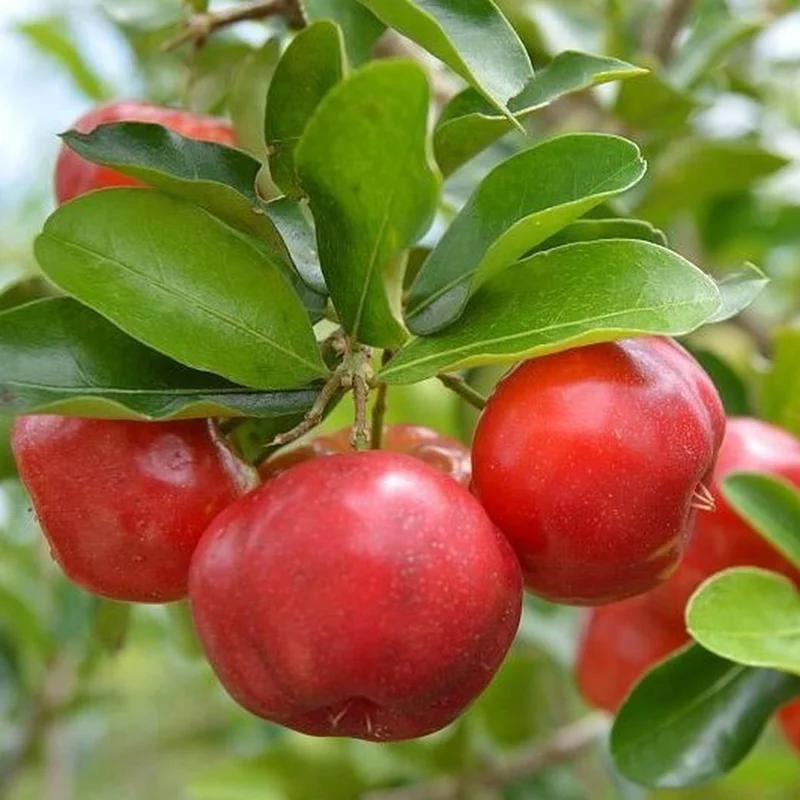
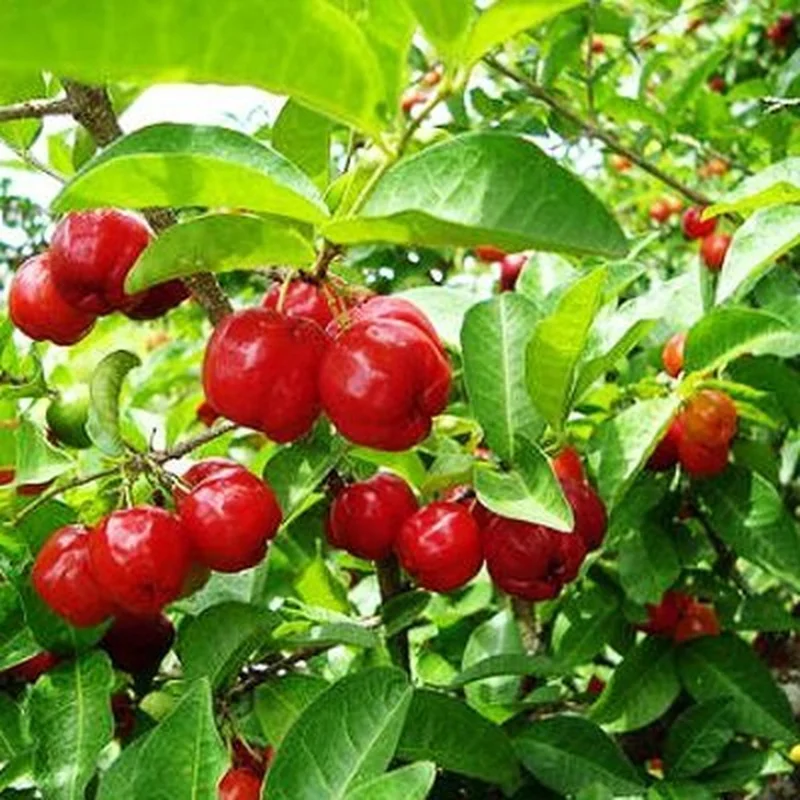
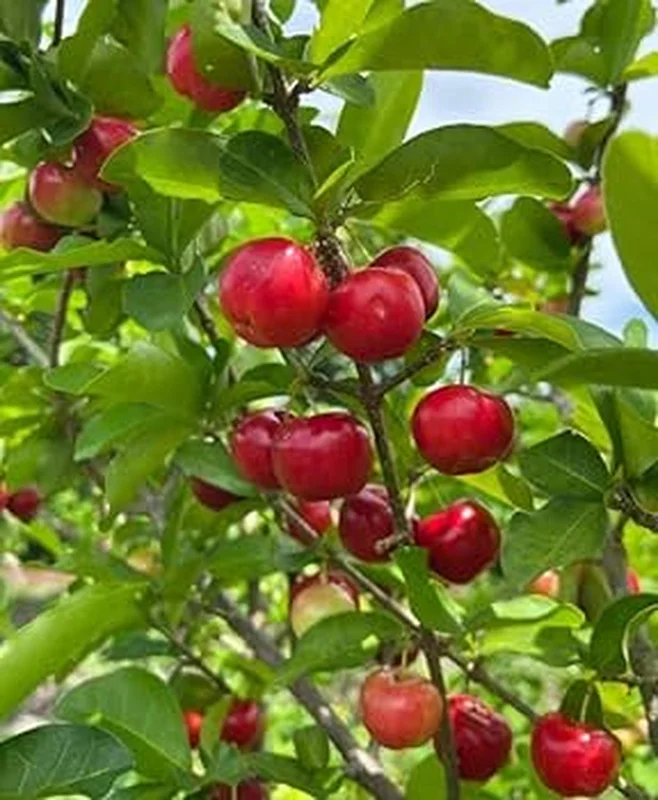
Bring the tropics to your home with a vibrant Barbados Cherry live plant in a convenient half-gallon pot. Known for its delicious and vitamin-rich acerola cherries, this plant is perfect for edible landscaping or container gardening. Enjoy fresh fruit directly from your garden.
$41.96

With our Alive & Thrive Guarantee, we’ve got your back for the first 30 days! If you have any concerns about your plants, just reach out to us. Our team is here to help answer your questions and guide you in selecting the best plants for your garden, climate, and unique preferences. We're excited to help you create the garden of your dreams!
Estimated arrival
Mar 31
Apr 05 - Apr 07
Apr 10 - Apr 14
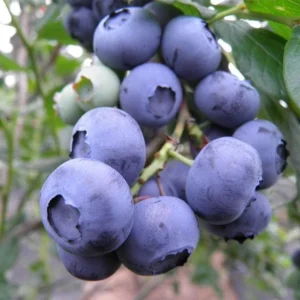
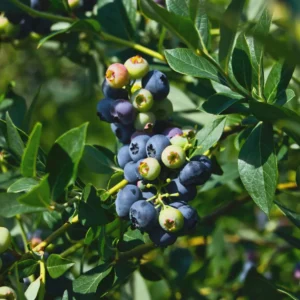
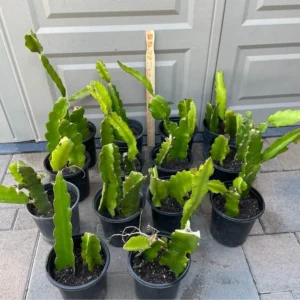
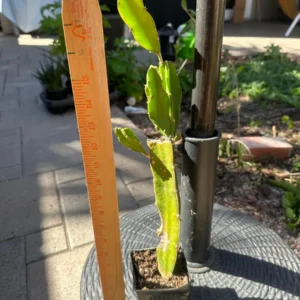
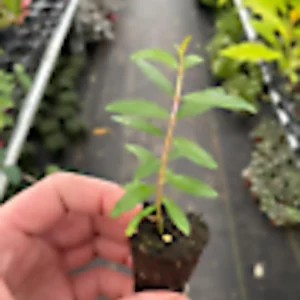
Product Details
-
USDA Hardiness Zone
USDA zones 9-11 -
Soil type
Well-draining, rich in organic matter -
Sunlight Exposure
Full sun (6-8+ hours direct light) -
Expected Planting Period
Spring to early summer
Overview
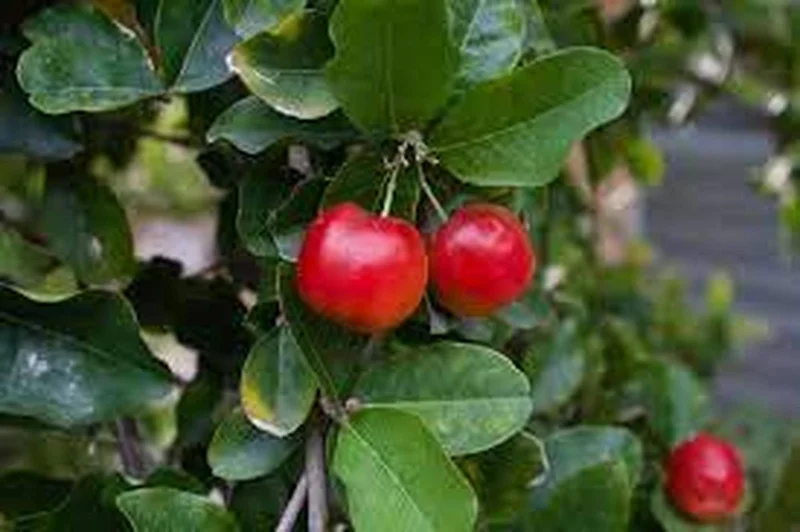
Discover the joy of growing your own superfruits with our premium Barbados Cherry live plant. This robust, half-gallon specimen of Malpighia emarginata (also known as Malpighia glabra or acerola cherry tree) is ready to thrive in your garden or a spacious container. Originating from the Caribbean, Central, and South America, the Barbados Cherry is celebrated for its tart, vitamin C-packed fruit, often referred to simply as acerola cherries. This fast-growing shrub or small tree produces abundant, bright red fruits that are not only delicious but also highly nutritious. Whether you’re an experienced gardener or just starting, this adaptable plant offers a rewarding cultivation experience, bringing both ornamental beauty and edible bounty to your outdoor space.
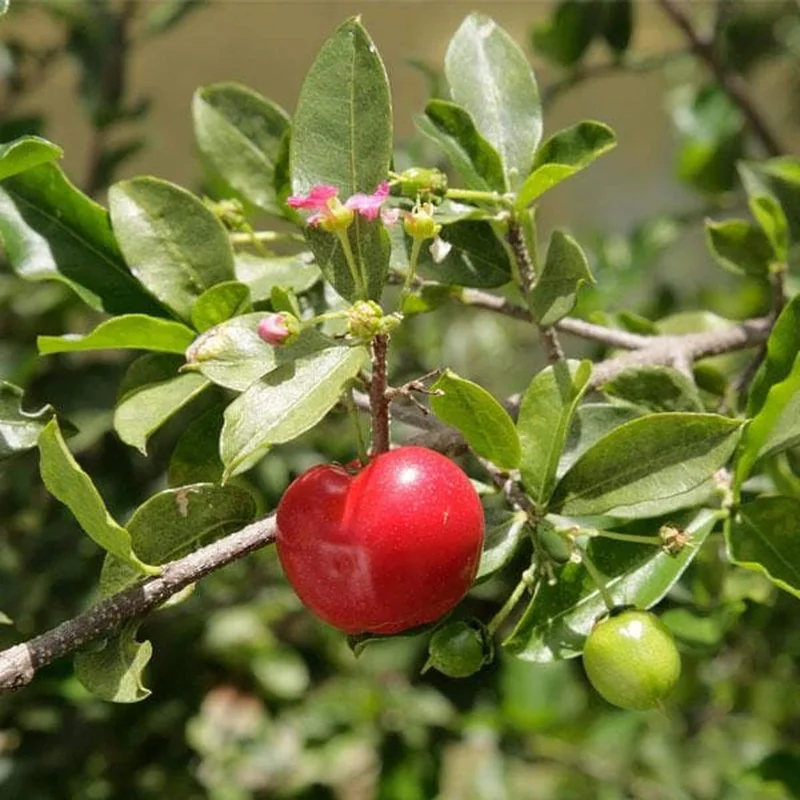
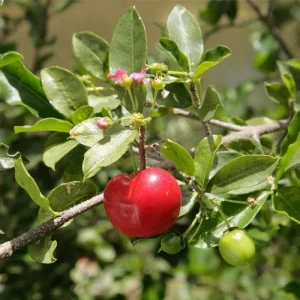
Our Barbados Cherry live plant is carefully cultivated to ensure a healthy start in your home. It arrives in a half-gallon nursery pot, providing a well-established root system for successful transplantation. This plant is an excellent choice for those looking to add an exotic, fruit-bearing specimen to their collection without significant effort. Enjoy the lush green foliage and delicate pink flowers that precede the vibrant red cherries, making it a beautiful and productive addition to any landscape.
Key Benefits
Cultivating a Barbados Cherry live plant offers a multitude of advantages, from its aesthetic appeal to its remarkable health benefits and ease of care. Here are some of the key benefits you’ll enjoy:
-
Exceptional Nutritional Value: The primary allure of the acerola cherry tree is its fruit, which is renowned for being one of the richest natural sources of Vitamin C. Just a few cherries can provide more than the daily recommended intake, boosting immunity and overall health. They also contain significant amounts of Vitamin A, B vitamins, iron, calcium, and antioxidants.
-
Delicious Edible Fruit: Enjoy the tart and tangy flavor of fresh acerola cherries directly from your plant. Perfect for eating fresh, making juices, jams, jellies, or adding to smoothies. The prolific fruiting ensures a steady supply throughout its season.
-
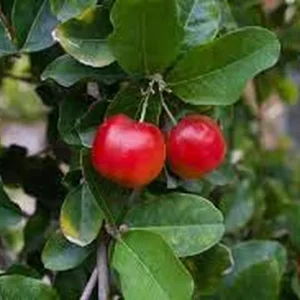
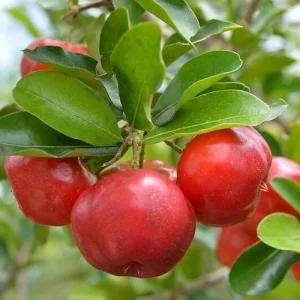
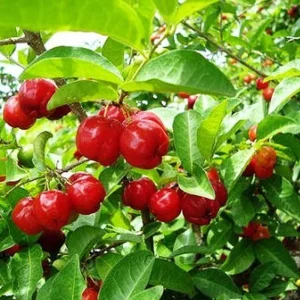
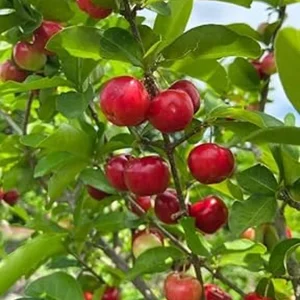
Beautiful Ornamental Plant: Beyond its fruit, the Barbados Cherry is a visually appealing plant. It features glossy, dark green leaves and delicate, small pink to lavender flowers that bloom intermittently, adding a touch of tropical charm to your garden or patio. The bright red fruits create a stunning contrast against the foliage.
-
Adaptable and Resilient: This plant is relatively easy to care for and can adapt to various growing conditions. It is drought-tolerant once established and can be grown as a shrub, small tree, or even pruned into a hedge, making it versatile for different garden designs.
-
Attracts Pollinators: The charming flowers of the Barbados Cherry attract bees and other beneficial pollinators to your garden, contributing to a healthier ecosystem and improving fruit set for other plants.
-
Suitable for Container Growing: If you have limited space or live in a cooler climate, this acerola fruit plant thrives in large pots, allowing you to move it indoors during cold weather and enjoy fresh fruit year after year.
-
Fast Growing and Productive: The Barbados Cherry is known for its relatively fast growth rate and can begin producing fruit within 1-2 years under optimal conditions, offering a quick return on your gardening investment.
Plant Care & Growing Tips
To ensure your Barbados Cherry live plant flourishes and produces abundant fruit, follow these essential care and growing tips. This tropical plant thrives in warm conditions and requires specific attention to sunlight, watering, and soil. Understanding how to grow Barbados cherry successfully involves mimicking its native environment as closely as possible.
Sunlight: The Barbados Cherry is a sun-loving plant. It requires at least 6-8 hours of direct sunlight per day to produce the best fruit. In very hot climates, some afternoon shade can be beneficial to prevent leaf scorch, but generally, full sun is preferred. If growing indoors, place it near a south-facing window or use supplemental grow lights to ensure it receives adequate light.
Watering: While drought-tolerant once established, young Barbados Cherry plants and those in containers need consistent moisture. Water deeply when the top 1-2 inches of soil feel dry to the touch. Ensure the soil is well-draining to prevent root rot. Reduce watering frequency during cooler months or if the plant is dormant. Avoid overwatering, as this can be detrimental to the plant’s health.
Soil: This plant prefers well-draining, slightly acidic to neutral soil (pH 6.0-7.0) that is rich in organic matter. A good quality potting mix amended with compost works well for container-grown plants. For in-ground planting, ensure the soil drains freely; amend heavy clay soils with sand or perlite to improve drainage. Good drainage is crucial for preventing waterlogging around the roots.
Temperature & USDA Hardiness: The Barbados Cherry is a tropical to subtropical plant, ideally suited for USDA hardiness zones 9-11. It can tolerate brief periods of temperatures down to 28-30°F (-2 to -1°C) but will suffer damage or die back with prolonged freezing temperatures. If you live in a colder zone, it’s best to grow this acerola fruit plant in a container and bring it indoors during winter or provide frost protection.
Fertilization: Fertilize your Barbados Cherry plant during the active growing season (spring and summer) with a balanced, slow-release fertilizer or a liquid fertilizer formulated for fruit-bearing plants. Follow the product instructions for application rates. Reduce or stop fertilization during fall and winter. Regular feeding supports vigorous growth and fruit production.
Pruning: Prune your Barbados Cherry to maintain its shape, control size, and encourage more prolific fruiting. Pruning can be done after the main fruiting season. Remove any dead, diseased, or crossing branches. You can also lightly prune to encourage bushier growth or to train it as a small tree. Regular pruning helps improve air circulation and sunlight penetration.
Pest & Disease Control: The Barbados Cherry is generally resistant to most pests and diseases. However, keep an eye out for common garden pests like aphids, scale insects, or spider mites, especially on indoor plants. Treat with organic insecticidal soap or neem oil if infestations occur. Ensure good air circulation to prevent fungal issues.
Size & Details
This offering is for one healthy Barbados Cherry live plant, shipped in a sturdy half-gallon nursery pot. The plant’s height will vary depending on its growth stage but typically ranges from 8-18 inches tall from the base of the pot upon arrival, providing a substantial start for your garden. With proper care, this plant is a relatively fast grower and can reach a mature height of 6-10 feet as a shrub or small tree, though it can be kept smaller with regular pruning, making it ideal for container gardening. It begins to bear fruit within 1-2 years of planting under optimal conditions, offering beautiful pink flowers and delicious red cherries. The mature spread can be similar to its height, creating a dense, attractive bush. Expect multiple flushes of flowers and fruit throughout the warm growing season.
Frequently Asked Questions
-
Q: How big does this Barbados Cherry live plant get? A: While it arrives in a half-gallon pot, a mature Barbados Cherry live plant can grow into a shrub or small tree, reaching heights of 6 to 10 feet with a similar spread. Its size can be managed with regular pruning, making it suitable for various garden spaces or large containers.
-
Q: Is this an indoor or outdoor plant? A: The Barbados Cherry live plant thrives outdoors in USDA zones 9-11. In cooler climates, it can be grown outdoors during warm months and brought indoors as a potted plant during winter to protect it from frost.
-
Q: How much sunlight does the acerola cherry tree need? A: This plant requires at least 6-8 hours of direct sunlight daily to produce the best fruit. If growing indoors, place it in the brightest possible location, ideally a south-facing window, or supplement with grow lights.
-
Q: Is this plant easy to care for? A: Yes, the Barbados Cherry is considered relatively easy to care for, especially in appropriate climates. It’s known for its resilience and drought tolerance once established, making it a good choice for both beginner and experienced gardeners looking to grow Barbados cherry.
-
Q: What condition will the Barbados Cherry live plant arrive in? A: Your Barbados Cherry live plant will arrive securely packaged in a half-gallon nursery pot, with a well-established root system and healthy foliage, ready for planting or transplanting.
-
Q: When is the best time to plant this acerola fruit plant? A: The best time to plant your Barbados Cherry is in spring or early summer, after all danger of frost has passed, to allow it to establish before the peak heat or colder temperatures. If growing in a container, it can be planted any time of year.
-
Q: Can I use the fruit from this plant? A: Absolutely! The fruit of the acerola fruit plant is highly prized for its high vitamin C content and tart flavor. It can be eaten fresh, juiced, or used in jams, jellies, and desserts.
-
Q: Will it survive winter in my zone? A: The Barbados Cherry is best suited for USDA zones 9-11. If you are in a colder zone, it will need to be protected from frost or brought indoors during the winter months to survive.
-
Q: What kind of soil does this plant prefer? A: It prefers well-draining, slightly acidic to neutral soil (pH 6.0-7.0) that is rich in organic matter. For potted plants, a good quality potting mix with added compost is ideal.
-
Q: Is the Barbados Cherry plant self-pollinating? A: Yes, Myrciaria emarginata is generally self-pollinating, meaning a single plant can produce fruit without the need for another plant for cross-pollination. However, having multiple plants can sometimes lead to increased fruit production.
Related products
-20%
Original price was: $50.00.$40.00Current price is: $40.00.
-20%
Original price was: $36.00.$28.80Current price is: $28.80.
-20%
Original price was: $56.00.$44.80Current price is: $44.80.
-20%
Original price was: $80.00.$64.00Current price is: $64.00.
-10%
Original price was: $28.99.$26.09Current price is: $26.09.
-10%
Original price was: $158.00.$142.20Current price is: $142.20.
-10%
Original price was: $89.99.$80.99Current price is: $80.99.
PLANTING & CARE

Growing Glencoe Raspberry: A Complete Guide for Gardeners
If you’re looking to add something unique to your garden, look no further than the
31
Mar
Mar

The Comprehensive Guide to Growing Bay Leaf Plants for a Flavorful Garden
Imagine stepping into your garden, greeted by the earthy aroma of fresh bay leaves, their
09
Feb
Feb

How to Make Comfrey Tea: The Ultimate Organic Plant Food
Growing an organic garden can be surprisingly expensive, especially when most store-bought fertilizers come in
02
Feb
Feb

True Comfrey: 7 Essential Tips Before You Plant This Herb
A staple in permaculture practices across the US, True Comfrey easily earns its reputation as
27
Jan
Jan

7 Heart-Shaped Plants for a Lasting Valentine’s Gift
If you’ve ever bought a bouquet of roses for Valentine’s Day, you know they are
26
Jan
Jan

Best Types of Ivy Plant for Houses: How to Choose the Perfect Ones for Your Home
Are you a garden lover looking to introduce some greenery into your home? Maybe you’ve
14
Nov
Nov

When to Harvest Garlic (Especially Fall-Planted Garlic)
TIMING IS EVERYTHING, they say – and for garlic, that truth hits with surprising accuracy.
13
Nov
Nov

11 of the Best Sweet Potato Varieties to Grow for Your Garden
If you’ve ever tried growing sweet potatoes, you know that picking the right variety can
12
Nov
Nov