Organic Ashwagandha Indian Ginseng Live Plant – Half Gallon Pot
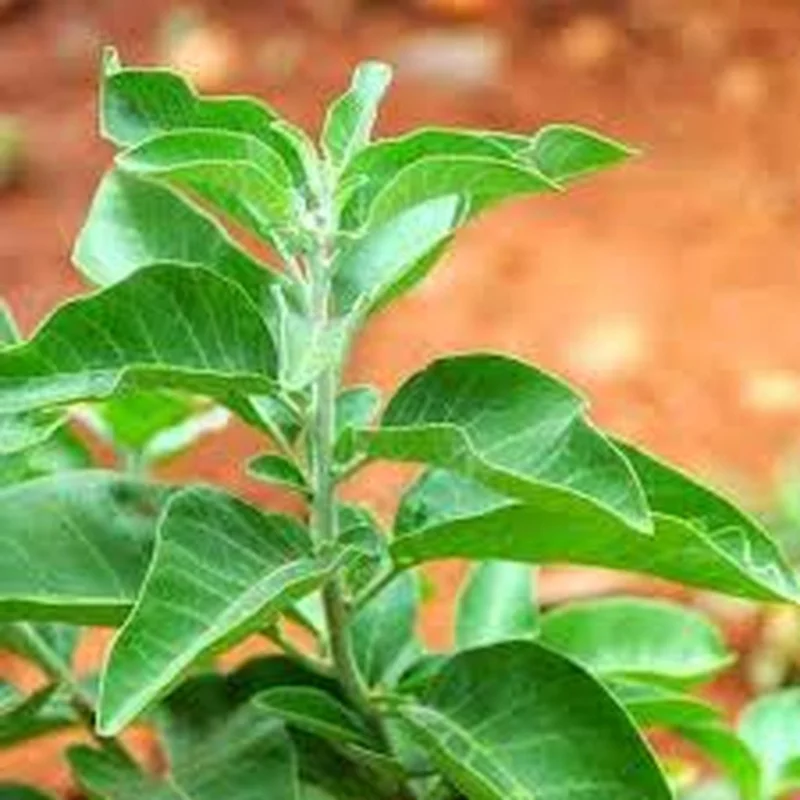
Organic Ashwagandha Indian Ginseng Live Plant – Half Gallon Pot
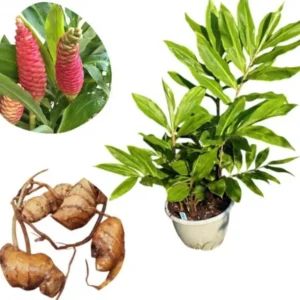
Cultivate wellness with an organic ashwagandha live plant, also known as Indian ginseng plant. This heirloom variety arrives in a convenient half-gallon pot, ready for your garden or patio. Known for its adaptogenic properties, it’s a rewarding addition for those interested in natural remedies and easy to grow ashwagandha at home.
$37.96

With our Alive & Thrive Guarantee, we’ve got your back for the first 30 days! If you have any concerns about your plants, just reach out to us. Our team is here to help answer your questions and guide you in selecting the best plants for your garden, climate, and unique preferences. We're excited to help you create the garden of your dreams!
Estimated arrival
Mar 31
Apr 05 - Apr 07
Apr 10 - Apr 14
Product Details
-
USDA Hardiness Zone
USDA zones 9-11 (perennial), grown as annual elsewhere -
Soil type
Well-draining, sandy loam -
Sunlight Exposure
Full sun -
Expected Planting Period
Spring to early summer
Overview
Bring the ancient wisdom of Ayurveda into your home with this exquisite organic ashwagandha live plant. Revered for centuries in traditional medicine, Ashwagandha (Withania somnifera) is also commonly known as Indian ginseng plant. This heirloom variety is a robust and resilient perennial shrub, perfect for both novice and experienced gardeners. It arrives carefully nurtured in a half-gallon pot, ensuring a healthy start in your garden or container. Ashwagandha is celebrated for its adaptogenic properties, believed to help the body manage stress and support overall well-being. Growing your own allows for a fresh, organic supply of this powerful herb.
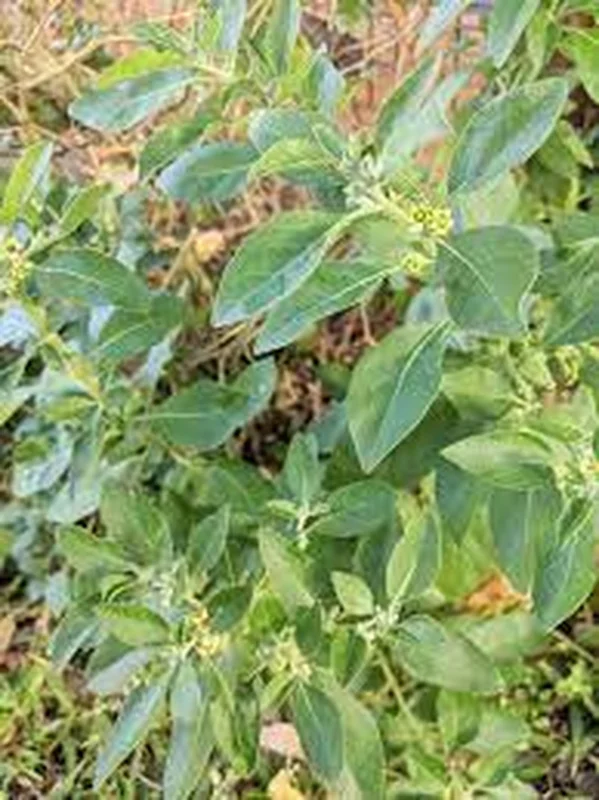
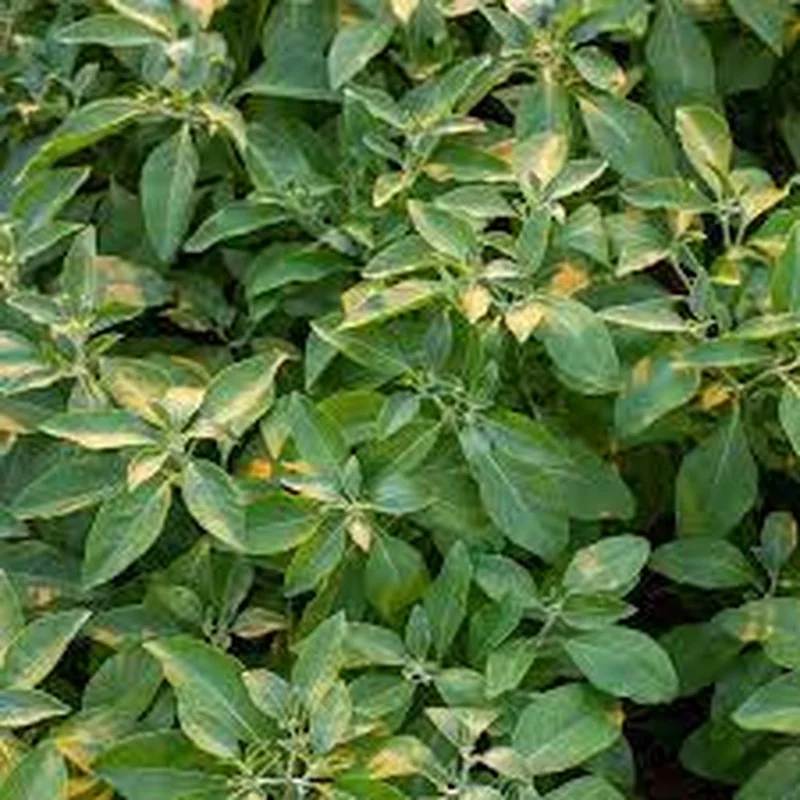
Our organic ashwagandha live plant is grown with sustainable practices, free from synthetic pesticides and fertilizers, guaranteeing a pure and potent herb for your personal use. The plant features attractive oval leaves and produces small, bell-shaped flowers that give way to red-orange berries encased in a papery calyx, resembling a tiny lantern. While the berries are not typically consumed, the roots are the primary part used for medicinal purposes. This plant is not only beneficial but also adds a unique botanical interest to any herb garden or sunny patio.
Key Benefits
Adding an organic ashwagandha live plant to your collection offers numerous advantages, extending beyond its ornamental appeal. This remarkable herb is a fantastic choice for those seeking both beauty and utility in their garden.
- Supports Well-being: Ashwagandha is a renowned adaptogen, meaning it helps the body adapt to various stressors. Growing your own ensures a fresh source of this herb, allowing you to harness its potential benefits for a balanced lifestyle.
- Easy to Grow: Despite its exotic origins, the Indian ginseng plant is surprisingly low-maintenance and forgiving, making it an excellent choice for gardeners of all skill levels. It tolerates various conditions once established.
- Heirloom Quality: This plant is an heirloom variety, preserving genetic diversity and traditional characteristics. You’re cultivating a piece of botanical history with strong, reliable growth.
- Medicinal Garden Addition: Ideal for creating a dedicated herbal or medicinal garden. Having organic ashwagandha live plant on hand allows for immediate access to its roots when needed for tinctures, teas, or powders.
- Attractive Foliage: Beyond its medicinal value, Ashwagandha boasts simple, elegant green leaves and delicate flowers, adding a subtle charm to your garden space, whether in the ground or in a container.
- Promotes Self-Sufficiency: Learning to grow ashwagandha at home empowers you to be more self-sufficient in sourcing natural remedies and understanding the plant’s life cycle from seed to harvest.
- Sustainability: By growing your own, you reduce your reliance on commercially processed products, supporting a more sustainable and eco-conscious lifestyle.
Plant Care & Growing Tips
Caring for your organic ashwagandha live plant is relatively straightforward, especially once it’s established. This resilient herb thrives with minimal fuss when provided with the right conditions. Ashwagandha prefers a location that receives full sun, meaning at least 6-8 hours of direct sunlight per day. In very hot climates, a little afternoon shade can be beneficial to prevent scorching, but generally, the more sun, the better for robust root development.
When it comes to watering, Ashwagandha is somewhat drought-tolerant once mature, but young plants require consistent moisture. Water thoroughly when the top inch or two of soil feels dry to the touch, and then allow the soil to dry out slightly before the next watering. Avoid overwatering, as this can lead to root rot. The ideal soil for the Indian ginseng plant is well-draining, sandy loam with a neutral to slightly alkaline pH (6.5-8.0). If planting in a pot, ensure it has drainage holes and use a good quality potting mix amended with sand or perlite for improved drainage. Ashwagandha is best grown as an annual in most temperate zones, but it can be perennial in USDA zones 9-11. For fertilizing, a balanced, organic slow-release fertilizer can be applied once a month during the growing season, or you can amend the soil with compost.
To ensure healthy growth and maximize your harvest, consider the specific needs of your organic ashwagandha live plant. While generally pest-resistant, keep an eye out for common garden pests and address them with organic solutions if they appear. The primary harvest is the root, which is typically ready after 150-180 days of growth. To grow ashwagandha at home successfully, ensure good air circulation to prevent fungal issues, especially in humid environments. Protecting plants from frost is crucial if you intend to overwinter them in cooler zones; container-grown plants can be moved indoors.
Size & Details
This organic ashwagandha live plant is delivered in a healthy state, nestled in a half-gallon nursery pot. At the time of shipment, plants typically stand between 6 to 12 inches tall, depending on the growing season and specific batch. Ashwagandha is a fast-growing plant and can reach a mature height of 2 to 3 feet tall with a similar spread when grown in optimal conditions. The plant will continue to grow and develop its valuable root system throughout the season. It is shipped as a well-rooted, actively growing specimen, ready to establish quickly in its new environment. Expect robust growth, with the plant producing its characteristic leaves and small flowers before focusing energy on root development, which is the prized part of the Indian ginseng plant.
Frequently Asked Questions
- Q: How big does this ashwagandha plant get? A: Your organic ashwagandha live plant typically grows 2 to 3 feet tall and equally wide at maturity, forming a bushy, herbaceous shrub.
- Q: What size pot does it come in? A: This plant arrives in a convenient half-gallon nursery pot, providing a good foundation for continued growth.
- Q: Is this an indoor or outdoor plant? A: Ashwagandha can be grown both indoors and outdoors. It thrives outdoors in full sun and warm climates (USDA zones 9-11) or as an annual elsewhere. It can also be grown indoors in a sunny window or under grow lights.
- Q: How much sunlight does it need? A: For best results, your Indian ginseng plant requires at least 6-8 hours of direct sunlight per day. If growing indoors, place it in the brightest spot available.
- Q: Is this plant easy to care for? A: Yes, Ashwagandha is considered relatively easy to care for, especially once established. It’s drought-tolerant and doesn’t require extensive pruning, making it ideal for those who want to grow ashwagandha at home.
- Q: What condition will it arrive in? A: Your plant will arrive healthy and actively growing, securely packaged to minimize stress during transit, ready for planting.
- Q: Is it shipped in soil? A: Yes, the plant is shipped in its nursery pot with soil, ensuring its roots remain protected and hydrated.
- Q: When is the best time to plant ashwagandha? A: The best time to plant your organic ashwagandha live plant is after the last danger of frost in spring, once soil temperatures have warmed.
- Q: Can I harvest the roots in the first year? A: Yes, Ashwagandha roots are typically ready for harvest after 150-180 days of growth from planting, usually in late fall before the first hard frost.
- Q: What are the main ashwagandha benefits? A: Ashwagandha is primarily known for its adaptogenic properties, which help the body manage stress, support energy levels, and promote overall vitality.
Related products
-30%
Original price was: $99.98.$69.98Current price is: $69.98.
-48%
Original price was: $39.99.$20.99Current price is: $20.99.
-10%
Original price was: $11.99.$10.79Current price is: $10.79.
-30%
Original price was: $59.98.$41.98Current price is: $41.98.
-30%
Original price was: $59.98.$41.98Current price is: $41.98.
-20%
Original price was: $35.00.$28.00Current price is: $28.00.
-30%
Original price was: $59.98.$41.98Current price is: $41.98.
-58%
Original price was: $39.99.$16.99Current price is: $16.99.
PLANTING & CARE

Growing Glencoe Raspberry: A Complete Guide for Gardeners
If you’re looking to add something unique to your garden, look no further than the
31
Mar
Mar

The Comprehensive Guide to Growing Bay Leaf Plants for a Flavorful Garden
Imagine stepping into your garden, greeted by the earthy aroma of fresh bay leaves, their
09
Feb
Feb

How to Make Comfrey Tea: The Ultimate Organic Plant Food
Growing an organic garden can be surprisingly expensive, especially when most store-bought fertilizers come in
02
Feb
Feb

True Comfrey: 7 Essential Tips Before You Plant This Herb
A staple in permaculture practices across the US, True Comfrey easily earns its reputation as
27
Jan
Jan

7 Heart-Shaped Plants for a Lasting Valentine’s Gift
If you’ve ever bought a bouquet of roses for Valentine’s Day, you know they are
26
Jan
Jan

Best Types of Ivy Plant for Houses: How to Choose the Perfect Ones for Your Home
Are you a garden lover looking to introduce some greenery into your home? Maybe you’ve
14
Nov
Nov

When to Harvest Garlic (Especially Fall-Planted Garlic)
TIMING IS EVERYTHING, they say – and for garlic, that truth hits with surprising accuracy.
13
Nov
Nov

11 of the Best Sweet Potato Varieties to Grow for Your Garden
If you’ve ever tried growing sweet potatoes, you know that picking the right variety can
12
Nov
Nov