String of Turtles Live Plant – 2.5″ Pot, Easy Care Trailing Succulent, Indoor
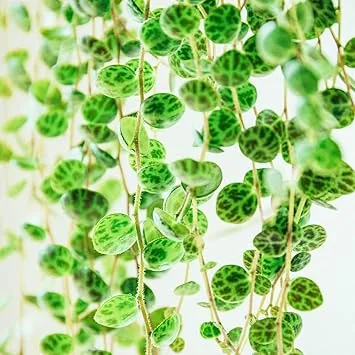
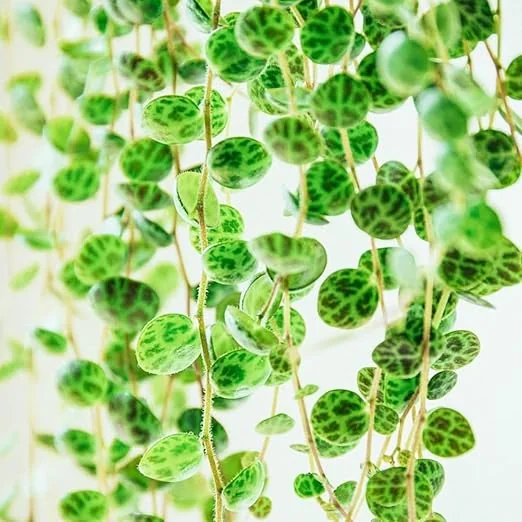
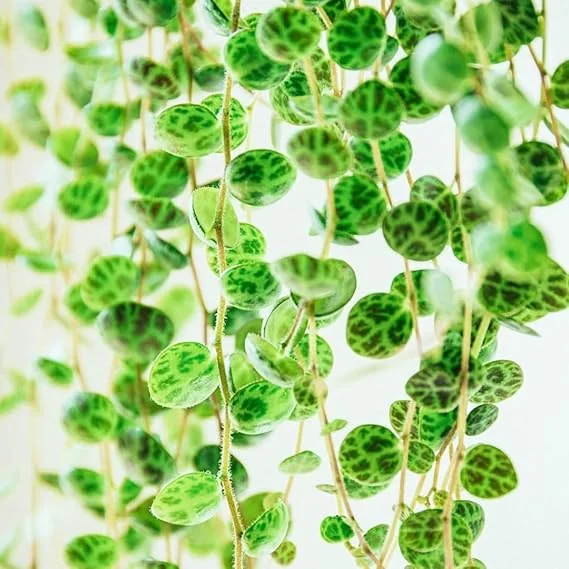
String of Turtles Live Plant – 2.5″ Pot, Easy Care Trailing Succulent, Indoor
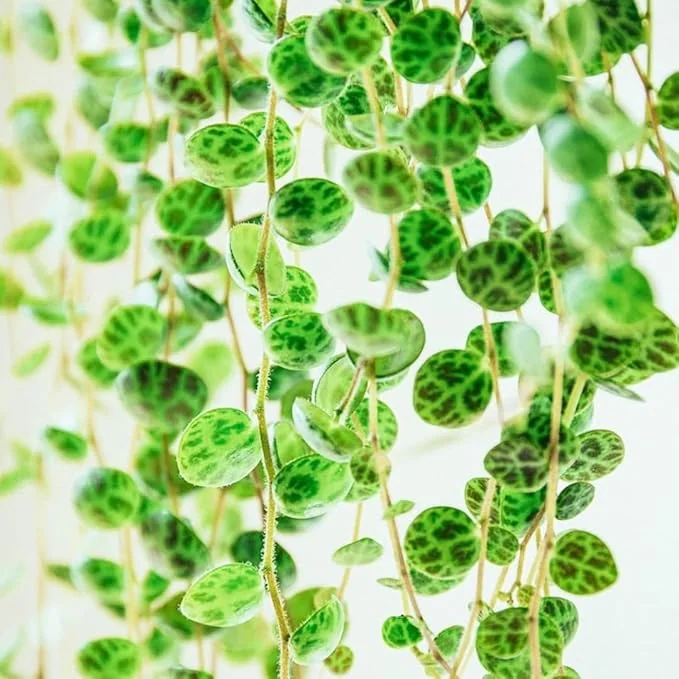
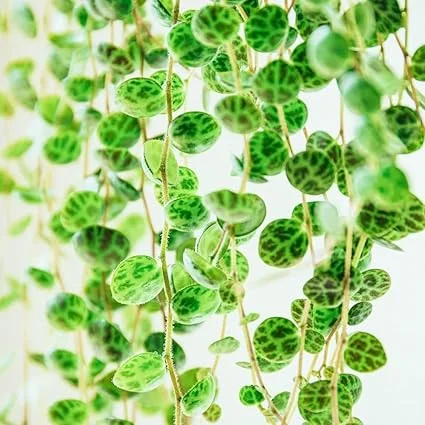
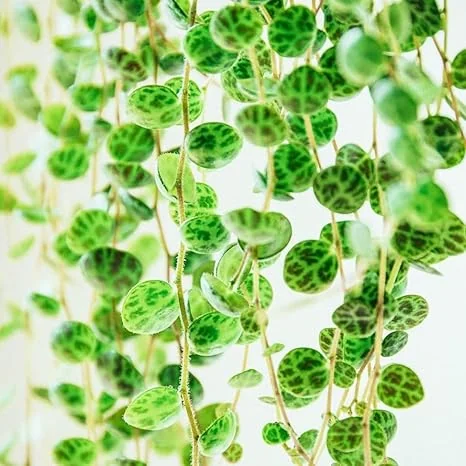
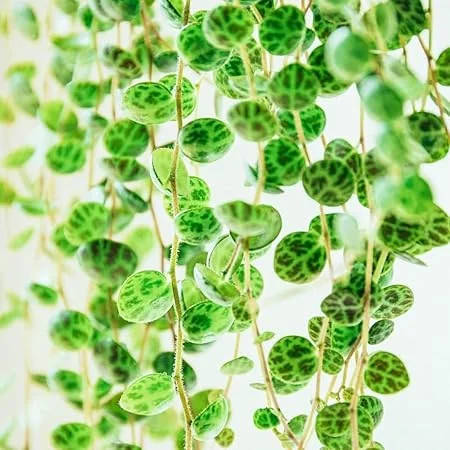
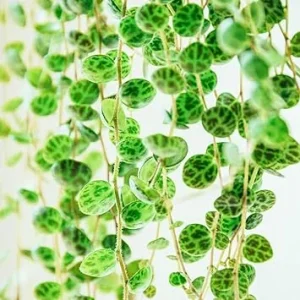
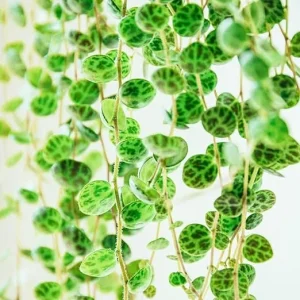
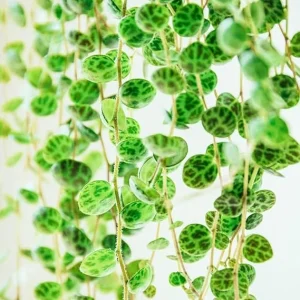
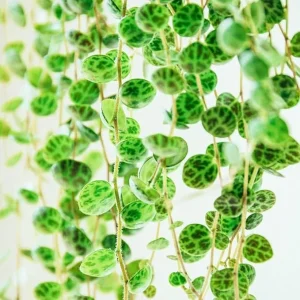
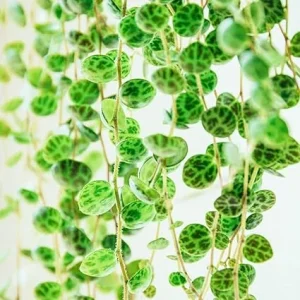
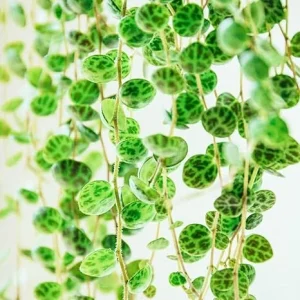
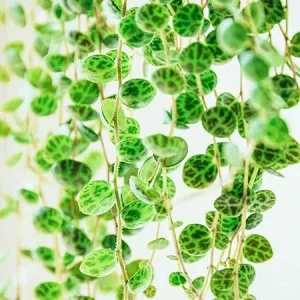
string of turtles live plant. This easy-care, trailing succulent, also known as Peperomia prostrata, comes in a 2.5-inch pot and is perfect for brightening up shelves, terrariums, or hanging baskets. Its distinctive round, patterned leaves resemble tiny turtle shells, creating a delightful visual texture. An ideal small houseplant for shelves or compact spaces, it thrives indoors with bright, indirect light.
$19.99

With our Alive & Thrive Guarantee, we’ve got your back for the first 30 days! If you have any concerns about your plants, just reach out to us. Our team is here to help answer your questions and guide you in selecting the best plants for your garden, climate, and unique preferences. We're excited to help you create the garden of your dreams!
Estimated arrival
Mar 31
Apr 05 - Apr 07
Apr 10 - Apr 14

Product Details
-
USDA Hardiness Zone
USDA zones 10-12 (as an outdoor plant, typically grown indoors) -
Soil type
Well-draining potting mix (succulent or cactus mix) -
Sunlight Exposure
Bright, indirect light -
Expected Planting Period
Year-round indoors
Introduce a touch of whimsical greenery into your living space with the captivating string of turtles live plant. This delightful trailing succulent, scientifically known as Peperomia prostrata, is celebrated for its unique foliage that truly lives up to its common name. Each small, round leaf is intricately patterned, resembling a miniature turtle shell, making it a conversation starter and a fascinating addition to any plant collection. Originating from the rainforests of Brazil, this charming plant is perfectly adapted to indoor environments, thriving in conditions that mimic its native habitat.
The peperomia prostrata plant is an excellent choice for both novice and experienced plant enthusiasts due to its relatively low maintenance requirements and stunning visual appeal. It naturally cascades, making it an ideal candidate for hanging planters, elevated shelves, or even as a ground cover in terrariums. Its compact growth habit ensures it doesn’t take up too much space, yet its trailing vines can grow quite long, adding an elegant, flowing element to your decor. If you’re looking for a distinctive and easy-to-grow indoor plant, the string of turtles live plant is an exceptional option.
Key Benefits
The string of turtles live plant offers numerous advantages, making it a highly sought-after houseplant. Its unique appearance and manageable care routine contribute to a more beautiful and serene indoor environment.
- Unique Ornamental Appeal: The distinctive, patterned, coin-shaped leaves of the string of turtles live plant provide unparalleled visual interest. Its cascading growth habit creates a living curtain of charming foliage, perfect for adding texture and depth to your plant display.
- Easy Care & Low Maintenance: This succulent is forgiving and requires minimal attention once its basic needs are met. It’s an excellent choice for busy individuals or those new to plant care, offering beauty without demanding constant supervision.
- Versatile Display Options: Its trailing nature makes it incredibly versatile. Display it in hanging baskets to enjoy its full cascading glory, on shelves where its vines can gently spill over, or as a decorative accent in terrariums and small decorative planters.
- Compact Growth Habit: Despite its trailing length, the plant itself remains relatively compact, making it suitable for smaller living spaces, apartments, or offices where space is at a premium. It’s a perfect small houseplant for shelves.
- Air Purifying Qualities: Like many houseplants, the peperomia prostrata plant contributes to improved indoor air quality by filtering out common toxins, helping to create a healthier and more pleasant atmosphere in your home.
- Pet-Friendly Option: While it’s always wise to supervise pets around plants, Peperomia prostrata is generally considered non-toxic to cats and dogs, offering peace of mind for pet owners.
- Fast-Rooting & Propagating: This plant is known for being relatively easy to propagate from cuttings, allowing you to expand your collection or share with friends, ensuring you can enjoy more of this delightful trailing succulent indoor.
Plant Care & Growing Tips
Caring for your string of turtles live plant is straightforward, and with a few key considerations, it will thrive and flourish beautifully in your home. Understanding its preferences for light, water, and soil will ensure its continued health and vibrant appearance.
Sunlight Requirements: The peperomia prostrata plant prefers bright, indirect light. Placing it near an east or west-facing window where it receives gentle morning or late afternoon sun is ideal. Avoid direct, harsh sunlight, especially during the hottest parts of the day, as this can scorch its delicate leaves. If natural light is insufficient, it can also thrive under grow lights. Insufficient light may lead to leggy growth and less vibrant leaf patterns, impacting the aesthetic of your trailing succulent indoor.
Watering Schedule and Soil Moisture: As a succulent, the string of turtles live plant is susceptible to overwatering. Allow the top inch or two of the soil to dry out completely between waterings. When you do water, do so thoroughly until water drains from the bottom of the pot. Reduce watering frequency during the cooler, darker winter months. A good way to check is by feeling the soil with your finger. If it feels dry, it’s time to water; if it’s still damp, wait a few more days. Proper watering is crucial for a healthy string of turtles live plant.
Soil Type and Drainage: This plant requires a well-draining potting mix to prevent root rot. A standard succulent or cactus mix works well, or you can create your own by mixing regular potting soil with perlite or coarse sand to improve drainage. The pot should always have drainage holes.
Temperature Range and Humidity: The peperomia prostrata plant thrives in average room temperatures, ideally between 65-75°F (18-24°C). Protect it from cold drafts and temperatures below 50°F (10°C). While it appreciates moderate to high humidity, it can tolerate average household humidity levels. You can boost humidity by placing it near a humidifier or on a pebble tray with water, especially in dry environments. USDA zones for outdoor growth are typically 10-12, but it is primarily grown as an indoor plant.
Fertilization: Fertilize sparingly during the growing season (spring and summer) with a balanced liquid fertilizer diluted to half strength. Avoid fertilizing during fall and winter when the plant’s growth slows down. Over-fertilization can harm the delicate roots of your string of turtles care routine.
Pruning and Propagation: Pruning can be done to maintain shape, encourage bushier growth, or to propagate. Simply snip off a section of vine with a few leaves, and you can root it in water or directly in moist soil. This makes expanding your collection of small houseplant for shelves incredibly easy.
Size & Details
This offering includes one healthy string of turtles live plant, carefully cultivated and shipped in a 2.5-inch nursery pot. At this size, the plant is well-established with several trailing vines, ready to continue its growth in your home. The compact nature of the plant, even with trailing vines, makes it an ideal small houseplant for shelves or desks. The length of the trailing vines can vary, but they are typically suitable for immediate display.
Expect a moderate growth rate, with vines capable of reaching lengths of several feet over time under optimal conditions. The exact dimensions of the plant upon arrival will depend on its natural growth, but it typically forms a compact cluster in the pot with vines beginning to trail. It arrives as a fully rooted plant, ready to be placed in your preferred decorative planter or hanging basket. This trailing succulent indoor plant is a joy to watch grow and develop its characteristic foliage.
Frequently Asked Questions
- Q: How big does this string of turtles live plant get? A: While the plant itself remains compact in its pot, its delicate vines can trail quite long, often reaching several feet in length. The overall size depends on growing conditions and how often it is pruned.
- Q: What size pot does it come in? A: This peperomia prostrata plant is shipped in a 2.5-inch nursery pot, perfectly sized for its initial stage of growth and ready for you to transplant into a decorative container.
- Q: Is this an indoor or outdoor plant? A: The string of turtles live plant is primarily grown as an indoor houseplant due to its tropical origins. It can be moved outdoors in warm, humid conditions during summer but should be brought inside before temperatures drop.
- Q: How much sunlight does the string of turtles care routine require? A: It thrives in bright, indirect light. An east or west-facing window is usually ideal. Avoid direct, harsh sunlight which can burn its leaves.
- Q: Is this plant easy to care for? Is it good for beginners? A: Yes, the string of turtles live plant is considered relatively easy to care for, making it a great choice for beginners who want a unique and beautiful plant without extensive maintenance.
- Q: What condition will it arrive in? A: Your small houseplant for shelves will arrive as a healthy, live plant in its nursery pot, carefully packaged to ensure it reaches you in excellent condition, ready to be unboxed and enjoyed.
- Q: Can I put this trailing succulent indoor in a terrarium? A: Absolutely! Its compact size and trailing habit make it an excellent choice for terrariums, where it can create a charming, miniature landscape. Ensure good air circulation and light.
- Q: How often should I water my string of turtles live plant? A: Water when the top 1-2 inches of soil feel dry to the touch. It’s better to underwater than overwater, as it is susceptible to root rot. Adjust frequency based on light, temperature, and humidity.
- Q: Is the peperomia prostrata plant pet-safe? A: Yes, Peperomia prostrata is generally considered non-toxic to cats and dogs, making it a safer choice for households with pets.
- Q: What is the best way to propagate a string of turtles live plant? A: It’s easily propagated from stem cuttings. Simply take a cutting with a few nodes and leaves, and place it in moist soil or water. Roots typically form within a few weeks.
Related products
-97%
Original price was: $316.80.$9.92Current price is: $9.92.
-30%
Original price was: $47.98.$33.58Current price is: $33.58.
-30%
Original price was: $79.98.$55.98Current price is: $55.98.
-30%
Original price was: $79.98.$55.98Current price is: $55.98.
-30%
Original price was: $79.98.$55.98Current price is: $55.98.
-30%
Original price was: $79.98.$55.98Current price is: $55.98.
-30%
Original price was: $79.98.$55.98Current price is: $55.98.
PLANTING & CARE

The Comprehensive Guide to Growing Bay Leaf Plants for a Flavorful Garden
Imagine stepping into your garden, greeted by the earthy aroma of fresh bay leaves, their
09
Feb
Feb

How to Make Comfrey Tea: The Ultimate Organic Plant Food
Growing an organic garden can be surprisingly expensive, especially when most store-bought fertilizers come in
02
Feb
Feb

True Comfrey: 7 Essential Tips Before You Plant This Herb
A staple in permaculture practices across the US, True Comfrey easily earns its reputation as
27
Jan
Jan

7 Heart-Shaped Plants for a Lasting Valentine’s Gift
If you’ve ever bought a bouquet of roses for Valentine’s Day, you know they are
26
Jan
Jan

Best Types of Ivy Plant for Houses: How to Choose the Perfect Ones for Your Home
Are you a garden lover looking to introduce some greenery into your home? Maybe you’ve
14
Nov
Nov

When to Harvest Garlic (Especially Fall-Planted Garlic)
TIMING IS EVERYTHING, they say – and for garlic, that truth hits with surprising accuracy.
13
Nov
Nov

11 of the Best Sweet Potato Varieties to Grow for Your Garden
If you’ve ever tried growing sweet potatoes, you know that picking the right variety can
12
Nov
Nov
Pruning Bougainvillea for Winter
Bougainvillea vines are known for their dazzling display of magenta, orange, and fuchsia bracts that
05
Nov
Nov